

 Pregledaj u prostoru
 Pošalji
 Podeli
 Detalji o delu

 Преузми
 Slični predmeti
 Rendgenski snimak
 Slajdovi
 Stats
StatsThe philosopher
 Ulje
Ulje- Umetnost za zidove
- Realism and Impressionism
 1867
1867- 19. vek
 187.0 x 107.0 cm
 Art Institute of Chicago
 Pročitaj više
Giclee štampa / Umetnički otisak
Giclée štampa ili print na platnu muzejskog kvaliteta uz brzu proizvodnju i fleksibilne opcije završne obrade. ( Kupi ručno naslikanu sliku Switch to Digital Image)




P118B $10

P118H $10

P118W $10

P438Z $10

P508JH $12

P508YH $12

P805H $10

P805Z $10

P919BZ $10

P919G $10

P919XJ $10

P959ZH $10

P968JZ $12

W106C $8

W218G $10

W218JH $8

W218Y $10

W307PJ $10

W316G $10

W316PJ $8

W316Y $10

W398PJ $8

W4111J $10

W500HY $15

W500JH $15

W692G $12

W849H $8

W940BG $15

W953PJ $8




Izaberite jednu od naših unapred definisanih veličina koje odgovaraju originalnim proporcijama umetničkog dela.

Možete uneti sopstvene dimenzije kako biste umetničko delo prilagodili specifičnom okviru ili prostoru. Ako odabrani format ne odgovara proporcijama originalne slike, mi ćemo ili iscrtati deo dela ili proširiti sliku pomoću ogledane ivice ili jednobojnog popunjavanja. Digitalni prikaz će vam biti poslat na odobrenje pre početka proizvodnje.
Imajte na umu da pregled na ekranu ne odražava stvarno iscrtavanje ili proširivanje. Samo će prikaz (mockup) precizno pokazati finalnu kompoziciju.
Iako su prilagođene dimenzije dostupne, preporučujemo da odaberete dimenziju sa unapred definisane liste kako biste očuvali originalne proporcije.
Dostava širom sveta () za 2 nedelje umesto uobičajenih 4/5 nedelja. (8 септембар)

Besplatna ekspresna dostava širom sveta

Visokokvalitetno laneno platno

Kompletno osiguranje transporta

Garancija povraćaja carine i uvoznih dažbina

Garancija vernosti boja

Politika povraćaja u roku od 100 dana (isključivo u slučaju nedostataka)

Garancija povrata novca od 100%

Popust pri grupnoj kupovini
 Opcija sa staklom dostupna je samo za dimenzije manje od 110 cm

The philosopher
Giclee štampa / Umetnički otisak
Dimenzije reprodukcije
-


Konačna cena
$ 80
The Philosopher: A Window into Manet’s Modern Soul
Édouard Manet's *The Philosopher*, painted in 1867, isn’t merely a portrait; it’s a carefully constructed tableau that encapsulates the burgeoning spirit of modern art. This oil-on-canvas work, measuring a substantial 187 x 107 cm, invites us into a quiet contemplation, a moment suspended between observation and thought. The subject, a man draped in a long coat and hat – a figure instantly recognizable as embodying intellectualism – stands on a Parisian street, his hands tucked casually into his pockets, radiating an aura of profound introspection. Yet, it’s not the individual that commands our attention entirely, but rather the subtle orchestration of elements surrounding him: the birds perched above, the clock subtly hinting at time's passage, and the carefully chosen background details. These aren’t merely decorative flourishes; they contribute to a layered narrative, inviting us to consider the nature of existence itself. The painting emerged from a pivotal moment in art history – a period of intense transition between Realism and Impressionism. Manet, already known for his provocative works like *Le Déjeuner sur l'herbe* and *Olympia*, was pushing boundaries with each new creation. He deliberately challenged academic conventions by depicting everyday life, often featuring ordinary people in unidealized ways. *The Philosopher* exemplifies this approach, eschewing the polished surfaces and heroic narratives favored by earlier generations of artists. Instead, Manet presents a scene stripped bare of sentimentality, focusing on the raw reality of urban existence. The muted palette – dominated by browns, grays, and ochres – reinforces this sense of understated observation. Notice how he employs loose brushstrokes, characteristic of his style, creating an almost hazy effect that softens the edges and contributes to the painting’s contemplative mood. Manet's stylistic choices are deeply rooted in both Realism and Impressionism. He retains a degree of realism in his depiction of the subject and setting, meticulously rendering the details of the man’s clothing and the streetscape. However, he also embraces the Impressionist emphasis on capturing fleeting moments of light and color. The dappled sunlight filtering through the background suggests movement and atmosphere, while the subtle shifts in tone create a sense of depth and spatial ambiguity. This blending of styles – realism tempered by impressionistic sensitivity – is what makes Manet such a revolutionary figure. He wasn’t simply painting what he saw; he was actively shaping how we perceive the world around us. The inclusion of birds, for instance, adds a layer of symbolic richness. Birds are often associated with freedom and intellect, further reinforcing the subject's philosophical nature. The historical context surrounding *The Philosopher* is crucial to understanding its significance. Manet’s work coincided with a period of rapid social and economic change in Paris – the rise of industrialization, urbanization, and a growing sense of alienation. His paintings reflected this turbulent atmosphere, capturing the anxieties and uncertainties of modern life. The painting's placement within the broader context of Manet's career reveals his deliberate attempt to challenge established artistic norms and pave the way for future generations of artists. *The Philosopher* stands as a testament to Manet’s innovative spirit and his profound impact on the development of modern art, ultimately finding its home in the prestigious Art Institute of Chicago, where it continues to captivate viewers with its quiet intensity and enduring relevance.Artistic Details & Symbolism
Let's delve deeper into the specific details that contribute to *The Philosopher’s* evocative power. The man himself is presented in a state of profound contemplation, his gaze directed towards an unseen horizon. His beard and mustache lend him an air of intellectual authority, solidifying his role as a philosopher. Note the careful rendering of his clothing – the long coat, the hat, the simple pocket watch – each element contributing to a sense of timelessness and dignity. The background is equally significant. The two birds perched above suggest a connection to nature, while the clock subtly reminds us of the relentless passage of time. These seemingly minor details are carefully orchestrated to create a harmonious whole, inviting viewers to engage in their own interpretations.Manet’s Legacy & Influence
Édouard Manet's influence on subsequent generations of artists is undeniable. His willingness to challenge conventions and depict modern life with unflinching honesty paved the way for Impressionism and beyond. Artists like Claude Monet, Pierre-Auguste Renoir, and Edgar Degas were deeply influenced by Manet’s techniques and his approach to subject matter. *The Philosopher*, in particular, demonstrates Manet's ability to capture a fleeting moment of human experience with remarkable sensitivity and insight. His work continues to inspire artists today, reminding us of the power of art to challenge our perceptions and expand our understanding of the world.Reproductions & Viewing Experience
OriginalUniqueArt offers meticulously crafted hand-painted reproductions of *The Philosopher*, capturing the essence of Manet’s original masterpiece with unparalleled fidelity. Our skilled artisans employ traditional oil painting techniques, carefully recreating every brushstroke and nuance of color. These reproductions are not merely copies; they are works of art in their own right, imbued with the same spirit and emotion as the original. Whether you choose a large-scale statement piece for your home or a smaller, more intimate reproduction to adorn your office, our hand-painted versions will bring this iconic artwork into your space, allowing you to appreciate its beauty and complexity for years to come. Explore our collection today and experience *The Philosopher* in a whole new light.Biografija umetnika
Париски бунтовник: Живот и дело Едуарда Манеа
Едуард Мане, рођен 1832. године у Паризу из удобне буржоаске породице, готово да није био предодређен за живот револуционарног уметника. Његов отац, угледни судија, замислио је сигурну будућност за свог сина у праву или можда морнарици – поштована занимања која одговарају њиховом друштвеном статусу. Ипак, чак и као млади дечак, Манеово срце је припадало уметности. С једанаест година започео је формалну наставу цртања, а иако је кратко време био заједнички са академским сликаром Томасом Кутуром, брзо је открио да су Кутурове ригидне методе задушавајуће. Ова рана отпорност предзнаменовала је живот проведен у изазовима уметничких конвенција. Мане није био заинтересован за једноставно реплицирање прошлости; тражио је да ухвати ваибрираност – а понекад и непријатне стварности – модерног париског живота. Често је посећивао Лувр, не само да би копирао Старе мајсторе, већ и да би анализирао њихове технике, учећи од уметника као што су Каравађо и Веласкез како светлост и сенка могу обликовати форму и будити емоције. Међутим, права прекретница у Манеовом стварачком путу била је промена у уметничким струјањима, посебно успон реализма који је заговарао Гюстав Курбе. Курбеов нагласак на приказивању сваког дана без идеализације дубоко је резоновао са Манеом, ослобађајући га од ограничења историјских или митолошких тема.Преламање с традицијом: Скандал и иновација
Педесетих година деветнаестог века био је период интензивне уметничке бурности у Паризу, а Мане се нашао у самом центру тога свега. Долазак јапанских штампа – *укијо-е* – продубио је његову естетску осетљивост. Завладали су га њихови спљоштени перспективе, смеле композиције и запањујуће употребе боја, елементи који ће постати обележја његовог стила. Овај утицај, у комбинацији са његовим растућим одбацивањем академског сјаја, довео је до дела која су шокирала и скандалисала париски свет уметности. Le Déjeuner sur l'herbe (Ручак на трави), изложен на Salon des Refusés 1863. године – изложба за радове одбијене званичног салона – постао је праштање контроверзи. Слика, која приказује голу жену лежерно пикничи са два потпуно обучена мушкарца, није била само о голутији; било реч о томе *како* је та голутија представљена. Манеове фигуре нису имале идеализоване облике и митолошки контекст традиционалних голића. Они су били несумњиво модерни, суочавајући гледаоца са непријатним директношћу. Скандал око Ручка на трави само се продубио његовим мајсторским делом из 1865. године, Олимпијом. Ова слика, делимична реинвенција Тицијанове *Венерине Урбина*, представила је савремену проститутку која смело гледа у гледаоца. Непосредни реализам и провокативна тема наишла су на општу осуду. Критичари су оптужили Манеа за вулгарност и уметничку неспособност, али испод беса легала је претвaра да је он фундаментално мењао језик сликарења.Прелазак на импресионизам: Светлост, кретање четкицом и савремени живот
Иако никада није у потпуности прихватио ознаку „импресиониста“, његов утицај на покрет био је несумњив. Делио је њихов одбацивање академских конвенција и њихову посвећеност снимању мимотретних ефеката светлости и атмосфере. Излагао је заједно са Монеом, Реноаром, Дегасом и другима на независним изложбама импресиониста, што је учврстило његову позицију кључне фигуре у авангарди. Манеова техника се развијала према слободнијим потезима четкицом, који су приоритет дали утиску форме уместо прецизних детаља. Експериментисао је са бојом, често користећи оштре контрасте како би створио драматичне ефекте. Поред скандалозних голића, Мане је истраживао широк распон тема: портрете – укључујући запањујуће приказе његове жене Сузан и уметника Емила Зола; сцене париског ноћног живота, као што је A Bar at the Folies-Bergère, који мајсторски снима елиминацију и спектакл модерног урбаног живота; и интимне кућне сцене. Он није само документовао ове предмете; он их је испитивао, постављајући питања друштвеним нормама и изазивајући конвенционална схватања лепоте.Наслеђе и трајни утицај
Превремени Манеов одлазак 1883. године због сифилиса прекинуо је каријеру која је већ непромењиво променила ток историје уметности. Иако се његов углед знатно повећао након смрти, његов утицај је одмах осетила млађа генерација уметника који су га препознали као ослободилаца. Разбио је баријере, изазивајући традиционална схватања тема, техника и уметничких циљева.- Његов нагласак на снимању савременог живота отворио је пут импресионизму и поствумпресионизму.
- Његова иновативна употреба кретања четкицом и боје утицала је на генерације сликара.
- Његова спремност да се суочи са непријатним истинама о друштву приморала је гледаоце да преиспитају сопствена претпоставке.
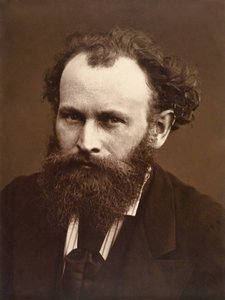
Едуар Мане
1832 - 1883 , Француска
Osnovne informacije
- Datum Rođenja: 23. januar 1832.
- Datum Smrti: 1883.
- Mesto Rođenja: Pariz, Francuska
- Nacionalnost: Francuski
- Pokreti/Umetnici Uticajem:
- Klod Monet
- Pjer Ogust Renoir
- Edgar Degas
- Puno Ime: Édouard Manet
- Umetnički Pokret: Realizam, Impresionizam
- Uticali Umetnici:
- Karavagio
- Diego Velázquez
- Gustave Courbet
- Značajna Dela:
- Le Déjeuner sur l'herbe
- Olympia
- A Bar at the Folies-Bergère
Povezani članci

Impressionistic Realism's Finest: 10 Masterpieces for Your Home | OriginalUniqueArt
Journey through Impressionistic Realism with 10 iconic masterpieces by Monet, Renoir & Van Gogh. Explore art history, techniques & find museum-quality reproductions for your home at OriginalUniqueArt.com. Discover all masterpieces online!

Romantic Realism's Finest: 10 Masterpieces for Your Home | OriginalUniqueArt
Explore 10 defining masterpieces of Romantic Realism! Discover Courbet, Millet & Daumier's powerful paintings—capturing emotion and social realities. Find museum-quality reproductions for your home at OriginalUniqueArt.com.
Impressionizam: 10 Remek-dela Koja Su Definisala Pokret | OriginalUniqueArt
Otkrijte 10 remek dela impresionizma koji su revolucionisali umetnost! Monet, Renoir i drugi majstori – saznajte priče iza ikoničnih slika. Inspiracija za enterijer i vrhunske reprodukcije na OriginalUniqueArt.com. Istražite kolekciju online!

Impressionism's Masterpieces: 10 Paintings That Defined a Movement | OriginalUniqueArt
Journey through Impressionism's heart with 10 iconic paintings by Monet, Renoir & Degas. Explore light, color & the stories behind these masterpieces. Find museum-quality art reproductions and elevate your home decor on OriginalUniqueArt.com.
Édouard Manet: 25 Remek-dela Revolucionarnog Francuskog Majstora | OriginalUniqueArt
Istražite 25 remek-dela Édouarda Maneta, revolucionarnog francuskog slikara impresionizma. Otkrijte priče iza 'Le Déjeuner sur l'herbe', 'Olympie' i drugih ikoničnih dela. Kvalitetne reprodukcije slika za luksuzni enterijer – OriginalUniqueArt.


