
 Pregledaj u prostoru
 Pošalji
 Podeli
 Detalji o delu

 Преузми
 Slični predmeti
 Rendgenski snimak
 Slajdovi
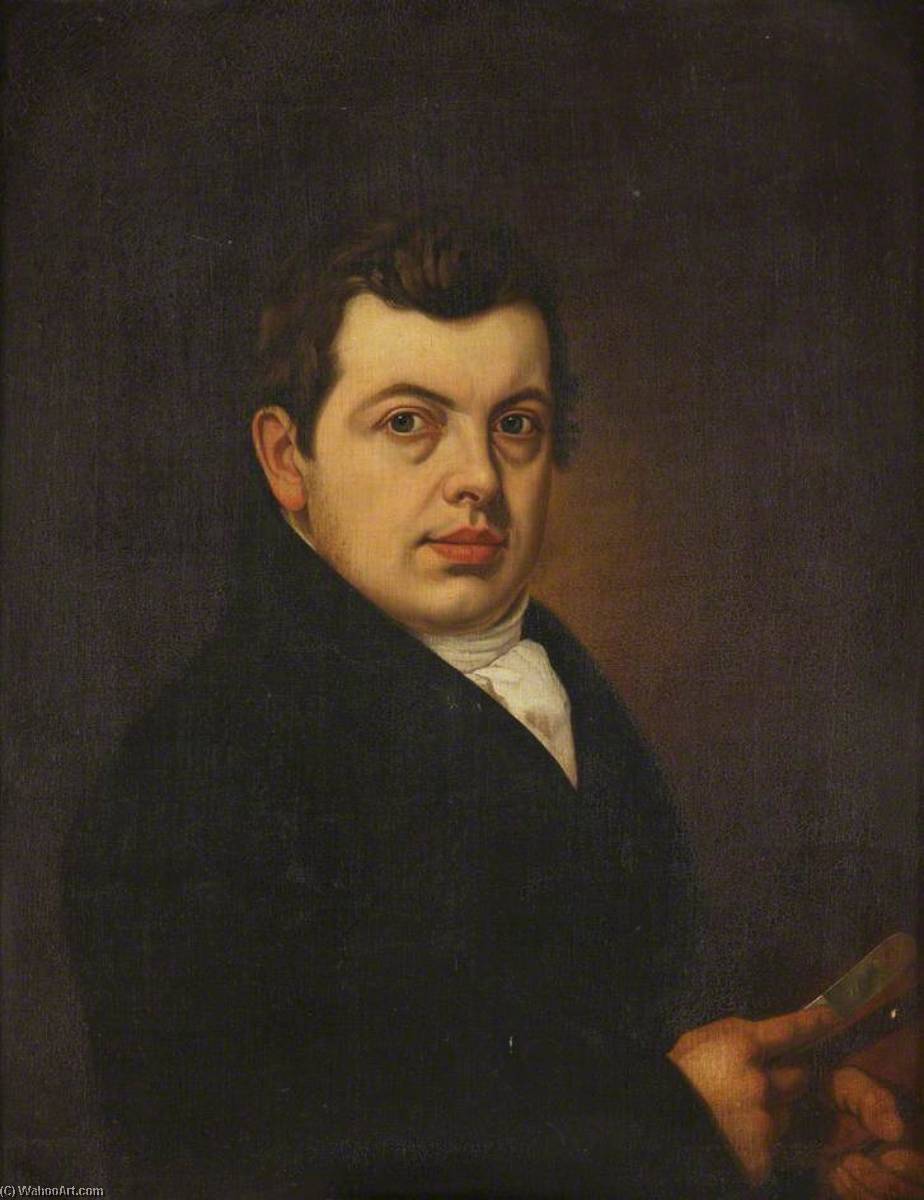
Self Portrait
 1827
1827 80.0 x 66.0 cm
 Pročitaj više
Giclee štampa / Umetnički otisak
Giclée štampa ili print na platnu muzejskog kvaliteta uz brzu proizvodnju i fleksibilne opcije završne obrade. ( Kupi ručno naslikanu sliku Kupi digitalnu sliku)




































Izaberite jednu od naših unapred definisanih veličina koje odgovaraju originalnim proporcijama umetničkog dela.

Možete uneti sopstvene dimenzije kako biste umetničko delo prilagodili specifičnom okviru ili prostoru. Ako odabrani format ne odgovara proporcijama originalne slike, mi ćemo ili iscrtati deo dela ili proširiti sliku pomoću ogledane ivice ili jednobojnog popunjavanja. Digitalni prikaz će vam biti poslat na odobrenje pre početka proizvodnje.
Imajte na umu da pregled na ekranu ne odražava stvarno iscrtavanje ili proširivanje. Samo će prikaz (mockup) precizno pokazati finalnu kompoziciju.
Iako su prilagođene dimenzije dostupne, preporučujemo da odaberete dimenziju sa unapred definisane liste kako biste očuvali originalne proporcije.
Dostava širom sveta () za 2 nedelje umesto uobičajenih 4/5 nedelja. (22 август)

Besplatna ekspresna dostava širom sveta

Visokokvalitetno laneno platno

Kompletno osiguranje transporta

Garancija povraćaja carine i uvoznih dažbina

Garancija vernosti boja

Politika povrata u roku od 60 dana (samo u slučaju nedostataka)

Garancija povrata novca od 100%

Popust pri grupnoj kupovini
 Opcija sa staklom dostupna je samo za dimenzije manje od 110 cm

Self Portrait
Giclee štampa / Umetnički otisak
Dimenzije reprodukcije
-


Konačna cena
$ 80
Biografija umetnika
The Quiet Observer: Edmund Ward Gill and the English Landscape
Edmund Ward Gill (1794-1868) wasn’t a name that typically commands headlines in the annals of art history, yet his quietly assured portraits and meticulously rendered landscapes offer a compelling window into 19th-century British life. Born in London, Gill's artistic journey began not with grand ambitions or revolutionary techniques, but with a deliberate apprenticeship under the established portrait painter, Thomas Busby, a decision that profoundly shaped his early career. This grounding in traditional methods instilled a rigorous attention to detail and a deep respect for capturing likeness – qualities that would later become hallmarks of his work, particularly his self-portraits and depictions of prominent figures like Sir Charles Napier. However, it was the burgeoning Romantic movement, with its emphasis on nature’s sublime beauty and the individual's connection to the natural world, that truly ignited Gill’s artistic spirit, leading him away from purely formal portraiture towards a more expansive exploration of the English countryside. Gill’s early life reveals a man deeply connected to the rhythms of rural England. He spent his formative years in Devon, surrounded by the dramatic coastline and rolling hills that would later become recurring motifs in his paintings. This intimate familiarity with the landscape provided him with an unparalleled understanding of light, shadow, and texture – elements he masterfully employed to create scenes imbued with a palpable sense of atmosphere. His work wasn’t simply about depicting a view; it was about conveying a feeling, a mood, a connection to something larger than oneself. This is particularly evident in his numerous depictions of the River Dart in Devon, where he captured not just the physical beauty of the river but also its ever-changing character – from the tranquil stillness of dawn to the turbulent rush of a storm. The influence of artists like David Cox, whose atmospheric landscapes and masterful use of color profoundly impacted Gill’s style, is readily apparent in his later works, demonstrating a clear evolution within his artistic practice. A significant turning point in Gill's career came with his decision to begin painting self-portraits – a practice relatively uncommon for male artists of the time. These introspective studies weren’t merely exercises in technical skill; they were profound explorations of identity and self-perception. Gill’s self-portraits, often rendered in muted tones and characterized by a remarkable degree of psychological depth, offer an unprecedented glimpse into the mind of a quiet observer. He presented himself not as a heroic figure or a celebrated personality, but as a thoughtful man grappling with his place in the world. The subtle shifts in expression – a fleeting hint of melancholy, a moment of contemplative stillness – reveal a complex and nuanced character beneath the surface. These portraits are remarkably honest, devoid of artifice, and invite viewers to contemplate the universal themes of mortality, memory, and the passage of time. Beyond his self-portraits, Gill’s work also included depictions of notable figures from British society. His portrait of Sir Charles Napier, a prominent naval officer, is a prime example of his ability to capture both physical likeness and character. Gill skillfully rendered Napier's stern gaze and dignified bearing, conveying not just the man’s appearance but also his commanding presence and unwavering determination. These portraits weren’t simply commissioned works; they were carefully considered studies in observation and representation, reflecting Gill’s commitment to capturing the essence of his subjects. The meticulous detail evident in these paintings – from the texture of Napier's uniform to the subtle nuances of his expression – speaks volumes about Gill’s dedication to his craft. Gill’s legacy extends beyond his individual works; he represents a vital link between the formal portraiture of earlier generations and the evolving landscape painting of the Romantic era. His quiet, understated style—characterized by a masterful command of light, color, and detail—offers a refreshing counterpoint to the more flamboyant styles that dominated the art world during his time. His work continues to resonate with viewers today, not for its grand scale or dramatic subject matter, but for its profound sense of intimacy and its enduring exploration of the human condition. The collection at St Edmund’s College in Cambridge, and the Mary Ward Centre in London, provide valuable resources for further study into his life and art. Furthermore, online resources like Art UK offer detailed analyses of his work and its historical context, solidifying Gill's place as a significant, if often overlooked, figure in British art history.
edmund ward gill
1794 - 1868
Osnovne informacije
- Artistic Movement Or Style: Portraiture, Dog Art
- Artists Or Movements Influenced By This Artist: ['Conservative Art']
- Artists Who Influenced This Artist: ['David Cox']
- Date Of Birth: 1794
- Date Of Death: 1868
- Full Name: Edmund Ward Gill
- Nationality: British
- Notable Artworks:
- PORTRAIT OF SIR CHARLES NAPIER
- A HOUND BY A KENNEL
- On the Lledr, North Wales

