
 Pregledaj u prostoru
 Pošalji
 Podeli
 Detalji o delu

 Преузми
 Slični predmeti
 Rendgenski snimak
 Slajdovi
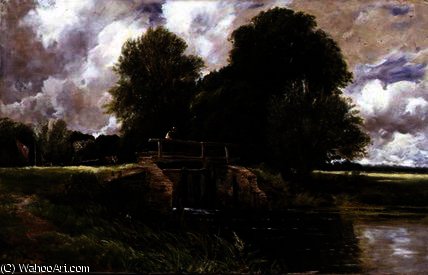
Passing through a Lock
 Pročitaj više
Ručno rađena uljana reprodukcija
Ručno oslikano uljanim bojama na platnu u dimenzijama i okviru po vašem izboru, izrađeno po porudžbini od strane naših umetnika. ( Kupi print Kupi digitalnu sliku)




































Izaberite jednu od naših unapred definisanih veličina koje odgovaraju originalnim proporcijama umetničkog dela.

Можете унети сопствене димензије како бисте прилагодили дело одређеном оквиру или простору. Ако одабрана величина не одговара пропорцијама оригинала, слика ће бити исечена или проширена додатним елементима који се ручно насликавају. Дигитални prikaz ће вам бити послат на одобрење пре почетка производње.
Имајте на уму да преглед на екрану не одражава стварно исецање или проширење. Само приказ (mockup) ће тачно приказати коначну композицију.
Иако су доступне прилагођене величине, препоручујемо да одаберете димензију из дефинисане листе како бисте сачували оригиналне пропорције.
Nakon narudžbine, tim OriginalUniqueArt.com će klijentu putem e-pošte poslati uputstva i dostaviti prikaz predloženog rešenja
Isporuka širom sveta () za 3/4 nedelje umesto uobičajenih 5 nedelja. (25 август). Bez kompromisa po pitanju kvaliteta.

Besplatna ekspresna dostava širom sveta

Visokokvalitetno laneno platno

Kompletno osiguranje transporta

Garancija povraćaja carine i uvoznih dažbina

Garancija vernosti boja

Politika povrata u roku od 60 dana (samo u slučaju nedostataka)

Garancija povrata novca od 100%

Popust pri grupnoj kupovini
 Opcija sa staklom dostupna je samo za dimenzije manje od 110 cm

Passing through a Lock
Tehnika reprodukcije
Dimenzije reprodukcije
-


Konačna cena
$ 300
Biografija umetnika
William McTaggart: Bridging Impressionism and the Scottish Landscape
Born in 1835 in the remote village of Aros, on the windswept Kintyre peninsula of Scotland, William McTaggart’s artistic journey was profoundly shaped by his upbringing amidst the rugged beauty of the Atlantic coast. This early immersion in a dramatic and ever-changing environment would become the cornerstone of his lifelong dedication to capturing the essence of the Scottish landscape – a pursuit that ultimately defined his legacy as one of the most significant interpreters of the region's visual poetry.
McTaggart’s formal artistic training began at the Trustees’ Academy in Edinburgh, where he honed his skills under Robert Scott Lauder. However, it was his travels through Europe – particularly his extended studies in Spain and Italy – that proved pivotal. These experiences exposed him to the burgeoning Impressionist movement, a shift that dramatically influenced his approach to painting. He wasn't merely replicating what he saw; instead, he sought to convey the fleeting effects of light, atmosphere, and color—a core tenet of Impressionism.
Initially, McTaggart’s work focused on figure paintings, often depicting children in intimate settings. Yet, a deep-seated connection to his native land soon drew him towards the landscapes that surrounded him. He abandoned the formal salon circuit of Paris, choosing instead to exhibit his works at the Beaux Arts de Pau and the museum des Beaux Arts in Pau – venues that offered a more receptive audience for his evolving style. His subjects shifted to encompass the dramatic coastline, rolling hills, and evocative moorlands of southwestern Scotland, becoming increasingly characterized by bold brushstrokes and vibrant color palettes.
The Influence of Impressionism and Scottish Tradition
McTaggart’s artistic development wasn't a sudden departure from his earlier work; rather, it was a gradual integration of new techniques with deeply ingrained traditions. He absorbed the principles of Impressionism – particularly the emphasis on *plein air* painting (working directly from nature) and the use of broken color to capture light—but he never abandoned the strong sense of realism and detail that characterized much of Scottish art. His paintings are often described as a synthesis of these two seemingly disparate influences, resulting in a uniquely evocative style.
The impact of artists like Constable and Turner is readily apparent in McTaggart’s work. Like Constable, he meticulously observed the nuances of light and shadow, striving to capture the atmospheric conditions of his subjects. Similarly, Turner's dynamic use of color and brushwork—particularly his depictions of turbulent seas—served as a significant inspiration for McTaggart’s marine paintings. However, unlike many of his contemporaries who simply adopted Impressionistic techniques wholesale, McTaggart infused them with a distinctly Scottish sensibility, imbuing his landscapes with a sense of ruggedness, drama, and the raw beauty of the Highlands.
A Palette of Light and Sea
McTaggart’s oeuvre is dominated by two primary subjects: the dramatic coastline of Kintyre and the expansive seascapes that defined his later years. His coastal scenes are characterized by a remarkable sensitivity to light, color, and texture. He skillfully rendered the interplay of sunlight on water, capturing the shimmering reflections and the shifting moods of the sea. His use of color is particularly noteworthy—he employed a vibrant palette of blues, greens, and yellows to convey the intensity of the Scottish weather and the ever-changing conditions of the coastline.
As he aged, McTaggart increasingly turned his attention to the Moorfoot Hills near Lasswade, capturing their majestic presence with a similar mastery of light and color. These later works demonstrate a remarkable consistency in style and technique—a testament to his dedication and skill as an artist. His paintings are not merely representations of landscapes; they are imbued with a profound sense of emotion and atmosphere, inviting the viewer to experience the beauty and drama of the Scottish countryside.
Legacy and Recognition
William McTaggart’s contribution to Scottish art is undeniable. He played a crucial role in establishing Impressionism as a viable movement within the country, demonstrating its potential for capturing the unique character of the Scottish landscape. His work was widely exhibited throughout his career, earning him recognition from both critics and collectors. He was elected as a full academician at the Royal Academy in 1878, a prestigious honor that reflected his standing within the British art world.
Today, McTaggart’s paintings are held in major museums and private collections across Scotland and beyond. His work continues to be admired for its beauty, technical skill, and evocative power—a lasting tribute to an artist who successfully bridged the gap between Impressionism and Scottish tradition, creating a body of work that remains both timeless and deeply resonant.

edmund morison wimperis
1835 - 1900 , United Kingdom
Osnovne informacije
- Artistic Movement Or Style: Landscape/Marine Impressionism
- Artists Or Movements Influenced By This Artist: ['Scottish Impressionism']
- Artists Who Influenced This Artist:
- Constable
- Turner
- Date Of Birth: 1835-10-25
- Date Of Death: 1910-04-02
- Full Name: William McTaggart
- Nationality: Scottish
- Notable Artworks:
- Paysage Pyreneen
- La Promenade de Montauban a Luchon
- Place Of Birth: Aros, Argyll & Bute, Scotland

