
 Pregledaj u prostoru
 Pošalji
 Podeli
 Detalji o delu

 Преузми
 Slični predmeti
 Rendgenski snimak
 Slajdovi
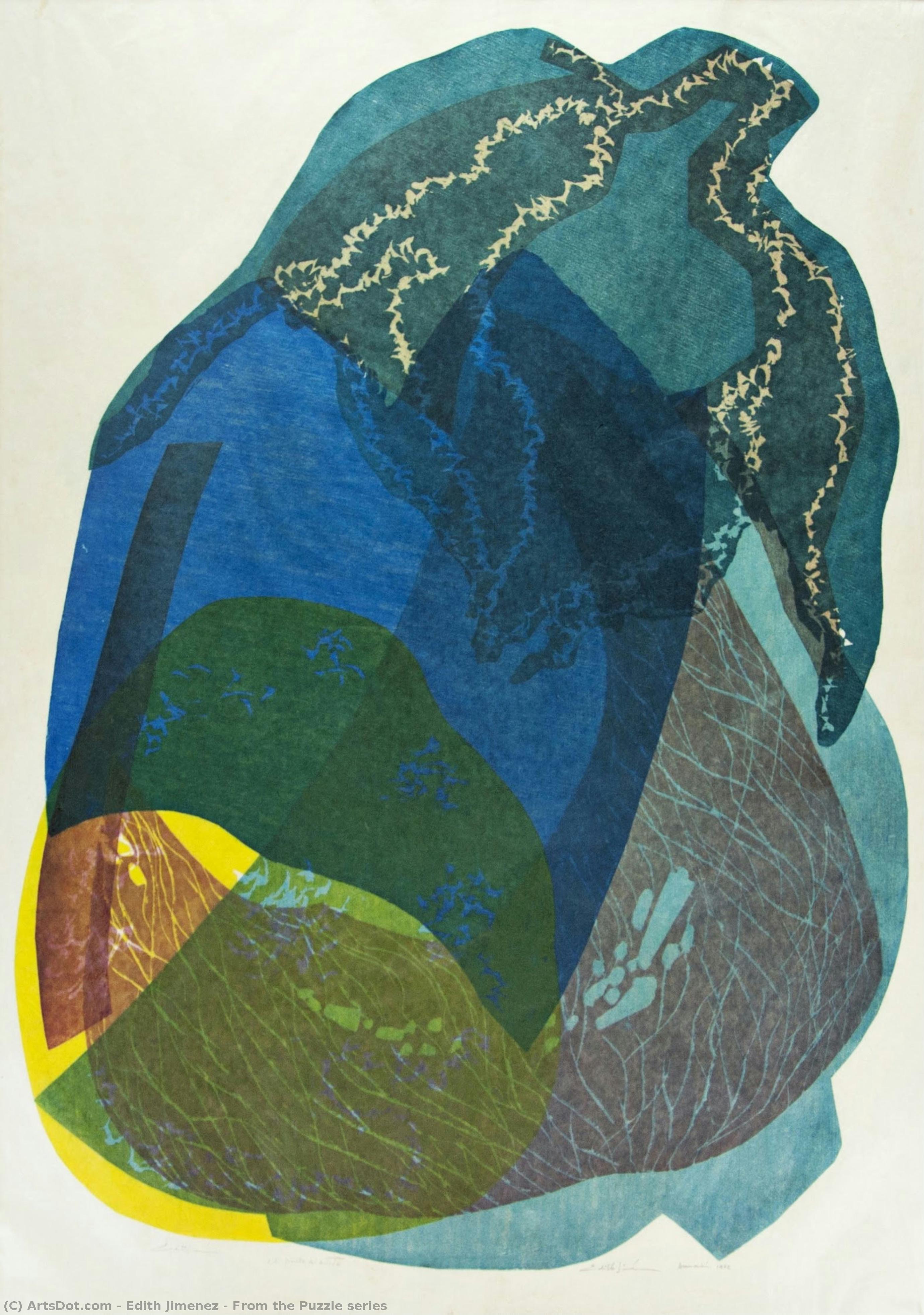
From the Puzzle series
 Painting
- Contemporary Art
 1972
1972- Modern
 110.0 x 75.0 cm
 Texo Foundation
 Pročitaj više
Giclee štampa / Umetnički otisak
Giclée štampa ili print na platnu muzejskog kvaliteta uz brzu proizvodnju i fleksibilne opcije završne obrade. ( Kupi ručno naslikanu sliku Kupi digitalnu sliku)




P118B $10

P118H $10

P118W $10

P438Z $10

P508JH $12

P508YH $12

P805H $10

P805Z $10

P919BZ $10

P919G $10

P919XJ $10

P959ZH $10

P968JZ $12

W106C $8

W218G $10

W218JH $8

W218Y $10

W307PJ $10

W316G $10

W316PJ $8

W316Y $10

W398PJ $8

W4111J $10

W500HY $15

W500JH $15

W692G $12

W849H $8

W940BG $15

W953PJ $8




Izaberite jednu od naših unapred definisanih veličina koje odgovaraju originalnim proporcijama umetničkog dela.

Možete uneti sopstvene dimenzije kako biste umetničko delo prilagodili specifičnom okviru ili prostoru. Ako odabrani format ne odgovara proporcijama originalne slike, mi ćemo ili iscrtati deo dela ili proširiti sliku pomoću ogledane ivice ili jednobojnog popunjavanja. Digitalni prikaz će vam biti poslat na odobrenje pre početka proizvodnje.
Imajte na umu da pregled na ekranu ne odražava stvarno iscrtavanje ili proširivanje. Samo će prikaz (mockup) precizno pokazati finalnu kompoziciju.
Iako su prilagođene dimenzije dostupne, preporučujemo da odaberete dimenziju sa unapred definisane liste kako biste očuvali originalne proporcije.
Dostava širom sveta () za 2 nedelje umesto uobičajenih 4/5 nedelja. (13 август)

Besplatna ekspresna dostava širom sveta

Visokokvalitetno laneno platno

Kompletno osiguranje transporta

Garancija povraćaja carine i uvoznih dažbina

Garancija vernosti boja

Politika povrata u roku od 60 dana (samo u slučaju nedostataka)

Garancija povrata novca od 100%

Popust pri grupnoj kupovini
 Opcija sa staklom dostupna je samo za dimenzije manje od 110 cm

From the Puzzle series
Giclee štampa / Umetnički otisak
Dimenzije reprodukcije
-


Konačna cena
$ 80
Opis predmeta
A Mosaic of Emotion: The Intricate Heart of Edith Jiménez
In the vibrant tapestry of twentieth-century Paraguayan art, few works capture the delicate complexity of human emotion as vividly as "From the Puzzle series". Created in 1972 by the esteemed Edith Jiménez, this masterpiece transcends simple imagery to present a profound meditation on unity and fragmentation. At first glance, the viewer is met with a central heart, not as a singular, smooth entity, but as a breathtaking assembly of diverse colors, shapes, and textures. It is a composition that breathes with the energy of a mosaic, where every fragment plays a vital role in sustaining the integrity of the whole. The painting invites us to look closer, discovering smaller hearts nestled within the larger form, creating a rhythmic depth that draws the eye into a labyrinth of color.
The technique employed in this work reflects Jiménez’s profound ability to blend structural discipline with expressive freedom. While she is often celebrated for her tactile terracotta sculptures, her approach to canvas in this series reveals a painterly mastery of collage-like aesthetics. The application of pigment suggests a meticulous layering process, where each "piece" of the puzzle feels intentionally placed yet organically connected. This interplay of shapes creates a sense of movement, as if the heart is in a constant state of assembly and reconfiguration. For the collector or interior designer, this piece offers a dynamic focal point; its multifaceted nature allows it to harmonize with both contemporary minimalist settings and more eclectic, maximalist decors, providing a burst of chromatic vitality to any space.
Beyond its visual splendor, "From the Puzzle series" carries a heavy symbolic weight that resonates deeply with the human experience. The metaphor of the puzzle is unmistakable: it speaks to the way our identities, our loves, and our very souls are constructed from disparate experiences, memories, and connections. Each colorful shard represents a moment, a person, or an emotion that contributes to the larger architecture of the self. There is a poignant tension between the brokenness of the individual pieces and the beautiful wholeness of the final form. It serves as a reminder that even in fragmentation, there is a possibility for profound beauty and structural strength.
To possess a reproduction of this work is to bring a piece of Paraguayan cultural soul into one's home. It is an invitation to contemplate the interconnectedness of all things. Whether viewed as a study in color theory or a deep dive into psychological symbolism, the painting remains an enduring testament to Edith Jiménez’s legacy. It is more than mere decoration; it is an emotional anchor, a conversation starter, and a window into the intricate, beautiful puzzle that is life itself.
Biografija umetnika
Edith Jiménez: Echoes of the Earth and Soul of Paraguay
The Paraguayan landscape, a tapestry woven from sun-baked plains, dense forests, and the slow, steady flow of the Paraná River, has long served as an inexhaustible source of inspiration for its artists. Within this rich tradition stands Edith Jiménez (1918-2004), a sculptor whose terracotta figures—often imbued with a haunting beauty and profound symbolism—offer a uniquely intimate glimpse into the heart of Paraguayan culture and the enduring spirit of its people. More than simply an artist, Jiménez was a custodian of memory, translating the stories and struggles of her nation into tactile forms that resonate across generations.
Born in Asunción, Jiménez’s artistic journey began modestly, guided by the teachings of Jaime Bestard, a respected painter who instilled in her a foundational understanding of composition and color. However, it was her exposure to the vibrant world of Brazilian art—particularly through her studies with Livio Abramo at the Brazilian Cultural Mission—that truly ignited her creative fire. This period marked a pivotal shift, propelling her towards printmaking and ultimately shaping her distinctive sculptural style. The influence of Abramo’s emphasis on woodcut techniques – utilizing the very essence of trees as printing blocks – proved particularly transformative, forging a deep connection between Jiménez's art and the natural world.
Terracotta and the Language of Form
Jiménez’s medium of choice—terracotta—is itself deeply rooted in Paraguayan history. The clay, sourced from the earth beneath her feet, represents a tangible link to the land and its ancient traditions. Her sculptures are not merely representations; they are imbued with a palpable sense of presence, as if emerging directly from the earth itself. She rarely depicted figures in conventional poses, instead favoring abstracted forms—elongated limbs, fragmented bodies, and stylized faces—that evoke a profound emotional resonance. Her work is often described as “social realism,” but it transcends simple documentation, delving into the complexities of human experience – particularly themes of resilience, loss, and the enduring spirit of Paraguayan identity.
A key element of Jiménez’s artistic language lies in her masterful use of texture. The rough, uneven surfaces of the terracotta figures—often deliberately left unglazed or minimally treated—create a tactile dialogue with the viewer, inviting them to engage with the sculpture on a sensory level. This deliberate roughness mirrors the ruggedness of the Paraguayan landscape and reflects the hardships endured by its people throughout history. Her later works, particularly those created during and after the oppressive dictatorship of Alfredo Stroessner (1954-1989), are characterized by an even greater intensity—a raw, almost visceral expression of suffering and resistance.
Symbolic Narratives: Echoes of the Body
Jiménez’s most compelling works often operate on a symbolic level, inviting multiple interpretations. Her series of woodcuts – “Los dedos en la madera,” “Los ojos en la madera,” and “La sangre en la madera” – are particularly evocative. These pieces, created in 1967, eschew direct representation, instead employing abstract forms to suggest the human body—its vulnerabilities, its strength, and its connection to the earth. The use of dark, earthy tones—the rich browns and blacks of the terracotta—further amplifies the sense of mystery and emotional depth.
Furthermore, Jiménez’s work frequently engages with themes of displacement and exile, reflecting the experiences of many Paraguayan citizens during periods of political instability. Her sculptures often depict figures in states of suspension or transition, suggesting a longing for home and a struggle to maintain identity amidst upheaval. The influence of Olga Blinder, another prominent Paraguayan artist who explored similar themes through her own work, is evident in Jiménez’s willingness to confront difficult social and political realities.
Legacy and Recognition
Despite facing significant challenges throughout her career—including censorship during the Stroessner dictatorship and limited recognition within Paraguay itself—Edith Jiménez left an indelible mark on Paraguayan art. Her work has been exhibited internationally, earning critical acclaim and securing its place in prestigious collections worldwide, including those of the Smithsonian Institution and the Metropolitan Museum of Art. In 2004, shortly before her death, she was awarded the “Dialect daughter” honor by the Asunción Municipal Council, a testament to her enduring legacy as one of Paraguay’s most important artistic figures.
Jiménez's sculptures continue to resonate with audiences today, offering a poignant reminder of the resilience and cultural richness of Paraguay—a nation shaped by both hardship and an unwavering spirit. Her art serves as a powerful meditation on memory, identity, and the enduring connection between humanity and the land.

edith jimenez
1918 - 2004 , Paraguay
Osnovne informacije
- Artistic Movement Or Style: Terracotta sculpture
- Artists Or Movements Influenced By This Artist:
- Social realism
- Modern sculpture
- Artists Who Influenced This Artist: ['Jaime Bestard']
- Date Of Birth: July 16, 1918
- Date Of Death: August 5, 2004
- Full Name: Edith Jiménez
- Nationality: Paraguayan
- Notable Artworks:
- Los ojos en la madera
- Los dedos en la madera
- La sangre en la madera
- Place Of Birth: Asunción, Paraguay
Povezani članci

Claude Monet: 25 Remek-dela Impresionizma za Vaš Dom | OriginalUniqueArt
Uronite u svet Claudea Moneta sa 25 remek-dela impresionizma! Otkrijte priče iza poznatih slika, tehnike i inspiraciju. Reprodukcije vrhunskog kvaliteta za luksuzni dekor doma na OriginalUniqueArt.com.
Pierre-Auguste Renoir: 25 Remek-Dela Impresionizma za Vaš Dom | OriginalUniqueArt
Uronite u svet Pierre-Auguste Renoara! Otkrijte 25 remek-dela impresionizma, priče iza slika i tehničke detalje. Reprodukcije vrhunskog kvaliteta za vaš dom dostupne na OriginalUniqueArt.com. Istražite celu kolekciju online!
The Subdued Resonance: Exploring Emotional Depth & Artistic Nuance within Muted Color Palettes
Explore the captivating world of muted colors in art & design! Discover historical context, psychological effects, techniques, and inspiration for creating serene spaces. Elevate your aesthetic with OriginalUniqueArt.
Chromatic Influence: Exploring the Psychological Impact of Color Palettes on Mood, Productivity & Ambiance
Explore the profound impact of color on mood, productivity & ambiance with our expert guide to color psychology for interior design. Discover how strategic palettes transform spaces and enhance well-being.
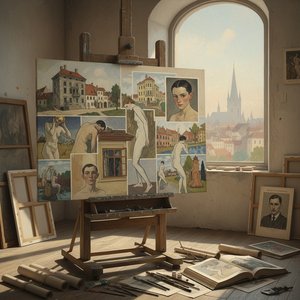
Egon Schiele: 25 Remek-dela Ekspresionizma za Vaš Dom | OriginalUniqueArt
Istražite 25 remek-dela Egona Schielea – ekspresionističkih portreta i slika koje odražavaju duboke emocije. Kupite reprodukcije vrhunskog kvaliteta za dekoraciju enterijera na OriginalUniqueArt.com! Otkrijte celu kolekciju online.

