
 Pregledaj u prostoru
 Pošalji
 Podeli
 Detalji o delu

 Преузми
 Slični predmeti
 Rendgenski snimak
 Slajdovi
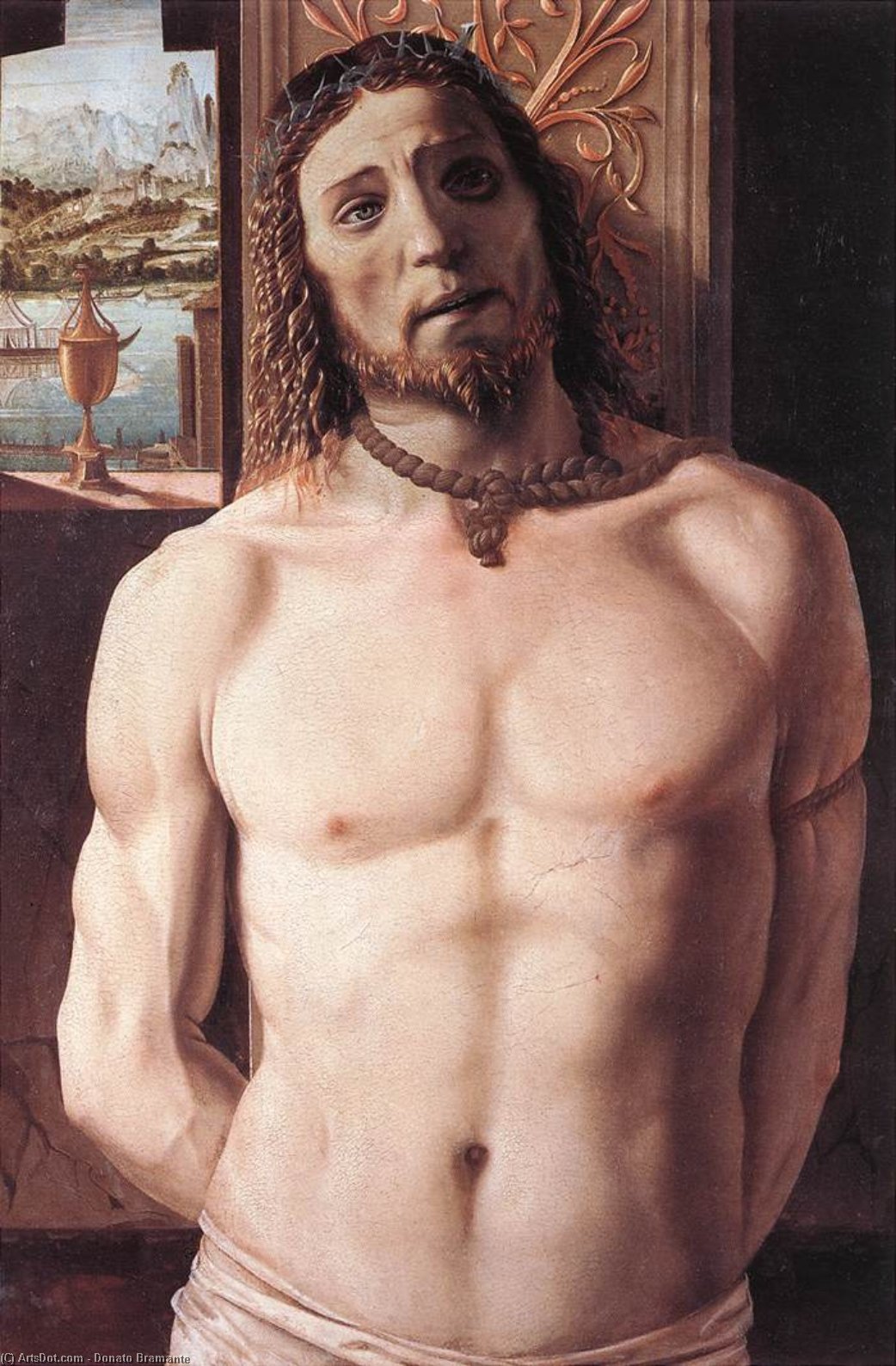
Christ at the Column
 Acrylic On Canvas
- WallArt
 1490
1490 93.0 x 62.0 cm
 Pinacoteca di Brera
 Pročitaj više
Kupite digitalnu sliku visoke rezolucije i poboljšanog kvaliteta, koja je znatno superiornija od onoga što vidite u online prikazu.
Svaka datoteka je pedantno pripremljena od strane naših stručnjaka koristeći napredne alate i profesionalnu ručnu retušu. Osiguravamo da svaka slika ima izuzetnu oštrinu, preciznu reprodukciju boja i fine detalje.
Konačna datoteka se dostavlja putem e-pošte u roku od 72 sata, optimizovana za neposrednu upotrebu u profesionalnim, izdavačkim i štamparskim okruženjima. To je isti kvalitet kojem veruju vrhunski studiji dizajna, izdavači i galerije.
Digitalna slika
Preuzmite datoteku visoke rezolucije za ličnu upotrebu, štampanje i kreativne projekte. ( Kupi print Kupi ručno naslikanu sliku)
Uključeno uz svaku porudžbinu digitalne slike
Profesionalna digitalna isporuka, zagarantovana
Kada odaberete OriginalUniqueArt.com, ne dobijate samo sliku – vi primate profesionalno unapređeno digitalno umetničko delo, izrađeno sa najvećom preciznošću i uz garanciju zadovoljstva. Evo svega što automatski dolazi uz vašu porudžbinu:

Brza dostava putem e-pošte
Vaša digitalna slika visoke rezolucije biće vam poslata putem e-pošte u roku od 72 sata od poručivanja – spremna za trenutnu upotrebu.

Digitalna datoteka unapređena veštačkom inteligencijom
Vaše umetničko delo je profesionalno optimizovano korišćenjem naprednih AI alata i ručne obrade, čime se osiguravaju maksimalni detalji, oštrina i preciznost boja.

Besplatna ponovna isporuka doživotno
Slučajno ste obrisali ili izgubili svoju datoteku? Ne brinite – poslaćemo vam je ponovo u bilo kom trenutku, potpuno besplatno.

Bez troškova uvoza – zauvek
Uživajte u svojim umetničkim delima trenutno, bez carine, dažbina ili troškova dostave – digitalni download je uvek bez poreza.

Garancija vernosti boja
Uz pomoć profesionalnih alata i upravljanja bojama, osiguravamo da vaša digitalna slika što vernije odražava originalne boje.

Garancija zadovoljstva u roku od 60 dana
Ako niste zadovoljni svojom digitalnom slikom, revidirat ćemo je ili vratiti 100% novca u roku od 60 dana – bez ikakvih pitanja.

100% garancija povrata novca
Niste zadovoljni? Obezbedite pun povrat novca u roku od 60 dana od trenutka kada ste primili svoju digitalnu datoteku – bez suvišnih pitanja.

Popusti na velike porudžbine
Kupite 3 slike, uštedite 10% - Kupite 5 slika, uštedite 15% - Kupite 10+ slika, uštedite 20%. Odlično za kreativne projekte, galerije i agencije.
Biografija umetnika
Petrus Christus: Premošćivanje jaz između srednjovekovne i renesansne umetnosti
Petrus Christus, ime koje je bilo uglavnom nepoznato vekovima, stoji kao ključna figura u tranziciji između kasnog gotičkog i ranog renesansnog umetničkog izraza Severne Evrope. Rođen oko 1410/1420 u Baarle, blizu Antwerpâ, a bio je najaktivniji u Brugiju od 1444. godine do smrti oko 1475/1476., Christusovo nasleđe ne leži u veličanstvenim, revolucionarnim delima, već u tiho inovativnom pristupu slikarstvu—pristupu koji je kombinovao pedantnu detaljnost sa tek usadnim osećajem volumena i perspektive. On predstavlja ključni most između visoko stilizovanih, iluminiranih rukopisa srednjovekovnog perioda i rastućeg naturalizma Renesanse, pokazujući neverovatnu sposobnost apsorpcije i adaptacije uticaja iz različitih izvora.
Rana životna priča Christusa ostaje donekle umotana u misteriju. Veruje se da je bio učenik Jana van Eycka, najslavljenijeg slikara svog vremena, iako je tačno priroda tog odnosa—da li kao pravi učenik ili samo student koji radi u radionici van Eycka—još uvek predmet rasprave među savremenicima. Pedantna detaljnost i precizno izlaganje evidentni u delu Christusa snažno ukazuju na uticaj revolucionarnog realizma van Eycka, posebno u njegovom majstorskom korišćenju uljanih boja. Međutim, za razliku od van Eycka, koji je često fokusirao na velike narative i religijske scene, Christus je brzo razvio karakterističan stil, definisan neverovatnom pažnjom posvećenom teksturama i površinama svojih subjekata—od kadifičnih plašta bogatih mecenata do nežnih preklapanja tkanine. Njegova rani dela su uglavnom naručena od rastuće trgovačke klase Brugija, što je odražavalo rastuće bogatstvo grada i međunarodnu trgovinu.
Majstor detalja: Tehnika i inovacija
Što odmah izdvaja slike Christusa jeste njegov izvanredan nivo detalja. Pedantno je prikazao svaki element—svaki šav na odeći, svaki bljesak metala, svaka pramen kose—sa gotovo opsesivnom preciznošću. Ovaj pristup odaje eho tehnikama korišćenim u iluminaciji rukopisa, gde su intrikatni detalji bili neophodni za prenošenje informacija i lepote. Međutim, za razliku od ravnog, dekorativnog stila iluminiranih rukopisa, Christus je koristio svoju pedantnu detaljnost da bi stvorio osećaj tridimensionalnosti—ključan korak ka renesansnom naturalizmu. Bio je među prvim umetnicima koji su ubedljivo prikazali volumen i prostor na dvodimenzionalnoj površini, primenjujući tehnike poput pažljivog posmatranja svetlosti i senke i sve sofisticiranije razumevanje perspektive.
Razvoj Christusa je posebno fascinantan kada se pogleda kroz prizmu naučne analize. Savremene istrage koje koriste X-radiografiju, infracrveno reflektografiranje i dendrochronološko datiranje otkrili su postepenu evoluciju njegove tehnike. Rani radovi pokazuju dokaze o podcrtavanjima—uobičajajna praksa u to vreme—ali kasniji portreti demonstriraju sve rafiniraniji pristup kompoziciji i perspektivi. To sugerišu da Christus nije samo kopirao postojeće stilove, već je aktivno eksperimentisao sa novim metodama reprezentacije, gurajući granice onoga što je bilo moguće unutar ograničenja srednjovekovnih umetničkih konvencija.
Utići i mecenatstvo
Christusov umetnički put oblikovan je složenom interakcijom uticaja. Kao što je ranije pomenuto, Jan van Eyck bez sumnje je igrao značajnu ulogu u njegovom ranom razvoju. Međutim, on je takođe crpeo inspiraciju od Rogiera van der Weydena, drugog istaknutog flamičkog slikara poznatog po svojim dramatičnim kompozicijama i ekspresivnim figurama. Štaviše, Christusov rad otkriva snažnu vezu sa umetničkim tradicijama Italije, posebno onima Antonella da Messina i drugih umetnika koji su radili u Mediteranskom regionu. Mnoge njegove narudžbine izvršile su italijanske trgovci i bankari koji su uspostavili prosperitetne trgovačke veze sa Brugijem, što je rezultiralo slikama koje često nose italijanski ili španski poreklo. Ova izloženost italijanskoj umetnosti—sa njenim naglaskom na boji, svetlosti i naturalizmu—jasno je uticala na stil Christusa.
Mecenatstvo bogatih građana Brugija, uključujući burgundskih vojvode, obezbedilo je Christusu stalni tok narudžbina. Česte posete vojvoda u Brugijem stvorile su živahno umetničko okruženje, privlačeći umetnike iz celog Evrope. Sposobnost Christusa da prilagodi svoj stil ukusima svojih mecenata—bez obzira da li su tražili formalni portret ili intimniju devocionalnu scenu—demonstruje njegovu svestranost i odgovornost na tržišne zahteve. Njegovi portreti, posebno, primetni su po svojoj psihološkoj dubini i suptilnim izrazima ličnosti.
Nasleđe i ponovno otkriće
Vekovima nakon njegove smrti, Petrus Christus ostao je uglavnom zaboravljen od strane umetničkih istoričara. Njegov rad je bio potcenjen kao eklektičan i derivativan, u senci više proslavljene figura poput Jana van Eycka i Hansa Memlinga. Međutim, krajem 19. veka, obnovljeni interes za severno renesansno slikarstvo doveo je do ponovne procene Christusovog opusa. Savremnici su počeli da prepoznaju njegove inovativne tehnike i njegov ključni ulogu u premošćivanju jaz između srednjovekovne i renesansne umetnosti. Danas, Petrus Christus sve je više cenjen kao jedan od najvažnijih i najuticajnijih slikarica ranog niderlandskog školstva—majstor čiji pedantni detalji i suptilne inovacije otvaraju put za umetničke dostignuća naknadnih generacija.
Njegovi preživeli radovi, uključujući Portret kartuzanca, Portret mlade devojke i nekoliko devocionalnih panela, nude upečatljiv pogled u umetnički svet Brugija XV veka—grad koji je služio kao vitalni raskrsnica između Evrope i Mediterana. Christusovo nasleđe ne leži u veličanstvenim spomenicima, već u tihoj brilijantnosti njegovih slika, koje nastavljaju da očaravaju gledaoce svojim neverovatnim detaljima, suptilnom lepotom i dubokim osećajem ljudskog prisustva.

Donato Bramanti
1444 - 1514 , Italija
Kratke činjenice
- Artistic Movement Or Style: Rani niderlandski
- Artists Or Movements Influenced By This Artist: ['Sandro Botticelli']
- Artists Who Influenced This Artist:
- Jan van Eyck
- Rogier van der Weyden
- Date Of Death: 1475/76
- Full Name: Petrus Christus
- Nationality: Flamanski
- Notable Artworks:
- Portret kartuzana
- Portret mlade devojke
- Place Of Birth: Baarle, Belgija

