
 Pregledaj u prostoru
 Pošalji
 Podeli
 Detalji o delu
 Vodič
Vodič

 Preuzmi
 Slični predmeti
 Rendgenski snimak
 Automatska prezentacija
 Pitanja i odgovori
 Statistika
Madonna with the Child


 Pročitaj više
Giclee štampa / Umetnički otisak
Giclée štampa ili print na platnu muzejskog kvaliteta uz brzu izradu i raznovrsne opcije završne obrade. ( Kupite ručno oslikano delo Pređi na digitalnu sliku)




P118B дин10

P118H дин10

P118W дин10

P438Z дин10

P508JH дин12

P508YH дин12

P805H дин10

P805Z дин10

P919BZ дин10

P919G дин10

P919XJ дин10

P959ZH дин10

P968JZ дин12

W106C дин8

W218G дин10

W218JH дин8

W218Y дин10

W307PJ дин10

W316G дин10

W316PJ дин8

W316Y дин10

W398PJ дин8

W4111J дин10

W500HY дин15

W500JH дин15

W692G дин12

W849H дин8

W940BG дин15

W953PJ дин8




Izaberite jednu od naših unapred definisanih veličina koje odgovaraju originalnim proporcijama umetničkog dela.

Unesite željenu širinu i visinu kako bi se štampa uklopila u vaš ram ili zid. Štampu je moguće samo iseći, ali nikada povećati iznad dimenzija originalne slike, stoga format sa drugačijim proporcijama uzrokuje gubitak dela slike. Pre početka štampe, poslaćemo vam digitalni prikaz radi potvrde. Slika prikazana na ovoj stranici ne predstavlja stvarni isrez — to pokazuje samo digitalni prikaz.
Dostava širom sveta () za 2 nedelje umesto uobičajenih 4/5 nedelja. (5 новембар)

Besplatna ekspresna dostava širom sveta

Visokokvalitetno laneno platno

Potpuno osiguranje transporta

Garancija povraćaja carine i uvoznih dažbina

Garancija vernosti boja

Politika povraćaja u roku od 100 dana (samo u slučaju nedostataka)

Garancija povrata 100% novca

Popust na više proizvoda
 Opcija sa staklom dostupna je samo za dimenzije manje od 110 cm

Madonna with the Child
Giclee štampa / Umetnički otisak
Dimenzije reprodukcije
-


Ukupna cena
дин 8454
A Divine Encounter: The Early Renaissance Vision of Donatello’s Madonna
Donatello's Madonna with the Child, sculpted in 1448 for the High Altar of the Basilica di Sant’Antonio in Padua, isn’t merely a depiction of Mary and Jesus; it’s a profound statement about faith, humanity, and the burgeoning spirit of the Early Renaissance. Far removed from the stylized piety of preceding generations, this sculpture embodies a newfound realism and emotional depth that would forever alter the course of Western art. Commissioned during a period of intense artistic and intellectual ferment in Florence, it reflects a shift towards celebrating human experience within a religious context – a subtle yet revolutionary change.
The statue immediately captivates with its intimate portrayal of the Virgin holding her infant son. Donatello masterfully captures the delicate curve of Mary’s neck as she gazes down at Jesus, his tiny hand resting gently on hers. This isn't a distant, ethereal figure; it’s a mother in palpable connection with her child, radiating warmth and tenderness. The crown adorning Mary’s head – a deliberate reference to the biblical imagery of the Queen of Heaven – subtly elevates her status while simultaneously grounding her in human reality. The inclusion of the scepter and shield further reinforces this duality: she is both divine and profoundly relatable.
- Material & Technique: Crafted from white marble, the sculpture showcases Donatello’s exceptional skill in capturing texture and form. The smooth surface of Mary's robes contrasts beautifully with the slightly rougher texture of Jesus’ skin, creating a dynamic interplay of visual interest.
- Compositional Innovation: Unlike many earlier depictions of the Madonna and Child, Donatello places Mary and Jesus within a relatively shallow space, drawing the viewer directly into their embrace. This intimate arrangement fosters a sense of immediacy and connection.
The Influence of Classical Antiquity
Donatello’s work is deeply rooted in the rediscovery of classical sculpture – a defining characteristic of the Renaissance. He studied the works of ancient Greek and Roman sculptors, particularly their emphasis on human anatomy and realistic portrayal. This influence is evident in the idealized beauty of Mary's figure, reminiscent of classical goddesses. The contrapposto pose—where the weight shifts to one leg, creating a natural curve in the body—is another clear example of this classical inspiration.
However, Donatello doesn’t simply imitate antiquity; he adapts and transforms it to suit his own artistic vision. He imbues the sculpture with a distinctly Christian sensibility, imbuing the figures with an emotional intensity that transcends mere imitation. The subtle expressions on their faces—a hint of serenity in Mary's gaze, a quiet contemplation in Jesus’ expression—speak volumes about the profound spiritual connection between mother and child.
A Window into Renaissance Florence
The Madonna with the Child was created during a period of immense social and political change in Florence. The Medici family, powerful patrons of the arts, were instrumental in fostering an environment where artistic innovation flourished. Donatello’s sculpture reflects this spirit of experimentation and creativity, pushing the boundaries of traditional religious art.
Further research reveals that this piece was part of a larger altarpiece intended for the Basilica di Sant'Antonio, alongside works by other prominent artists like Andrea del Verrocchio and Giovanni di Tura. The entire composition aimed to create a visually stunning and spiritually uplifting experience for worshippers. The presence of other figures – children surrounding Mary – suggests a broader theme of family, community, and divine grace.
Symbolism and Emotional Resonance
Beyond its technical brilliance, the sculpture is rich in symbolism. The crown signifies Mary’s role as Queen of Heaven, while the scepter and shield represent her authority and protection. The inclusion of children reinforces the theme of family and the promise of new life. But perhaps most powerfully, the image evokes a sense of profound love, tenderness, and spiritual connection – emotions that resonate deeply with viewers across centuries.
Today, reproductions of Donatello’s Madonna with the Child continue to inspire artists and designers alike. Its timeless beauty and emotional depth make it a truly remarkable masterpiece of the Early Renaissance—a testament to the enduring power of art to capture the essence of human experience.
Pitanja i odgovori
Koliko su boje dela "Madonna with the Child" međusobno u harmoniji?
Harmonija boja dela "Madonna with the Child" opisana je kao Strong Color Unity.
Šta prikazuje „Madonna with the Child”, autor Donato?
Teme prisutne u delu „Madonna with the Child”, autor Donato obuhvataju madonna, child, renaissance, sculpture, religion, mary, bronze, italian art, što zajedno sažima suštinu ovog umetničkog dela.
Kolika je zasićenost i intenzitet boja u delu „Madonna with the Child”, autor Donato?
„Madonna with the Child”, autor Donato je zabeležen sa Muted zasićenosti i Monochromatic intenzitetom.
Biografija umetnika
rani život i karijera
Donato di Niccolò di Betto Bardi, širom sveta poznat kao Donatello, rođen je u Firenci, u Italiji, oko 1386. godine. Njegovo proučavanje klasične skulpture duboko je oblikovalo razvoj njegovog autentičnog stila ranog renesansa, donoseći novu viziju umetnosti i kulture koja će vremenom postati sam obeležje firentinske renesanse.ključna dela i inovacije
Donatellovo najslavnije delo, David, predstavlja prvu slobodnostostoctanu mušku nagu skulpturu još od antičkog doba. Ovaj rad, koji je naručila moćna porodica Mediči, postavio je nove standarde prikazujući njegov inovativni stil i vrhunsku tehničku veštinu. Među drugim značajnim remek-delima izdvajaju se:- Sveti Luis Tuluški (sada u muzeju bazilike Santa Croce), koji krasi klasični okvir koji je sam Donatello dizajnirao.
- Žrtvovanje Isaka, stvoreno za zvonik Santa Maria del Fiore u Firenci, odlikovano snažnim portretnim detaljima.
- Krast (1425) za Santa Croce, koji je prikazao Hrista u trenutku neizmerne patnje.
umetnički stil i nasleđe
Donatellov umetnički put može se podeliti na šire faze, počevši od razvoja izražajnosti do klasične monumentalnosti. Iako njegovo delo u početku nije odmah prihvaćeno od strane zajednice, ono je vremenom postalo najpopularnije, snažno utičući na druge italijanske dvore i evropske umetnike. ključni umetnički pokreti:privatni život i način rada
Donatello je bio poznat kao ljubazan i voljen čovek, ali je pokazivao nedostatke u poslovnom delu svoje karijere. Često je prihvatao više porudžbina nego što je mogao da obradi, zbog čega su dela često kasnila ili su mu ih drugi vajari prepuštali da završe. značajna umetnička dela i umetnici:- Leonardo da Vinci: Javisanje (detalj)
- Amico Aspertini: Statua Pana / Lav koji grize konja
- Michelangelo Buonarroti: Tondo Pitt
muzeji i umetničke kolekcije:
- Museo della Collegiata (Empoli, Italija): skriveni dragulj renesanse, koji čuva dela umetnika kao što su Francesco Botticini i Raffaello Botticini.
- pokret rane italijanske renesanse

Donato
1386 - 1466 , Italija
Osnovne informacije
- Artistic Movement Or Style: Rana renesansa
- Artists Or Movements Influenced By This Artist:
- Italijanska renesansa
- Rana renesansa
- Firentinska renesansa
- Artists Who Influenced This Artist: ['Klasična skulptura']
- Date Of Birth: oko 1386.
- Date Of Death: 1466.
- Full Name: Donatelo di Nikolo
- Nationality: Italijan
- Notable Artworks:
- David
- Sveti Luis iz Tuluze
- Isakov žrtvovanje
- Razapinje
- Place Of Birth: Firenca, Italija
Povezani članci

The Enduring Legacy of Bronze: A Historical & Artistic Exploration for the Collector
Explore the rich history & enduring appeal of bronze sculpture with expert insights for collectors at OriginalUniqueArt. Learn about casting techniques, iconic artists, collecting tips & contemporary interpretations.

Bronze Age to Modern Masters: 10 Sculptures That Redefined Art | OriginalUniqueArt
Journey through art history with 10 legendary bronze sculptures – from Michelangelo's David to Rodin’s Thinker. Explore the stories, techniques & timeless beauty of these masterpieces. Find museum-quality reproductions & elevate your home decor on OriginalUniqueArt.com.
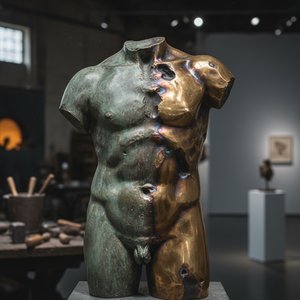
Nasleđe bronze: Istorija, tehnike i savremene interpretacije skulpture – vodič za kolekcionare
Istražite bogatu istoriju bronze i tehnike livenja skulptura. Saveti za kolekcionare, investiciono vrednovanje i savremene interpretacije aluminijumske bronze. OriginalUniqueArt – stručnjaci za umetnost.

Bronze Sculptures That Defined Art History | OriginalUniqueArt
Journey through art history with our Top 10 bronze sculptures! Explore masterpieces by Rodin, Michelangelo & more. Discover stories behind iconic statues and find museum-quality reproductions for your home decor at OriginalUniqueArt.com.

The Enduring Legacy of Bronze: History, Technique & Artistic Expression for the Collector
Explore the rich history & enduring appeal of bronze sculpture with expert insights for collectors at OriginalUniqueArt. Learn about casting techniques, iconic artists, and collecting tips.