
 Pošalji
 Podeli
 Detalji o delu
 Vodič
Vodič

 Preuzmi
 Slični predmeti
 Automatska prezentacija
 Q&A
Q&A Statistika
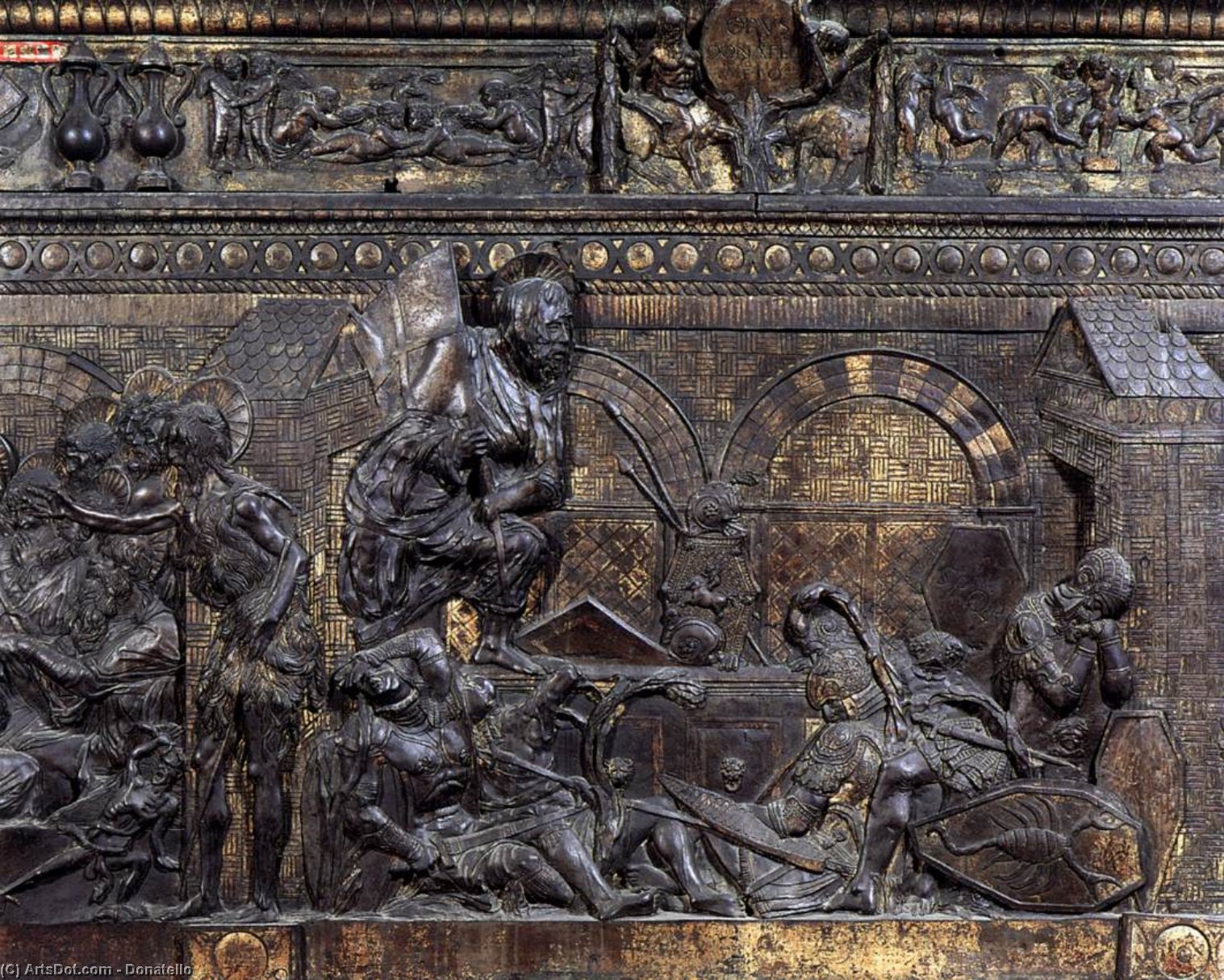
Christ before Pilate and Caiaphas


 Pročitaj više
Giclee štampa / Umetnički otisak
Giclée štampa ili print na platnu muzejskog kvaliteta uz brzu izradu i raznovrsne opcije završne obrade. ( Kupite ručno oslikano delo Pređi na digitalnu sliku)




































Izaberite jednu od naših unapred definisanih veličina koje odgovaraju originalnim proporcijama umetničkog dela.

Unesite željenu širinu i visinu kako bi se štampa uklopila u vaš ram ili zid. Štampu je moguće samo iseći, ali nikada povećati iznad dimenzija originalne slike, stoga format sa drugačijim proporcijama uzrokuje gubitak dela slike. Pre početka štampe, poslaćemo vam digitalni prikaz radi potvrde. Slika prikazana na ovoj stranici ne predstavlja stvarni isrez — to pokazuje samo digitalni prikaz.
Dostava širom sveta () za 2 nedelje umesto uobičajenih 4/5 nedelja. (29 октобар)

Besplatna ekspresna dostava širom sveta

Visokokvalitetno laneno platno

Potpuno osiguranje transporta

Garancija povraćaja carine i uvoznih dažbina

Garancija vernosti boja

Politika povraćaja u roku od 100 dana (samo u slučaju nedostataka)

Garancija povrata 100% novca

Popust na više proizvoda
 Opcija sa staklom dostupna je samo za dimenzije manje od 110 cm

Christ before Pilate and Caiaphas
Giclee štampa / Umetnički otisak
Dimenzije reprodukcije
-


Ukupna cena
дин 8287
Donatello’s ‘Christ Before Pilate and Caiaphas’: A Crucible of Renaissance Emotion
Donatello's 1460 bronze sculpture, “Christ Before Pilate and Caiaphas,” stands as a monumental achievement within the burgeoning artistic landscape of the Italian Renaissance. Housed in the San Lorenzo museum in Florence, this work transcends mere biblical representation; it’s a visceral exploration of human drama, political intrigue, and spiritual torment – a testament to Donatello's revolutionary approach to sculpture that profoundly shaped the course of Western art. The sheer density of figures, meticulously rendered in warm bronze tones, immediately draws the viewer into the heart of the scene: Christ, positioned at the apex of the composition, confronts the Roman governor and the Jewish high priest, their faces etched with a potent blend of authority, doubt, and perhaps even veiled judgment.
- A Masterclass in Renaissance Realism: Donatello’s genius lies not just in his technical skill but in his ability to imbue stone – or in this case, bronze – with palpable emotion. The figures are not idealized abstractions; they possess a raw humanity, evident in the strained expressions and subtly shifting postures that convey the weight of the moment.
- The Power of Bronze Casting: The sculpture’s creation involved the complex process of bronze casting, a technique perfected by Donatello himself. This method, utilizing molds and molten metal, allowed for incredible detail – from the folds of Christ's garment to the stern features of Pilate – while simultaneously lending the piece an inherent sense of age and gravitas.
Historical Context and Symbolism
Created during a period of intense religious and political upheaval, “Christ Before Pilate and Caiaphas” reflects the anxieties and tensions of its time. The Renaissance was witnessing a renewed interest in classical antiquity, yet simultaneously grappling with the profound questions posed by Christianity. Donatello’s depiction of Christ is deliberately ambiguous, refusing to offer easy answers or simplistic moral judgments. The scene isn't merely a historical record; it’s an allegory for human fallibility and the struggle between good and evil. The inclusion of Roman soldiers and Jewish leaders underscores the political context of Christ’s trial – a microcosm of power struggles and accusations.
- Pilate’s Hesitation: Pilate's posture, often interpreted as one of reluctant compromise, is particularly compelling. His hands are clasped in a gesture of uncertainty, suggesting the moral dilemma he faced.
- Caiaphas’s Sternness: Conversely, Caiaphas embodies unwavering authority and religious zeal, his gaze fixed upon Christ with an expression of resolute condemnation.
Technique and Materiality
Donatello's mastery is immediately apparent in the sculpture’s surface treatment. The bronze has been skillfully patinated to achieve a rich, aged appearance, enhancing the sense of history and lending a tactile quality to the work. The artist employed strong lines to define the figures and their drapery, while finer details – such as the expressions on Christ's face and the folds in Pilate’s toga – are rendered with remarkable precision. The use of light and shadow further emphasizes the three-dimensionality of the sculpture, creating a dramatic effect that draws the viewer into the scene. The choice of bronze itself was significant; it was a material associated with strength, durability, and divine authority, perfectly suited to represent this pivotal moment in Christian history.
A Legacy of Innovation
"Christ Before Pilate and Caiaphas" is more than just a beautiful sculpture; it’s a cornerstone of Renaissance art. Donatello's innovative approach – his emphasis on realism, emotional expression, and the exploration of complex human themes – paved the way for generations of artists to come. Its influence can be seen in countless subsequent works, solidifying its place as one of the most important sculptures of the era. A hand-painted reproduction offers a remarkable opportunity to experience this masterpiece firsthand, bringing its power and beauty into your own space.
Pitanja i odgovori
Koliko su boje dela "Christ before Pilate and Caiaphas" međusobno u harmoniji?
Harmonija boja dela "Christ before Pilate and Caiaphas" opisana je kao Discordant Palette.
Kako mogu da pronađem dela koja su slična delu „Christ before Pilate and Caiaphas”, autor Donato?
Umetnicka dela slična delu „Christ before Pilate and Caiaphas”, autor Donato prikupljena su na stranici Slična dela ovog umetničkog dela.
Koja veličina štampe za "Christ before Pilate and Caiaphas" bi najbolje odgovarala mojoj prostoriji?
Za prostoriju kao što je Living Room, za delo "Christ before Pilate and Caiaphas" preporučujemo štampu u veličini od Large.
Biografija umetnika
rani život i karijera
Donato di Niccolò di Betto Bardi, širom sveta poznat kao Donatello, rođen je u Firenci, u Italiji, oko 1386. godine. Njegovo proučavanje klasične skulpture duboko je oblikovalo razvoj njegovog autentičnog stila ranog renesansa, donoseći novu viziju umetnosti i kulture koja će vremenom postati sam obeležje firentinske renesanse.ključna dela i inovacije
Donatellovo najslavnije delo, David, predstavlja prvu slobodnostostoctanu mušku nagu skulpturu još od antičkog doba. Ovaj rad, koji je naručila moćna porodica Mediči, postavio je nove standarde prikazujući njegov inovativni stil i vrhunsku tehničku veštinu. Među drugim značajnim remek-delima izdvajaju se:- Sveti Luis Tuluški (sada u muzeju bazilike Santa Croce), koji krasi klasični okvir koji je sam Donatello dizajnirao.
- Žrtvovanje Isaka, stvoreno za zvonik Santa Maria del Fiore u Firenci, odlikovano snažnim portretnim detaljima.
- Krast (1425) za Santa Croce, koji je prikazao Hrista u trenutku neizmerne patnje.
umetnički stil i nasleđe
Donatellov umetnički put može se podeliti na šire faze, počevši od razvoja izražajnosti do klasične monumentalnosti. Iako njegovo delo u početku nije odmah prihvaćeno od strane zajednice, ono je vremenom postalo najpopularnije, snažno utičući na druge italijanske dvore i evropske umetnike. ključni umetnički pokreti:privatni život i način rada
Donatello je bio poznat kao ljubazan i voljen čovek, ali je pokazivao nedostatke u poslovnom delu svoje karijere. Često je prihvatao više porudžbina nego što je mogao da obradi, zbog čega su dela često kasnila ili su mu ih drugi vajari prepuštali da završe. značajna umetnička dela i umetnici:- Leonardo da Vinci: Javisanje (detalj)
- Amico Aspertini: Statua Pana / Lav koji grize konja
- Michelangelo Buonarroti: Tondo Pitt
muzeji i umetničke kolekcije:
- Museo della Collegiata (Empoli, Italija): skriveni dragulj renesanse, koji čuva dela umetnika kao što su Francesco Botticini i Raffaello Botticini.
- pokret rane italijanske renesanse

Donato
1386 - 1466 , Italija
Osnovne informacije
- Artistic Movement Or Style: Rana renesansa
- Artists Or Movements Influenced By This Artist:
- Italijanska renesansa
- Rana renesansa
- Firentinska renesansa
- Artists Who Influenced This Artist: ['Klasična skulptura']
- Date Of Birth: oko 1386.
- Date Of Death: 1466.
- Full Name: Donatelo di Nikolo
- Nationality: Italijan
- Notable Artworks:
- David
- Sveti Luis iz Tuluze
- Isakov žrtvovanje
- Razapinje
- Place Of Birth: Firenca, Italija
Povezani članci

The Enduring Form: Sculpture Across History, Technique & Emotional Resonance
Explore the rich history of sculpture with OriginalUniqueArt. Discover key techniques, influential artists & investment potential for discerning collectors. Expert insights into valuing and collecting timeless masterpieces.

Bronze Sculptures That Defined Art History | OriginalUniqueArt
Journey through art history with our Top 10 bronze sculptures! Explore masterpieces by Rodin, Michelangelo & more. Discover stories behind iconic statues and find museum-quality reproductions for your home decor at OriginalUniqueArt.com.
Nasleđe bronze: Istorija, tehnike i savremene interpretacije skulpture – vodič za kolekcionare
Istražite bogatu istoriju bronze i tehnike livenja skulptura. Saveti za kolekcionare, investiciono vrednovanje i savremene interpretacije aluminijumske bronze. OriginalUniqueArt – stručnjaci za umetnost.

The Enduring Form: Exploring Themes & Techniques in Sculpture Across Historical Periods
Explore the rich history of sculpture from ancient masterpieces to contemporary innovations. Discover key techniques, influential artists & investment potential for discerning art collectors.

Bronze Age to Modern Masters: 10 Sculptures That Redefined Art | OriginalUniqueArt
Journey through art history with 10 legendary bronze sculptures – from Michelangelo's David to Rodin’s Thinker. Explore the stories, techniques & timeless beauty of these masterpieces. Find museum-quality reproductions & elevate your home decor on OriginalUniqueArt.com.