

 Pregledaj u prostoru
 Podeli
 Podeli
 Detalji
 Vodič
Vodič

 Preuzmi sliku
 Slični predmeti
 Rendgenski snimak
 Automatska prezentacija
 Statistika
Cantoria (9)
 Acrylic On Canvas
- WallArt
- Early Renaissance
 1439
1439 348.0 x 570.0 cm
 Museo dell'Opera del Duomo
 Pročitaj više
Ručno rađena uljana reprodukcija
Ručno oslikano uljanim bojama na platnu u dimenzijama i okviru po vašem izboru, izrađeno po porudžbini od strane naših umetnika. ( Pređi na prodaju štampanih primeraka Pređi na prodaju digitalnih slika)




P118B дин10

P118H дин10

P118W дин10

P438Z дин10

P508JH дин12

P508YH дин12

P805H дин10

P805Z дин10

P919BZ дин10

P919G дин10

P919XJ дин10

P959ZH дин10

P968JZ дин12

W106C дин8

W218G дин10

W218JH дин8

W218Y дин10

W307PJ дин10

W316G дин10

W316PJ дин8

W316Y дин10

W398PJ дин8

W4111J дин10

W500HY дин15

W500JH дин15

W692G дин12

W849H дин8

W940BG дин15

W953PJ дин8




Izaberite jednu od naših unapred definisanih veličina koje odgovaraju originalnim proporcijama umetničkog dela.

Unesite širinu i visinu koja vam je potrebna, kako bi se uklopili u vaš ram ili zid. Pošto je ovo ručno oslikano delo, umetnik može naslikati malo više prostora oko slike ili malo skratiti ivice za dimenzije drugačijeg oblika — izbor je na vama. Pre početka rada, poslaćemo vam digitalni prikaz radi potvrde. Slika prikazana na ovoj stranici ne predstavlja konačan rezultat — samo digitalni prikaz pokazuje stvarnu sliku.
Nakon narudžbine, tim OriginalUniqueArt.com će klijentu putem e-pošte poslati uputstva i dostaviti prikaz predloženog rešenja
Svetska isporuka () za 3/4 nedelje umesto uobičajenih 5 nedelja. (22 октобар). Bez kompromisa po pitanju kvaliteta.

Besplatna ekspresna dostava širom sveta

Visokokvalitetno laneno platno

Sveobuhvatno osiguranje transporta

Garancija povraćaja carine i uvoznih dažbina

Garancija vernosti boja i autentičnosti pri reprodukciji

Politika povraćaja u roku od 100 dana (samo u slučaju nedostataka)

Garancija povrata 100% novca

Popust pri većoj količini
 Opcija sa staklom dostupna je samo za dimenzije manje od 110 cm

Cantoria (9)
Tehnika izrade reprodukcije
Veličina reprodukcije
-


Ukupna cena
дин 30850
The Echoes of Florence: Donatello’s Cantoria
Donatello's "Cantoria," completed in 1439 for the Duomo of Florence, isn’t merely a decorative element; it’s a vibrant embodiment of Renaissance ideals – a testament to human ingenuity, divine harmony, and the burgeoning spirit of artistic innovation. Originally intended as a housing for the cathedral’s organ, the Cantoria quickly transcended its functional purpose, becoming an iconic sculpture that captures the essence of Florentine life in the mid-15th century. The piece is a masterful display of relief carving, executed with astonishing detail and imbued with a palpable sense of movement and drama. It's a window into a world where music, faith, and human form converged in breathtaking splendor.
The sculpture depicts a throng of dancing angels, each rendered with exquisite individuality. They aren’t static figures; they are caught mid-gesture, their limbs flowing with an almost impossible grace. Donatello masterfully employed the technique of *schiacciato*, or “flattened relief,” pushing the sculpted forms slightly into the background, creating a remarkable illusion of depth and volume. This technique, pioneered by Donatello himself, allowed him to capture the dynamism of movement within a relatively shallow space – a revolutionary approach at the time. The figures are not idealized; they possess a tangible humanity, their faces expressing a range of emotions—joy, contemplation, and even a hint of mischievous delight. The sheer number of angels, numbering over 30, speaks to the ambition of the project and Donatello’s desire to celebrate the glory of God through artistic expression.
A Symphony of Materials and Technique
Donatello's choice of materials further elevates the Cantoria’s impact. The sculpture is carved from white marble, a material prized for its purity and luminosity. The intricate details are achieved through a combination of hand-tooling and precise chiseling, revealing the sculptor’s incredible skill and patience. However, Donatello didn't rely solely on stone; he incorporated gilded mosaics into the background, adding splashes of vibrant color that further enhance the sense of spectacle and divine splendor. The gold leaf reflects light beautifully, creating a shimmering effect that draws the eye and adds to the overall richness of the composition. The use of mosaic was particularly significant, reflecting the Florentine tradition of lavish decoration in religious spaces.
Beyond the technical mastery, "Cantoria" showcases Donatello’s innovative approach to depicting human movement. He studied classical sculpture extensively, but he wasn't simply replicating ancient forms; he was adapting them to his own artistic vision. The angels are not posed stiffly like their Greek counterparts; they are caught in moments of exuberant dance, conveying a sense of joyous energy and vitality. This departure from rigid formality reflects the Renaissance emphasis on humanism – a belief that humans were capable of achieving greatness and expressing themselves through art.
Symbolism and Context
The Cantoria is deeply rooted in Florentine religious and cultural context. The choice of angels as the subject matter underscores the importance of music and song in the celebration of God’s glory. In medieval times, choirs often sang hymns during Mass, and the Cantoria was intended to provide a visually stunning backdrop for this sacred activity. The sculpture also reflects the humanist ideals that were gaining prominence during the Renaissance – a renewed interest in classical art and philosophy. Donatello's depiction of the angels is informed by both classical mythology and Christian theology, creating a harmonious blend of ancient and modern influences.
Furthermore, the Cantoria’s placement within the Duomo—the largest cathedral in Florence—signified its importance. The sculpture served as a visual representation of the city's commitment to art and culture, demonstrating its wealth and influence. It was a bold statement that Florence was at the forefront of artistic innovation during the Renaissance.
A Legacy of Innovation
“Cantoria” remains one of Donatello’s most celebrated works, admired for its technical brilliance, expressive power, and profound symbolism. It represents a pivotal moment in the history of Western art – a transition from the Gothic style to the Early Renaissance, marked by a renewed interest in classical ideals and a celebration of human potential. The sculpture's influence can be seen in countless subsequent works of art, demonstrating Donatello’s enduring legacy as one of the greatest sculptors of all time. Reproductions of this magnificent piece offer a tangible connection to this extraordinary period of artistic achievement, allowing us to experience the beauty and power of Renaissance Florence.
Pitanja i odgovori
Kako mogu da preuzmem sliku dela „Cantoria (9)”, Donato?
„Cantoria (9)”, Donato možete preuzeti na stranici za Preuzimanje ovog dela, kao preuzimanje digitalne slike visoke rezolucije.
Ko je kreirao "Cantoria (9)" i u kojoj godini?
Delo "Cantoria (9)" delo je umetnika Donato iz 1439. godine.
Za koji prostor je predložen rad „Cantoria (9)”, Donato?
Preporučeni prostor za „Cantoria (9)”, Donato je Living Room. Ovaj predlog se, naravno, može prilagoditi vašem enterijeru.
Biografija umetnika
rani život i karijera
Donato di Niccolò di Betto Bardi, širom sveta poznat kao Donatello, rođen je u Firenci, u Italiji, oko 1386. godine. Njegovo proučavanje klasične skulpture duboko je oblikovalo razvoj njegovog autentičnog stila ranog renesansa, donoseći novu viziju umetnosti i kulture koja će vremenom postati sam obeležje firentinske renesanse.ključna dela i inovacije
Donatellovo najslavnije delo, David, predstavlja prvu slobodnostostoctanu mušku nagu skulpturu još od antičkog doba. Ovaj rad, koji je naručila moćna porodica Mediči, postavio je nove standarde prikazujući njegov inovativni stil i vrhunsku tehničku veštinu. Među drugim značajnim remek-delima izdvajaju se:- Sveti Luis Tuluški (sada u muzeju bazilike Santa Croce), koji krasi klasični okvir koji je sam Donatello dizajnirao.
- Žrtvovanje Isaka, stvoreno za zvonik Santa Maria del Fiore u Firenci, odlikovano snažnim portretnim detaljima.
- Krast (1425) za Santa Croce, koji je prikazao Hrista u trenutku neizmerne patnje.
umetnički stil i nasleđe
Donatellov umetnički put može se podeliti na šire faze, počevši od razvoja izražajnosti do klasične monumentalnosti. Iako njegovo delo u početku nije odmah prihvaćeno od strane zajednice, ono je vremenom postalo najpopularnije, snažno utičući na druge italijanske dvore i evropske umetnike. ključni umetnički pokreti:privatni život i način rada
Donatello je bio poznat kao ljubazan i voljen čovek, ali je pokazivao nedostatke u poslovnom delu svoje karijere. Često je prihvatao više porudžbina nego što je mogao da obradi, zbog čega su dela često kasnila ili su mu ih drugi vajari prepuštali da završe. značajna umetnička dela i umetnici:- Leonardo da Vinci: Javisanje (detalj)
- Amico Aspertini: Statua Pana / Lav koji grize konja
- Michelangelo Buonarroti: Tondo Pitt
muzeji i umetničke kolekcije:
- Museo della Collegiata (Empoli, Italija): skriveni dragulj renesanse, koji čuva dela umetnika kao što su Francesco Botticini i Raffaello Botticini.
- pokret rane italijanske renesanse

Donato
1386 - 1466 , Italija
Brzi pregled
- Artistic Movement Or Style: Rana renesansa
- Artists Or Movements Influenced By This Artist:
- Italijanska renesansa
- Rana renesansa
- Firentinska renesansa
- Artists Who Influenced This Artist: ['Klasična skulptura']
- Date Of Birth: oko 1386.
- Date Of Death: 1466.
- Full Name: Donatelo di Nikolo
- Nationality: Italijan
- Notable Artworks:
- David
- Sveti Luis iz Tuluze
- Isakov žrtvovanje
- Razapinje
- Place Of Birth: Firenca, Italija
Srodni članci

Bronze Age to Modern Masters: 10 Sculptures That Redefined Art | OriginalUniqueArt
Journey through art history with 10 legendary bronze sculptures – from Michelangelo's David to Rodin’s Thinker. Explore the stories, techniques & timeless beauty of these masterpieces. Find museum-quality reproductions & elevate your home decor on OriginalUniqueArt.com.

The Enduring Form: Exploring Themes & Techniques in Sculpture Across Historical Periods
Explore the rich history of sculpture from ancient masterpieces to contemporary innovations. Discover key techniques, influential artists & investment potential for discerning art collectors.
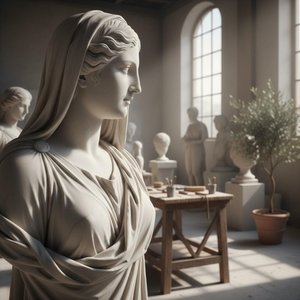
Timeless Elegance: A Complete Guide to the Sublime Beauty and Artistry of Marble Sculpture
Discover the sublime beauty of marble art through an expert exploration of Renaissance and Neoclassical masterpieces. From the delicate textures of Carpeaux to the grandeur of Sansovino, immerse yourself in a guide to timeless elegance and sculptural perfection.

The Enduring Allure of Marble in Art History: From Classical Sculpture to Modern Abstraction
Explore the captivating history of marble sculpture from ancient Greece to modern art. Discover renowned artists like Canova & Michelangelo, carving techniques, and investment insights at OriginalUniqueArt.

Bronze Sculptures That Defined Art History | OriginalUniqueArt
Journey through art history with our Top 10 bronze sculptures! Explore masterpieces by Rodin, Michelangelo & more. Discover stories behind iconic statues and find museum-quality reproductions for your home decor at OriginalUniqueArt.com.