
 Pregledaj u prostoru
 Pošalji
 Podeli
 Detalji o delu
 Vodič
Vodič

 Preuzmi
 Slični predmeti
 Rendgenski snimak
 Automatska prezentacija
 Q&A
Q&A Statistika
Agony in the Garden


 Pročitaj više
Giclee štampa / Umetnički otisak
Giclée štampa ili print na platnu muzejskog kvaliteta uz brzu izradu i raznovrsne opcije završne obrade. ( Kupite ručno oslikano delo Pređi na digitalnu sliku)




P118B дин10

P118H дин10

P118W дин10

P438Z дин10

P508JH дин12

P508YH дин12

P805H дин10

P805Z дин10

P919BZ дин10

P919G дин10

P919XJ дин10

P959ZH дин10

P968JZ дин12

W106C дин8

W218G дин10

W218JH дин8

W218Y дин10

W307PJ дин10

W316G дин10

W316PJ дин8

W316Y дин10

W398PJ дин8

W4111J дин10

W500HY дин15

W500JH дин15

W692G дин12

W849H дин8

W940BG дин15

W953PJ дин8




Izaberite jednu od naših unapred definisanih veličina koje odgovaraju originalnim proporcijama umetničkog dela.

Unesite željenu širinu i visinu kako bi se štampa uklopila u vaš ram ili zid. Štampu je moguće samo iseći, ali nikada povećati iznad dimenzija originalne slike, stoga format sa drugačijim proporcijama uzrokuje gubitak dela slike. Pre početka štampe, poslaćemo vam digitalni prikaz radi potvrde. Slika prikazana na ovoj stranici ne predstavlja stvarni isrez — to pokazuje samo digitalni prikaz.
Dostava širom sveta () za 2 nedelje umesto uobičajenih 4/5 nedelja. (2 новембар)

Besplatna ekspresna dostava širom sveta

Visokokvalitetno laneno platno

Potpuno osiguranje transporta

Garancija povraćaja carine i uvoznih dažbina

Garancija vernosti boja

Politika povraćaja u roku od 100 dana (samo u slučaju nedostataka)

Garancija povrata 100% novca

Popust na više proizvoda
 Opcija sa staklom dostupna je samo za dimenzije manje od 110 cm

Agony in the Garden
Giclee štampa / Umetnički otisak
Dimenzije reprodukcije
-


Ukupna cena
дин 8334
Donatello’s Agony in the Garden: A Renaissance Echo of Sorrow
Giovanni Bellini's "Agony in the Garden," housed within the venerable halls of the National Gallery, London, isn’t merely a depiction of a biblical scene; it’s a profound meditation on faith, doubt, and the weight of human suffering. Painted around 1459-1465 during the High Renaissance, this tempera panel offers a remarkably intimate glimpse into Christ's final hours before his arrest – a moment steeped in both spiritual anguish and impending doom. Bellini masterfully captures the atmosphere of profound sorrow, utilizing a subtle interplay of light, shadow, and meticulously rendered figures to evoke an emotional resonance that continues to captivate viewers centuries later.
The scene unfolds with arresting clarity: Christ, kneeling upon a natural rock formation resembling an altar, is enveloped in prayer. His posture—head bowed, hands raised—conveys a palpable sense of desperation as he wrestles with the knowledge of his impending sacrifice. Around him, his disciples – Peter, James, and John – slumber peacefully, oblivious to the turmoil consuming their master. The backdrop, featuring three distant hill settlements characteristic of Venetian landscapes, grounds the narrative in a recognizable earthly reality while simultaneously elevating it to a realm of spiritual significance. Bellini’s deliberate choice of composition—a carefully orchestrated balance between the divine and the human—is central to the painting's enduring power.
A Masterclass in Renaissance Technique
Bellini’s approach to this challenging subject matter is characterized by a remarkable sensitivity to light and texture. Unlike the more stark, geometrically precise style prevalent at the time, Bellini employs a technique that imbues the scene with an ethereal quality. He utilizes *tempera*, a fast-drying paint mixed with egg yolk, allowing for incredibly fine detail and subtle gradations of color. The layering of thin glazes creates a luminous surface, capturing the play of light on Christ’s garments and the surrounding landscape with breathtaking realism. Notice particularly the meticulous rendering of the tunic—its folds and textures conveying both its weight and the vulnerability of the figure within.
The artist's use of *gesso*, a plaster-like ground applied to the wooden panel, is equally noteworthy. This technique creates a smooth, reflective surface that enhances the vibrancy of the colors and contributes to the painting’s overall sense of depth. Bellini’s skill in manipulating these materials—tempera, gesso, and pigment—demonstrates his mastery of Renaissance artistic techniques and his ability to translate complex emotions onto a two-dimensional surface.
Symbolism and Emotional Resonance
Beyond its technical brilliance, “Agony in the Garden” is rich in symbolic meaning. The rock formation upon which Christ kneels serves as a potent metaphor for both sacrifice and divine grounding. The sleeping disciples represent humanity’s inability to fully comprehend or share in Christ's suffering—a poignant reminder of the limitations of human perception. The dawn light, subtly filtering through the scene, suggests not only the impending arrival of a new day but also the promise of redemption offered through Christ’s sacrifice.
The painting’s emotional impact is profound and enduring. Bellini doesn't simply depict an event; he conveys the *feeling* of anguish—the weight of responsibility, the fear of betrayal, and the acceptance of a predetermined fate. It’s a scene that invites contemplation on themes of faith, mortality, and the human condition. The painting resonates with viewers not just as a historical record but as a timeless expression of universal sorrow and hope.
Historical Context and Legacy
“Agony in the Garden” stands as a pivotal work within Bellini’s oeuvre and a significant example of Renaissance art. It reflects the artistic trends of Venice during this period, characterized by a synthesis of classical influences with a deep appreciation for naturalism and emotional expression. The painting's close relationship to Andrea Mantegna’s version—a work also housed in the National Gallery—highlights the shared artistic lineage and intellectual currents that shaped Renaissance art.
Bellini’s masterful depiction of this pivotal biblical scene has cemented its place as a cornerstone of Western art history. It continues to inspire artists, scholars, and viewers alike, serving as a powerful reminder of the enduring relevance of faith, suffering, and the human spirit. The painting's evocative atmosphere and technical brilliance ensure that “Agony in the Garden” will remain a treasured masterpiece for generations to come.
Pitanja i odgovori
Koja veličina reprodukcije se preporučuje za „Agony in the Garden”, autor Donato?
Preporučena veličina štampe za „Agony in the Garden”, autor Donato je Large.
Kakva su prava na reprodukciju dela "Agony in the Garden" u muzeju San Lorenzo?
Status autorskih prava za delo „Agony in the Garden”, autor Donato je jasan: rad pripada u javnom vlasništvu – autorska prava su istekla. Njegovo prisustvo u muzeju San Lorenzo ne menja taj status.
Gde mogu da kupim digitalnu verziju dela „Agony in the Garden”, autor Donato?
Digitalnu sliku dela „Agony in the Garden”, autor Donato možete kupiti na njegovoj stranici za Digitalna slika u visokoj rezoluciji: preuzimanje digitalne slike visoke rezolucije.
Biografija umetnika
rani život i karijera
Donato di Niccolò di Betto Bardi, širom sveta poznat kao Donatello, rođen je u Firenci, u Italiji, oko 1386. godine. Njegovo proučavanje klasične skulpture duboko je oblikovalo razvoj njegovog autentičnog stila ranog renesansa, donoseći novu viziju umetnosti i kulture koja će vremenom postati sam obeležje firentinske renesanse.ključna dela i inovacije
Donatellovo najslavnije delo, David, predstavlja prvu slobodnostostoctanu mušku nagu skulpturu još od antičkog doba. Ovaj rad, koji je naručila moćna porodica Mediči, postavio je nove standarde prikazujući njegov inovativni stil i vrhunsku tehničku veštinu. Među drugim značajnim remek-delima izdvajaju se:- Sveti Luis Tuluški (sada u muzeju bazilike Santa Croce), koji krasi klasični okvir koji je sam Donatello dizajnirao.
- Žrtvovanje Isaka, stvoreno za zvonik Santa Maria del Fiore u Firenci, odlikovano snažnim portretnim detaljima.
- Krast (1425) za Santa Croce, koji je prikazao Hrista u trenutku neizmerne patnje.
umetnički stil i nasleđe
Donatellov umetnički put može se podeliti na šire faze, počevši od razvoja izražajnosti do klasične monumentalnosti. Iako njegovo delo u početku nije odmah prihvaćeno od strane zajednice, ono je vremenom postalo najpopularnije, snažno utičući na druge italijanske dvore i evropske umetnike. ključni umetnički pokreti:privatni život i način rada
Donatello je bio poznat kao ljubazan i voljen čovek, ali je pokazivao nedostatke u poslovnom delu svoje karijere. Često je prihvatao više porudžbina nego što je mogao da obradi, zbog čega su dela često kasnila ili su mu ih drugi vajari prepuštali da završe. značajna umetnička dela i umetnici:- Leonardo da Vinci: Javisanje (detalj)
- Amico Aspertini: Statua Pana / Lav koji grize konja
- Michelangelo Buonarroti: Tondo Pitt
muzeji i umetničke kolekcije:
- Museo della Collegiata (Empoli, Italija): skriveni dragulj renesanse, koji čuva dela umetnika kao što su Francesco Botticini i Raffaello Botticini.
- pokret rane italijanske renesanse

Donato
1386 - 1466 , Italija
Osnovne informacije
- Artistic Movement Or Style: Rana renesansa
- Artists Or Movements Influenced By This Artist:
- Italijanska renesansa
- Rana renesansa
- Firentinska renesansa
- Artists Who Influenced This Artist: ['Klasična skulptura']
- Date Of Birth: oko 1386.
- Date Of Death: 1466.
- Full Name: Donatelo di Nikolo
- Nationality: Italijan
- Notable Artworks:
- David
- Sveti Luis iz Tuluze
- Isakov žrtvovanje
- Razapinje
- Place Of Birth: Firenca, Italija
Povezani članci

Bronze Age to Modern Masters: 10 Sculptures That Redefined Art | OriginalUniqueArt
Journey through art history with 10 legendary bronze sculptures – from Michelangelo's David to Rodin’s Thinker. Explore the stories, techniques & timeless beauty of these masterpieces. Find museum-quality reproductions & elevate your home decor on OriginalUniqueArt.com.

The Enduring Legacy of Bronze: A Historical & Artistic Exploration for the Collector
Explore the rich history & enduring appeal of bronze sculpture with expert insights for collectors at OriginalUniqueArt. Learn about casting techniques, iconic artists, collecting tips & contemporary interpretations.
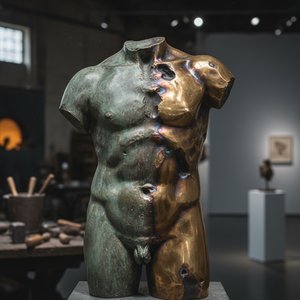
Nasleđe bronze: Istorija, tehnike i savremene interpretacije skulpture – vodič za kolekcionare
Istražite bogatu istoriju bronze i tehnike livenja skulptura. Saveti za kolekcionare, investiciono vrednovanje i savremene interpretacije aluminijumske bronze. OriginalUniqueArt – stručnjaci za umetnost.

Bronze Sculptures That Defined Art History | OriginalUniqueArt
Journey through art history with our Top 10 bronze sculptures! Explore masterpieces by Rodin, Michelangelo & more. Discover stories behind iconic statues and find museum-quality reproductions for your home decor at OriginalUniqueArt.com.

The Enduring Legacy of Bronze: History, Technique & Artistic Expression for the Collector
Explore the rich history & enduring appeal of bronze sculpture with expert insights for collectors at OriginalUniqueArt. Learn about casting techniques, iconic artists, and collecting tips.