Pregledaj u prostoru
 Pošalji
 Podeli
 Detalji o delu
 Vodič
Vodič

 Preuzmi
 Slični predmeti
 Rendgenski snimak
 Automatska prezentacija
 Q&A
Q&A Statistika
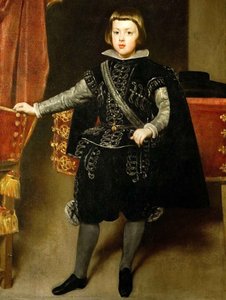
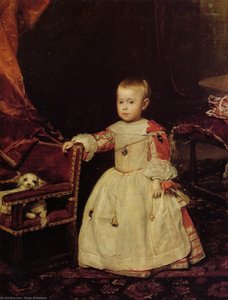
Philip IV

- 69.0 x 56.0 cm


 Pročitaj više
Giclee štampa / Umetnički otisak
Giclée štampa ili print na platnu muzejskog kvaliteta uz brzu izradu i raznovrsne opcije završne obrade. ( Kupite ručno oslikano delo Pređi na digitalnu sliku)




P118B дин10

P118H дин10

P118W дин10

P438Z дин10

P508JH дин12

P508YH дин12

P805H дин10

P805Z дин10

P919BZ дин10

P919G дин10

P919XJ дин10

P959ZH дин10

P968JZ дин12

W106C дин8

W218G дин10

W218JH дин8

W218Y дин10

W307PJ дин10

W316G дин10

W316PJ дин8

W316Y дин10

W398PJ дин8

W4111J дин10

W500HY дин15

W500JH дин15

W692G дин12

W849H дин8

W940BG дин15

W953PJ дин8




Izaberite jednu od naših unapred definisanih veličina koje odgovaraju originalnim proporcijama umetničkog dela.

Unesite željenu širinu i visinu kako bi se štampa uklopila u vaš ram ili zid. Štampu je moguće samo iseći, ali nikada povećati iznad dimenzija originalne slike, stoga format sa drugačijim proporcijama uzrokuje gubitak dela slike. Pre početka štampe, poslaćemo vam digitalni prikaz radi potvrde. Slika prikazana na ovoj stranici ne predstavlja stvarni isrez — to pokazuje samo digitalni prikaz.
Dostava širom sveta () za 2 nedelje umesto uobičajenih 4/5 nedelja. (2 новембар)

Besplatna ekspresna dostava širom sveta

Visokokvalitetno laneno platno

Potpuno osiguranje transporta

Garancija povraćaja carine i uvoznih dažbina

Garancija vernosti boja

Politika povraćaja u roku od 100 dana (samo u slučaju nedostataka)

Garancija povrata 100% novca

Popust na više proizvoda
 Opcija sa staklom dostupna je samo za dimenzije manje od 110 cm

Philip IV
Giclee štampa / Umetnički otisak
Dimenzije reprodukcije
-


Ukupna cena
дин 8366
The Majesty Captured: An Exploration of Velázquez’s Philip IV
Diego Rodríguez de Silva y Velázquez's 1655 portrait, “Philip IV,” is more than simply a likeness of the Spanish King; it’s a meticulously constructed tableau of power, piety, and the subtle anxieties of a monarch presiding over a vast empire. Housed within the hallowed halls of the Museo del Prado in Madrid, this oil-on-canvas painting offers an intimate glimpse into the life of Philip IV, a man grappling with weighty responsibilities while projecting an image of regal authority. The sheer scale – 69 x 56 cm – draws the viewer into the scene, inviting contemplation alongside the subject himself.
Velázquez’s genius lies not just in his technical mastery but in his uncanny ability to convey character through gesture and expression. Observe how the King's gaze, direct and unwavering, meets the eye of the observer – a deliberate act of engagement that transcends mere portraiture. The slight downturn of his mouth hints at the burdens of rule, while the carefully arranged folds of his attire speak volumes about wealth, status, and the elaborate rituals of court life. The inclusion of the doorway in the background isn’t merely decorative; it creates a sense of depth and perspective, subtly framing Philip IV within a larger narrative – perhaps suggesting the vastness of Spain's dominion or the limitations imposed by his role.
A Masterclass in Light and Shadow: Velázquez’s Technique
The painting is a testament to Velázquez’s revolutionary approach to light and shadow, a technique he termed “sfumato” – an Italian term that perfectly captures its hazy, atmospheric effect. He doesn't employ stark contrasts but rather builds up layers of translucent color, creating a sense of volume and realism that was unprecedented for the time. Notice how the light catches the textures of the King’s clothing, highlighting the richness of the fabrics and the meticulous detail of his attire. The use of *chiaroscuro*, the dramatic interplay between light and dark, further emphasizes Philip IV's form and adds a profound sense of drama to the composition.
Velázquez’s brushwork is remarkably loose and expressive, particularly in the rendering of the King’s beard and mustache. Rather than meticulously outlining each strand, he employs short, broken strokes that capture the texture and movement of the hair with remarkable immediacy. This technique contributes to the painting's overall sense of vitality and realism – it feels as though we are witnessing a fleeting moment captured forever on canvas.
Historical Context: The Habsburg Court and Royal Portraiture
“Philip IV” was created during a pivotal period in Spanish history, a time of both immense wealth and growing instability. The Habsburg dynasty, under Philip IV’s rule, presided over an empire that stretched across Europe and the Americas, yet faced challenges from rival powers and internal dissent. Royal portraiture served as a crucial tool for asserting authority and reinforcing the legitimacy of the monarchy. Velázquez, as court painter, was tasked with presenting the King in his most favorable light – a task he accomplished with remarkable skill and subtlety.
The painting’s stylistic elements—the bright hues against dark backgrounds, the elaborate head-dresses (though subtly rendered here), and the fashionable wide dresses of the attendants—are characteristic of the portraiture produced during the 1650s. These details reflect the prevailing fashions and artistic trends of the era, providing valuable insights into the material culture and social customs of 17th-century Spain. It’s important to note that this work is part of a larger series commissioned by Velázquez, offering a fascinating study in the evolution of his style and his evolving understanding of his subject.
Symbolism and Emotional Resonance
Beyond its technical brilliance, “Philip IV” resonates with profound symbolic meaning. The King’s posture – upright and dignified – conveys an image of strength and resolve. Yet, as mentioned earlier, the subtle expression on his face hints at the anxieties and responsibilities that weighed upon him. The painting is not simply a representation of a man; it's a meditation on power, duty, and the human condition. It invites us to consider the complexities of leadership and the burdens of maintaining an empire.
A reproduction of “Philip IV” offers a remarkable opportunity to bring this masterpiece into your home or office. OriginalUniqueArt.com provides meticulously crafted hand-painted reproductions that capture the essence of Velázquez’s original, allowing you to experience the artistry and historical significance of this iconic portrait firsthand.
Pitanja i odgovori
Koliko je izražen kontrast u delu „Philip IV”, autor Diego Velázquez?
„Philip IV”, autor Diego Velázquez prikazuje Bold kontrast između svojih svetlih i tamnih delova.
Pod kojim drugim imenima ili pseudonimima je poznat/a Diego Velázquez?
Ostala imena zabeležena za Diego Velázquez, autora dela "Philip IV", uključuju Dijego Velaškeс, Diego Rodríguez De Silva Y Velázquez.
Kako mogu da pregledam reprodukciju dela „Philip IV”, autor Diego Velázquez?
Pregled dela „Philip IV”, autor Diego Velázquez možete pogledati na stranici Pregled u prostoru.
Biografija umetnika
Diego Rodríguez de Silva y Velázquez: Španjolski Majstor Sveta i Senke
U istoriji umetnosti retko se može pronaći figura tako dominantna i uticajna kao Diego Rodríguez de Silva y Velázquez, rođen u Sevilji 1599. godine. Njegov život bio je isprepleten sa sjajem i složenostima španske Zlatne epohe, a njegovo stvaralaštvo postalo neodvojivo povezano sa Habsburškom dinastijom. Iz skromnih početaka, Velázquez se uzdigao do pozicije ne samo slikara, već vizuelnog hroničara imperije, koji je s bezprecedentnom realnošću i psihološkom dubinom prikazivao vladare, plemiće i svakodnevni život. Pod mentorstvom Francisca de Herrere el Vieja i kasnije Francisca Pacheca, Velázquez je stekao čvrstu tehničku osnovu, ali upravo njegov urođeni talenat – izuzetna osetljivost za svetlo, boju i ljudski karakter – istinski ga izdvojio. Čak su i rani radovi, poput *Stare žene koja prži jaja*, nagovestavali revolucionarni pristup žanrovskom slikarstvu, prožetim dostojanstvom i neposrednošću kakvu se do tada retko viđalo.Uspon na Dvor Filipa IV
Godine 1623, Velázquez je doneo odluku koja će zauvek promeniti njegov život – preselio se u Madrid, tražeći pokroviteljstvo u srcu španske moći. Ta preseljenje se pokazala ključnom. Brzo je stekao priznanje i 1628. godine postavljen je za dvorskog slikara kralja Filipa IV, poziciju koju će zauzimati do smrti. Ova pozicija nije bila samo izvor egzistencije; ona mu je pružila neviđen pristup kraljevskoj porodici i plemstvu, omogućavajući mu da ih vešto oslikava kroz boje. Za razliku od mnogih dvorskih slikara koji idealizovali svoje subjekte, Velázquez se trudio za neprikosnovenu realnost. Prikazivao je Filipa IV ne kao udaljenu figuru autoriteta, već kao čoveka – inteligentnog, melankoličnog i opterećenog odgovornošću. Ta posvećenost istini, u kombinaciji sa njegovim majstorskim tehnikama, zaradila mu je poverenje kralja i sve veći umetnički prostor za kreativni izraz. Njegovi rani portreti pokazuju evoluciju stila, odmak od rigidne formalnosti ranije španske portreture ka prirodnijem i psihološki dubljem pristupu. Uticaj venecijanskih majstora, poput Titiana – čija dela je Filip IV strastveno prikupljao – vidljiv je u sve fluidnijim potezima kista i bogatijim paletama boja Velazqueza. On je upio lekcije venecijanskog slikarstva, posebno naglasak na boji i slobodnom potezu, transformišući ih u nešto jedinstveno svoje.Zenit Umetničke Inovacije: *Las Meninas* i Izvan
Velázquezova umetnička genijalnost dosegla je svoj vrhunac 1650-ih godina, kulminirajući stvaranjem njegovog remek-dela, *Las Meninas* (1656). Ovo nije samo portret; to je složena meditacija o samoj umetnosti. Prikazuje Infantu Margaritu Tereziju okruženu svojim dadiljama, patuljcima i drugim članovima dvora, dok Velázquez stoji pred velikom platnom, kao da ga hvataju u samom aktu slikanja. Uključivanje kralja i kraljice, odraženo u ogledalu na pozadini, dodaje još jedan sloj misterije, brisanjem granica između posmatrača i opažanog, stvarnosti i reprezentacije. *Las Meninas* je remek-delo perspektive, kompozicije i psihološkog uvida, koji izaziva gledaoce da preispitaju svoju ulogu u samom činu gledanja. To je slika o viđanju, biću viđenom i prirodi umetničke kreacije. Ostala značajna dela iz tog perioda uključuju *Predaja Breda*, moćan prikaz španske pobede sa izuzetnom čovečnošću, i portrete poput *Done Mariane od Austrije*, koji demonstriraju njegovu sposobnost da uhvati kako kraljevski dostojanstvo tako i unutrašnju ranjivost. Njegova tehnika je nastavljala da se razvija, karakteristična za slobodne poteze kista, suptilne gradacije tona i izuzetan osećaj svetla i atmosfere – pečat koji će duboko uticati na generacije umetnika koje slede.Nasleđe i Trajni Uticaj
Diego Velázquez je umro u Madridu 1660. godine, ostavivši iza sebe delo koje će prosto uticati na tok zapadne umetnosti. Njegov naglasak na realizmu, inovativna upotreba svetla i senke i psihološka dubina otvorili su nova vrata u slikarstvu. On nije samo beležio izglede; on je uhvatio samu esenciju ljudskog iskustva. U 19. veku, francuski realistički slikari poput Gustava Courbeta gledali su na Velazqueza kao uzor za svoju posvećenost prikazivanju života bez idealizacije. *Édouard Manet*, duboko inspirisan *Las Meninas*, direktno je referencirao Velázquezovu kompoziciju u svojim delima, demonstrirajući trajanu moć vizije španskog majstora. U 20. veku, umetnici poput Pabla Picassa i Francisa Bacona angažovali su se sa Velázquezovim slikama kroz reinterpretacije i homage, prepoznajući njegovu stalnu relevantnost za modernu umetnost. *Picasso*, na primer, kreirao je seriju varijacija na temu *Las Meninas*, istražujući njenu kompozicionu strukturu i psihološke složenosti. Danas, Velázquezova remek-dela se nalaze u muzejima širom sveta, pre svega u Museo del Prado u Madridu, gde posetioci mogu iz prve ruke doživeti sjaj ovog izvanrednog umetnika. Njegovo nasleđe nastavlja da inspiriše divljenje i poštovanje, učvršćujući njegovu poziciju kao jednog od najvećih slikara koji su ikada živeli – majstora svetla, senke i ljudskog duha.Ključna dela i kolekcije
- *Las Meninas* (1656): Museo del Prado, Madrid - Verovatno njegovo najpoznatije delo, složen portret kraljevske porodice.
- *Predaja Breda* (1634-1635): Museo del Prado, Madrid – Moćan prikaz španske pobede sa izuzetnom čovečnošću.
- *Venera u ogledalu* (c. 1647–1651): Museo del Prado, Madrid - Demonstrira njegovu veštinu balansiranja realizma i lepote.
- *Dona Mariana od Austrije, Kraljica Španije* (1649): Museo del Prado, Madrid – Zapanjujući portret koji prikazuje kraljevsko dostojanstvo.
- *Portret pape Inocentija X* (1650): Galleria Doria Pamphilj, Rim - Upečatljiv i nekonvencionalan prikaz pape.
- *Autoportret* (1643): Musée des Beaux-Arts, Valensija – Otkriva dostojanstvenog i introspektivnog umetnika.
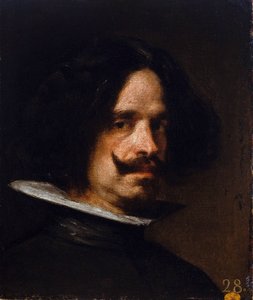
Diego Velázquez
1599 - 1660 , Шпанија
Osnovne informacije
- Datum Rođenja: 6. jun 1599.
- Datum Smrti: 6. avgust 1660.
- Mesto Rođenja: Sevilja, Španija
- Na Njega Su Uticali:
- Manet
- Picasso
- Courbet
- Nacionalnost: Španski
- Puno Ime: Diego Rodríguez de Silva y Velázquez
- Umetnički Pokret: Barok, Realizam
- Uticali Na Njega: ['Titian']
- Značajna Dela:
- Las Meninas
- Predaja Breda
- Venera sa ogledalom
- Portret pape Inocenta X
Povezani članci

Top 25 Remek-dela Prado Muzeja: Umetnička Baština Španije za Vaš Dom
Istražite 25 remek-dela Prado muzeja u Madridu! Otkrijte priče iza Velázqueza, Goye i El Greca. Pronađite inspiraciju za dekoraciju enterijera uz reprodukcije slika vrhunskog kvaliteta na OriginalUniqueArt.com.
Spanish Baroque Art: The Dramatic Mastery of Light and Shadow in the Age of Velázquez
Explore the profound drama of Spanish Baroque art. Delve into the mastery of light, shadow, and realism through the legendary works of Diego Velázquez and the Spanish Golden Age.

The Golden Age Reforged: Dramatic Realism & Religious Zeal in Spanish Baroque Art
Explore the dramatic world of Spanish Baroque art! Discover masters like Zurbarán & the powerful influence of religious zeal on painting techniques – a guide for collectors and enthusiasts.
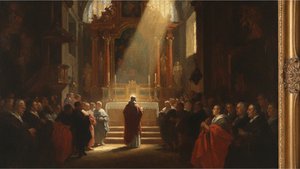
Spanish Baroque Art: The Dramatic Mastery of Light and Shadow in the Age of Velázquez
Explore the profound drama of Spanish Baroque art. Delve into the mastery of light, shadow, and realism through the legendary works of Diego Velázquez and the Spanish Golden Age with our expert-led historical guide.

Barok Majstor dela: Top 10 Umjetničkih Remeka za Vaš Dom
Otkrijte 10 remek dela koja su definisala baroknu umetnost! Karavagio, Bernini i više – istražite priče iza ovih ikoničnih slika. Inspiracija za vaš dom? Pogledajte kolekciju na OriginalUniqueArt.com!