

 Pregledaj u prostoru
 Podeli
 Podeli
 Detalji
 Vodič
Vodič

 Preuzmi sliku
 Slični predmeti
 Rendgenski snimak
 Automatska prezentacija
 Statistika
Глава


 Pročitaj više
Umetničko delo prikazano na ovoj stranici zaštićeno je autorskim pravima, što znači da zakonski nismo u mogućnosti da kreiramo niti prodajemo identičnu reprodukciju. Ova zaštita se sprovodi u skladu sa međunarodnim sporazumima kao što su Bernska konvencija i nacionalnim zakonima, uključujući i one koji su definisani u Američki zakon o autorskom pravu – Naslov 17.
Ovaj metod je u potpunosti usklađen sa regulativama o autorskim pravima jer ne podrazumeva kopiranje ili dupliranje zaštićenih umetničkih dela. Umesto toga, reč je o kreativnoj reinterpretaciji – novom slikarskom delu koje je inspirisano originalom, ali nije identično njemu.
Giclee štampa / Umetnički otisak
Giclée štampa ili print na platnu muzejskog kvaliteta uz brzu izradu i raznovrsne opcije završne obrade. ( Naručite ručno oslikano reprodukciju Pređi na prodaju digitalnih slika)




P118B дин10

P118H дин10

P118W дин10

P438Z дин10

P508JH дин12

P508YH дин12

P805H дин10

P805Z дин10

P919BZ дин10

P919G дин10

P919XJ дин10

P959ZH дин10

P968JZ дин12

W106C дин8

W218G дин10

W218JH дин8

W218Y дин10

W307PJ дин10

W316G дин10

W316PJ дин8

W316Y дин10

W398PJ дин8

W4111J дин10

W500HY дин15

W500JH дин15

W692G дин12

W849H дин8

W940BG дин15

W953PJ дин8




Izaberite jednu od naših unapred definisanih veličina koje odgovaraju originalnim proporcijama umetničkog dela.

Unesite širinu i visinu koja vam je potrebna, kako bi se uklopili u vaš ram ili na vaš zid. Štampa se može samo iseći, nikada ne može biti veća od originalne slike, stoga format sa drugačijim proporcijama gubi deo slike. Poslaćemo vam digitalni prikaz radi potvrde pre nego što započnemo štampu. Slika prikazana na ovoj stranici ne pokazuje stvarni rez — to pokazuje samo digitalni prikaz.
Dostava širom sveta () za 2 nedelje umesto uobičajenih 4/5 nedelja. (21 октобар)

Besplatna ekspresna dostava širom sveta

Visokokvalitetno laneno platno

Sveobuhvatno osiguranje transporta

Garancija povraćaja carine i uvoznih dažbina

Garancija vernosti boja i autentičnosti pri reprodukciji

Politika povraćaja u roku od 100 dana (samo u slučaju nedostataka)

Garancija povrata 100% novca

Popust pri većoj količini
 Opcija sa staklom dostupna je samo za dimenzije manje od 110 cm

Глава
Giclee štampa / Umetnički otisak
Veličina reprodukcije
-


Ukupna cena
дин 8200
Deimantas Narkevičius: Dokumentacija Kreativnog Procesa i Simbolizam Monumenta Karla Marxa
Deimantas Narkevičius, srpski umetnički filozof i jedan od najpoznatijih predstavnika moderne srpske umetnosti, svojim jedinstvenim pristupom filmu i skulpturi ostavio je nezaboravno mesto u svetu umetnosti. Ovaj litovski umetnik poznat je po svojoj sposobnosti da oslika složenost istorijskih događaja kroz umetnički jezik koji izaziva emocije i podstiče razmišljanje.
Narkevičijev rad fokusira se na istraživanje međunarodnog konteksta umetnosti, posebno na umetnost jugooslovenske ere. Najpoznatiji je svoj dokumentarni film “Memorija Ehoa” koji prikazuje istorijski trenutak stvaranja monumenta Karla Marxa u Černici tokom godine kada je umetnik Deimantas Narkevičius rekonstruisao proces njegovog nastanka uz pomoć istorijskih fotografija koje su napravljene za potrebe Državne televizije Jugoslavije. Fotografije prikazuju monumentalnu, nepotpunu marmuru bustu Karla Marxa u Černici tokom godine kada je umetnik Deimantas Narkevičius rekonstruisao proces njegovog nastanka uz pomoć istorijskih fotografija koje su napravljene za potrebe Državne televizije Jugoslavije. Sve fotografije korišćene su prvobitno proizvedene u SRD za informacije i propagandu.
- Tema: Dokumentacija stvaranja monumenta Karla Marxa – umetnički prikaz istorijskog trenutka.
- Stil: Realizam sa intenzivnim fokusom na fizičku formu i teksturu materijala.
- Teknica: Fotografska dokumentacija – pažljivo oslikanje procesa skulpture kako bi se zadržala lepota umetnosti u njenoj najjednostavniji obliku.
Kompozicija slike dominira velikom, nepotpunom marmuru bustom Karla Marxa koji zauzima većinu kadra. Fotografija prikazuje monumentalnu, nepotpunu marmuru bustu Karla Marxa u Černici tokom godine kada je umetnik Deimantas Narkevičius rekonstruisao proces njegovog nastanka uz pomoć istorijskih fotografija koje su napravljene za potrebe Državne televizije Jugoslavije. Sve fotografije korišćene su prvobitno proizvedene u SRD za informacije i propagandu. Pozadina je opuštena i prikazuje konstrukciju koja simbolizuje težnju ka stvaranju velikih umetničkih dela.
- Kompozicija: Dominacija velikog busta Karla Marxa, uz upotrebu svetlosti i perspektive kako bi se maksimalno istakao oblik umetnosti.
- Materijali: Marmur – simbol veličanstva i trajnosti umetničkog dela.
Detalji slike ukazuju na pažnju prema teksturi materijala – vidljive iskripa i nepravilnosti marmura stvaraju osećaj dodira koji dodatno uveća emotivnu vrednost umetnosti. Fotografija prikazuje monumentalnu, nepotpunu marmuru bustu Karla Marxa u Černici tokom godine kada je umetnik Deimantas Narkevičius rekonstruisao proces njegovog nastanka uz pomoć istorijskih fotografija koje su napravljene za potrebe Državne televizije Jugoslavije. Sve fotografije korišćene su prvobitno proizvedene u SRD za informacije i propagandu. Fotografija prikazuje monumentalnu, nepotpunu marmuru bustu Karla Marxa u Černici tokom godine kada je umetnik Deimantas Narkevičius rekonstruisao proces njegovog nastanka uz pomoć istorijskih fotografija koje su napravljene za potrebe Državne televizije Jugoslavije. Sve fotografije korišćene su prvobitno proizvedene u SRD za informacije i propagandu.
Ovaj umetnički dokumentum predstavlja vrednu priliku da se upozna istorijski kontekst stvaranja monumenta Karla Marxa i umetnički stil koji je karakterističan za rad Deimanta Narkevičiusa. Reprodukcija ovog dela će doneti umetničku lepotu u vaš prostor!Pitanja i odgovori
Na koji način se preporučuje štampa za "Глава" – koja veličina i koja orijentacija?
Preporučeno je štampanje dela „Глава”, Deimantas Narkevičius u veličini Veliki i Pejzažni format orijentaciji.
Koju temu i atmosferu spaja „Глава”, Deimantas Narkevičius?
„Глава“ prikazuje sculpture, marx monument, gdr art, marble bust, soviet era, photography documentation, construction process, political symbolism, a njegov upečatljiv raspoloženje je Dramatično.
Postoji li informativni list o delu „Глава”, Deimantas Narkevičius namenjen studentima?
Dostupna je Vodič stranica za „Глава”, Deimantas Narkevičius: štampani informativni list o umetničkom delu, dizajniran za učenike i upotrebu u učionici.
Biografija umetnika
The Cinematic Architect of Memory
In the quiet, evocative landscapes of Lithuania, where the echoes of a complex Soviet past still linger in the architecture and the atmosphere, the work of Deimantas Narkevičius emerges as a profound meditation on time itself. Born in 1964 in Utena, Narkevičius began his artistic journey not with the lens of a camera, but with the tactile discipline of a sculptor. This foundational training at the Vilnius Art Institute instilled in him a unique sensitivity to form, space, and materiality—a sensibility that would later breathe life into his cinematic explorations. While many artists use film merely as a medium for documentation, Narkevičius treats the moving image as a sculptural element, carving out narratives from the raw materials of historical footage, found photographs, and the heavy silence of abandoned industrial sites.
His transition from the physical weight of sculpture to the ephemeral nature of video and film was not a departure, but an evolution. As Lithuania navigated the turbulent disintegration of the Soviet Union and its subsequent rebirth as a democratic state, Narkeyičius found himself at the intersection of personal recollection and political upheaval. He became a chronicler of the "rupture"—that delicate, often painful space between what was lived and what is remembered. His work does not simply present history; it interrogates the very mechanisms by which we construct myths from reality, using techniques such as voice-overs, interviews, and carefully staged re-enactments to blur the lines between documentary truth and cinematic imagination.
Layers of History and the Poetics of Space
The brilliance of Narkevičius’s practice lies in his ability to transform historical trauma into a poetic inquiry. He often directs his gaze toward the remnants of the Soviet era—monumental structures, decommissioned missile bases, and industrial hubs like the town of Elektrėnai. In works such as Energy Lithuania, he explores the symbiotic relationship between human vitality and the mechanical energy of power plants, treating these sites not merely as relics of a failed ideology, but as melancholic monuments to an era of vanished utopias. Through his lens, the decay of an industrial landscape becomes a metaphor for the fragility of political structures and the enduring persistence of cultural identity.
Influenced by the atmospheric depth of filmmakers like Andrei Tarkovsky and the structural experimentation of Peter Watkins, Narkevičius employs a visual language that is both intimate and expansive. He frequently utilizes close-ups to capture the nuances of human expression, grounding his larger political critiques in the lived experiences of individuals. This approach allows him to navigate the tension between the macro-history of nations and the micro-histories of the soul. His films act as a bridge, connecting the viewer to a past that may feel unrecognizable, yet remains fundamentally intertwined with the present through the persistent pull of collective memory.
A Global Presence and Lasting Legacy
The international recognition of Deimantas Narkevičius has solidified his position as one of the most significant voices in contemporary moving-image art. His presence on the global stage is marked by participation in the world's most prestigious cultural institutions, where his work challenges audiences to confront the fluidity of truth. His achievements include:
- Representing Lithuania at the 49th Venice Biennale, a pivotal moment that introduced his nuanced explorations of identity to a global audience.
- Exhibiting in premier institutions such as the Centre Pompidou in Paris, the Tate Modern in London, and the Museum of Modern Art (MoMA) in New York.
- Contributing to the discourse of contemporary curation through his roles as an art critic and exhibition curator, further enriching the dialogue surrounding political and social art.
Ultimately, the significance of Narkevičius’s oeuvre lies in its refusal to offer easy answers. He does not seek to provide a definitive record of history, but rather to highlight the cracks and shadows where memory resides. By treating history as both material and methodology, he invites us to witness the ongoing process of creation—the way we constantly mold our past to make sense of our present. His work remains a vital, haunting testament to the power of art to navigate the complexities of time, identity, and the enduring human spirit.

Deimantas Narkevičius
1964 - , Lithuania
Brzi pregled
- Full Name: Deimantas Narkevičius
- Nationality: Lithuanian
- Date Of Birth: 1964
- Date Of Death: (Living)
- Place Of Birth: Utena, Lithuania
- Notable Artworks:
- The Head
- Energy Lithuania
- Scena
- Legend Coming True
- Artistic Movement Or Style: Film and video art
- Artists Who Influenced This Artist: ['Peter Watkins']
- Artists Or Movements Influenced By This Artist: ['Soviet Cinema']
Srodni članci

Sculpting Eternity: Transform Your Most Cherished Memories into Bespoke 3D Marble Busts and Timeless Sculptural Masterpieces
Transform cherished photos into breathtaking 3D sculptures and marble busts with OriginalUniqueArt AI. Experience the pinnacle of luxury art commissions, blending cutting-edge technology with classical mastery to create timeless, museum-quality heirlooms for your private collection.
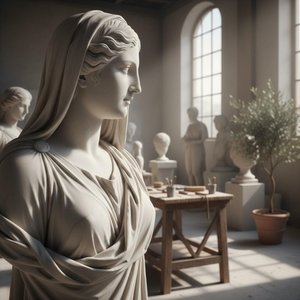
Timeless Elegance: A Complete Guide to the Sublime Beauty and Artistry of Marble Sculpture
Discover the sublime beauty of marble art through an expert exploration of Renaissance and Neoclassical masterpieces. From the delicate textures of Carpeaux to the grandeur of Sansovino, immerse yourself in a guide to timeless elegance and sculptural perfection.
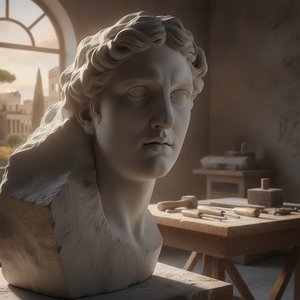
The Eternal Beauty of Marble: A Guide to Sculpting Light, Stone, and the Soul of Art History
Explore the sublime artistry of marble sculpture. From Greek antiquity to the masters of light, discover how stone captures the eternal essence of human beauty and emotion through expert craftsmanship and historical mastery.
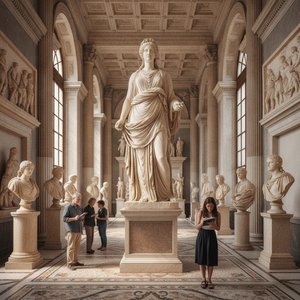
Timeless Grandeur: Exploring the Eternal Beauty and Art-Historical Legacy of Marble Sculpture
Explore the profound legacy of marble sculpture, from Classical antiquity to Neoclassical mastery. A definitive guide for elite collectors and designers seeking to integrate the luminous, eternal beauty of stone into sophisticated, high-end architectural spaces.

The Enduring Allure of Marble in Art History: From Classical Sculpture to Modern Abstraction
Explore the captivating history of marble sculpture from ancient Greece to modern art. Discover renowned artists like Canova & Michelangelo, carving techniques, and investment insights at OriginalUniqueArt.
