
 Pregledaj u prostoru
 Pošalji
 Podeli
 Detalji o delu

 Преузми
 Slični predmeti
 Rendgenski snimak
 Slajdovi
 Statistika
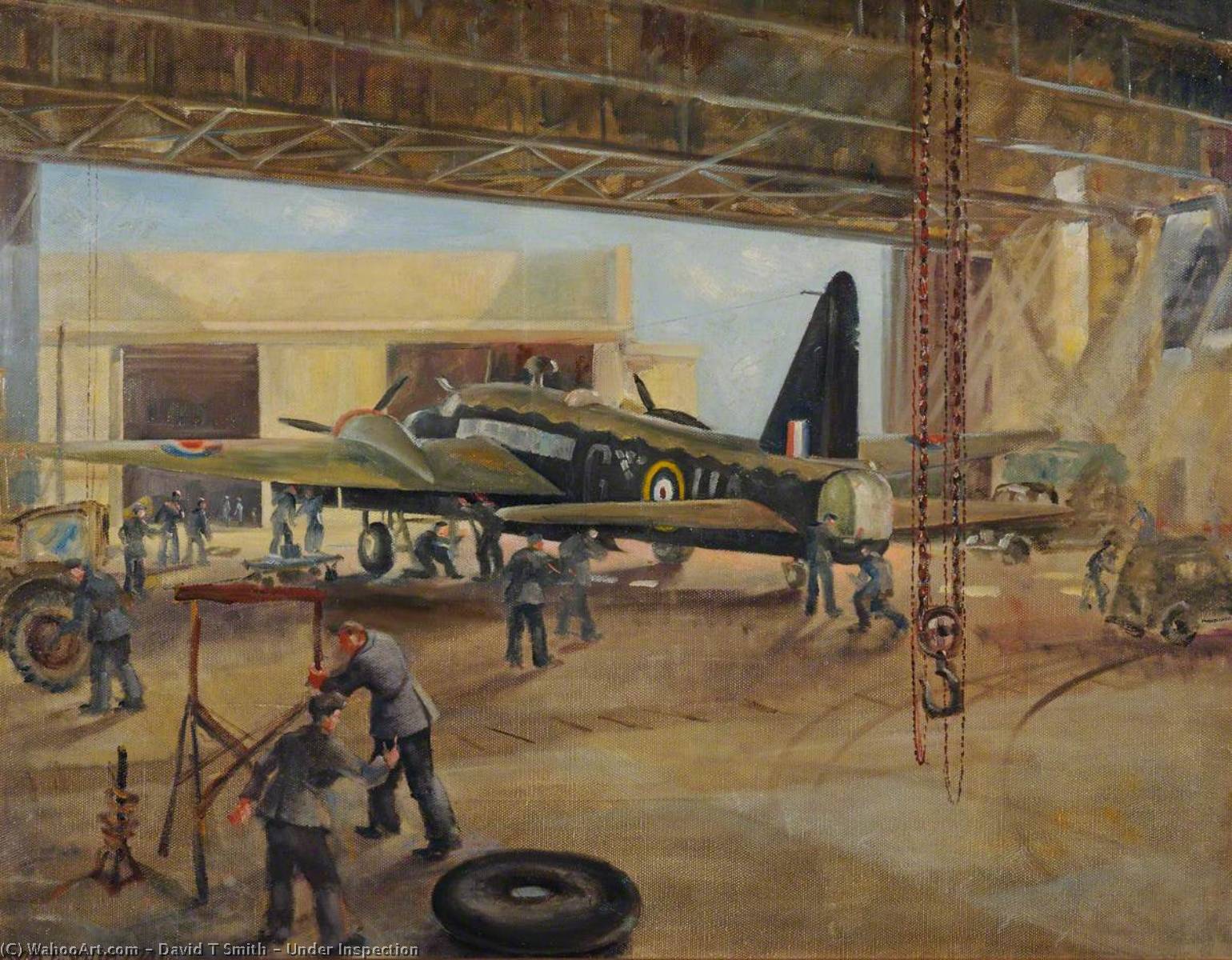
Under Inspection
 1941
1941 71.0 x 91.0 cm
 Pročitaj više
Ručno rađena uljana reprodukcija
Ručno oslikano uljanim bojama na platnu u dimenzijama i okviru po vašem izboru, izrađeno po porudžbini od strane naših umetnika. ( Pređi na štampu Pređi na digitalnu sliku)




































Izaberite jednu od naših unapred definisanih veličina koje odgovaraju originalnim proporcijama umetničkog dela.

Можете унети сопствене димензије како бисте прилагодили дело одређеном оквиру или простору. Ако одабрана величина не одговара пропорцијама оригинала, слика ће бити исечена или проширена додатним елементима који се ручно насликавају. Дигитални prikaz ће вам бити послат на одобрење пре почетка производње.
Имајте на уму да преглед на екрану не одражава стварно исецање или проширење. Само приказ (mockup) ће тачно приказати коначну композицију.
Иако су доступне прилагођене величине, препоручујемо да одаберете димензију из дефинисане листе како бисте сачували оригиналне пропорције.
Nakon narudžbine, tim OriginalUniqueArt.com će klijentu putem e-pošte poslati uputstva i dostaviti prikaz predloženog rešenja
Isporuka širom sveta () za 3/4 nedelje umesto uobičajenih 5 nedelja. (10 септембар). Bez kompromisa po pitanju kvaliteta.

Besplatna ekspresna dostava širom sveta

Visokokvalitetno laneno platno

Kompletno osiguranje transporta

Garancija povraćaja carine i uvoznih dažbina

Garancija vernosti boja

Politika povraćaja u roku od 100 dana (isključivo u slučaju nedostataka)

Garancija povrata novca od 100%

Popust pri grupnoj kupovini
 Opcija sa staklom dostupna je samo za dimenzije manje od 110 cm

Under Inspection
Tehnika reprodukcije
Dimenzije reprodukcije
-


Konačna cena
$ 300
Biografija umetnika
David Smith: Pioneer of Geometric Abstraction
David Smith (1956 – present) stands as a towering figure in contemporary sculpture, recognized for his unwavering commitment to geometric abstraction and his profound impact on the artistic landscape of the latter half of the 20th century. Born in Sacramento, California, Smith’s early fascination with mathematics and engineering would profoundly shape his sculptural practice, propelling him toward groundbreaking explorations of form and materiality. His journey began with a formal education at Yale University School of Art, where he honed his skills under influential mentors like Josef Albers and Robert Rauschenberg, absorbing the spirit of Color Field painting and Chance Operations – movements that challenged traditional representational conventions.- Early Influences: Smith’s formative years were marked by exposure to Bauhaus principles and the burgeoning Abstract Expressionist movement, particularly the work of Mark Rothko and Clyfford Still. These artists championed large-scale canvases saturated with color as a vehicle for conveying emotion and spiritual experience, influencing Smith's initial conceptual approach to sculpture.
- The Steel Sculpture Period (1950s – 1960s): Smith’s breakthrough arrived in the mid-1950s when he began experimenting with steel fabrication techniques—a deliberate departure from traditional sculptural materials like bronze and marble. This pivotal decision resulted in a series of monumental sculptures characterized by interlocking geometric forms, often referred to as “stackings.” These works exemplify Constructivism's emphasis on industrial processes and the exploration of spatial relationships through precise calculations.
Key Sculptural Achievements & Notable Works
Smith’s oeuvre boasts an impressive array of celebrated pieces that solidified his reputation as a visionary artist. Among his most iconic creations are “Suspended Cube” (1956), “Ancient Household, (2)” (1945), and “5 ½ (Use Half Sign)” (1956). These sculptures demonstrate Smith’s masterful manipulation of steel—bending, welding, and assembling it into complex structures that defy conventional notions of balance and stability. The deliberate use of color – particularly vibrant hues like crimson and cadmium yellow – adds another layer of visual richness to his compositions. Furthermore, “Brick” (1953), a monumental assemblage incorporating bricks and steel plates, embodies Smith’s exploration of materiality and the dialogue between organic and inorganic elements.- “Suspended Cube”: This sculpture is considered one of Smith's most influential works, demonstrating his ability to transform industrial materials into evocative expressions of form and space.
- “Ancient Household, (2)”: Its textured surface and asymmetrical arrangement contribute to its contemplative mood and invite viewers to consider the interplay between solidity and emptiness.
Conceptual Framework & Artistic Legacy
Smith’s artistic philosophy revolved around a belief that sculpture could transcend mere imitation of nature, instead serving as a conduit for conveying fundamental truths about existence. He embraced Minimalism's austere aesthetic—reducing form to its essential elements—while simultaneously retaining an interest in exploring the psychological dimensions of art. Smith’s work aligns with broader trends within American art history, reflecting the anxieties and aspirations of the Cold War era and challenging viewers to confront questions of perception and representation. His influence extends far beyond his own generation, inspiring subsequent sculptors to push boundaries and reimagine sculptural possibilities. David Smith continues to create compelling artworks that solidify his place as one of the most important artists of our time.Further Exploration
To delve deeper into David Smith’s artistic journey, consider visiting resources such as:- Yale University School of Art Website: https://artgallery.yale.edu/artists/david-smith/

Osnovne informacije
- Artistic Movement Or Style: Geometric Abstraction
- Artists Or Movements Influenced By This Artist: ['Minimalism']
- Artists Who Influenced This Artist:
- Sir Anthony Caro
- Cubism
- Date Of Birth: 1956
- Full Name: David Smith
- Nationality: American
- Notable Artworks:
- Suspended cube
- Ancient household, (2)
- Place Of Birth: New York City, USA