

 Pregledaj u prostoru
 Pošalji
 Podeli
 Detalji o delu
 Vodič
Vodič

 Preuzmi
 Slični predmeti
 Rendgenski snimak
 Automatska prezentacija
 Q&A
Q&A Statistika
Returning Late from a Spring Outing
 Ink
Ink- Shanshui
 1644
1644- Modern
 167.0 x 83.0 cm
 Nacionalni palata muzej
 Pročitaj više
Giclee štampa / Umetnički otisak
Giclée štampa ili print na platnu muzejskog kvaliteta uz brzu izradu i raznovrsne opcije završne obrade. ( Kupite ručno oslikano delo Pređi na digitalnu sliku)




P118B дин10

P118H дин10

P118W дин10

P438Z дин10

P508JH дин12

P508YH дин12

P805H дин10

P805Z дин10

P919BZ дин10

P919G дин10

P919XJ дин10

P959ZH дин10

P968JZ дин12

W106C дин8

W218G дин10

W218JH дин8

W218Y дин10

W307PJ дин10

W316G дин10

W316PJ дин8

W316Y дин10

W398PJ дин8

W4111J дин10

W500HY дин15

W500JH дин15

W692G дин12

W849H дин8

W940BG дин15

W953PJ дин8




Izaberite jednu od naših unapred definisanih veličina koje odgovaraju originalnim proporcijama umetničkog dela.

Unesite željenu širinu i visinu kako bi se štampa uklopila u vaš ram ili zid. Štampu je moguće samo iseći, ali nikada povećati iznad dimenzija originalne slike, stoga format sa drugačijim proporcijama uzrokuje gubitak dela slike. Pre početka štampe, poslaćemo vam digitalni prikaz radi potvrde. Slika prikazana na ovoj stranici ne predstavlja stvarni isrez — to pokazuje samo digitalni prikaz.
Dostava širom sveta () za 2 nedelje umesto uobičajenih 4/5 nedelja. (30 октобар)

Besplatna ekspresna dostava širom sveta

Visokokvalitetno laneno platno

Potpuno osiguranje transporta

Garancija povraćaja carine i uvoznih dažbina

Garancija vernosti boja

Politika povraćaja u roku od 100 dana (samo u slučaju nedostataka)

Garancija povrata 100% novca

Popust na više proizvoda
 Opcija sa staklom dostupna je samo za dimenzije manje od 110 cm

Returning Late from a Spring Outing
Giclee štampa / Umetnički otisak
Dimenzije reprodukcije
-


Ukupna cena
дин 8282
A Moment of Serene Reflection: Returning Late from a Spring Outing by Dai Jin
Dai Jin’s “Returning Late from a Spring Outing,” painted in 1644, offers a profound glimpse into the heart of Chinese literati aesthetics – a world where landscape painting transcended mere representation to become a vehicle for spiritual contemplation. This exquisite silk hand-painting, measuring 167 x 83 cm, captures a quintessential Shanshui scene, a hallmark of the Song Dynasty’s influence on Chinese art, and embodies the spirit of the Ma-Xia style, also known as the Zhe School, which flourished during Dai Jin's lifetime. The artwork isn't simply a depiction of mountains and water; it is an invitation to experience tranquility, harmony, and a deep connection with the natural world – core tenets of Confucian philosophy.
Masterful Technique: The Language of Ink and Color
- Brushwork and Composition: Dai Jin’s loose, expressive brushstrokes are central to the painting's power. They create a dynamic sense of atmospheric perspective, drawing the viewer into the scene with a fluidity that mimics the movement of water and wind. The vertical format emphasizes height and depth, reinforcing the grandeur of the mountainous landscape.
- Ink Wash Technique (Sumi): The painting’s foundation lies in the meticulous layering of ink washes – *sumi*. This technique, perfected over centuries, allows for a subtle manipulation of tonal values, building up volume and creating an illusion of three-dimensionality. Notice how the artist uses varying densities of ink to define the contours of rocks, trees, and distant peaks.
- Color Palette: The muted color palette – browns, grays, ochre, with delicate washes of blue and green – contributes significantly to the painting’s contemplative mood. These colors evoke the subtle shifts in light and shadow found within a natural landscape, enhancing the sense of realism while maintaining an ethereal quality.
Symbolism and Context: A Window into Ming Dynasty Thought
Painted in 1644, during Dai Jin’s career, this artwork reflects the artistic currents of the early Ming dynasty. Dai Jin was a pivotal figure in reviving the Ma-Xia style, which prioritized capturing the essence of nature over strict adherence to traditional representation. The pavilions depicted within the scene symbolize human dwellings nestled within the vastness of the landscape – a reminder of humanity’s place within the natural order. The mountains themselves represent strength, permanence, and spiritual aspiration, echoing Confucian ideals of virtue and longevity. Dai Jin's work was often influenced by political considerations, as evidenced by his early career attempts to gain favor with the emperor, though he ultimately developed a distinctive style that prioritized artistic integrity.
Emotional Resonance: A Legacy of Tranquility
“Returning Late from a Spring Outing” possesses an enduring emotional resonance. The diffused lighting and serene composition evoke a sense of quiet contemplation, inviting the viewer to escape the pressures of daily life and find solace in the beauty of nature. This painting is more than just a visual representation; it’s a portal to a timeless landscape, reflecting the profound connection between humanity and the natural world – a connection that continues to inspire awe and wonder centuries later. This hand-painted reproduction captures not only Dai Jin's artistic skill but also the very spirit of this iconic work.
Pitanja i odgovori
Koja dimenzija i orijentacija štampe se preporučuju za „Returning Late from a Spring Outing”, autor Dai Jin?
Za "Returning Late from a Spring Outing", preporučena dimenzija štampe je Large i Tall orijentacija.
Da li „Returning Late from a Spring Outing”, autor Dai Jin koristi jake kontraste ili nežne harmonije?
Analiza boja dela „Returning Late from a Spring Outing”, autor Dai Jin beleži Serene kontrast i Unified Palette harmoniju.
Kolika je zasićenost i intenzitet boja u delu „Returning Late from a Spring Outing”, autor Dai Jin?
Boje dela „Returning Late from a Spring Outing”, autor Dai Jin odlikuju se Balanced Soft zasićenosti i Balanced intenzitetom.
Biografija umetnika
early life and career
dai jin, a renowned chinese artist, was born in 1388 and passed away in 1462. he was a leading figure in the early ming revival of the ma-xia style, also known as the zhe school, which emerged from the landscape painting traditions of the southern song. as a young man, dai jin traveled to the capital, nanjing, with his father, who worked in an official capacity. although he failed to establish himself in the capital, he returned to qiantang and resumed his study of painting, likely under the guidance of a local zhejiang artisan.rise to prominence
dai jin's reputation grew significantly around 1425, when he was recommended to the xuande emperor. he traveled to beijing in hopes of securing an academy appointment. however, his plans were thwarted by established painters, particularly xie huan, who claimed to detect anti-government bias in dai's works. one notable example is dai jin's painting, seven worthies passing the barrier (c. 1425-35), which was based on an old tale recounting the flight of seven men from a tumultuous state. this work, along with another piece depicting a fisherman in a red coat, led to dai jin's downfall.notable works and legacy
* dai jin's landscapes, showcasing the four seasons, were initially well-received by the xuande emperor. * seven worthies passing the barrier (c. 1425-35), a painting that led to dai jin's persecution.- view dai jin's artworks on OriginalUniqueArt.com
- learn more about dai jin on wikipedia
- explore the zhe school and its influence on chinese landscape painting on the museum destroyed by fire (united states)
conclusion
despite facing challenges and persecution, dai jin's contributions to the zhe school and chinese landscape painting remain significant. his works continue to be celebrated for their unique style and innovative techniques. important: to learn more about dai jin and his artworks, visit dai jin's page on OriginalUniqueArt.com.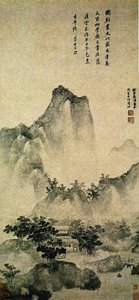
Dai Jin
1388 - 1462 , China
Osnovne informacije
- Full Name: Dai Jin
- Nationality: Chinese
- Date Of Birth: 1388
- Date Of Death: 1462
- Place Of Birth: Quzhou, China
- Notable Artworks: ['Bamboo paintings']
- Artistic Movement Or Style: Ink bamboo painting
- Artists Who Influenced This Artist: ['Wang Fu']
Povezani članci

Evocations of Place: A Historical Journey Through Landscape Art
Explore the rich history of landscape art with OriginalUniqueArt. Discover renowned artists, movements like Impressionism & Romanticism, and expert guidance for collecting timeless pieces. Find your perfect serene escape today!

25 Remek-dela Džona Konstebla: Lepota Engleske na Platnu | OriginalUniqueArt
Uronite u svet Džona Konstebla! Otkrijte 25 remek-dela engleskog pejzaža, romantizma i seoske idile. Kupite reprodukcije slika vrhunskog kvaliteta za dekoraciju enterijera na OriginalUniqueArt.com.

Katsushika Hokusai: 25 Remek-dela Japanskog Umetnika za Vaš Dom | OriginalUniqueArt
Uronite u svet Katsushike Hokusaija! Otkrijte 25 remek-dela japanskog umetnika, uključujući čuveni 'Veliki talas'. Ukiyo-e štampe, pejzaži i istorija iza svakog dela. Pronađite inspiraciju za dekor enterijera i kupite reprodukcije slika vrhunskog kvaliteta na OriginalUniqueArt.com.

Glavna dela koja su definisala Romantični pejzaž: 10 remek-dela za vaš dom
Otkrijte 10 remek-dela romantičnog pejzažnog slikarstva! Uronite u svet Claude Lorraina, Caspara David Friedricha i Turnera. Ispričane priče umetnosti, inspiracija za dekoraciju doma. Kvalitetne reprodukcije na OriginalUniqueArt.com – istražite celu kolekciju online!
The Alchemy of Ink: Mastering the Timeless Beauty and Art History of Paper and Brush
Embark on a sophisticated exploration of ink wash painting and Sumi-e. Uncover the profound historical lineages, Zen philosophies, and technical mastery behind this timeless medium in our authoritative guide for fine art enthusiasts.