
 Pregledaj u prostoru
 Pošalji
 Podeli
 Detalji o delu

 Преузми
 Slični predmeti
 Rendgenski snimak
 Slajdovi
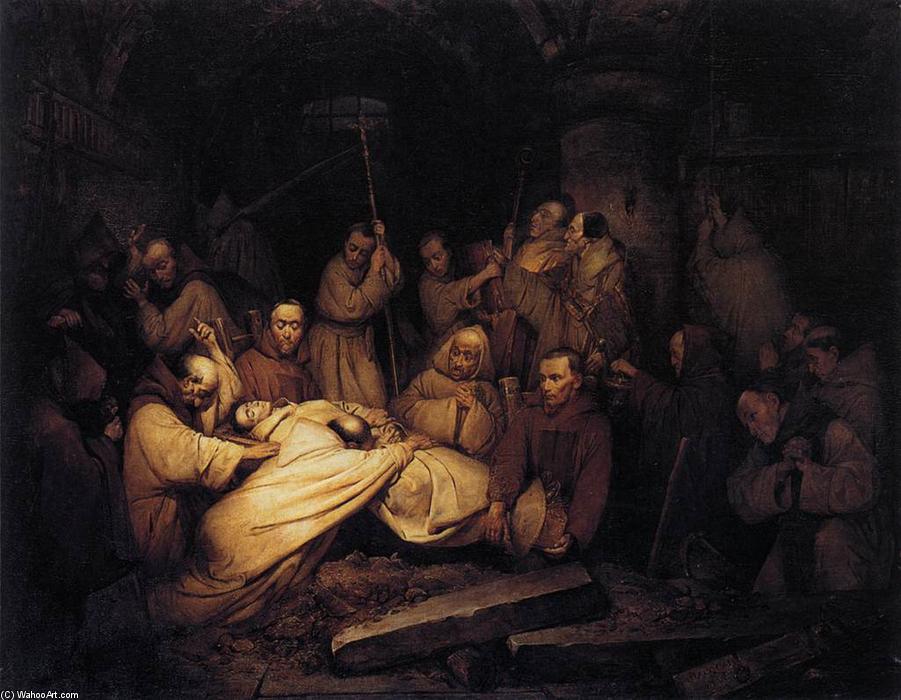
The Count of Comminges Recognizing Adélaide
 1836
1836 163.0 x 208.0 cm
 Musée des Beaux-Arts
 Pročitaj više
Giclee štampa / Umetnički otisak
Giclée štampa ili print na platnu muzejskog kvaliteta uz brzu proizvodnju i fleksibilne opcije završne obrade. ( Kupi ručno naslikanu sliku Kupi digitalnu sliku)




































Izaberite jednu od naših unapred definisanih veličina koje odgovaraju originalnim proporcijama umetničkog dela.

Možete uneti sopstvene dimenzije kako biste umetničko delo prilagodili specifičnom okviru ili prostoru. Ako odabrani format ne odgovara proporcijama originalne slike, mi ćemo ili iscrtati deo dela ili proširiti sliku pomoću ogledane ivice ili jednobojnog popunjavanja. Digitalni prikaz će vam biti poslat na odobrenje pre početka proizvodnje.
Imajte na umu da pregled na ekranu ne odražava stvarno iscrtavanje ili proširivanje. Samo će prikaz (mockup) precizno pokazati finalnu kompoziciju.
Iako su prilagođene dimenzije dostupne, preporučujemo da odaberete dimenziju sa unapred definisane liste kako biste očuvali originalne proporcije.
Dostava širom sveta () za 2 nedelje umesto uobičajenih 4/5 nedelja. (19 август)

Besplatna ekspresna dostava širom sveta

Visokokvalitetno laneno platno

Kompletno osiguranje transporta

Garancija povraćaja carine i uvoznih dažbina

Garancija vernosti boja

Politika povrata u roku od 60 dana (samo u slučaju nedostataka)

Garancija povrata novca od 100%

Popust pri grupnoj kupovini
 Opcija sa staklom dostupna je samo za dimenzije manje od 110 cm

The Count of Comminges Recognizing Adélaide
Giclee štampa / Umetnički otisak
Dimenzije reprodukcije
-


Konačna cena
$ 80
Biografija umetnika
Claudius Jacquand: Life and Legacy
Early Life and Education
- Born: December 11, 1803, in Lyon, France.
- Jacquand came from a family of artisans; his father was a comb-maker. This background instilled in him an appreciation for craftsmanship that would later influence his artistic approach.
- He received his initial art training at the École nationale des beaux-arts de Lyon under Fleury François Richard, laying the foundation for his future career.
Paris and Early Success
- Following his mother’s death in 1836, Jacquand moved to Paris, a pivotal moment that marked the beginning of his professional artistic journey.
- He began exhibiting his work soon after arriving in Paris, quickly gaining recognition for his talent and skill.
- Recognition: In 1839, he was knighted in the Legion d'Honneur. A year later, he received a Gold Medal at an exposition in Brussels, followed by another Gold Medal and the Order of Leopold at an exhibition in The Hague.
Personal Life and Social Standing
- The death of his father provided Jacquand with financial stability, enabling him to marry Lydia de Forbin, a woman from the aristocracy. She was the daughter of Louis Nicolas Philippe Auguste de Forbin and widow of the Viscount Alexandre Paul de Pinelli.
- He became Mayor of Émeringes in 1844, demonstrating his involvement in local affairs.
- Jacquand built a mansion in Émeringes inspired by Parisian architecture, reflecting his refined taste and social status.
Artistic Style and Themes
- Key Genres: Jacquand specialized in historical tableaus, genre scenes, and religious subjects. His works often depicted dramatic narratives with meticulous detail.
- His style is generally categorized within the Romanticism movement, characterized by emotional intensity, vibrant colors, and a focus on storytelling.
- Notable Works: Include “The Count of Comminges Recognizing Adélaide,” “Cinq-mars surrendering his épée to louis xiii”, and “Pietro Perugino painting for the monks of perugia”.
Later Life and Challenges
- The French Revolution of 1848 significantly impacted Jacquand’s financial situation, leading to a decline in his income.
- He sought employment but was unsuccessful in securing the position of director at the Musée de l'Histoire de France at Versailles.
- Jacquand and his wife moved to Boulogne-sur-Mer in 1852, selling their properties to maintain their lifestyle. They later faced further financial hardship and were forced to move to less expensive quarters in Paris.
- Final Years: Lydia’s death in 1863 compounded his difficulties. He continued to exhibit but struggled financially until his death on April 2, 1878, in Paris.
Legacy and Historical Significance
- Although not as widely celebrated today as some of his contemporaries, Claudius Jacquand was a respected artist during his lifetime.
- His works provide valuable insights into 19th-century French society, history, and artistic tastes.
- Influence: He taught painting to his son-in-law, Auguste de Pinelli, who also became a well-known artist, continuing the family’s artistic legacy.

Claudius Jacquand
1803 - 1878 , France
Osnovne informacije
- Birth Date: 1803-12-11
- Birth Place: Lyon, France
- Death Date: 1878-04-02
- Influenced: Auguste de Pinelli
- Influenced By: Fleury François Richard
- Movement: Romanticism
- Name: Claudius Jacquand
- Nationality: French
- Notable Works:
- The Count of Comminges Recognizing Adélaide
- Cinq-mars surrendering his épée to louis xiii
- Pietro Perugino painting for the monks of perugia
- The young gaston, called the angel of foix

