

 Pregledaj u prostoru
 Podeli
 Podeli
 Detalji
 Vodič
Vodič

 Preuzmi sliku
 Slični predmeti
 Rendgenski snimak
 Automatska prezentacija
 Statistika
САТИРИ
 Akril na platnu
- Umetnost za zidove
- Neoklasicizam
 1700
1700 41.0 x 52.0 cm
 Музей имени Гулбенкяна
 Pročitaj više
Ručno rađena uljana reprodukcija
Ručno oslikano uljanim bojama na platnu u dimenzijama i okviru po vašem izboru, izrađeno po porudžbini od strane naših umetnika. ( Pređi na prodaju štampanih primeraka Pređi na prodaju digitalnih slika)




P118B дин10

P118H дин10

P118W дин10

P438Z дин10

P508JH дин12

P508YH дин12

P805H дин10

P805Z дин10

P919BZ дин10

P919G дин10

P919XJ дин10

P959ZH дин10

P968JZ дин12

W106C дин8

W218G дин10

W218JH дин8

W218Y дин10

W307PJ дин10

W316G дин10

W316PJ дин8

W316Y дин10

W398PJ дин8

W4111J дин10

W500HY дин15

W500JH дин15

W692G дин12

W849H дин8

W940BG дин15

W953PJ дин8




Izaberite jednu od naših unapred definisanih veličina koje odgovaraju originalnim proporcijama umetničkog dela.

Unesite širinu i visinu koja vam je potrebna, kako bi se uklopili u vaš ram ili zid. Pošto je ovo ručno oslikano delo, umetnik može naslikati malo više prostora oko slike ili malo skratiti ivice za dimenzije drugačijeg oblika — izbor je na vama. Pre početka rada, poslaćemo vam digitalni prikaz radi potvrde. Slika prikazana na ovoj stranici ne predstavlja konačan rezultat — samo digitalni prikaz pokazuje stvarnu sliku.
Nakon narudžbine, tim OriginalUniqueArt.com će klijentu putem e-pošte poslati uputstva i dostaviti prikaz predloženog rešenja
Svetska isporuka () za 3/4 nedelje umesto uobičajenih 5 nedelja. (24 октобар). Bez kompromisa po pitanju kvaliteta.

Besplatna ekspresna dostava širom sveta

Visokokvalitetno laneno platno

Sveobuhvatno osiguranje transporta

Garancija povraćaja carine i uvoznih dažbina

Garancija vernosti boja i autentičnosti pri reprodukciji

Politika povraćaja u roku od 100 dana (samo u slučaju nedostataka)

Garancija povrata 100% novca

Popust pri većoj količini
 Opcija sa staklom dostupna je samo za dimenzije manje od 110 cm

САТИРИ
Tehnika izrade reprodukcije
Veličina reprodukcije
-


Ukupna cena
дин 30988
Claude Michel Clodion – Satyrs: A Dance Between Myth and Tranquility
Claude Michel Clodion (1738–1814), a French sculptor whose career spanned the Rococo and Neoclassical eras, stands as a pivotal figure in capturing the spirit of his time. Born into an artistic family in Nancy, France, he embarked on a path remarkably independent of formal academic training, honing his skills through observation and self-discipline—a characteristic that would permeate his oeuvre and contribute to its enduring appeal. Unlike many artists of his generation who adhered strictly to established conventions, Clodion championed a style characterized by dynamism and expressive naturalism, forging connections with the artistic currents of Bernini and Michelangelo Buonarroti. His work reflects not only technical mastery but also an ability to distill profound emotional resonance from seemingly simple forms.- Subject Matter: The depicted satyrs embody classical mythology—specifically, figures from Greek folklore known for their sensual exuberance and association with Dionysus, the god of wine and revelry. Their embrace symbolizes intimacy, passion, and a harmonious union between opposing forces – earthly desire and divine inspiration.
- Style: Clodion’s style aligns squarely within Neoclassicism, albeit imbued with a distinctly organic sensibility. Rejecting the ornate excesses of Rococo, he favored restrained elegance and meticulous detail, prioritizing clarity of form and conveying an idealized vision of beauty rooted in antiquity.
- Technique: Executed in chalk—a medium prized for its ability to achieve subtle tonal gradations—the artwork exemplifies Clodion’s dedication to capturing the nuances of light and texture. The delicate surface finish lends itself beautifully to reproduction, preserving the artist's meticulous attention to craftsmanship.
- Historical Context: Created during the Napoleonic era, “Satyrs” reflects the broader artistic landscape of its time – a period marked by renewed interest in classical ideals following the Enlightenment. Artists like Clodion sought to recapture the grandeur and harmony of antiquity, offering solace amidst political upheaval and societal change.
- Symbolism: The intertwined figures represent not merely physical affection but also spiritual unity—a concept central to Neoclassical thought. The satyrs’ posture conveys a sense of effortless repose, symbolizing inner peace and acceptance of life's natural rhythms.
Pitanja i odgovori
Kakva su prava na reprodukciju dela "САТИРИ" u muzeju Музей имени Гулбенкяна?
Originalno delo "САТИРИ" nalazi se u muzeju Музей имени Гулбенкяна, a rad je u javnom vlasništvu – autorska prava su istekla.
Za koji prostor je predložen rad „САТИРИ”, Claude Michel?
Reprodukcija dela "САТИРИ" odlično se uklapa u Dnevna soba.
Kako mogu da otkrijem dela koja su slična delu „САТИРИ”, Claude Michel?
Stranica Slična dela za delo „САТИРИ”, Claude Michel prikazuje srodna umetnička dela.
Biografija umetnika
The Master of Clay: The Life and Art of Clodion
Born in Nancy, France, the sculptor known to history as Clodion—or Claude Michel—emerged as one of the most captivating figures of the late eighteenth century. His journey into the heart of the French art world began in 1755 when he arrived in Paris, entering the prestigious workshop of his maternal uncle, Lambert-Sigisbert Adam. This early immersion in a lineage of skilled sculptors provided him with a foundation of technical excellence that would later allow him to transcend the boundaries of traditional medium. While many of his contemporaries sought permanence in marble or bronze, Clodion found his true voice in the tactile, intimate world of terracotta.
His development was profoundly shaped by his travels and his encounters with the classical past. After winning the prestigious Prix de Rome, he moved to Italy, where he shared a studio with the renowned Jean-Antoine Houdon. It was during this period that Clodion deeply studied the nuances of antique, Renaissance, and Baroque sculpture. This exposure to the grace of antiquity infused his work with a sense of timelessness, even as he remained firmly rooted in the playful, light-hearted spirit of the Rococo style. He possessed an extraordinary gift for capturing fleeting emotions and dynamic movement within the soft, malleable confines of clay, creating works that felt alive even before they were fully realized.
Mythology and the Spirit of Rococo
Clodion’s oeuvre is a testament to his ability to blend classical mythology with a palpable sense of human vitality. His sculptures often feature mythological figures—satyrs, nymphs, and bacchantes—engaged in scenes of Dionysian ecstasy or tender interaction. In works such as Satyr and Bacchante, one can observe the masterful interplay between earthly passion and idealized beauty. He had a unique talent for modeling musculature with anatomical precision while maintaining an ethereal grace that prevented his figures from feeling heavy or static.
The themes of his work often reflected the era's fascination with the pastoral and the mythological, blending several artistic sensibilities:
- Rococo Elegance: A focus on light-heartedness, charm, and fluid movement.
- Neoclassical Influence: An aspiration for idealized beauty and a deep reverence for Greek and Roman narratives.
- Romantic Sensibilities: An exploration of emotion, instinct, and the primal energy found in nature.
Whether depicting the mischievous deities of Greek mythology or the serene intimacy of a pastoral scene, Clodion’s work captures a moment where primal instinct blends seamlessly with contemplative grace. His mastery of the terracotta medium allowed him to emphasize the tactile qualities of his subjects, creating a sense of warmth and life that remains as captivating today as it was during the height of the ancien régime.

Claude Michel
1738 - 1814 , France
Brzi pregled
- Artistic Movement Or Style: Rococo and Neoclassical
- Artists Or Movements Influenced By This Artist: ['Joseph Charles Marin']
- Artists Who Influenced This Artist: ['Lambert-Sigisbert Adam']
- Full Name: Claude Michel
- Notable Artworks:
- Satyr and Bacchante
- Satyrs
- Nymph and Faun
- The Intoxication of Wine
- Place Of Birth: Nancy, France
- Date Of Birth: 1738
- Date Of Death: 1814
Srodni članci

The Enduring Form: Exploring Themes & Techniques in Sculpture Across Historical Periods
Explore the rich history of sculpture from ancient masterpieces to contemporary innovations. Discover key techniques, influential artists & investment potential for discerning art collectors.

The Enduring Form: Sculpture Across History, Technique & Emotional Resonance
Explore the rich history of sculpture with OriginalUniqueArt. Discover key techniques, influential artists & investment potential for discerning collectors. Expert insights into valuing and collecting timeless masterpieces.

Bronze Age to Modern Masters: 10 Sculptures That Redefined Art | OriginalUniqueArt
Journey through art history with 10 legendary bronze sculptures – from Michelangelo's David to Rodin’s Thinker. Explore the stories, techniques & timeless beauty of these masterpieces. Find museum-quality reproductions & elevate your home decor on OriginalUniqueArt.com.
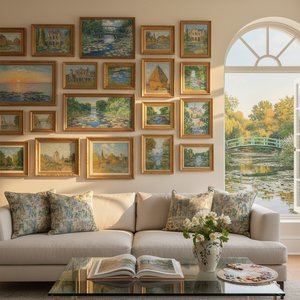
Claude Monet: 25 Remek-dela Impresionizma za Vaš Dom | OriginalUniqueArt
Uronite u svet Claudea Moneta sa 25 remek-dela impresionizma! Otkrijte priče iza poznatih slika, tehnike i inspiraciju. Reprodukcije vrhunskog kvaliteta za luksuzni dekor doma na OriginalUniqueArt.com.

Bronze Sculptures That Defined Art History | OriginalUniqueArt
Journey through art history with our Top 10 bronze sculptures! Explore masterpieces by Rodin, Michelangelo & more. Discover stories behind iconic statues and find museum-quality reproductions for your home decor at OriginalUniqueArt.com.
