
 Pregledaj u prostoru
 Pošalji
 Podeli
 Detalji o delu

 Преузми
 Slični predmeti
 Rendgenski snimak
 Slajdovi
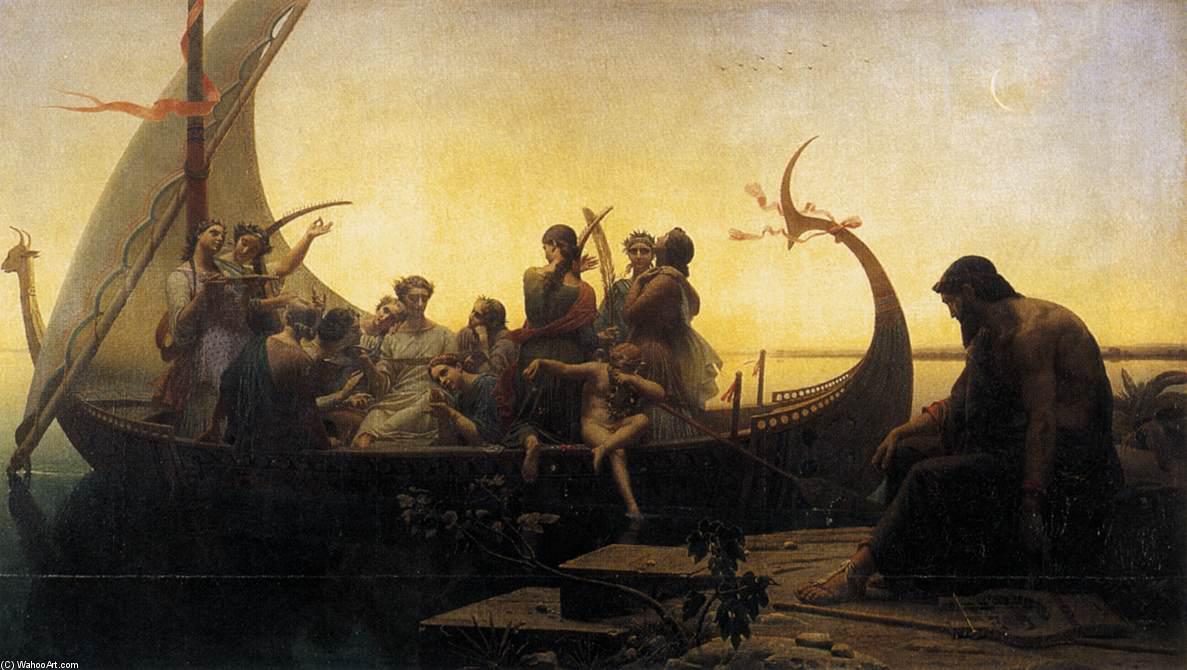
Evening or Lost Illusions
 1843
1843 39.0 x 67.0 cm
 Kunstmuseum
 Pročitaj više
Giclee štampa / Umetnički otisak
Giclée štampa ili print na platnu muzejskog kvaliteta uz brzu proizvodnju i fleksibilne opcije završne obrade. ( Kupi ručno naslikanu sliku Kupi digitalnu sliku)




































Izaberite jednu od naših unapred definisanih veličina koje odgovaraju originalnim proporcijama umetničkog dela.

Možete uneti sopstvene dimenzije kako biste umetničko delo prilagodili specifičnom okviru ili prostoru. Ako odabrani format ne odgovara proporcijama originalne slike, mi ćemo ili iscrtati deo dela ili proširiti sliku pomoću ogledane ivice ili jednobojnog popunjavanja. Digitalni prikaz će vam biti poslat na odobrenje pre početka proizvodnje.
Imajte na umu da pregled na ekranu ne odražava stvarno iscrtavanje ili proširivanje. Samo će prikaz (mockup) precizno pokazati finalnu kompoziciju.
Iako su prilagođene dimenzije dostupne, preporučujemo da odaberete dimenziju sa unapred definisane liste kako biste očuvali originalne proporcije.
Dostava širom sveta () za 2 nedelje umesto uobičajenih 4/5 nedelja. (19 август)

Besplatna ekspresna dostava širom sveta

Visokokvalitetno laneno platno

Kompletno osiguranje transporta

Garancija povraćaja carine i uvoznih dažbina

Garancija vernosti boja

Politika povrata u roku od 60 dana (samo u slučaju nedostataka)

Garancija povrata novca od 100%

Popust pri grupnoj kupovini
 Opcija sa staklom dostupna je samo za dimenzije manje od 110 cm

Evening or Lost Illusions
Giclee štampa / Umetnički otisak
Dimenzije reprodukcije
-


Konačna cena
$ 80
Opis predmeta
The scene depicts a group of people gathered around a boat near a rocky shore, with warm hues dominating the color palette. The artist's use of light and shadow creates a sense of three-dimensionality, further enhancing the realism of the piece. As seen in other works by Charles Gabriel Gleyre, such as those available on OriginalUniqueArt.com, the attention to detail and mastery of light are hallmark characteristics of his style.
Key Elements of the Painting
Some key elements that make Evening or Lost Illusions stand out include:- The use of warm colors to evoke a sense of calm and leisure.
- The meticulous attention to detail in rendering the figures, their clothing, and the surrounding environment.
- The artist's skillful manipulation of light and shadow to create depth and dimension.
For those interested in exploring more about Charles Gabriel Gleyre and his contemporaries, the Kunstmuseum Bern in Switzerland is a valuable resource. This museum houses an extensive collection of German and international art, providing insights into the artistic movements of the time.
In conclusion, Evening or Lost Illusions by Charles Gabriel Gleyre is a captivating piece that showcases the artist's mastery of realism and his ability to evoke a sense of tranquility through his use of color and light. As part of the collection at the Kunstmuseum, it stands as a testament to the enduring beauty of 19th-century art.
Biografija umetnika
A Life Bridging Tradition and Modernity
Marc Gabriel Charles Gleyre, a name perhaps less immediately recognizable than those of his celebrated pupils, occupies a pivotal position in the narrative of 19th-century French art. Born on May 2nd, 1806, in Chevilly near Lausanne, Switzerland, Gleyre’s journey was marked by both personal tragedy and artistic exploration. Orphaned at a young age, he found refuge and early guidance with an uncle in Lyon, France, who recognized the budding talent within him and enrolled him in the city's industrial school. This foundational training paved the way for his enrollment at the prestigious École des Beaux-Arts in Paris under Hersent, where he honed his skills amidst the rigorous academic standards of the time. However, Gleyre’s artistic development wasn’t confined to the studio; a thirst for experience and a desire to broaden his horizons led him to Italy, where he connected with influential figures like Horace Vernet and Louis Léopold Robert.Eastern Light and Academic Refinement
A defining chapter in Gleyre's life unfolded through his association with the American traveler John Lowell Jr. Between 1834 and 1835, he embarked on an expedition to the Eastern Mediterranean, a voyage that profoundly impacted his artistic vision. Traveling through Greece, Turkey, and Egypt, Gleyre immersed himself in the vibrant cultures and exotic landscapes of the region. This exposure ignited a fascination with Orientalism, which would become a recurring theme in his work. The light, colors, and textures of the East infused his canvases, lending them an evocative quality that distinguished him from many of his contemporaries. Upon his return to France, after battling illness contracted during his travels, Gleyre began exhibiting works like The Apocalyptic Vision of St John (1840) and Evening (1843), which garnered critical acclaim and established his reputation as a skilled academic painter. These pieces showcased not only his technical mastery but also his ability to imbue classical and biblical subjects with emotional depth and atmospheric nuance.A Studio of Innovation: The Legacy of a Teacher
In 1843, Gleyre assumed the studio of Paul Delaroche, a highly respected figure in French academic painting. This appointment marked a turning point not only in his career but also in the history of art education. Gleyre’s studio quickly became a hub for aspiring artists, attracting a remarkable cohort of young talents who would go on to shape the course of modern art. Among his students were names that resonate with artistic revolution: Claude Monet, Pierre-Auguste Renoir, James Abbott McNeill Whistler, Alfred Sisley, and Jean-Léon Gérôme. Unlike many traditional ateliers, Gleyre fostered a collaborative environment where students had a voice in the studio’s operation and were encouraged to explore their individual styles. He didn't impose strict doctrines but rather provided guidance and technical expertise, allowing his pupils to develop their unique artistic voices. This progressive approach played a crucial role in nurturing the seeds of Impressionism and other avant-garde movements that would challenge the conventions of 19th-century art.Themes and Techniques: A Synthesis of Influences
Gleyre’s oeuvre is characterized by a blend of academic precision, Orientalist sensibilities, and a subtle emotional undercurrent. His paintings often depict classical scenes, biblical narratives, and historical events, rendered with meticulous detail and a refined sense of composition. Works like Diana Leaving the Bath and The Battle of the Lemanus demonstrate his skill in capturing movement, form, and texture. However, it was his ability to convey emotion through his work that truly set him apart. The Prodigal Son, for example, is a poignant depiction of remorse and redemption, imbued with a sense of psychological depth. Gleyre’s technique involved careful layering of paint, creating luminous effects and subtle gradations of tone. He was also adept at using color to create atmosphere and evoke mood, drawing inspiration from both the Old Masters and his own experiences in the East.Enduring Significance
Charles Gabriel Gleyre passed away on May 5th, 1874, leaving behind a legacy that extends far beyond his own artistic creations. While he may not be as widely celebrated as some of his students, his influence on the development of modern art is undeniable. As a teacher, he nurtured a generation of artists who would challenge conventions and redefine the boundaries of artistic expression. His studio served as a breeding ground for innovation, fostering an environment where experimentation and individuality were valued. Today, Gleyre’s works can be found in prominent museums and collections around the world, including the Walters Art Museum and the National Gallery of Victoria, serving as a testament to his enduring contribution to the rich tapestry of art history. His paintings continue to captivate viewers with their beauty, technical brilliance, and emotional resonance, reminding us of the power of art to transcend time and culture.
Charles Gabriel Gleyre
1806 - 1874 , France
Osnovne informacije
- Artistic Movement Or Style: Academic, Orientalism
- Artists Or Movements Influenced By This Artist:
- Monet
- Renoir
- Whistler
- Impressionism
- Artists Who Influenced This Artist:
- Horace Vernet
- Louis Léopold Robert
- Date Of Birth: May 2, 1806
- Date Of Death: 1874
- Full Name: Charles Gabriel Gleyre
- Nationality: Swiss-French
- Notable Artworks:
- Diana leaving the bath
- Evening
- The Prodigal Son
- Egyptian Temple
- Tanz der Bacchantinnen
- Place Of Birth: Chévilly, France

