
 Pregledaj u prostoru
 Pošalji
 Podeli
 Detalji o delu
 Vodič
Vodič

 Preuzmi
 Slični predmeti
 Rendgenski snimak
 Automatska prezentacija
 Pitanja i odgovori
 Statistika
LA VANNE D'OPTEVOZ


 Pročitaj više
Giclee štampa / Umetnički otisak
Giclée štampa ili print na platnu muzejskog kvaliteta uz brzu izradu i raznovrsne opcije završne obrade. ( Kupite ručno oslikano delo Pređi na digitalnu sliku)




P118B дин10

P118H дин10

P118W дин10

P438Z дин10

P508JH дин12

P508YH дин12

P805H дин10

P805Z дин10

P919BZ дин10

P919G дин10

P919XJ дин10

P959ZH дин10

P968JZ дин12

W106C дин8

W218G дин10

W218JH дин8

W218Y дин10

W307PJ дин10

W316G дин10

W316PJ дин8

W316Y дин10

W398PJ дин8

W4111J дин10

W500HY дин15

W500JH дин15

W692G дин12

W849H дин8

W940BG дин15

W953PJ дин8




Izaberite jednu od naših unapred definisanih veličina koje odgovaraju originalnim proporcijama umetničkog dela.

Unesite željenu širinu i visinu kako bi se štampa uklopila u vaš ram ili zid. Štampu je moguće samo iseći, ali nikada povećati iznad dimenzija originalne slike, stoga format sa drugačijim proporcijama uzrokuje gubitak dela slike. Pre početka štampe, poslaćemo vam digitalni prikaz radi potvrde. Slika prikazana na ovoj stranici ne predstavlja stvarni isrez — to pokazuje samo digitalni prikaz.
Dostava širom sveta () za 2 nedelje umesto uobičajenih 4/5 nedelja. (8 новембар)

Besplatna ekspresna dostava širom sveta

Visokokvalitetno laneno platno

Potpuno osiguranje transporta

Garancija povraćaja carine i uvoznih dažbina

Garancija vernosti boja

Politika povraćaja u roku od 100 dana (samo u slučaju nedostataka)

Garancija povrata 100% novca

Popust na više proizvoda
 Opcija sa staklom dostupna je samo za dimenzije manje od 110 cm

LA VANNE D'OPTEVOZ
Giclee štampa / Umetnički otisak
Dimenzije reprodukcije
-


Ukupna cena
дин 8485
A Symphony of Light and Stone
In the quietude of 1859, Charles-François Daubigny captured a moment of profound stillness in his masterpiece, "La Vanne d'Optevoz." This evocative landscape is far more than a mere depiction of a riverside scene; it is an intimate dialogue between the earth and the atmosphere. As a prominent figure of the Barbizon School and a vital precursor to Impressionism, Daubymny utilizes this canvas to explore the delicate interplay of light and texture. The viewer is immediately drawn into the expansive vista of the Optevoz River valley, where the foreground—composed of rugged rocks and muddy banks—slopes gently toward the water’s edge, grounding the composition in a palpable, tactile reality.
The painting unfolds with a masterful sense of depth, guiding the eye through a layered landscape. A grassy hillside rises toward a weathered stone embankment, a feature that highlights Daubigny's fascination with geological authenticity and the enduring presence of man-made structures within nature. In the distance, trees stand as soft silhouettes against a hazy, ethereal sky, employing atmospheric perspective to create an illusion of vast, receding space. This technique subtly blurs the horizon, lending the work an almost dreamlike quality that invites long, contemplative gazes.
The Language of Color and Texture
Daubigny’s palette in "La Vanne d'Optevoz" is a masterclass in earthy tranquility. Eschewing flamboyant or vibrant hues, he relies on a sophisticated arrangement of muted greens, deep browns, and soft greys to mirror the naturalistic essence of a misty morning. These tones whisper of an overcast day, where the light is diffused and shadows are gentle, contributing to an overall mood of serene stability. Subtle traces of blue and white emerge within the sky and the shimmering reflections on the water, providing just enough contrast to animate the surface without disrupting the painting's inherent calm.
The artist’s technique is characterized by a loose, impressionistic brushwork that breathes life into the organic forms of the landscape. Visible strokes build up layers of color, creating a textured surface that mimics the roughness of stone and the softness of lush foliage. This tactile approach allows the water to catch the light in a flickering, rhythmic manner, while the heavy application of paint on the embankment lends weight to the earth. For the collector or interior designer, such a piece offers a rich sensory experience, where the movement of the brush becomes as much a part of the subject as the river itself.
Emotional Resonance and Timeless Appeal
Beyond its technical brilliance, "La Vanne d'Optevoz" carries a profound emotional weight. The scene evokes feelings of peace, solitude, and a deep-seated connection to the natural world. There is a sense of history embedded in the weathered stone structure, suggesting the slow passage of time and the harmonious integration of human presence within the wilder elements of the landscape. It is a work that celebrates the beauty of the fleeting moment—the way light hits a muddy bank or how mist clings to a distant treeline.
For those seeking to infuse a space with sophistication and tranquility, this reproduction serves as an exquisite focal point. Its balanced composition of horizontal stability and vertical contrast makes it versatile for various high-end interiors, offering a window into the soul of 19th-century French landscape painting. To possess such a work is to invite the quiet majesty of the Optevoz valley into one's own surroundings, fostering an atmosphere of reflective grace and timeless elegance.
Pitanja i odgovori
Gde mogu da preuzmem „LA VANNE D'OPTEVOZ”, autor Šarl Fransoa Dobњији?
Digitalnu sliku dela „LA VANNE D'OPTEVOZ”, autor Šarl Fransoa Dobњији možete preuzeti na stranici za preuzimanje ovog umetničkog dela: Preuzimanje digitalnog prikaza: preuzimanje digitalne slike visoke rezolucije.
Kolika je bojno ujednačena kompozicija dela „LA VANNE D'OPTEVOZ”, autor Šarl Fransoa Dobњији?
„LA VANNE D'OPTEVOZ”, autor Šarl Fransoa Dobњији prikazuje Strong Color Unity kolorističku harmoniju.
Kojom tehnikom je urađeno „LA VANNE D'OPTEVOZ”, autor Šarl Fransoa Dobњији?
Šarl Fransoa Dobњији je koristio/la tehniku Oil On Canvas za delo "LA VANNE D'OPTEVOZ". Ova tehnika definiše materijalnu prirodu originalnog dela.
Biografija umetnika
Pioniр Атмосферског Импресионизма: Живот и Уметност Шарла-Франсоа Добињија
Шарл-Франсоа Добињи, рођен у Паризу 1817. године, потекао је из породице дубоко укорењене у уметничкој традицији – његов отац, Едме Франсоа Добињи, и стриц, Пјер Добињи, обојица сликара, положили су основу за његово рану образовање. Међутим, млади Шарл је брзо тежио да изгради свој властити пут, одлазећи подаље од академских ограничења ка директнијем односу са природом. Његове почетне студије под Полом Деларошем пружиле су му техничку вештину, али је путовање у Италију 1836. године, предузето самостално заједно са колегом сликаром Анри Мињаном, заправо распалило његову уметничку визију. То искуство га је обогатило дубоком захватношћу према пејзажу и жељом да га заштити не као идеализовану сцену, већ као живу, дајућу стварност. Вративши се у Париз, Добињи је балансирао комерцијални рад – илустрисање књига и декоративних паноа – са својом растућом страшћу за сликањем на отвореном, праксом која ће дефинисати његову каријеру. Био је део уметничке заједнице на улици Ру дез Амандиер-Попинкурт, негујући сарадњу и заједничко истраживање нових приступа уметности.Круг Барбизона и Прихватање Природе
Уметничка трајекторија Добињија претрпела је кључан обрт 1843. године када се настанио у Барбизону, малом селу смештеном у шуми Фонтенбло. Ово је означило његово формално повезивање са школом Барбизон, групом уметника који су одбацили полирани артефакт академског сликања у корист директног посматрања и искрене репрезентације руралног живота и пејзажа. За разлику од ранијих пејзажних сликара који су често скицирали на отвореном и завршавали своја дела у атељеу, уметници Барбизона – укључујући Теодора Русоа, Жан-Франсоа Милеа и Камиља Короа – прихватили су сликање *ен плен ер* као фундаментални принцип. Пријатељство Добињија са Короом се показало посебно утицајним; заједно су истраживали шуме Фонтенбло, хватајући суптилне нијансе светлости и атмосфере. Управо је током овог периода Добињи замислио свој иновативни “Ботин”, чамац претворен у атеље који је користио за навигацију рекама Француске – посебно Сеном и Оазом – омогућавајући му неупоредив приступ различитим пејзажима и негујући интиман однос са природом. Та мобилна радионица постала је синоним за његову уметничку праксу, симболизујући његову посвећеност сликању директно из живота.Мост Између Реализма и Импресионизма
Добињијев рад заузима јединствен положај у историји уметности деветнаестог века, служећи као кључна веза између реализма школе Барбизон и новог импресионистичког покрета. Иако чврсто укорењен у традицији Барбизона да представља природу са верношћу и искреношћу, његова слика постаје све више наглашена атмосферским ефектима, пролазним тренуцима светлости и субјективном перцепцијом – квалитетима који су предвидели иновације Монеа, Реноара и њихових савременика. Експериментисао је са техникама као што је *cliché verre*, процес који комбинује фотографију и графичко сликање, демонстрирајући отвореност према новим технологијама и уметничким могућностима. Његове пејзаже карактеришу широки, слободни потези четком, пригушена палета боја и фокус на хватању ефемерних квалитета светлости и времена. Слике као што су “Жетва” (1857) и “Базене у Жиљеу” (1864) пример су његове способности да пробуди осећај расположења и атмосфере, преносећи гледаоца у срце француске провинције. Он није само бележио оно што је видео; он је преносио *како* се осећао бити присутан у том тренутку.Наслеђе и Трајни Утицај
Шарл-Франсоа Добињи преминуо је у Паризу 1878. године, оставивши за собом богато уметничко наслеђе које наставља да одјекује данас. Његов утицај се протезао ван његовог непосредног круга ученика – укључујући његовог сина Карла, Ахила Удиноа и Иполита Камила Делпија – инспиришући генерације пејзажних сликара. Био је инструменталан у неговању веза између школе Барбизон и новог импресионистичког покрета, упознајући Клода Монеа и Пола Сезанна са новим начинима виђења и сликања. Његова посвећеност сликању *ен плен ер*, његово истраживање атмосферских ефеката и његова воља да прихвати иновације отворили су пут радикалној уметничкој трансформацији која је дефинисала крај деветнаестог века. Добињијеве слике се сада чувају у главним музејима широм света, укључујући Музеј Орсе у Паризу и Цинсинати Арт Музеј, као сведочанство његовог трајног доприноса историји уметности. Он остаје кључна фигура – мајстор атмосферског реализма који је предвидео долазак импресионизма и помогао да се обликује ток модерног сликања.Истакнута Дела
- Жетва (1857): Квинтeсенцијални пример Добињијеве способности да заштити рурални живот и атмосферу, сада смештена у Музеју Орсе.
- Базене у Жиљеу (1864): Демонстрира његово мајсторство пејзажног сликања и атмосферске перспективе, тренутно у Цинсинати Арт Музеју.
- Месечина (1865): Показује Добињијеву вештину рендерирања ноћних сцена са суптилним светлосним ефектима.
- Овер-сур-Оаз (1868): Задивљујући приказ француске провинције, који одражава његову дубоку везу са регионом.
- Слика мора (1876): Импресионистички приказ таласа и обалне лепоте.

Šarl Fransoa Dobњији
1817 - 1878 , Србија
Osnovne informacije
- Artistic Movement Or Style: Barbizonska škola, Impresionizam
- Artists Or Movements Influenced By This Artist:
- Impresionizam
- Claude Monet
- Artists Who Influenced This Artist:
- Camille Corot
- Gustave Courbet
- Date Of Birth: 15. februar 1817.
- Date Of Death: 19. februar 1878.
- Full Name: Charles-François Daubigny
- Nationality: Francuz
- Notable Artworks:
- Žetva (1857)
- Bazeni od Žilijea (1864)
- Place Of Birth: Pariz, Francuska
Povezani članci

Evocations of Place: A Historical Journey Through Landscape Art
Explore the rich history of landscape art with OriginalUniqueArt. Discover renowned artists, movements like Impressionism & tonalism, and expert guidance for collecting timeless pieces. Find your perfect serene escape today!

Flowing Narratives: Rivers in Painting – A Historical Exploration
Explore the rich history of rivers in painting! Discover masterpieces from ancient times to Impressionism & beyond. Learn about symbolism, artists like Monet & Daubigny, and find your perfect serene artwork at OriginalUniqueArt.

Evoking Nature's Sublime: A Comprehensive Exploration of 19th-Century Landscape Painting
Explore the captivating world of 19th-century landscape painting! Discover renowned artists like Friedrich & Monet, key movements, and find the perfect artwork to bring nature's serenity into your home. Expert insights at OriginalUniqueArt.
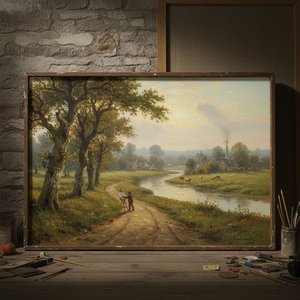
Charles-François Daubigny: Pioneering Atmospheric Light & Barbizon Realism
Explore the life & art of Charles-François Daubigny, a pivotal Barbizon School painter. Discover his innovative landscapes, mastery of light, and influence on Impressionism. High-quality reproductions available.
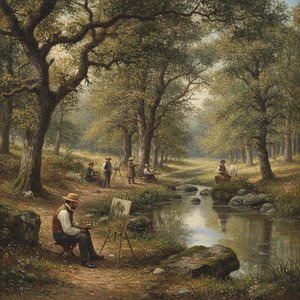
The Barbizon School: The Revolution of Naturalism and the Birth of Plein Air Landscape Painting
Explore the profound impact of the Barbizon School on landscape painting. Discover how masters like Rousseau and Corot revolutionized art through plein air naturalism, moving from academic idealism to the authentic beauty of the French countryside.

