
 Pregledaj u prostoru
 Pošalji
 Podeli
 Detalji o delu
 Vodič
Vodič

 Preuzmi
 Slični predmeti
 Rendgenski snimak
 Automatska prezentacija
 Pitanja i odgovori
 Statistika
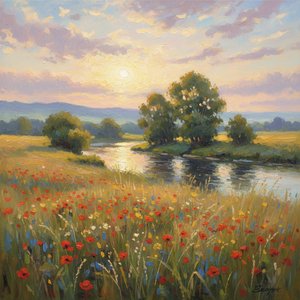
Evening on the Oise

- 99.0 x 200.0 cm


 Pročitaj više
Giclee štampa / Umetnički otisak
Giclée štampa ili print na platnu muzejskog kvaliteta uz brzu izradu i raznovrsne opcije završne obrade. ( Kupite ručno oslikano delo Pređi na digitalnu sliku)




P118B дин10

P118H дин10

P118W дин10

P438Z дин10

P508JH дин12

P508YH дин12

P805H дин10

P805Z дин10

P919BZ дин10

P919G дин10

P919XJ дин10

P959ZH дин10

P968JZ дин12

W106C дин8

W218G дин10

W218JH дин8

W218Y дин10

W307PJ дин10

W316G дин10

W316PJ дин8

W316Y дин10

W398PJ дин8

W4111J дин10

W500HY дин15

W500JH дин15

W692G дин12

W849H дин8

W940BG дин15

W953PJ дин8




Izaberite jednu od naših unapred definisanih veličina koje odgovaraju originalnim proporcijama umetničkog dela.

Unesite željenu širinu i visinu kako bi se štampa uklopila u vaš ram ili zid. Štampu je moguće samo iseći, ali nikada povećati iznad dimenzija originalne slike, stoga format sa drugačijim proporcijama uzrokuje gubitak dela slike. Pre početka štampe, poslaćemo vam digitalni prikaz radi potvrde. Slika prikazana na ovoj stranici ne predstavlja stvarni isrez — to pokazuje samo digitalni prikaz.
Dostava širom sveta () za 2 nedelje umesto uobičajenih 4/5 nedelja. (5 новембар)

Besplatna ekspresna dostava širom sveta

Visokokvalitetno laneno platno

Potpuno osiguranje transporta

Garancija povraćaja carine i uvoznih dažbina

Garancija vernosti boja

Politika povraćaja u roku od 100 dana (samo u slučaju nedostataka)

Garancija povrata 100% novca

Popust na više proizvoda
 Opcija sa staklom dostupna je samo za dimenzije manje od 110 cm

Evening on the Oise
Giclee štampa / Umetnički otisak
Dimenzije reprodukcije
-


Ukupna cena
дин 8454
Charles-François Daubigny’s “Evening on the Oise”: A Symphony of Light and Leisure
Evening on the Oise, painted in 1863 by Charles-François Daubigny, is more than just a depiction of a riverbank; it's a carefully constructed meditation on light, atmosphere, and the simple pleasures of rural life. Measuring 99 x 200 cm, this canvas captures a quintessential French scene – the Oise River meandering through a verdant landscape, dotted with figures engaged in quiet pursuits. Daubigny, a pivotal figure in the development of Atmospheric Impressionism, masterfully translates his observations of nature into a work brimming with nuanced color and a palpable sense of tranquility.
- A Pioneer’s Vision: Daubigny's artistic journey was marked by a deliberate rejection of rigid academic conventions. Influenced by his travels to Italy – particularly the landscapes of the region – he sought to represent nature not as an idealized subject for historical or mythological narratives, but as it existed in its raw, fleeting beauty.
- Technique and Color: The painting’s remarkable luminosity stems from Daubigny's innovative use of color and brushwork. He employed broken strokes and juxtaposed complementary hues – blues and oranges, greens and purples – to create a shimmering effect, mimicking the play of light on water and foliage. This technique, anticipating the later developments of Impressionism, prioritizes the immediate sensory experience over precise representation.
The Essence of Atmospheric Impressionism
Daubigny’s approach aligns perfectly with the burgeoning movement of Atmospheric Impressionism, which sought to capture not just the subject matter but also the *impression* of a scene – its mood, light, and atmosphere. Unlike earlier landscape painters who meticulously rendered every detail, Daubigny focused on conveying the ephemeral qualities of the environment. The hazy evening light, diffused through the trees, is particularly striking, creating a sense of depth and mystery. Notice how he uses subtle gradations of color to suggest the movement of water and the shifting shadows cast by the foliage.
- Plein Air Painting: Daubigny was a fervent advocate for *plein air* painting – working directly outdoors – believing it essential for accurately capturing natural light. This commitment is evident in the freshness and immediacy of his brushwork.
- Social Context: The mid-19th century witnessed a growing interest in leisure activities and the beauty of the French countryside. Daubigny’s painting reflects this trend, depicting figures enjoying a peaceful evening by the river – a scene that resonated with the aspirations of a burgeoning middle class.
Symbolism and Emotional Impact
Beyond its technical brilliance, Evening on the Oise possesses a quiet emotional resonance. The scattered figures, engaged in simple activities like boating and sketching, evoke a sense of serenity and connection with nature. The river itself symbolizes fluidity, change, and the passage of time – themes frequently explored in art throughout history. The composition invites the viewer to step into the scene, to share in the tranquility and contemplate the beauty of the natural world. Daubigny’s ability to evoke such a profound sense of peace is a testament to his artistic skill and his deep understanding of the human condition.
- Historical Significance: This painting represents a crucial moment in the development of French landscape art, foreshadowing the innovations of Impressionism.
- Perfect for Your Space: A hand-painted reproduction of this artwork will bring a touch of timeless elegance and tranquility to any interior space – from a formal living room to a serene bedroom.
Pitanja i odgovori
Šta prikazuje „Evening on the Oise”, autor Šarl Fransoa Dobњији i kakvo je raspoloženje dela?
„Evening on the Oise”, autor Šarl Fransoa Dobњији prikazuje river landscape, french painting, daubigny artwork, oise river, plein air scene, 19th century art, serene nature, u Serene raspoloženju. Motiv i atmosfera zajedno dočaravaju delo.
Ko je kreirao "Evening on the Oise" i u kojoj godini?
Autor dela "Evening on the Oise" je Šarl Fransoa Dobњији, a delo je datirano sa 1863.
Koliko su intenzivne boje dela "Evening on the Oise"?
„Evening on the Oise”, autor Šarl Fransoa Dobњији je zabeležen sa Subtle Color zasićenosti i Balanced intenzitetom.
Biografija umetnika
Pioniр Атмосферског Импресионизма: Живот и Уметност Шарла-Франсоа Добињија
Шарл-Франсоа Добињи, рођен у Паризу 1817. године, потекао је из породице дубоко укорењене у уметничкој традицији – његов отац, Едме Франсоа Добињи, и стриц, Пјер Добињи, обојица сликара, положили су основу за његово рану образовање. Међутим, млади Шарл је брзо тежио да изгради свој властити пут, одлазећи подаље од академских ограничења ка директнијем односу са природом. Његове почетне студије под Полом Деларошем пружиле су му техничку вештину, али је путовање у Италију 1836. године, предузето самостално заједно са колегом сликаром Анри Мињаном, заправо распалило његову уметничку визију. То искуство га је обогатило дубоком захватношћу према пејзажу и жељом да га заштити не као идеализовану сцену, већ као живу, дајућу стварност. Вративши се у Париз, Добињи је балансирао комерцијални рад – илустрисање књига и декоративних паноа – са својом растућом страшћу за сликањем на отвореном, праксом која ће дефинисати његову каријеру. Био је део уметничке заједнице на улици Ру дез Амандиер-Попинкурт, негујући сарадњу и заједничко истраживање нових приступа уметности.Круг Барбизона и Прихватање Природе
Уметничка трајекторија Добињија претрпела је кључан обрт 1843. године када се настанио у Барбизону, малом селу смештеном у шуми Фонтенбло. Ово је означило његово формално повезивање са школом Барбизон, групом уметника који су одбацили полирани артефакт академског сликања у корист директног посматрања и искрене репрезентације руралног живота и пејзажа. За разлику од ранијих пејзажних сликара који су често скицирали на отвореном и завршавали своја дела у атељеу, уметници Барбизона – укључујући Теодора Русоа, Жан-Франсоа Милеа и Камиља Короа – прихватили су сликање *ен плен ер* као фундаментални принцип. Пријатељство Добињија са Короом се показало посебно утицајним; заједно су истраживали шуме Фонтенбло, хватајући суптилне нијансе светлости и атмосфере. Управо је током овог периода Добињи замислио свој иновативни “Ботин”, чамац претворен у атеље који је користио за навигацију рекама Француске – посебно Сеном и Оазом – омогућавајући му неупоредив приступ различитим пејзажима и негујући интиман однос са природом. Та мобилна радионица постала је синоним за његову уметничку праксу, симболизујући његову посвећеност сликању директно из живота.Мост Између Реализма и Импресионизма
Добињијев рад заузима јединствен положај у историји уметности деветнаестог века, служећи као кључна веза између реализма школе Барбизон и новог импресионистичког покрета. Иако чврсто укорењен у традицији Барбизона да представља природу са верношћу и искреношћу, његова слика постаје све више наглашена атмосферским ефектима, пролазним тренуцима светлости и субјективном перцепцијом – квалитетима који су предвидели иновације Монеа, Реноара и њихових савременика. Експериментисао је са техникама као што је *cliché verre*, процес који комбинује фотографију и графичко сликање, демонстрирајући отвореност према новим технологијама и уметничким могућностима. Његове пејзаже карактеришу широки, слободни потези четком, пригушена палета боја и фокус на хватању ефемерних квалитета светлости и времена. Слике као што су “Жетва” (1857) и “Базене у Жиљеу” (1864) пример су његове способности да пробуди осећај расположења и атмосфере, преносећи гледаоца у срце француске провинције. Он није само бележио оно што је видео; он је преносио *како* се осећао бити присутан у том тренутку.Наслеђе и Трајни Утицај
Шарл-Франсоа Добињи преминуо је у Паризу 1878. године, оставивши за собом богато уметничко наслеђе које наставља да одјекује данас. Његов утицај се протезао ван његовог непосредног круга ученика – укључујући његовог сина Карла, Ахила Удиноа и Иполита Камила Делпија – инспиришући генерације пејзажних сликара. Био је инструменталан у неговању веза између школе Барбизон и новог импресионистичког покрета, упознајући Клода Монеа и Пола Сезанна са новим начинима виђења и сликања. Његова посвећеност сликању *ен плен ер*, његово истраживање атмосферских ефеката и његова воља да прихвати иновације отворили су пут радикалној уметничкој трансформацији која је дефинисала крај деветнаестог века. Добињијеве слике се сада чувају у главним музејима широм света, укључујући Музеј Орсе у Паризу и Цинсинати Арт Музеј, као сведочанство његовог трајног доприноса историји уметности. Он остаје кључна фигура – мајстор атмосферског реализма који је предвидео долазак импресионизма и помогао да се обликује ток модерног сликања.Истакнута Дела
- Жетва (1857): Квинтeсенцијални пример Добињијеве способности да заштити рурални живот и атмосферу, сада смештена у Музеју Орсе.
- Базене у Жиљеу (1864): Демонстрира његово мајсторство пејзажног сликања и атмосферске перспективе, тренутно у Цинсинати Арт Музеју.
- Месечина (1865): Показује Добињијеву вештину рендерирања ноћних сцена са суптилним светлосним ефектима.
- Овер-сур-Оаз (1868): Задивљујући приказ француске провинције, који одражава његову дубоку везу са регионом.
- Слика мора (1876): Импресионистички приказ таласа и обалне лепоте.

Šarl Fransoa Dobњији
1817 - 1878 , Србија
Osnovne informacije
- Artistic Movement Or Style: Barbizonska škola, Impresionizam
- Artists Or Movements Influenced By This Artist:
- Impresionizam
- Claude Monet
- Artists Who Influenced This Artist:
- Camille Corot
- Gustave Courbet
- Date Of Birth: 15. februar 1817.
- Date Of Death: 19. februar 1878.
- Full Name: Charles-François Daubigny
- Nationality: Francuz
- Notable Artworks:
- Žetva (1857)
- Bazeni od Žilijea (1864)
- Place Of Birth: Pariz, Francuska
Povezani članci

Impressionistic Landscapes: 10 Masterpieces That Changed Art & Decor
Journey into the heart of Impressionism! Explore 10 masterpieces by Monet, Renoir & Degas that revolutionized landscape art. Discover their stories, techniques & find museum-quality reproductions to elevate your home decor on OriginalUniqueArt.com.

Impresionistički pejzaži: 10 remek-dela koja su definisala umetnički pokret
Otkrijte 10 remek-dela impresionizma koja su zauvek obeležila pejzažnu umetnost! Monet, Renoar i Degas – istražite priče iza svake slike. Inspiracija za dekoraciju enterijera i vrhunske reprodukcije na OriginalUniqueArt.com. Istražite kolekciju online!

Flowing Narratives: Rivers in Painting – A Historical Exploration
Explore the rich history of rivers in painting! Discover masterpieces from ancient times to Impressionism & beyond. Learn about symbolism, artists like Monet & Daubigny, and find your perfect serene artwork at OriginalUniqueArt.

Paul Cézanne: 25 Remek-dela Revolucionarnog Umjetnika | OriginalUniqueArt
Istražite 25 remek-dela Paula Cézanna, revolucionarnog slikara impresionizma i postimpresionizma. Otkrijte priče iza ikoničnih pejzaža, portreta i mrtve prirode. Kupite luksuzne reprodukcije slika na OriginalUniqueArt.com!
Capturing Fleeting Light: A Comprehensive Exploration of Impressionistic Landscape Painting
Explore the captivating world of Impressionistic landscape painting! Discover techniques, key artists like Monet & Renoir, and its lasting influence on art history. A comprehensive guide for enthusiasts.

