Pregledaj u prostoru
 Podeli
 Podeli
 Detalji
 Vodič
Vodič

 Preuzmi sliku
 Slični predmeti
 Rendgenski snimak
 Automatska prezentacija
 Statistika
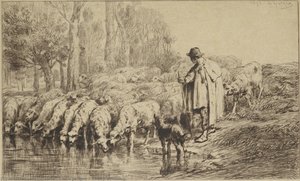
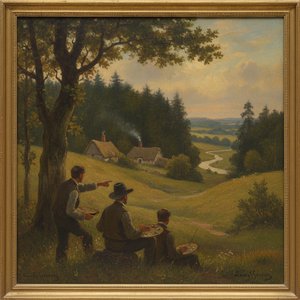
The Sheepfold
 Barbizon School
 1857
1857 46.0 x 92.0 cm
 Pročitaj više
Ručno rađena uljana reprodukcija
Ručno oslikano uljanim bojama na platnu u dimenzijama i okviru po vašem izboru, izrađeno po porudžbini od strane naših umetnika. ( Pređi na prodaju štampanih primeraka Pređi na prodaju digitalnih slika)




































Izaberite jednu od naših unapred definisanih veličina koje odgovaraju originalnim proporcijama umetničkog dela.

Unesite širinu i visinu koja vam je potrebna, kako bi se uklopili u vaš ram ili zid. Pošto je ovo ručno oslikano delo, umetnik može naslikati malo više prostora oko slike ili malo skratiti ivice za dimenzije drugačijeg oblika — izbor je na vama. Pre početka rada, poslaćemo vam digitalni prikaz radi potvrde. Slika prikazana na ovoj stranici ne predstavlja konačan rezultat — samo digitalni prikaz pokazuje stvarnu sliku.
Nakon narudžbine, tim OriginalUniqueArt.com će klijentu putem e-pošte poslati uputstva i dostaviti prikaz predloženog rešenja
Svetska isporuka () za 3/4 nedelje umesto uobičajenih 5 nedelja. (24 октобар). Bez kompromisa po pitanju kvaliteta.

Besplatna ekspresna dostava širom sveta

Visokokvalitetno laneno platno

Sveobuhvatno osiguranje transporta

Garancija povraćaja carine i uvoznih dažbina

Garancija vernosti boja i autentičnosti pri reprodukciji

Politika povraćaja u roku od 100 dana (samo u slučaju nedostataka)

Garancija povrata 100% novca

Popust pri većoj količini
 Opcija sa staklom dostupna je samo za dimenzije manje od 110 cm

The Sheepfold
Tehnika izrade reprodukcije
Veličina reprodukcije
-


Ukupna cena
дин 30929
Pitanja i odgovori
Da li su boje dela „The Sheepfold”, Šarl-Emil Žak zasićene ili prigušene?
„The Sheepfold”, Šarl-Emil Žak je zabeležen sa Subtle Color zasićenjem.
Koji su dominantni koloriti u delu „The Sheepfold”, Šarl-Emil Žak?
Koloristički identitet dela „The Sheepfold”, Šarl-Emil Žak: paleta u nijansama Earthy, sa dominacijom boje Espresso (#583b1c).
Kako se boje dela "The Sheepfold" međusobno povezuju?
Harmonija boja dela "The Sheepfold" zabeležena je kao Unified Palette.
Biografija umetnika
Život ukorenjen u francuskom selu
Šarl-Emil Žak, rođen u Parizu 1813. godine, nije bio predodređen za konvencionalni umetnički put. Njegov rani život dobio je neočekivani preokret tokom sedmogodičnog služenja u francuskoj vojsci. Ipak, čak i unutar stroge vojničke strukture, njegov urođeni talenat pronašao je izraz – ne kroz slikarstvo u početku, već kroz pedantnu veštinu graviranja mapa. Ova temeljna obuka, koja je zahtevala preciznost i posmatranje, pokazala će se iznenađujuće ključnom za njegove kasnije umetničke poduhvate, ugrađujući posvećenost detalju koja je postala zaštitni znak njegovog dela. Bio je to nezapamćen početak za slikara koji će postati sinonim za idiličnu lepotu ruralne Francuske, ali to govori mnogo o Žakovoj prilagodljivosti i urođenoj umetničkoj prirodi. Nakon napuštanja vojske, nakratko se bavio ilustracijom i karikaturom, doprinoseći pariskim časopisima pre nego što je pronašao svoju pravu svrhu u svetu akvatinte i slikarstva.Prihvatanje Barbizona i pastoralne vizije
Sredina 19. veka donela je Žaku privlačenje ka Barbizonu, malom selu koje će postati epicentar revolucionarnog umetničkog pokreta. Bežeći od epidemija kolere koje su pustošile Pariz, pridružio se Žan-Fransu Mileu i drugim umetnicima sličnih stavova u potrazi za inspiracijom direktno iz same prirode. Ovo je označilo odlučujući odmak od akademskih konvencija ka iskrenijem, realističnijem prikazu života. Žak je svim srcem prihvatio ovaj novi pristup, posvećujući se hvatanju suštine ruralnog postojanja – tihe dostojanstvenosti pastira koji čuvaju svoje stado, nežnog ritma poljoprivrednog rada i jednostavne lepote stoke na suncem tek prosijanim poljima. Njegova slika nisu bile samo prikazi scena; bile su prožete dubokim osećanjem spokoja i harmonije, odražavajući iskreno poštovanje prema prirodnom svetu. On nije samo slikao ovce ili štale; on je prenosio osećaj, atmosferu – poštovanje prema pastoralnom životu koje je duboko odjeknulo kod publike.Majstor različitih medija: Slikarstvo i grafika
Žakov umetnički umeće prevazilazilo je okvire slikarstva. Postao je poznat kao majstor akvatinte i gravira, oživljavajući tehnike 17. veka i pomerajući granice grafičke umetnosti. Njegove grafike su hvaljene zbog svoje odvažnosti i dobro osmišljenih tema, što mu je donelo priznanje kritičara poput Šarla Bodlera. Henri Beraldi je razlikovao dva različita perioda u Žakovom grafičkom radu: ranoj fazu inspirisanu holandskim vignetama, karakterizovanu spontanošću, i kasniji period obeležen većim, detaljnijim pločama koje su pokazivale pedantno umeće. Ova dvostruka majstorija – i četkice i burina – omogućila mu je da dopre do šire publike i učvrsti svoju reputaciju značajne figure u svetu umetnosti. On nije video slikarstvo i grafiku kao odvojene discipline, već kao komplementarne puteve za izražavanje svoje umetničke vizije. Njegove ilustracije za književne klasike, uključujući izdanja Golsmitovog „Vikara iz Vekfilda“ i Vordsvortovog „Pittoreske Grčke“, dodatno su pokazale njegovu svestranost i veštinu.Nasleđe i trajni uticaj
Šarl-Emil Žak preminuo je 1894. godine, ostavivši za sobom bogato umetničko nasleđe koje i danas očarava posmatrače. Igrao je vitalnu ulogu u oblikovanju razvoja realizma u francuskoj umetnosti, postavljajući put budućim generacijama umetnika koji su težili da prikažu život sa iskrenošću i osetljivošću. Njegova posvećenost prikazivanju ruralnog života podigla je žanrovsko slikarstvo – scene iz svakodnevnog postojanja – na značajno mesto unutar umetničkog pejzaža.- Pionir obnove grafike: Žakov oživljeni tehnike akvatintiranja iz 17. veka značajno su uticali na razvoj grafičke umetnosti.
- Uticaj na Milea: Njegov rani rad i grafike duboko su uticali na njegovog prijatelja i kolegu iz škole Barbizon, Žan-Fransa Milea.
- Poklonik ruralnog života: On je ovekovečio lepotu i dostojanstvo seoskog života u Francuskoj, stvarajući trajni vizuelni zapis nestajajućeg načina postojanja.

Šarl-Emil Žak
1813 - 1894 , Francuska
Brzi pregled
- Artistic Movement Or Style: Barbizon škola
- Artists Or Movements Influenced By This Artist: ['Realizam']
- Artists Who Influenced This Artist: ['Adriaen van Ostade']
- Date Of Birth: 1813
- Date Of Death: 1894
- Full Name: Charles-Émile Jacque
- Nationality: Francuz
- Notable Artworks:
- Mali plavi dečak
- Ovčarnik
- Pastirica
- Place Of Birth: Pariz, Francuska
Srodni članci
The Barbizon School: A Professional Guide to Naturalism and Landscape Mastery for Interior Designers
Explore the Barbizon School's mastery of naturalism. An expert guide for hotel designers and procurement managers on sourcing high-quality landscape reproductions to elevate hospitality and corporate interiors with authentic, large-scale fine art solutions.
The Barbizon School: Pioneering Realism & the Pastoral Vision in 19th-Century French Painting
Explore the Barbizon School's pivotal role in 19th-century French painting. Discover how these artists revolutionized landscape art with their commitment to Realism and a profound connection to nature. Learn about key figures like Rousseau, Millet & Corot.

The Hague School: Realism, Atmosphere & the Dawn of Dutch Impressionism
Explore the Hague School's pivotal role in Dutch art history. Discover realism, atmospheric landscapes & its influence on Impressionism. Learn about key artists like Mauve & Maris with OriginalUniqueArt.
Charles-François Daubigny: Pioneering Atmospheric Light & Barbizon Realism
Explore the life & art of Charles-François Daubigny, a pivotal Barbizon School painter. Discover his innovative landscapes, mastery of light, and influence on Impressionism. High-quality reproductions available.
The Barbizon School: The Soulful Origins of Impressionism's Natural Light and Atmospheric Mastery
Discover the profound influence of the Barbizon School on Impressionism. Explore how these masters captured natural light and atmospheric beauty through plein air painting, paving the way for Monet and Renoir. A journey into the soulful origins of landscape art history.