
 Pregledaj u prostoru
 Pošalji
 Podeli
 Detalji o delu
 Vodič
Vodič

 Preuzmi
 Slični predmeti
 Rendgenski snimak
 Automatska prezentacija
 Pitanja i odgovori
 Statistika
Little Girl in Blue


 Pročitaj više
Giclee štampa / Umetnički otisak
Giclée štampa ili print na platnu muzejskog kvaliteta uz brzu izradu i raznovrsne opcije završne obrade. ( Kupite ručno oslikano delo Pređi na digitalnu sliku)




P118B дин10

P118H дин10

P118W дин10

P438Z дин10

P508JH дин12

P508YH дин12

P805H дин10

P805Z дин10

P919BZ дин10

P919G дин10

P919XJ дин10

P959ZH дин10

P968JZ дин12

W106C дин8

W218G дин10

W218JH дин8

W218Y дин10

W307PJ дин10

W316G дин10

W316PJ дин8

W316Y дин10

W398PJ дин8

W4111J дин10

W500HY дин15

W500JH дин15

W692G дин12

W849H дин8

W940BG дин15

W953PJ дин8




Izaberite jednu od naših unapred definisanih veličina koje odgovaraju originalnim proporcijama umetničkog dela.

Unesite željenu širinu i visinu kako bi se štampa uklopila u vaš ram ili zid. Štampu je moguće samo iseći, ali nikada povećati iznad dimenzija originalne slike, stoga format sa drugačijim proporcijama uzrokuje gubitak dela slike. Pre početka štampe, poslaćemo vam digitalni prikaz radi potvrde. Slika prikazana na ovoj stranici ne predstavlja stvarni isrez — to pokazuje samo digitalni prikaz.
Dostava širom sveta () za 2 nedelje umesto uobičajenih 4/5 nedelja. (9 новембар)

Besplatna ekspresna dostava širom sveta

Visokokvalitetno laneno platno

Potpuno osiguranje transporta

Garancija povraćaja carine i uvoznih dažbina

Garancija vernosti boja

Politika povraćaja u roku od 100 dana (samo u slučaju nedostataka)

Garancija povrata 100% novca

Popust na više proizvoda
 Opcija sa staklom dostupna je samo za dimenzije manje od 110 cm

Little Girl in Blue
Giclee štampa / Umetnički otisak
Dimenzije reprodukcije
-


Ukupna cena
дин 8485
A Portrait of Quiet Intensity: Chaim Soutine’s “Little Girl in Blue”
Chaim Soutine's "Little Girl in Blue," painted circa 1934-1935, is not merely a portrait; it’s an immersion into the heart of emotional vulnerability. This arresting canvas, currently residing within the Kunstmuseum Bern, Switzerland, offers a profound glimpse into the artist’s signature style – a turbulent blend of Expressionism and a deeply personal vision of the human form. Soutine, a Russian-born painter who spent much of his career in Paris, was renowned for his intensely expressive depictions of figures, often imbued with a sense of melancholy and psychological depth. “Little Girl in Blue” exemplifies this approach, presenting a young girl not as a static subject but as a vessel brimming with unspoken emotions.
The painting immediately draws the viewer in with its dominant palette of muted blues and purples – colors that evoke both serenity and a subtle undercurrent of sadness. These cool tones are masterfully contrasted by flashes of warm orange, most notably within the girl’s gloves and highlighting her cheekbones, creating a dynamic interplay between light and shadow. Soutine's technique is characterized by thick, impasto brushstrokes, building up layers of paint to create a tactile surface that seems almost sculptural. This deliberate roughness isn’t simply decorative; it actively contributes to the painting’s emotional intensity, mirroring the turbulence within the subject’s gaze.
Deconstructing the Form: Composition and Distortion
The composition is strikingly direct – the girl occupies nearly the entire frame, her presence commanding attention. However, Soutine deliberately distorts the figure's proportions, elongating her body and subtly shifting her features. This distortion isn’t a flaw but an integral part of his artistic language; it serves to amplify the painting’s emotional impact, conveying a sense of unease and vulnerability. The background is intentionally blurred, dissolving into a wash of color that further isolates the subject and directs the viewer's focus entirely onto her face and expression.
Notice how Soutine avoids precise lines or sharp edges. Instead, he employs gestural brushstrokes – loose, expressive marks that follow the contours of the figure’s body. This technique creates a sense of movement and fluidity, as if the girl is caught in a moment of introspection or quiet contemplation. The flattened perspective further enhances this feeling, eliminating traditional depth cues and forcing the viewer to engage with the painting on a purely emotional level.
A Window into Soutine’s World: Biography and Context
Understanding Chaim Soutine requires acknowledging the profound impact of his early life. Born in Smilovichi, Russia, amidst poverty and restrictive religious practices, he developed an intense sensitivity to human emotion – a quality that would profoundly shape his artistic vision. His emigration to Paris in 1913 proved pivotal, immersing him within a vibrant artistic community while simultaneously allowing him to forge his own unique path. The painting’s creation during this period reflects the artist's ongoing struggle with personal demons and his exploration of themes related to isolation, vulnerability, and the complexities of human experience.
Interestingly, “Little Girl in Blue” was painted shortly after Soutine’s move back to India, where he spent a significant portion of his career. This shift is reflected in the painting's color palette – the muted blues and purples are juxtaposed with warmer tones reminiscent of the Indian landscape. The subject herself, Lalit Kaur Mann, embodies this transition, representing both the innocence of childhood and the burgeoning awareness of the world around her.
Symbolism and Emotional Resonance
Beyond its formal elements, “Little Girl in Blue” is rich with symbolic meaning. The girl’s averted gaze suggests a sense of introspection or perhaps even sadness – she seems lost in thought, disconnected from the viewer. Her simple blue dress symbolizes purity and innocence, while the orange accents hint at warmth and vitality struggling to emerge. The painting's overall mood is one of quiet melancholy, inviting viewers to contemplate themes of vulnerability, isolation, and the enduring power of human emotion.
Soutine’s “Little Girl in Blue” remains a powerfully evocative work of art – a testament to his unique artistic vision and his ability to capture the complexities of the human spirit. It is a painting that rewards repeated viewing, revealing new layers of meaning with each encounter. Whether you are an avid collector, an interior designer seeking a statement piece, or simply an admirer of fine art, this captivating portrait offers a profound and unforgettable experience.
Pitanja i odgovori
Preporučena veličina i orijentacija štampe za "Little Girl in Blue"?
Veličina Medium, Tall orijentacija: ovo je preporučena postavka za štampu za „Little Girl in Blue”, autor Хаим Сутин.
Da li je delo "Little Girl in Blue" autora Хаим Сутин u javnom vlasništvu i zašto?
"Little Girl in Blue" autora Хаим Сутин je u u javnom vlasništvu – autorska prava su istekla. Autorska prava se računaju od godine smrti umetnika, a Хаим Сутин je preminuo/la 1943.
Da li je "Little Girl in Blue" u celini svetliji ili tamniji?
Zabeležene vrednosti za „Little Girl in Blue”, autor Хаим Сутин su: osvetljenost deep_shadow, luminansa Dark.
Biografija umetnika
Живот у Бури: Свет Чаима Сутина
Чаим Сутин, рођен 1893. године у Смоловичију, Русија (данашња Белорусија), провео је рану младост у тешкоћама. Овај формивни период – детињство обележено материјалном сиромашћу и ограничењима наметнутим његовој ортодоксној заједници – дубоко ће обликовати његов уметнички визију. Иако је фигуративна репрезентација била обесхрабрена у његовом религиозном одрастању, процветао је талент за цртање, наговештавајући страствену интензивност која ће дефинисати његово дело. Званичну обуку добио је на уметничкој академији у Вилнусу (данас Виљнус, Литванија) од 1910. до 1913. године, али је његова емиграција у Париз 1913. године била преломна тачка. Уписавши се на École des Beaux-Arts под Фернандом Кормоном, Сутин се нашао усред живописне уметничке заједнице, ипак је остао већински изван трендова, креирајући сопствени пут. Његове ране године у Паризу карактерисале су екстремна сиромашћа, борба која је одражавала емотивну турбуленцију која је врила испод површине његових платна.Експресиониста Настрани: Стил и Утицаји
Иако га често сврставају у експресионизам, означити Сутина искључиво овим оквиром делује ограничавајуће. Његов стил био је дубоко индивидуалан – убедљива синтеза традиционалног европског сликарства – посебно холандских мајстора као што су Рембрант и Шарден, и реализма Курбеа – просејан кроз призму сирове емотивне интензивности. Он није једноставно имитирао ове мајсторе; он је апсорбовао њихове технике и композиционе стратегије, а затим их насилним преобликовањем претворио у свој унутрашњи свет. Смеле боје, наношене густим импастом – текстуралном применом боје која даје његовим површинама опипљиву физикалност – и агитирани потези кича су обележја његовог стила. Сутин није био заинтересован за прецизну репрезентацију; тражио је да зароби емоционалну суштину својих субјеката, често их прождимајући осећајем нелагоде или психолошке напетости. Пејзажи, портрети и мртве природе постали су његови преферирани вектори за ову експлорацију, понављајуће теме попут хране и животиња одражавајући лична искуства и његово јеврејско наслеђе. Ово нису били само описи; то су били висцерални изрази осећаја, сликани са готово отужним енергијом.Развиће и Дефинитивна Дела
Сутинов уметнички развој одвијао се кроз различите периоде, свака обележена јединственим стилским истраживањима. Ране париске године (1913-1917) виделе су га како се бори са својим гласом усред финансијских тешкоћа. Период проведен у Серету између 1919. и 1922. године био је кључан. Управо је овде, окружен драматичним пејзажима јужне Француске, створио многа од својих најславнијих дела. Ове слике карактеришу живописне боје, изобличене форме и осећај готово насилне енергије. Дрвеће, лице и поља постају вртложне масе боје, одражавајући не само оно што је Сутин видео, већ како се *осећао* у њиховом присуству. Његови портрети такође су издвојени својом психолошком дубином. Често је приказивао раднике са сировом искреношћу која је изазвала конвенционални портрет, откривајући достојанство и рањивост својих субјеката. Слично томе, његове мртве природе – аранжмани хране и предмета – преносе осећај виталности, али и узнемирујућу енергију, као да су чак и неживи предмети прожети животом и емоцијама. Истакнута дела из овог периода укључују студије у вези са „Плесом живота“, заједно са бројним пејзажима који захватају суштину Серета, и додирне портрете руских емиграната у Паризу.Признање, Наслеђе и Трајан Утицај
Сутин је био кључна фигура у оквиру Париске школе, разноврсне групе уметника који су радили у граду током раних двадесетих година. Међутим, његов пут до признања није био лак. Трговац уметничким делима Леополд Зборовиски одиграо је кључну улогу у промовисању Сутиновог рада и обезбеђивању његове финансијске стабилности, препознајући јединствену моћ његове визије. Почетни критички пријем био је мешовит, али се његова репутација постепено повећавала током времена. Његова експресивна употреба боје и емоционални интензитет дубоко су утицали на касније уметнике, укључујући Вилема де Кунинга и Франциса Бекона, који су у Сутину видели сродну душу – уметника вољног да гурне границе репрезентације у потрази за аутентичним изразом. Данас је Чаим Сутин правично препознат као главна фигура експресионизма и значајан допринос уметности двадесетог века. Његова дела се чувају у престижним музејима широм света, сведочећи његовом трајном наслеђу. Он представља кључни мост између традиционалних европских техника сликања и нових форми апстрактног експресионизма, дајући приоритет емоционалном изразу над објективном репрезентацијом и развијајући уметнички глас који је надмашио типичне експресионистичке проблеме. Његов иновативни стил отворио је пут будућим генерацијама уметника који су тражили да истраже дубину људских емоција кроз моћ боје.
Хаим Сутин
1894 - 1943 , Русија
Osnovne informacije
- Artistic Movement Or Style: Експресионизам
- Artists Or Movements Influenced By This Artist:
- Вилем де Кунинг
- Френсис Бејкон
- Artists Who Influenced This Artist:
- Рембрант
- Шарден
- Курбе
- Date Of Birth: 13. јануар 1893.
- Date Of Death: 1943.
- Full Name: Хаим Сутин
- Nationality: Француски
- Notable Artworks:
- Субурбанска пејзажа...
- Без наслова (2161)
- Студија за Плес...
- Place Of Birth: Смиловичи, Русија
Povezani članci

Liquid Vibes: Bold Water Landscapes & Deep Blue Textures to Level Up Your Space
Elevate your space with bold water landscapes and deep blue textures. Discover trending abstract art, from sculptural textiles to premium oil reproductions, designed to bring high-impact, liquid vibes to modern urban interiors.
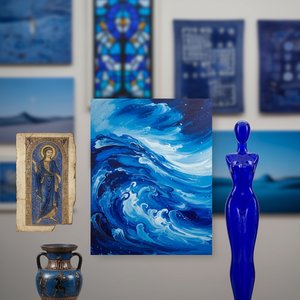
The Allure of Azure: Exploring the Symbolic & Aesthetic Depths of Blue in Art History
Explore the rich history of blue in art! Discover its symbolism, from ancient pigments to modern masterpieces by Kandinsky & Seurat. Uncover the psychological impact and cultural meanings behind this captivating hue.

Serene Blue Backgrounds: Discover Soulful Art to Transform Your Space with Timeless Elegance
Transform your home with soulful blue art. From serene Monet impressions to modern textured sculptures, discover curated masterpieces designed to inspire calm. Explore expert art consultations and bespoke hand-painted reproductions to create your personal sanctuary.

German Expressionism's 10 Defining Masterpieces | Art for Your Home
Explore 10 defining German Expressionism masterpieces – from Munch's 'The Scream' to Kandinsky’s abstracts. Discover the artists, stories & bold colors behind this powerful art movement. Find museum-quality reproductions at OriginalUniqueArt.com.

Slate Blue Masterpieces: 10 Iconic Paintings & Timeless Home Decor Ideas
Immerse yourself in the captivating world of slate blue! Explore 10 iconic paintings by Monet, Van Gogh & Renoir. Discover their stories, techniques & find museum-quality art reproductions for your home at .
![Фармерска девојка [Ла Филе Де Ферме]](/media/artworks/images-thumb/f7/ec/f7ec22076278b277518a6b65501fcf55.jpg)