

 Pregledaj u prostoru
 Pošalji
 Podeli
 Detalji o delu

 Преузми
 Slični predmeti
 Rendgenski snimak
 Slajdovi
 Statistika
A Lady with a Rosary

 Pročitaj više
Ručno rađena uljana reprodukcija
Ručno oslikano uljanim bojama na platnu u dimenzijama i okviru po vašem izboru, izrađeno po porudžbini od strane naših umetnika. ( Pređi na štampu Pređi na digitalnu sliku)




































Izaberite jednu od naših unapred definisanih veličina koje odgovaraju originalnim proporcijama umetničkog dela.

Можете унети сопствене димензије како бисте прилагодили дело одређеном оквиру или простору. Ако одабрана величина не одговара пропорцијама оригинала, слика ће бити исечена или проширена додатним елементима који се ручно насликавају. Дигитални prikaz ће вам бити послат на одобрење пре почетка производње.
Имајте на уму да преглед на екрану не одражава стварно исецање или проширење. Само приказ (mockup) ће тачно приказати коначну композицију.
Иако су доступне прилагођене величине, препоручујемо да одаберете димензију из дефинисане листе како бисте сачували оригиналне пропорције.
Nakon narudžbine, tim OriginalUniqueArt.com će klijentu putem e-pošte poslati uputstva i dostaviti prikaz predloženog rešenja
Isporuka širom sveta () za 3/4 nedelje umesto uobičajenih 5 nedelja. (17 септембар). Bez kompromisa po pitanju kvaliteta.

Besplatna ekspresna dostava širom sveta

Visokokvalitetno laneno platno

Kompletno osiguranje transporta

Garancija povraćaja carine i uvoznih dažbina

Garancija vernosti boja

Politika povraćaja u roku od 100 dana (isključivo u slučaju nedostataka)

Garancija povrata novca od 100%

Popust pri grupnoj kupovini
 Opcija sa staklom dostupna je samo za dimenzije manje od 110 cm

A Lady with a Rosary
Tehnika reprodukcije
Dimenzije reprodukcije
-


Konačna cena
$ 300
Biografija umetnika
A Pioneering Vision: The Life and Art of Catharina van Hemessen
The 16th century, a period synonymous with the flourishing Renaissance, witnessed an extraordinary surge in artistic innovation. Yet, within this vibrant landscape, the contributions of women artists often remained obscured by societal constraints. Among those who dared to challenge these norms was Catharina van Hemessen, a Flemish painter whose talent and determination carved a unique space for her in art history. Born in Antwerp around 1528, into a family steeped in artistic tradition—her father, Jan Sanders van Hemessen, being a prominent Mannerist painter—Catharina benefited from an unusual advantage: direct tutelage within the home. This familial arrangement circumvented the typical obstacles faced by aspiring female artists of the time, namely the restrictive apprenticeship system that demanded years of living and working under the guidance of a master, a situation often impractical or unacceptable for women. Her father’s influence was foundational, providing her with not only technical skills but also access to a network within the burgeoning Antwerp art scene.Intimate Worlds: Style and Subject Matter
Van Hemessen's artistic focus centered primarily on portraiture, specifically small-scale depictions of women. These works are characterized by an exquisite realism, delicate rendering of features, and meticulous attention to costume—all set against dark, atmospheric backgrounds that create a sense of intimacy and quiet contemplation. Her portraits weren’t merely representations of physical likeness; they offered glimpses into the inner lives of her sitters, hinting at their social standing, education, and perhaps even their personalities. Girl at the Virginal (1548), possibly portraying her sister Christina, exemplifies this approach, showcasing a young woman engaged in music-making—a symbol of refinement and cultural accomplishment. The careful depiction of the instrument itself, along with the sitter’s poised demeanor, speaks to a world of privilege and artistic appreciation. While she also ventured into religious compositions, it was within the realm of portraiture that her talent truly shone, capturing a nuanced humanity often absent in more formal or grandiose depictions.A Self-Portrait for the Ages: Breaking Barriers
However, Catharina van Hemessen’s most enduring legacy rests upon her Self-Portrait (1548). This remarkable work is not simply a depiction of an artist; it's a statement. At just twenty years old, she presented herself actively engaged in the act of painting, seated before an easel with palette and brushes in hand. This image holds immense historical significance as it’s widely considered the earliest surviving self-portrait of an artist—male or female—depicting themselves *at work*. It's a bold assertion of her professional identity, challenging conventional expectations about women’s roles and capabilities. The composition itself is carefully constructed: she gazes directly at the viewer with confidence, while the reflection in the mirror behind her offers another perspective, subtly acknowledging the complexities of representation. The painting isn’t just a self-representation; it's a meditation on the very nature of artistic creation.Recognition and Legacy
Van Hemessen’s talent did not go unnoticed during her lifetime. She became a master in the Guild of Saint Luke, an exceptional achievement for a woman in the 16th century, demonstrating both her skill and recognition within the artistic community. Her success attracted the attention of Maria of Austria, Queen of Hungary and Bohemia, who became a significant patron. In 1556, van Hemessen was invited to join the Spanish court alongside Maria, further solidifying her position as a respected artist. While details surrounding the later years of her life remain somewhat scarce—she married musician Chrétien de Morien around 1554 and appears to have ceased painting shortly thereafter—her impact on art history is undeniable. She paved the way for future generations of female artists, demonstrating that women could not only excel in a traditionally male-dominated field but also challenge prevailing societal norms through their creative expression. Her work continues to inspire, reminding us of the importance of recognizing and celebrating the contributions of all artists, regardless of gender or background.- Her self-portrait remains an iconic image of female artistic agency.
- She challenged the limitations placed upon women in Renaissance society.
- Van Hemessen’s intimate portraits offer valuable insights into the lives and status of women during her time.

Catharina van Hemessen
1528 - 1587 , Belgium
Osnovne informacije
- Artistic Movement Or Style: Flemish Renaissance
- Artists Who Influenced This Artist: ['Jan Sanders van Hemessen']
- Date Of Birth: c. 1528
- Date Of Death: After 1565
- Full Name: Catharina van Hemessen
- Nationality: Flemish
- Notable Artworks:
- Self-Portrait (1548)
- Girl at the Virginal
- Portrait of a Woman
- Place Of Birth: Antwerp, Belgium
Povezani članci

Rembrandt van Rijn: 25 Majstorstava Svetla i Senke za Vaš Dom | OriginalUniqueArt
Uronite u svet Rembrandta van Rijna! Otkrijte 25 najlepših dela holandskog majstora – portrete, istorijske scene i biblijska platna. Kvalitetne reprodukcije slika za dekoraciju enterijera dostupne na OriginalUniqueArt.com.

Early Netherlandish Masters: 10 Paintings That Revolutionized Art & Decor
Journey into the world of Early Netherlandish painting! Explore 10 masterpieces by Jan van Eyck, Rogier van der Weyden & more. Discover stunning detail, symbolism & Renaissance art for your home decor. Find museum-quality reproductions on OriginalUniqueArt.com
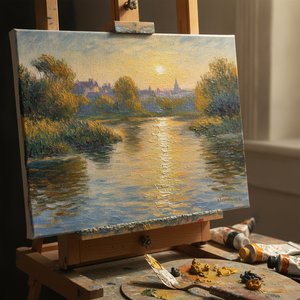
The Soul of Impressionism: Why Oil on Canvas Captures Eternal Light and Timeless Emotion
Discover the enchanting alchemy of Impressionism. Explore how the mastery of oil on canvas, through glazing and impasto, captures eternal light and emotion. Perfect for lovers of Monet and Van Gogh seeking the profound depth of hand-painted fine art.

The Enduring Legacy of Oil on Canvas: Technique, History & Aesthetic Impact
Explore the rich history & techniques of oil painting – from Renaissance masters to Impressionism. Discover pigments, layering methods, and why this timeless medium endures. Expert insights for artists & art enthusiasts.

Oil on Canvas: A Historical & Technical Exploration of a Timeless Artistic Medium
Explore the rich history & enduring techniques of oil painting on canvas. Discover the science behind its longevity, conservation practices, and contemporary relevance. Expert insights for art enthusiasts.