

 Pregledaj u prostoru
 Podeli
 Podeli
 Detalji
 Vodič
Vodič

 Preuzmi sliku
 Slični predmeti
 Rendgenski snimak
 Automatska prezentacija
 Statistika
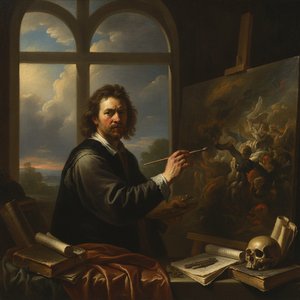
Self-Portrait
 Oil On Panel
- Baroque Painting
 1645
1645 65.0 x 49.0 cm
 Музеј Бојиманс ван Бе униген
 Pročitaj više
Ručno rađena uljana reprodukcija
Ručno oslikano uljanim bojama na platnu u dimenzijama i okviru po vašem izboru, izrađeno po porudžbini od strane naših umetnika. ( Pređi na prodaju štampanih primeraka Pređi na prodaju digitalnih slika)




P118B дин10

P118H дин10

P118W дин10

P438Z дин10

P508JH дин12

P508YH дин12

P805H дин10

P805Z дин10

P919BZ дин10

P919G дин10

P919XJ дин10

P959ZH дин10

P968JZ дин12

W106C дин8

W218G дин10

W218JH дин8

W218Y дин10

W307PJ дин10

W316G дин10

W316PJ дин8

W316Y дин10

W398PJ дин8

W4111J дин10

W500HY дин15

W500JH дин15

W692G дин12

W849H дин8

W940BG дин15

W953PJ дин8




Izaberite jednu od naših unapred definisanih veličina koje odgovaraju originalnim proporcijama umetničkog dela.

Unesite širinu i visinu koja vam je potrebna, kako bi se uklopili u vaš ram ili zid. Pošto je ovo ručno oslikano delo, umetnik može naslikati malo više prostora oko slike ili malo skratiti ivice za dimenzije drugačijeg oblika — izbor je na vama. Pre početka rada, poslaćemo vam digitalni prikaz radi potvrde. Slika prikazana na ovoj stranici ne predstavlja konačan rezultat — samo digitalni prikaz pokazuje stvarnu sliku.
Nakon narudžbine, tim OriginalUniqueArt.com će klijentu putem e-pošte poslati uputstva i dostaviti prikaz predloženog rešenja
Svetska isporuka () za 3/4 nedelje umesto uobičajenih 5 nedelja. (22 октобар). Bez kompromisa po pitanju kvaliteta.

Besplatna ekspresna dostava širom sveta

Visokokvalitetno laneno platno

Sveobuhvatno osiguranje transporta

Garancija povraćaja carine i uvoznih dažbina

Garancija vernosti boja i autentičnosti pri reprodukciji

Politika povraćaja u roku od 100 dana (samo u slučaju nedostataka)

Garancija povrata 100% novca

Popust pri većoj količini
 Opcija sa staklom dostupna je samo za dimenzije manje od 110 cm

Self-Portrait
Tehnika izrade reprodukcije
Veličina reprodukcije
-


Ukupna cena
дин 30850
A Window Into the Soul: Carel Fabritius’s “Self-Portrait”
The year is 1645. Within the bustling studio of Rembrandt in Amsterdam, a young artist named Carel Fabritius was meticulously crafting a portrait unlike any seen before. This wasn't merely a likeness; it was an intimate unveiling – the "Self-Portrait," a remarkably candid and profoundly moving depiction of the artist himself. More than just paint on panel, this work offers a rare glimpse into the mind of a man grappling with his craft, his identity, and perhaps, the anxieties inherent in artistic creation. The painting, now housed within the Museum Boijmans Van Beuningen in Rotterdam, is a testament to Fabritius’s burgeoning talent and his willingness to experiment with light, shadow, and the very nature of self-representation.
Fabritius's early work was deeply influenced by Rembrandt, inheriting his masterful use of chiaroscuro – the dramatic interplay of light and dark. However, this self-portrait marks a decisive shift. While retaining Rembrandt’s foundational techniques, Fabritius develops a distinctly personal style, prioritizing color and an almost palpable sense of immediacy. The painting isn't about formal perfection; it’s about capturing a fleeting moment, a particular mood. The loose brushstrokes and slightly asymmetrical composition contribute to this feeling of raw authenticity, as if the artist is offering us not just a portrait, but a fragment of his inner world.
Deconstructing the Image: Technique and Detail
Examining the details reveals Fabritius’s meticulous approach. The painting is executed in oil on panel, a medium that allowed for rich color saturation and subtle gradations of tone – crucial to achieving the dramatic lighting effects characteristic of his style. Notice how he renders the texture of his clothing: the folds of the open-necked shirt, the rough weave of the fabric, all rendered with remarkable precision. The artist’s hands, resting casually on his lap, are particularly noteworthy; they possess a delicate sensitivity and an evident awareness of their own form. The long, curly hair, falling across his shoulders, adds to the sense of relaxed contemplation, while the slightly off-center gaze invites the viewer into a silent conversation.
The background is deliberately dark and indistinct, serving not as a mere backdrop but as a powerful tool for emphasizing the subject’s face. This technique draws our attention directly to Fabritius's features – his thoughtful expression, the subtle lines around his eyes hinting at both intelligence and weariness. The careful modeling of light and shadow creates a three-dimensional effect, giving depth and volume to the image, as if we are truly observing him in person.
A Reflection on Identity and Art
Beyond its technical brilliance, the "Self-Portrait" is imbued with a profound sense of introspection. Fabritius’s contemplative gaze suggests a moment of quiet reflection – perhaps a consideration of his own artistic journey, or simply a pause in the creative process. The painting speaks to the universal human desire for self-understanding and the challenges inherent in defining one's identity. It is a remarkably vulnerable work, offering an unprecedented level of intimacy with its creator.
The historical context further enriches our understanding of this compelling image. Fabritius’s brief but impactful career coincided with the flourishing of Dutch Golden Age painting – a period marked by artistic innovation and a celebration of realism. His association with Rembrandt, coupled with his membership in the Delft School, positioned him within a vibrant artistic community that valued both technical skill and emotional expression. The tragic circumstances surrounding his death—caught in the devastating explosion of the Delft gunpowder magazine—only amplify the poignant beauty of this self-portrait, transforming it into a powerful meditation on life, loss, and the enduring legacy of art.
Bringing Fabritius Home: Reproductions and Legacy
Today, reproductions of “Self-Portrait” are available through OriginalUniqueArt.com, offering art lovers the opportunity to own a piece of this remarkable artistic achievement. These meticulously crafted hand-painted reproductions capture not only the visual details of the original but also its emotional depth and atmospheric quality. Whether displayed in a private residence or a corporate space, this iconic image will undoubtedly serve as a source of inspiration and contemplation for years to come.
For those seeking to delve deeper into the life and work of Carel Fabritius, we encourage you to visit https://en.wikipedia.org/wiki/Carel_Fabritius for further information. And don’t miss the Google Arts & Culture page: https://artsandculture.google.com/asset/self-portrait/JwGBKHEZH4veSA?hl=en, where you can explore high-resolution images and learn more about this extraordinary artist.
Pitanja i odgovori
Koje su stvarne dimenzije dela „Self-Portrait”, Карел Фабрицијус?
„Self-Portrait“ u svom izvornom obliku ima dimenzije 65 x 49 cm. Originalne dimenzije su koristan pokazatelj pri odabiru veličine reprodukcije.
Koju fazu razvoja umetnika Карел Фабрицијус predstavlja delo "Self-Portrait"?
"Self-Portrait" predstavlja Mature Period umetnika Карел Фабрицијус.
O čemu se radi u delu "Self-Portrait"?
"Self-Portrait" je delo u tehnici wall art.
Biografija umetnika
Живот у сенци великих мајстора: Енигматични свет Карела Фабрицијуса
Карел Фабрицијус, име које се шепће са поштовањем међу познаваоцима Златног века холандског сликарства, остаје тајанствена фигура упркос дубоком утицају који је његова кратка каријера имала на развој сликарства. Рођен у Миденбеемстеру 1622. године и трагично изгубљен у експлозији барута у Делфту 1654. године, са само тридесет две године, Фабрицијус је оставио за собом изузетно мали али интензивно моћан корпус дела који наставља да очарава и инспирише. Његове слике нису само представљања стварности; то су истраживања светлости, перцепције и саме суштине визуелног искуства.
Фабрицијусов уметнички пут започео је у неговалном окружењу његовог породичног дома. Њгов отац, Питер Карелсз Фабрицијус, био је сликар – учитељ који се такође бавио занатом, усађујући младом Карелу рану захватност према уметности. Овај темељ га је око 1641. године довео у Амстердам, где је ушао у радионицу Рембранда ван Рајна. Иако тачна дужина његовог учеништва остаје предмет дебате, утицај мајстора је неоспоран. Међутим, Фабрицијус није био само имитатор. Он је брзо почео да кова свој пут, одступајући од Рембрандовог карактеристичног тенeбризма и развијајући јединствени стил који је давао предност јасноћи, хладним хармонијама и готово научном посматрању ефеката светлости.
Делфска школа и препознатљив визионарски приступ
Након времена проведеног са Рембрандом, Фабрицијус се настанио у Делфту, постајући члан локалног цеха сликара 1652. године. Управо је овде, у растућој уметничкој заједници познатој као делфска школа, његов зрели стил заиста процветао. За разлику од многих својих савременика који су се фокусирали на велике историјске наративе или бурне жанровске сцене, Фабрицијус је тежио интимним ентеријерима кућа и пажљиво посматраним студијама обичних предмета. Његове слике поседују изузетну тишину, тиху интензивност која привлачи гледаоца у свет суспендован у времену.
Што га издваја од осталих је његова мајсторска манипулација светом. Он није само приказивао осветљење; он га је *анализирао*, хватајући његове суптилне нијансе и способност да дефинише облик и створи атмосферу. Ово фасцинирање оптиком га је навело да експериментише са перспективом – често примењујући необичне углове гледања који појачавају осећај реализма и увлаче гледаоца у сцену. Златна птица, можда његово најпознатије дело, савршено то оличавава. Наизглед једноставно приказивање ланцаног злата против оштре беле позадине је заправо тријумф троп-л'оеил технике и просторне илузије. Птица се чини да лебди непосредно ван сликарске равни, њено перо рендеррано са запањујућим детаљем, док игра светлости и сенке ствара готово опипљив осећај дубине.
Главна дела и трајно наслеђе
Осим Златне птице, Фабрицијусов опус укључује и друга убедљива дела која показују његов препознатљиви визионарски приступ. Поглед на Делфт (1652) је очаравајући градски пејзаж, познат по својој јединственој перспективи и атмосферском рендерирању архитектуре града. Слика није само топографски запис; то је призив места, прожет осећајем спокоја и поетичне лепоте. Стражар, насликана непосредно пре његове смрти, је можда његово најзагаднија дело – застрашујући портрет усамљеног војника који позива на размишљање о темама дужности, изолације и људског стања.
Фабрицијусова трагично кратка каријера значила је да је произвео само око дванаест преживелих слика. Ипак, овај мали број дела имао је непропорционално велики утицај на потоње генерације уметника. Његова иновативна употреба светлости и перспективе сматра се да је снажно утицала на Јоханеса Вермера, који је делио сличну фасцинацију оптичким ефектима и ентеријерима кућа. Хладни тонови, прецизно рендерирање и тиха интимност која карактерише Вермерове шедевре могу се пратити до пионирског рада Фабрицијуса.
Сликар испред свог времена
Експлозија у Делфту је прекинула не само живот Фабрицијуса, већ и потенцијално револуционарни уметнички пут. Његове слике нуде увид у ум уметника који је гурао границе репрезентације, истражујући саму природу виђења и перцепције. Док су се његови савременици често бавили наративним причама или симболизмом, Фабрицијус се фокусирао на фундаменталне елементе сликања – светлост, боју, облик – стварајући дела која су и визуелно запањујућа и интелектуално стимулативна.
Данас је Карел Фабрицијус препознат као кључна фигура Златног века холандског сликарства, сликар чија је кратка али сјајна каријера оставила неизбрисив траг у историји уметности. Његове слике настављају да резонантне са гледаоцима, нудећи ванвремену посвећеност моћи опажања, иновација и трајне лепоте светлости.

Карел Фабрицијус
1622 - 1654 , Холандија
Brzi pregled
- Artistic Movement Or Style: Barokna umetnost
- Artists Or Movements Influenced By This Artist: ['Johannes Vermeer']
- Artists Who Influenced This Artist: ['Rembrandt van Rijn']
- Date Of Birth: 27. februar 1622.
- Date Of Death: 12. oktobar 1654.
- Full Name: Carel Pietersz Fabritius
- Nationality: Holanđanin
- Notable Artworks:
- Podizanje Lazara
- Pogled na Delft
- Zlatni žuk
- Place Of Birth: Muiden, Holandija
Srodni članci

Barok Majstor dela: Top 10 Umjetničkih Remeka za Vaš Dom
Otkrijte 10 remek dela koja su definisala baroknu umetnost! Karavagio, Bernini i više – istražite priče iza ovih ikoničnih slika. Inspiracija za vaš dom? Pogledajte kolekciju na OriginalUniqueArt.com!

Rembrandt van Rijn: A Life Illuminated – Innovation, Emotion, and the Dutch Golden Age
Explore the life & art of Rembrandt van Rijn, a Dutch Golden Age master. Discover his innovative techniques, iconic paintings like 'The Night Watch', and enduring legacy. Expert insights for collectors & enthusiasts.

Rembrandt van Rijn: 25 Majstorstava Svetla i Senke za Vaš Dom | OriginalUniqueArt
Uronite u svet Rembrandta van Rijna! Otkrijte 25 najlepših dela holandskog majstora – portrete, istorijske scene i biblijska platna. Kvalitetne reprodukcije slika za dekoraciju enterijera dostupne na OriginalUniqueArt.com.
Dutch Baroque Unlocked: Mastering Chiaroscuro, Epic Drama, and the High-Impact Legacy of Rembrandt
Explore the dramatic power of Dutch Baroque art. Master the secrets of Rembrandt’s chiaroscuro, discover the epic scale of the Golden Age, and learn how to bring high-impact, hand-painted historical masterpieces into your modern collection with expert precision.

Dutch Baroque Masters: 10 Paintings That Shaped an Era | OriginalUniqueArt
Journey through the Golden Age with our guide to the Top 10 Dutch Baroque masterpieces! Explore iconic paintings by Rembrandt, Vermeer & Frans Hals. Find museum-quality art reproductions and elevate your home decor at OriginalUniqueArt.com.