
 Pregledaj u prostoru
 Pošalji
 Podeli
 Detalji o delu

 Преузми
 Slični predmeti
 Rendgenski snimak
 Slajdovi
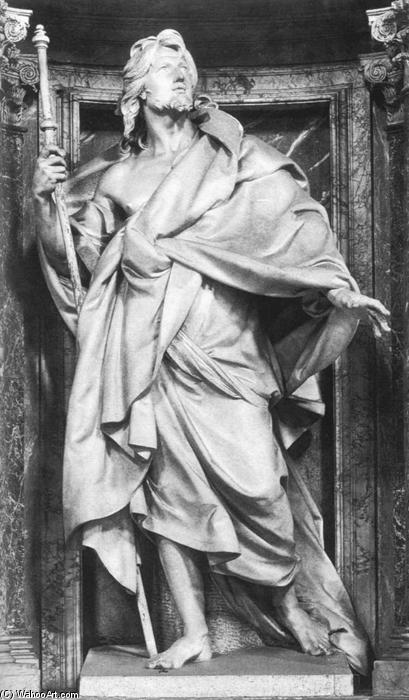
St James the Great


 Pročitaj više
Ručno rađena uljana reprodukcija
Ručno oslikano uljanim bojama na platnu u dimenzijama i okviru po vašem izboru, izrađeno po porudžbini od strane naših umetnika. ( Kupi print Kupi digitalnu sliku)




P118B $10

P118H $10

P118W $10

P438Z $10

P508JH $12

P508YH $12

P805H $10

P805Z $10

P919BZ $10

P919G $10

P919XJ $10

P959ZH $10

P968JZ $12

W106C $8

W218G $10

W218JH $8

W218Y $10

W307PJ $10

W316G $10

W316PJ $8

W316Y $10

W398PJ $8

W4111J $10

W500HY $15

W500JH $15

W692G $12

W849H $8

W940BG $15

W953PJ $8




Izaberite jednu od naših unapred definisanih veličina koje odgovaraju originalnim proporcijama umetničkog dela.

Можете унети сопствене димензије како бисте прилагодили дело одређеном оквиру или простору. Ако одабрана величина не одговара пропорцијама оригинала, слика ће бити исечена или проширена додатним елементима који се ручно насликавају. Дигитални prikaz ће вам бити послат на одобрење пре почетка производње.
Имајте на уму да преглед на екрану не одражава стварно исецање или проширење. Само приказ (mockup) ће тачно приказати коначну композицију.
Иако су доступне прилагођене величине, препоручујемо да одаберете димензију из дефинисане листе како бисте сачували оригиналне пропорције.
Nakon narudžbine, tim OriginalUniqueArt.com će klijentu putem e-pošte poslati uputstva i dostaviti prikaz predloženog rešenja
Isporuka širom sveta () za 3/4 nedelje umesto uobičajenih 5 nedelja. (17 август). Bez kompromisa po pitanju kvaliteta.

Besplatna ekspresna dostava širom sveta

Visokokvalitetno laneno platno

Kompletno osiguranje transporta

Garancija povraćaja carine i uvoznih dažbina

Garancija vernosti boja

Politika povrata u roku od 60 dana (samo u slučaju nedostataka)

Garancija povrata novca od 100%

Popust pri grupnoj kupovini
 Opcija sa staklom dostupna je samo za dimenzije manje od 110 cm

St James the Great
Tehnika reprodukcije
Dimenzije reprodukcije
-


Konačna cena
$ 300
Opis umetničkog dela
St James the Great by Camillo Rusconi – A Synthesis of Baroque Grandeur and Neoclassical Restraint
The sculpture “St James the Great” by Camillo Rusconi stands as a pivotal exemplar of artistic transition within the late Baroque period, deftly bridging the stylistic gap between opulent ornamentation and emerging clarity. Executed in 1715-1718, this monumental marble work resides within the Great Offley Church in Hertfordshire, England, offering visitors a tangible connection to both Flemish art heritage and the grandeur of Roman artistic life during Rusconi’s formative years.A Legacy Rooted in Milanese Tradition
Rusconi's artistic journey commenced under Giuseppe Rusnati’s tutelage in Milan, where he absorbed the influence of Ercole Ferrata’s workshop – a crucible for stylistic innovation at the time. This early exposure instilled within him a foundational understanding of Baroque principles, notably its dramatic use of chiaroscuro and dynamic sculptural form. However, Rusconi wasn't merely replicating established conventions; he subtly steered them toward the burgeoning aesthetic sensibilities of Neoclassicism, marking himself as an artist attuned to the evolving tastes of his era.Compositional Mastery: Contrapposto and Architectural Framing
The sculpture’s composition embodies masterful technique—primarily through the application of contrapposto posture, wherein St James's weight is borne on one leg while the other relaxes, creating a naturalistic stance that conveys both strength and repose. This pose is expertly complemented by an ornate architectural niche framing the figure, establishing spatial relationships and enhancing the sculpture’s visual impact. Strong vertical lines dominate the sculptural form and frame, mirroring the grandeur of Roman architecture, while curvilinear drapery introduces movement and dynamism—a characteristic Baroque element skillfully balanced against Neoclassical restraint.Materiality and Technique: Marble Sculpture's Elegance
Rusconi’s choice of marble – a material synonymous with prestige and permanence – underscores the sculpture’s enduring quality. The artist meticulously honed his craft, achieving remarkable smoothness and luminosity through polishing techniques that capture the subtle nuances of light and shadow. This chiaroscuro effect isn’t merely decorative; it serves to delineate the form and volume of St James's figure, conveying a profound sense of physicality and emotional depth. Furthermore, the sculpture’s surface texture reflects the meticulous attention to detail demanded by Baroque artistry.Symbolism and Emotional Resonance: Piety and Martyrdom
Beyond its formal brilliance, “St James the Great” resonates with symbolic significance—reflecting St James's historical role as a martyr for Christian faith. The sculpture embodies piety and solemn contemplation, inviting viewers to contemplate themes of sacrifice and spiritual devotion. Rusconi’s masterful execution captures not only the physical likeness of St James but also his inner essence, conveying an emotional impact that transcends mere visual representation—a testament to the artist's ability to imbue stone with profound meaning.A Bridge Between Eras: Rusconi's Contribution to Artistic Evolution
Camillo Rusconi’s legacy extends beyond this singular masterpiece; he represents a crucial link between Baroque exuberance and Neoclassical elegance. His work exemplifies the artistic dynamism of his time, demonstrating how artists could simultaneously embrace tradition while anticipating stylistic advancements—a characteristic that secures his place as one of the most influential sculptors of the eighteenth century.Biografija umetnika
A Bridge Between Eras: The Life and Art of Camillo Rusconi
Camillo Rusconi, born in Milan in 1658 and passing away in Rome in 1728, occupies a fascinating position within the history of Italian sculpture. He wasn’t merely a practitioner of the late Baroque; he was an artist who subtly, yet decisively, nudged the style toward the emerging sensibilities of Neoclassicism. His career unfolded during a period of artistic transition, and his work reflects this beautifully—a compelling blend of dynamic energy tempered by a growing emphasis on clarity and restraint. Rusconi’s journey began with formative training in Milan under Giuseppe Rusnati, who himself had strong ties to the workshop of Ercole Ferrata in Rome. This early exposure proved crucial, laying the groundwork for his eventual success and stylistic development within the heart of Roman artistic life.From Milan to Rome: Forging a Sculptural Path
In 1685 or 1686, Rusconi made the pivotal move to Rome, entering the studio of Ercole Ferrata. Fate intervened swiftly; Ferrata’s untimely death shortly after Rusconi's arrival meant the young sculptor had to quickly establish himself independently. He did so with remarkable speed and talent. Early commissions arrived steadily, including a significant project for the Ludovisi Chapel in Sant'Ignazio—four plaster allegorical statues representing Prudence, Justice, Temperance, and Strength. These works already hinted at Rusconi’s emerging style: powerful figures imbued with Baroque drama, yet possessing an underlying sense of order and composure. He also collaborated with Pierre Le Gros on the sculpting of angels for the tympanum of the altar of Saint Ignatius in the Church of the Gesù, further solidifying his reputation within Roman artistic circles. These early successes weren’t simply about securing patronage; they were about honing his skills and defining a unique voice amidst the established masters.Influences and Artistic Development
Rusconi's style wasn’t born in isolation. He absorbed the lessons of those who came before him, acknowledging the giants upon whose shoulders he stood. The influence of Alessandro Algardi and Gian Lorenzo Bernini is palpable—he adopted elements of their expressive forms and grand manner, understanding the power of dramatic gesture and emotional intensity. However, it was his relationship with the painter Carlo Maratta that proved most transformative. Maratta’s emphasis on ordered composition, clear presentation of figures, and a refined aesthetic resonated deeply with Rusconi. He sought to translate Maratta's principles into sculptural form, striving for a balance between Baroque dynamism and Neoclassical clarity. This pursuit led contemporaries to describe him as “Carlo Maratta in marble,” a testament to his ability to capture the painter’s spirit within the solid medium of stone.Monumental Achievements and Lasting Legacy
Rusconi's career culminated in several monumental achievements that cemented his place in Roman art history. Perhaps most celebrated is the series of four larger-than-life apostle statues—Matthew, James the Great, Andrew, and John—created between 1708 and 1718 for the niches of the Archbasilica of St. John Lateran. This commission was a fiercely contested one, with Rusconi ultimately securing more work than his rivals, Le Gros and Pierre-Etienne Monnot, demonstrating the esteem in which he was held by patrons and fellow artists alike. The Tomb of Pope Gregory XIII, completed between 1715 and 1723 for St. Peter's Basilica, stands as another testament to his skill in creating monumental funerary sculpture—a powerful blend of Baroque grandeur and Neoclassical restraint. Beyond these major projects, Rusconi contributed architectural decoration to San Silvestro in Capite, San Salvatore in Lauro, and the Chiesa Nuova (Santa Maria in Vallicella), leaving an indelible mark on the Roman cityscape. He also created the tomb of Bartolomeo Corsino in San Giovanni in Laterano and the monument for Prince Alessandro Sobieski in Santa Maria della Concezione. Rusconi’s influence extended beyond his own artistic creations. He trained a number of successful sculptors, including Pietro Bracci, Giovanni Battista Maini, and Filippo della Valle, ensuring that his stylistic principles would continue to flourish. In 1727, he was honored with the title of Principe (Prince) of the Accademia di San Luca—a fitting recognition of his standing within the Roman artistic community. Camillo Rusconi’s legacy lies not only in the beauty and power of his sculptures but also in his role as a pivotal figure in the transition from the Baroque to Neoclassical styles, shaping the course of Roman sculpture for generations to come.
Camillo Rusconi
1658 - 1728 , Italy
Osnovne informacije
- Artistic Movement Or Style: Late Baroque, Neoclassicism
- Artists Or Movements Influenced By This Artist:
- Pietro Bracci
- Giovanni Maini
- Filippo della Valle
- Artists Who Influenced This Artist:
- Algardi
- Bernini
- Carlo Maratta
- Date Of Birth: 1658
- Date Of Death: 1728
- Full Name: Camillo Rusconi
- Nationality: Italian
- Notable Artworks:
- Apostles at St. John Lateran
- Tomb of Pope Gregory XIII
- St James the Great
- Fortitude
- St John the Baptist
- Place Of Birth: Milan, Italy
Povezani članci
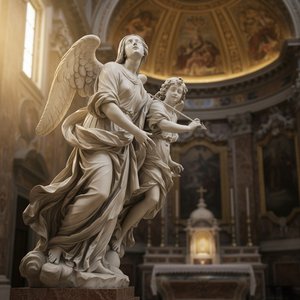
Gian Lorenzo Bernini: Sculpting Baroque Emotion & the Roman Imagination
Explore the life & revolutionary art of Gian Lorenzo Bernini, the master sculptor of the Baroque era. Discover his iconic works like David and Ecstasy of Saint Teresa – a journey into Roman artistic genius.

Theatricality & Triumph: Baroque Drama in Painting & Sculpture
Explore the dramatic world of Baroque art! Discover its history, defining characteristics, & lasting influence on painting & sculpture. Expert insights into Caravaggio, Zurbarán, and Bernini – plus high-quality reproductions at OriginalUniqueArt.
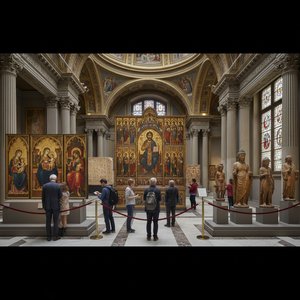
Sacred Narratives Embodied: A Comprehensive Exploration of Religious Iconography in Art History
Explore the rich history of religious iconography in art! Discover symbolism, movements & masterpieces from Byzantine to Renaissance periods. Expert insights for collectors and enthusiasts at OriginalUniqueArt.
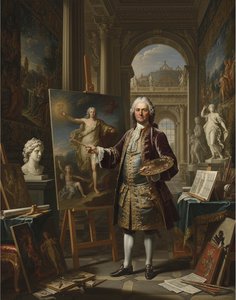
Charles Le Brun: Master of French Baroque Classicism & His Enduring Legacy
Explore the life & art of Charles Le Brun, master of French Baroque Classicism. Discover his royal commissions, influence on Versailles, and enduring legacy through detailed analysis & stunning artworks.
Sir James Jebusa Shannon: A Master of Victorian Portraiture & Aesthetic Style
Explore the life & art of Sir James Jebusa Shannon, a leading Victorian portrait painter. Discover his elegant style, technical mastery, and lasting influence on British art. Shop high-quality reproductions at OriginalUniqueArt.

