
 Pregledaj u prostoru
 Podeli
 Podeli
 Detalji
 Vodič
Vodič

 Preuzmi sliku
 Slični predmeti
 Rendgenski snimak
 Automatska prezentacija
 Statistika
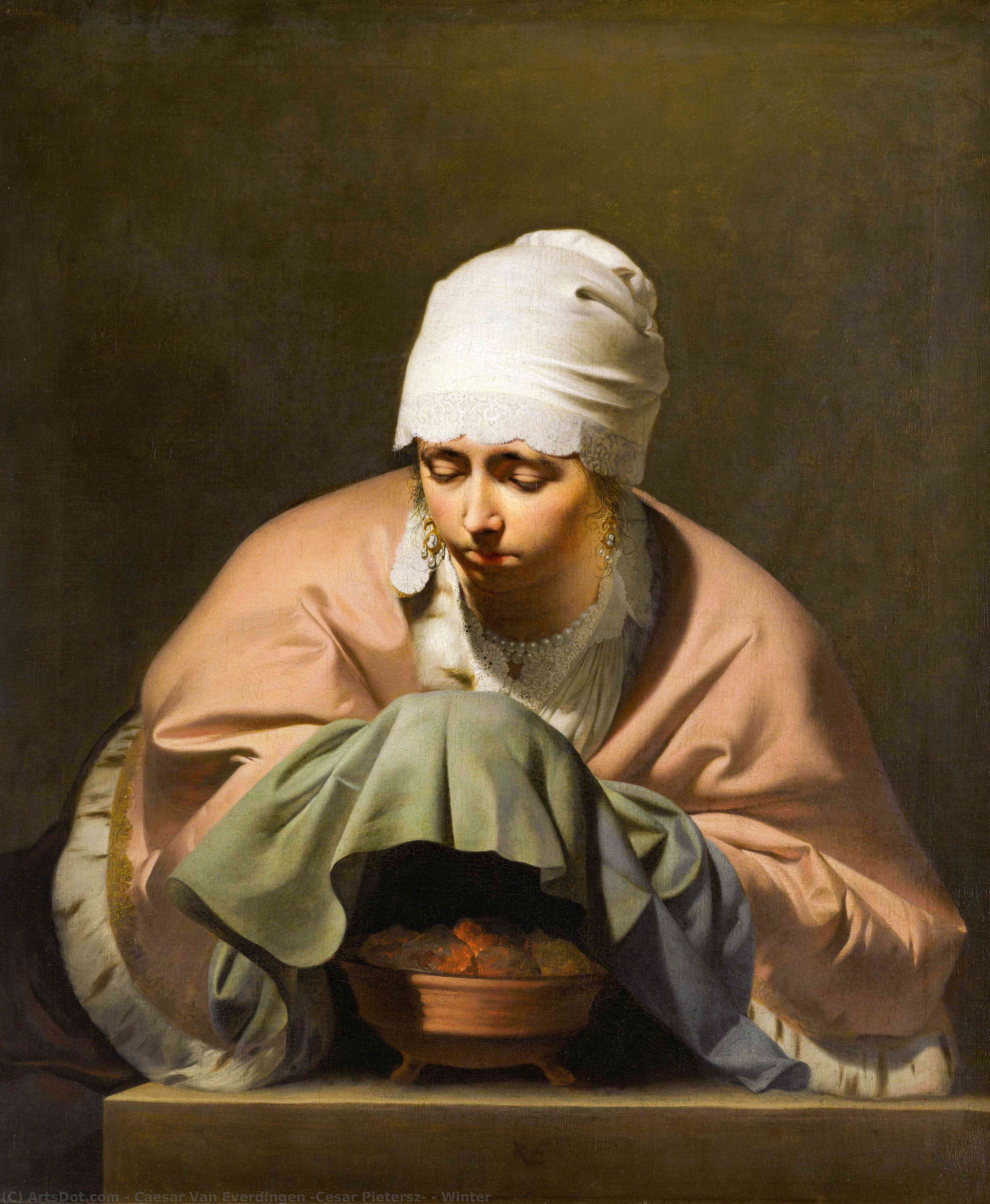
Winter
 Oil On Canvas
- WallArt
- Dutch Golden Age
 1646
1646- Early Modern
 97.0 x 81.0 cm
 Rijksmuseum
 Pročitaj više
Giclee štampa / Umetnički otisak
Giclée štampa ili print na platnu muzejskog kvaliteta uz brzu izradu i raznovrsne opcije završne obrade. ( Naručite ručno oslikano reprodukciju Pređi na prodaju digitalnih slika)




P118B дин10

P118H дин10

P118W дин10

P438Z дин10

P508JH дин12

P508YH дин12

P805H дин10

P805Z дин10

P919BZ дин10

P919G дин10

P919XJ дин10

P959ZH дин10

P968JZ дин12

W106C дин8

W218G дин10

W218JH дин8

W218Y дин10

W307PJ дин10

W316G дин10

W316PJ дин8

W316Y дин10

W398PJ дин8

W4111J дин10

W500HY дин15

W500JH дин15

W692G дин12

W849H дин8

W940BG дин15

W953PJ дин8




Izaberite jednu od naših unapred definisanih veličina koje odgovaraju originalnim proporcijama umetničkog dela.

Unesite širinu i visinu koja vam je potrebna, kako bi se uklopili u vaš ram ili na vaš zid. Štampa se može samo iseći, nikada ne može biti veća od originalne slike, stoga format sa drugačijim proporcijama gubi deo slike. Poslaćemo vam digitalni prikaz radi potvrde pre nego što započnemo štampu. Slika prikazana na ovoj stranici ne pokazuje stvarni rez — to pokazuje samo digitalni prikaz.
Dostava širom sveta () za 2 nedelje umesto uobičajenih 4/5 nedelja. (26 октобар)

Besplatna ekspresna dostava širom sveta

Visokokvalitetno laneno platno

Sveobuhvatno osiguranje transporta

Garancija povraćaja carine i uvoznih dažbina

Garancija vernosti boja i autentičnosti pri reprodukciji

Politika povraćaja u roku od 100 dana (samo u slučaju nedostataka)

Garancija povrata 100% novca

Popust pri većoj količini
 Opcija sa staklom dostupna je samo za dimenzije manje od 110 cm

Winter
Giclee štampa / Umetnički otisak
Veličina reprodukcije
-


Ukupna cena
дин 8248
A Whisper of Winter's Stillness
To gaze upon Caesar Van Everdingen’s Winter is to step directly into the hushed, contemplative atmosphere of the Dutch Golden Age. This painting, executed in 1646, transcends a mere depiction of a season; it captures an ephemeral moment—a pause in the rhythm of daily life under the soft dominion of winter's breath. The composition immediately draws the eye to the central figure: a young woman whose presence is both delicate and profound. Clad in attire that speaks of quiet dignity, she holds forth a bowl, suggesting sustenance or perhaps a symbolic offering. The entire scene is imbued with a sense of gentle melancholy, inviting the viewer to slow their own hurried pace and simply observe.
Mastery of Light and Domestic Intimacy
Technically, the work showcases Van Everdingen’s remarkable skill in handling oil on canvas. While the subject matter hints at elements of still life—the bowl, the table setting—the narrative weight is carried by the human element. Notice how the artist employs light not just to illuminate, but to sculpt. The background recedes into a rich, dark depth, allowing the illuminated figures and objects in the foreground to emerge with startling clarity. This dramatic interplay of chiaroscuro, so characteristic of the period, gives the painting an almost three-dimensional presence. It is a masterclass in rendering texture—from the soft drape of the white veil to the implied smoothness of the table cloth.
Symbolism Woven into the Scene
The symbolism within Winter is rich and layered, inviting endless scholarly contemplation. The season itself often represents dormancy, reflection, or a necessary period of rest before renewal. Paired with the domestic setting and the offering in the bowl, one might interpret this as a meditation on provision, endurance, or perhaps even the passage of time itself. The young woman acts as a conduit for these deeper themes; her quiet demeanor suggests an inner life unfolding against the backdrop of seasonal change. For the collector or decorator, this depth means the piece offers more than mere decoration—it offers conversation.
Echoes of Dutch Golden Age Grandeur
Caesar Pietersz van Everdingen was a painter deeply rooted in the traditions and advancements of his time. His ability to blend historical narrative with intimate genre scenes marks him as a significant figure. Owning a reproduction of Winter allows one to bring the sophisticated aesthetic of 17th-century Dutch art into a contemporary space. It speaks to an appreciation for meticulous detail, skilled craftsmanship, and the profound humanism that defined the Golden Age. Whether placed in a formal drawing-room or a thoughtfully curated study, this artwork promises an immediate elevation of ambiance, wrapping any room in a cloak of timeless, artistic elegance.
Pitanja i odgovori
Koji umetnički pravac obuhvata „Winter”, Cezar Van Everdingen?
„Winter”, Cezar Van Everdingen pripada pravcu Dutch Golden Age. Ovaj pravac pruža stilski kontekst dela.
U kojim godinama je Cezar Van Everdingen stvorio/la "Winter"?
Cezar Van Everdingen je kreirao/la "Winter" u uzrastu od 30 godina. Umetnik je rođen/a 1616, a datum stvaranja dela je 1646.
U kojoj godini i u okviru kog pravca je nastalo delo "Winter"?
Delo "Winter" nastalo je 1646. godine u okviru Dutch Golden Age pravca. Datum i umetnički pravac čine temelj ovog dela u istoriji umetnosti.
Biografija umetnika
Nasleđe svetlosti i linije: Život Cezara van Everdingena
U zlatnom dobu holandskog slikarstva, u kojem je igra svetlosti i senke definisala vizuelni identitet jedne nacije, Cezar van Everdingen se istakao kao majstor suptilnih emocija i atmosferske dubine. Rođen oko 1616. godine u istorijskom gradu Alkmar u Holandiji, njegov umetnički put bio je duboko isprepleten sa prestižnim porodičnim korenima. Iako se često pominje uz svoju slavnu braću, Alarta i Jana, Cezar je uspeo da izkuje sopstveni, poseban prostor unutar holandskog zlatnog doba. Njegovo rano obrazovanje pod okriljem cenjenog Jana Gerritsa van Bronckhorsta u Utrehtu pružilo mu je čvrste temelje klasične estetike, ugrađujući u njega preciznost koja će mu kasnije omogućiti da prevaziđe puku tehničku veštinu i dostigne istinsku umetničku viziju.
Njegov profesionalni uspon počeo je ozbiljno 1632. godine, kada se zvanično pridružio esnafu u Alkmaru. Tokom tih formativnih godina, njegov repertoar karakterisali su pedantni portreti i upečatljive žanrovske scene, dela koja su zahtevala intenzivno posmatranje ljudskog stanja. Međutim, kako je njegov talenat sazrevao, tako je rastela i njegova ambicija. Izašao je iz okvira doslovnog predstavljanja, razvijajući jedinstvenu sposobnost manipulacije potezima četkice kako bi uhvatio prolazne nijanse svetlosti i težinu atmosfere. Ova evolucija označila je njegov prelazak iz veštog zanatlije u vizionarskog slikara, sposobnog da udahne život u samo platno.
Haarlemske godine i velike ambicije
Ključno poglavlje u Van Everdingenovom životu otvorilo se 1648. godine, kada se preselio u vibrantni, kulturno bogati grad Harlem. Ovaj prelazak bio je više od obične promene okruženja; bila je to uranjanje u samo srce holandskog umetničkog sveta. Pridruživanjem prestižnom hartemskom esnafu Svetog Luke i aktivnošću u schutterij (građanskoj gardi), Cezar se utkao u samu tkaninu društvene i političke elite tog grada. Ove veze su bile presudne za dobijanje porudžbina koje će definisati njegov istorijski značaj.
Možda najzadahnutije dostignuće njegove karijere bilo je učešće u dekoraciji Oranje sale (Narandžaste sale) unutar dvorca Huis ten Bosch. Ovaj monumentalni poduhvat zahtevao je majstorstvo u istorijskom slikarstvu velikih formata, žanru koji zahteva i narativnu složenost i veličanstven razmer.
U tom okruženju, Cezar je pokazao svoju umeće u komponovanju epskih scena, spajajući istorijski značaj sa delikatnim dodirom. Njegov rad tokom ovog perioda prikazivao je rastuću sposobnost rukovanja složenim kompozicijama, osiguravajući da njegovo ime ostane vječno utisnuto u arhitektonsku istoriju Holandije.
Umetnička zrelost i trajni uticaj
U svojim poznim godinama, Cezar se vratio svojim korenima u Alkmaru, osnivajući radionicu koja je postala utočište za umetničko poučavanje. Ovaj period njegovog života obeležila je duboka posvećenost usavršavanju zanata i mentorstvu nove generacije slikara. Njegova kasna dela odražavaju život akumuliranog mudrosti, karakterisana ponavljajućom fascinacijom za nebeske i eterične teme. Postao je posebno poznat po prikazima krilatih figura — anđela i božanskih bića — izvedenih sa mekoćom koja je sugerisala prisustvo onoga što je uzvišeno.
Značaj Cezara van Everdingena ne leži samo u njegovim pojedinačnim remek-delima, već i u njegovoj ulozi mosta između strogih tradicija ranog 17. veka i emotivnijih, atmosferskih stilova koji su usledili. Njegova sposobnost da spoji preciznost holandskog portretstva sa veličanstvenošću istorijskog narativa ostaje svedočanstvo njegove svestranosti. Danas njegova dela služe kao vitalni prozori u dušu holandskog zlatnog doba, podsećajući nas na vreme kada je svaki potez četkice bio pokušaj da se uhvati večnost unutar prolaznog.

Cezar Van Everdingen
1616 - 1678 , Holandija
Brzi pregled
- Artistic Movement Or Style: Portret i istorija
- Artists Who Influenced This Artist: ['Jan Gerritsz van Bronckhorst']
- Date Of Birth: 1616/17
- Date Of Death: 1678
- Full Name: Cesar Pietersz van Everdingen
- Nationality: Holandski
- Notable Artworks:
- Vertumnus i Pomona
- Mlada žena koja greje ruke
- Place Of Birth: Alkmar, Holandija
Srodni članci

Illuminating Innovation: Exploring the Dutch Golden Age of Painting
Explore the Dutch Golden Age of painting with OriginalUniqueArt. Discover Rembrandt, Vermeer & other Masters. Learn about key characteristics, iconic artworks, and lasting influence. Expert insights for collectors & enthusiasts.

Golden Light & Dutch Skies: Bringing the Magic of Dutch Golden Age Landscapes into Your Home
Transform your home with the breathtaking light of Dutch Golden Age landscapes. Discover how hand-painted oil reproductions of masterworks like Ruisdael and Vermeer bring timeless elegance, atmosphere, and soulful texture to modern interiors. Elevate your space with museum-quality art.

Zlatno doba Holandske umetnosti: Top 10 remek dela za vaš dom
Otkrijte remek dela Holandskog zlatnog doba! Uronite u svet Rembrandta, Vermeera i drugih majstora. 10 ikoničnih slika koje su definisale umetnost. Inspiracija za vaš dom i kolekciju - ekskluzivne reprodukcije na OriginalUniqueArt.com!
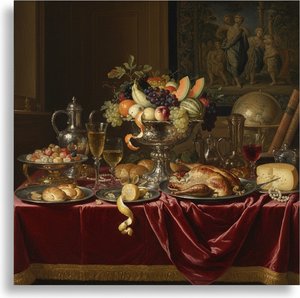
Abraham Hendricksz van Beyeren: Pioneering Dutch Still Life & the Banquet Tradition
Explore the captivating world of Dutch Golden Age still life with Abraham van Beyeren. Discover his innovative techniques, symbolic banquet scenes & lasting influence on art history. Learn about collecting these masterpieces.

Golden Age Reflections: Dutch Baroque Painting & Cultural Innovation
Explore the Dutch Golden Age of painting! Discover key artists like Vermeer & ter Borch, their innovative techniques, and the rich cultural context behind these Baroque masterpieces. Learn about collecting & appreciating this iconic art period.