
 Pregledaj u prostoru
 Pošalji
 Podeli
 Detalji o delu
 Vodič
Vodič

 Preuzmi
 Slični predmeti
 Rendgenski snimak
 Automatska prezentacija
 Q&A
Q&A Statistika
Death on a Pale Horse


 Pročitaj više
Giclee štampa / Umetnički otisak
Giclée štampa ili print na platnu muzejskog kvaliteta uz brzu izradu i raznovrsne opcije završne obrade. ( Kupite ručno oslikano delo Pređi na digitalnu sliku)




P118B дин10

P118H дин10

P118W дин10

P438Z дин10

P508JH дин12

P508YH дин12

P805H дин10

P805Z дин10

P919BZ дин10

P919G дин10

P919XJ дин10

P959ZH дин10

P968JZ дин12

W106C дин8

W218G дин10

W218JH дин8

W218Y дин10

W307PJ дин10

W316G дин10

W316PJ дин8

W316Y дин10

W398PJ дин8

W4111J дин10

W500HY дин15

W500JH дин15

W692G дин12

W849H дин8

W940BG дин15

W953PJ дин8




Izaberite jednu od naših unapred definisanih veličina koje odgovaraju originalnim proporcijama umetničkog dela.

Unesite željenu širinu i visinu kako bi se štampa uklopila u vaš ram ili zid. Štampu je moguće samo iseći, ali nikada povećati iznad dimenzija originalne slike, stoga format sa drugačijim proporcijama uzrokuje gubitak dela slike. Pre početka štampe, poslaćemo vam digitalni prikaz radi potvrde. Slika prikazana na ovoj stranici ne predstavlja stvarni isrez — to pokazuje samo digitalni prikaz.
Dostava širom sveta () za 2 nedelje umesto uobičajenih 4/5 nedelja. (1 новембар)

Besplatna ekspresna dostava širom sveta

Visokokvalitetno laneno platno

Potpuno osiguranje transporta

Garancija povraćaja carine i uvoznih dažbina

Garancija vernosti boja

Politika povraćaja u roku od 100 dana (samo u slučaju nedostataka)

Garancija povrata 100% novca

Popust na više proizvoda
 Opcija sa staklom dostupna je samo za dimenzije manje od 110 cm

Death on a Pale Horse
Giclee štampa / Umetnički otisak
Dimenzije reprodukcije
-


Ukupna cena
дин 8334
The Genesis of Despair – Benjamin West’s “Death on the Pale Horse”
Benjamin West's "Death on a Pale Horse," painted in 1796, isn't merely a depiction of a biblical scene; it’s an immersive plunge into the heart of human anxiety and the sublime terror of impending doom. Born amidst the burgeoning intellectual currents of colonial America, West was a painter who defied easy categorization, seamlessly blending Neoclassical restraint with Romantic fervor. This particular work, one of three versions created around the same time, stands as a testament to his ability to capture not just outward appearances but also the profound emotional weight of historical and religious narratives. The painting’s genesis lies in the chilling verses of Revelation 6:7-8 – “And when he opened the fourth seal, I heard the voice of the fourth beast say, Come and see. And I looked, and behold a pale horse; and his name that sat on him was Death, and Hell followed with him.” West wasn’t simply illustrating scripture; he was grappling with the anxieties of his era – the turbulent political landscape of Europe, marked by revolution and war, and a growing sense of uncertainty about the future. The composition itself is deliberately chaotic, reflecting the apocalyptic imagery it portrays, yet grounded in a carefully constructed arrangement that draws the viewer into the maelstrom.
A Symphony of Darkness and Light – Technique and Style
West’s masterful technique elevates “Death on a Pale Horse” beyond a simple illustration. He employs a dramatic chiaroscuro—a stark contrast between light and shadow—to create an atmosphere thick with foreboding. The palette is dominated by deep, bruised purples, somber browns, and the sickly yellow of the pale horse itself, evoking a sense of decay and impending mortality. The figures are rendered with meticulous detail, their faces contorted in expressions of agony and despair, yet imbued with a haunting beauty. Notice particularly the angel on the left, his face etched with sorrow as he witnesses the carnage; his posture conveys both helplessness and profound grief. The use of loose brushstrokes in the background adds to the sense of movement and chaos, while more controlled strokes define the central figures, anchoring the scene within a framework of dramatic intensity. The painting’s scale—a monumental 447 cm x 764.5 cm—further amplifies its impact, enveloping the viewer in the horrifying spectacle.
Symbolism Woven into the Apocalypse – Horses, Angels, and Humanity
Beyond the immediate depiction of a battle between good and evil, “Death on a Pale Horse” is rich with symbolic meaning. The pale horse itself, ridden by Death, is the most potent symbol—a harbinger of destruction and decay. The accompanying figure of Hell, often depicted as a winged demon, reinforces this theme of ultimate annihilation. However, West doesn’t simply portray a passive victimhood; the painting also features angels engaged in fierce combat, representing the struggle between divine forces. The human figures scattered across the battlefield—some falling, some fleeing—represent humanity caught in the crossfire of cosmic conflict. The inclusion of various animals – horses, birds, and even a lion – adds layers of complexity to the symbolism, suggesting the indiscriminate nature of death and destruction. The overall effect is not merely a depiction of a single event but an exploration of universal themes of mortality, suffering, and the fragility of human existence.
A Legacy of Vision – Historical Context and Artistic Significance
“Death on the Pale Horse” emerged during a period of profound social and political upheaval in Europe. The French Revolution was raging, Napoleon’s armies were conquering vast territories, and anxieties about the future were widespread. West's painting reflects this atmosphere of uncertainty and fear, capturing the sense that order was collapsing and chaos reigned supreme. Furthermore, the work aligns with the broader artistic trends of the late 18th century, particularly the rise of the “Sublime”—a concept emphasizing awe-inspiring beauty combined with a sense of terror or dread. West’s painting exemplifies this aesthetic, evoking feelings of both fascination and horror in the viewer. It's considered one of his most significant works, alongside "The Death of General Wolfe" and "Benjamin Franklin Drawing Electricity from the Sky," solidifying his position as a pivotal figure in American art history. Reproductions of this powerful image continue to resonate with audiences today, reminding us of our shared vulnerability in the face of mortality.
Pitanja i odgovori
Za šta se preporučuje reprodukcija dela „Death on a Pale Horse”, autor Bendžamin Vest?
Preporučena upotreba printa dela "Death on a Pale Horse" je Statement.
Postoje li dela slična delu "Death on a Pale Horse"?
Radovi slični delu „Death on a Pale Horse“ možete pronaći na stranici Slična dela ovog umetničkog dela.
Gde mogu pronaći vodič za "Death on a Pale Horse"?
Vodič za "Death on a Pale Horse" je stranica Vodič za učenike za ovo umetničko delo – štampani informativni list koji prikazuje delo sa njegovim opisom, podacima o autorstvu i identifikacionom tabelom (umetnik, datumi, tehnika, originalna veličina, kolekcija).
Biografija umetnika
Pionir koji je spajao svetove: Život i nasleđe Benjamina Vesta
Rođen 1738. godine u proključaloj kolonijalnoj Pensilvaniji, Benjamin Vest se pojavio kao ključna figura u transatlantskom svetu umetnosti – slikar koji je vešto navigirao kroz strujanja neoklasicizma i romantizma, istovremeno kujući jedinstveni američki umetnički identitet. Njegova priča je priča o izuzetnom samousavršavanju, nepokolebljivoj ambiciji i neverovatnoj sposobnosti da se poveže sa aristokratskim pokroviteljima i revolucionarnim idealima. Počevši od skromnih početaka – njegov otac bio je vlasnik krčme u Springfieldu – Vestov urođeni talenat negovan je ranom izloženošću umetnosti, navodno učeći osnovne tehnike od domorodačkih Amerikanaca pre nego što je dobio bilo kakvu formalnu obuku. Ovaj nekonvencionalni početak usađen je u njega duh inovacija koji će karakterisati njegovu celu karijeru. Brzo se etablirao kao traženi portretista u Filadelfiji i Njujorku, ali žed za dubljim umetničkim znanjem ga je 1760. godine naterao da krene ka Evropi, započevši putovanje koje će nepovratno promeniti tok američke umetnosti.Od Italije do Londona: Korišćenje puta do priznanja
Vestov dolazak u Italiju označio je prekretnicu. Uronjen u umetnički centar Evrope, proučavao je majstore – Ticijana, Rafaela – i sarađivao sa savremenim neoklasicističkim misliocima poput Antona Rafaela Mengsa i Anđelike Kaufman. Ovaj period je bio ključan za oblikovanje njegove estetske osetljivosti, usađujući mu poštovanje prema klasičnom obliku i istorijskom narativu. Međutim, London je na kraju postao njegov usvojeni dom i umetnički centar. Dolaskom 1763. godine, Vest se brzo popeo na rangove britanske umetničke scene, očaravajući publiku svojim ambicioznim platnima i obezbeđujući pokroviteljstvo kralja Džordža III. Ova kraljevska podrška ne samo da je obezbedila finansijsku stabilnost, već je učvrstila njegov položaj kao vodeće figure u establišmentu. Definitivan trenutak došao je sa njegovim izborom za Kraljevsku akademiju 1769. godine, instituciju kojoj će kasnije predsedavati kao Predsednik od 1792. do njegove smrti. Njegov uticaj se protezao van sopstvene umetničke produkcije; Vest je postao zagovornik američkih umetnika koji traže obuku u inostranstvu, nudeći smernice i podršku generacijama ambicioznih slikara poput Allstona, Koplija i Morsa.Revolucionisanje istorijske slike: tehnika i kontroverze
Vestov uticaj na umetnički svet nije bio samo o postizanju tehničkog majstorstva; u pitanju je bilo osporavanje konvencija. Usudio se da ponovo zamisli istorijsku sliku, udaljavajući se od rigidne vernosti klasičnim precedentama i prihvatajući savremeniju osetljivost. Smrt generala Volfa (1770), verovatno njegovo najpoznatije delo, primer je ovog revolucionarnog pristupa. Prikazujući palog generala okruženog figuralama u *savremenoj* vojnoj odeći umesto tradicionalne rimske garderobe, Vest je izazvao značajnu debatu. Kritičari su dovodili u pitanje istorijsku tačnost, ali je publika bila očarana neposrednošću i emocionalnim odjekom scene. Ovaj hrabar potez signalizirao je pomak ka većem realizmu i narativnoj snazi u istorijskoj slici, utičući na bezbroj umetnika koji su sledili. Njegov stil se vremenom razvijao, uključujući elemente romantizma u kasnijim radovima, ali je uvek zadržavao posvećenost ambicioznom sastavu i detaljnoj izvedbi. Druga značajna dela poput Tetis donosi oklop Ahilu, Tri sestre, Strah Astjanaksa i Pećina očaja demonstriraju njegovu svestranost i majstorstvo u nizu mitoloških i istorijskih tema.Trajno nasleđe: Oblikovanje umetničkog identiteta
Nasleđe Benjamina Vesta seže daleko van platna koje je stvorio. On je fundamentalno promenio pejzaž američke umetnosti, uspostavljajući istorijsku sliku kao održiv žanr za američke umetnike i podstičući osećaj nacionalnog umetničkog identiteta. Njegovo predsedavanje Kraljevskom akademijom učvrstilo je njegov uticaj na britansku umetnost, promovišući inovacije i podržavajući nadajuće talente.- Zagovarao je pristupačniji i emotivnije angažovan stil istorijske reprezentacije.
- Njegova radionica postala je utočište za američke umetnike koji traže obuku u Evropi.
- Spajao je jaz između neoklasičnih ideala i rastućeg romantizma.

Bendžamin Vest
1738 - 1820 , Sjedinjene Američke Države
Osnovne informacije
- Artistic Movement Or Style: Neoklasicizam, romantizam
- Artists Or Movements Influenced By This Artist:
- Allston
- Copley
- Morse
- Artists Who Influenced This Artist:
- Titijan
- Rafael
- Mengs
- Hamilton
- Kauffman
- Date Of Birth: 10. oktobar 1738.
- Date Of Death: 11. mart 1820.
- Full Name: Benjamin West
- Nationality: Amerikanac
- Notable Artworks:
- Smrt generala Volfa
- Teti Bringing Armor
- Tri sestre
- Astyanaxov strah
- Place Of Birth: Springfield, SAD
Povezani članci
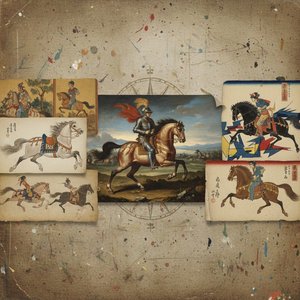
The Noble Steed on Canvas: A Historical & Artistic Exploration of Horse Painting Across Cultures
Explore the rich history of horse painting! Discover masterpieces from Stubbs to Munnings & learn about symbolism, techniques & artists. Find museum-quality reproductions at OriginalUniqueArt.

Benjamin West: Transatlantic Ambition & Shaping American Art
Explore the life & legacy of Benjamin West, pioneering American artist and Royal Academy president. Discover his Neoclassical masterpieces, transatlantic influence, and lasting impact on art history. Learn more at OriginalUniqueArt.

The Equine Muse: A Historical & Artistic Exploration of Horses in Painting
Explore the captivating history of horses in painting! Discover Renaissance masterpieces, Baroque grandeur & expert insights for collecting equestrian art. Learn about symbolism, techniques & lasting value with OriginalUniqueArt.
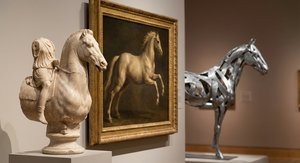
The Noble Steed: A Historical and Artistic Exploration of Horses in Fine Art
Explore the rich history of horses in fine art! From ancient depictions to Renaissance masterpieces & beyond, discover iconic artworks and artists. Learn about symbolism, techniques, and find museum-quality reproductions at OriginalUniqueArt.

Pale Goldenrod Masterpieces: 10 Famous Paintings & Timeless Art Decor Ideas
Explore 10 famous paintings bathed in 'Pale Goldenrod' tones! From Van Gogh’s sunflowers to Monet’s haystacks, discover the stories & artistry behind these iconic artworks. Find museum-quality reproductions and curated decor ideas at OriginalUniqueArt.com.
