

 Pregledaj u prostoru
 Podeli
 Podeli
 Detalji
 Vodič
Vodič

 Preuzmi sliku
 Slični predmeti
 Rendgenski snimak
 Automatska prezentacija
 Statistika
Жовнер Моррис мл.


 Pročitaj više
Kupite digitalnu sliku visoke rezolucije i poboljšanog kvaliteta, koja je znatno superiornija od onoga što vidite u online prikazu.
Svaka datoteka je pedantno pripremljena od strane naših stručnjaka koristeći napredne alate i profesionalnu ručnu retušu. Osiguravamo da svaka slika ima izuzetnu oštrinu, preciznu reprodukciju boja i fine detalje.
Konačna datoteka se dostavlja putem e-pošte u roku od 72 sata, optimizovana za neposrednu upotrebu u profesionalnim, izdavačkim i štamparskim okruženjima. To je isti kvalitet kojem veruju vrhunski studiji dizajna, izdavači i galerije.
Digitalna slika
Preuzmite datoteku visoke rezolucije za ličnu upotrebu, štampanje i kreativne projekte. ( Pređi na prodaju štampanih primeraka Naručite ručno oslikano reprodukciju)
Uključeno uz svaku porudžbinu digitalne slike
Ekspertska digitalna isporuka, zagarantovana
Kada odaberete OriginalUniqueArt.com, ne dobijate samo sliku – vi primate profesionalno unapređeno digitalno umetničko delo, izrađeno sa najvećom preciznošću i uz garanciju zadovoljstva. Evo svega što automatski dolazi uz vašu porudžbinu:

Brza dostava putem e-pošte
Vaša digitalna slika visoke rezolucije biće vam poslata putem e-pošte u roku od 72 sata od poručivanja – spremna za trenutnu upotrebu.

Digitalna datoteka unapređena veštačkom inteligencijom
Vaše umetničko delo je profesionalno optimizovano primenom naprednih AI alata i ručne obrade, čime se osiguravaju maksimalni detalji, oštrina i preciznost boja.

Besplatna doživotna ponovna isporuka
Slučajno ste obrisali ili izgubili svoju datoteku? Ne brinite – poslaćemo vam je ponovo u bilo kom trenutku, potpuno besplatno.

Bez troškova uvoza – zauvek
Uživajte u svojim umetničkim delima trenutno, bez carine, akciza ili troškova dostave – digitalni download je uvek bez poreza.

Garancija preciznosti boja
Uz pomoć profesionalnih alata i upravljanja bojama, osiguravamo da vaša digitalna slika što vernije odražava originalne boje.

Garancija zadovoljstva u roku od 100 dana
Ako niste zadovoljni svojom digitalnom slikom, izvršićemo reviziju ili ćemo vam vratiti 100% novca u roku od 100 dana – bez ikakvih pitanja.

100% garancija povrata novca
Niste zadovoljni? Dobijte puni povraćaj novca u roku od 100 dana od prijema digitalne datoteke – bez suvišnih pitanja.

Popusti na velike porudžbine
Kupite 3 slike, uštedite 10% - Kupite 5 slika, uštedite 15% - Kupite 10+ slika, uštedite 20%. Odlično za kreativne projekte, galerije i agencije.
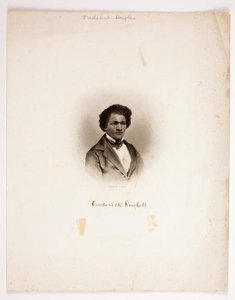
Gouverneur Morris: A Portrait of Enlightenment Ambition
The engraving depicting Gouverneur Morris stands as a testament to Benjamin Bartoell Ellis’s masterful skill in capturing the essence of a pivotal figure from American history—a man whose intellect and influence shaped the very foundations of the nation. Executed in 1783, this artwork transcends mere likeness; it embodies the spirit of the Enlightenment, reflecting Morris's profound engagement with philosophical ideals and his unwavering conviction in republican principles. Ellis’s meticulous attention to detail elevates the portrait beyond a simple depiction of appearance, delving into the psychological complexities that defined Morris’s character.- Subject Matter: Gouverneur Morris (1752–1816) was an American statesman and signatory to both the Articles of Confederation and the United States Constitution. He championed the concept of a unified republic, advocating for a vision of governance rooted in civic virtue and intellectual discourse—a stance that positioned him squarely at the forefront of the burgeoning republican movement.
- Style: Ellis’s engraving adheres to the conventions of neoclassicism, mirroring the artistic sensibilities prevalent during Morris's lifetime. The restrained palette, characterized by muted tones and subtle shading, exemplifies the classical pursuit of harmony and balance—a stylistic choice that underscores Morris’s intellectual stature and his commitment to reasoned judgment.
- Technique: Ellis skillfully employed etching techniques, utilizing acid resistance on a copper plate to create lines of varying depth and tonal gradation. This meticulous process ensured exceptional precision in rendering the portrait's contours and textures, capturing the nuances of Morris’s facial features and attire with remarkable accuracy.
Symbolism Within the Frame: Wallpaper and Books
The background wallpaper—a patterned design reminiscent of classical arabesques—serves as more than mere decorative embellishment; it symbolizes Morris's engagement with intellectual traditions and his aspiration for a refined aesthetic sensibility. The repetition of geometric motifs reflects the Enlightenment’s fascination with mathematical precision and rational order, mirroring Morris’s belief in the power of reason to illuminate human understanding. Furthermore, the inclusion of two books—one positioned on the left and another on the right—represents Morris's erudition and his dedication to scholarly pursuits. These texts likely pertain to philosophical treatises or historical narratives, symbolizing his intellectual engagement with the ideas that underpinned the Enlightenment era.- Wallpaper Pattern: The arabesque pattern symbolizes harmony, balance, and order – values central to classical thought and Morris’s worldview.
- Books: Their presence signifies Morris's commitment to knowledge, reason, and intellectual discourse—essential components of the Enlightenment ideal.
Emotional Resonance: Capturing Character Through Gesture
Ellis’s masterful portrayal captures not only Morris’s physical appearance but also his inner demeanor—a subtle gesture conveying confidence and thoughtfulness. The artist's keen observation of facial expressions and posture reveals a profound understanding of human psychology, demonstrating Ellis’s ability to convey Morris’s character through visual cues. This nuanced depiction underscores the importance of capturing emotion alongside likeness, elevating the portrait beyond a mere representation of identity into an exploration of human experience—a testament to Ellis’s artistic vision and his enduring legacy as a portraitist. The engraving invites contemplation on Morris's role in shaping American history and embodies the spirit of intellectual curiosity that defined his era.Biografija umetnika
Allan Ramsay: A Pioneer of British Portraiture
Born in Edinburgh on October 13, 1713, Allan Ramsay emerged as a pivotal figure in the burgeoning world of British art during the mid-18th century. His life was inextricably linked to the cultural and artistic currents sweeping through Scotland and England, shaping him into one of the most celebrated portrait painters of his time. Ramsay’s career unfolded against a backdrop of intellectual ferment, influenced by the Enlightenment and a renewed interest in classical art – a legacy he skillfully integrated into his distinctive style.
His early artistic training began under Duncan Forbes, a prominent Scottish painter known for his historical works, and later with Francis Egerton, 3rd Duke of Bridgewater, a wealthy patron who provided Ramsay with invaluable opportunities to study in Rome and Naples. These formative years exposed him to the techniques and aesthetics of Italian masters like Francesco Solimena and Giuseppe Bartolomeo Campana, profoundly impacting his approach to composition, color, and handling of paint. Ramsay’s time in Italy wasn't merely a period of imitation; he absorbed and adapted these influences, ultimately forging a unique style that blended classical elegance with a distinctly British sensibility.
Upon returning to England, Ramsay quickly established himself as the portraitist of choice for the aristocracy and gentry. His ability to capture not only physical likeness but also personality and character was remarkable. He possessed an intuitive understanding of his subjects, skillfully employing subtle gestures, expressions, and clothing details to reveal their inner lives. His portraits were commissioned by prominent figures like Archibald Campbell, 3rd Duke of Argyll (whose image became the iconic design for the Royal Bank of Scotland banknotes), George III, and numerous members of the landed elite. The enduring popularity of his work speaks volumes about his artistic skill and his ability to connect with his subjects on a deeper level.
The Art of the Portrait: Technique and Style
Ramsay’s portraiture is characterized by its refined elegance, delicate color palette, and masterful use of light. He favored a technique known as “alla prima,” working directly onto the canvas without preliminary sketches, allowing for spontaneity and immediacy in his brushwork. His compositions were typically balanced and symmetrical, reflecting the classical ideals he had absorbed during his time in Italy. However, unlike many of his Italian contemporaries, Ramsay avoided overly theatrical poses or dramatic lighting effects, instead opting for a more naturalistic approach that emphasized grace and composure.
His use of color was particularly noteworthy. He employed subtle gradations of tone to create a sense of depth and volume, while his palette generally consisted of muted earth tones—ochres, browns, and grays—interspersed with touches of red, blue, and green. Ramsay’s attention to detail was meticulous, evident in the rendering of fabrics, jewelry, and facial features. He was a skilled draughtsman, as evidenced by his extensive collection of preparatory chalk drawings, which offer valuable insights into his working methods.
Social Connections and Literary Circles
Ramsay’s life extended beyond the realm of art; he was a prominent figure in Edinburgh's intellectual and literary circles. He maintained close relationships with poets like James Thomson and Robert Ferguson, and his salon became a gathering place for artists, writers, and musicians. His own father, Allan Ramsay (the poet), exerted a significant influence on his artistic development, fostering an appreciation for literature and the arts. Ramsay’s social connections provided him with access to influential patrons and helped shape his artistic vision.
His correspondence reveals a keen interest in art theory and criticism, as well as a fascination with classical archaeology. He traveled extensively throughout Italy, revisiting sites of historical significance and studying ancient ruins. These experiences further enriched his understanding of the classical world and informed his approach to portraiture – he sought to capture not just likeness but also the character and spirit of his subjects.
Legacy and Influence
Allan Ramsay’s impact on British art is undeniable. He established a new standard for portrait painting, elevating it from a mere exercise in likeness to an exploration of human psychology and social status. His elegant style and refined technique influenced generations of artists who followed, including Thomas Gainsborough and George Romney. His portraits continue to be admired for their beauty, grace, and enduring appeal.
Ramsay died on August 10, 1784, in Dover, leaving behind a substantial body of work that remains a testament to his artistic skill and vision. His legacy as one of the most important portrait painters of the 18th century is firmly secured, and his paintings continue to be exhibited and studied by art historians and enthusiasts around the world.
benjamin barton ellis
1784 - 1855