

 Pregledaj u prostoru
 Pošalji
 Podeli
 Detalji o delu

 Преузми
 Slični predmeti
 Rendgenski snimak
 Slajdovi
Boy with a Flute
 Acrylic On Canvas
- WallArt
- Baroque Portraiture
 1720
1720 42.0 x 33.0 cm
 Hermitage Museum
 Pročitaj više
Ručno rađena uljana reprodukcija
Ručno oslikano uljanim bojama na platnu u dimenzijama i okviru po vašem izboru, izrađeno po porudžbini od strane naših umetnika. ( Kupi print Kupi digitalnu sliku)




P118B $10

P118H $10

P118W $10

P438Z $10

P508JH $12

P508YH $12

P805H $10

P805Z $10

P919BZ $10

P919G $10

P919XJ $10

P959ZH $10

P968JZ $12

W106C $8

W218G $10

W218JH $8

W218Y $10

W307PJ $10

W316G $10

W316PJ $8

W316Y $10

W398PJ $8

W4111J $10

W500HY $15

W500JH $15

W692G $12

W849H $8

W940BG $15

W953PJ $8




Izaberite jednu od naših unapred definisanih veličina koje odgovaraju originalnim proporcijama umetničkog dela.

Можете унети сопствене димензије како бисте прилагодили дело одређеном оквиру или простору. Ако одабрана величина не одговара пропорцијама оригинала, слика ће бити исечена или проширена додатним елементима који се ручно насликавају. Дигитални prikaz ће вам бити послат на одобрење пре почетка производње.
Имајте на уму да преглед на екрану не одражава стварно исецање или проширење. Само приказ (mockup) ће тачно приказати коначну композицију.
Иако су доступне прилагођене величине, препоручујемо да одаберете димензију из дефинисане листе како бисте сачували оригиналне пропорције.
Nakon narudžbine, tim OriginalUniqueArt.com će klijentu putem e-pošte poslati uputstva i dostaviti prikaz predloženog rešenja
Isporuka širom sveta () za 3/4 nedelje umesto uobičajenih 5 nedelja. (27 август). Bez kompromisa po pitanju kvaliteta.

Besplatna ekspresna dostava širom sveta

Visokokvalitetno laneno platno

Kompletno osiguranje transporta

Garancija povraćaja carine i uvoznih dažbina

Garancija vernosti boja

Politika povrata u roku od 60 dana (samo u slučaju nedostataka)

Garancija povrata novca od 100%

Popust pri grupnoj kupovini
 Opcija sa staklom dostupna je samo za dimenzije manje od 110 cm

Boy with a Flute
Tehnika reprodukcije
Dimenzije reprodukcije
-


Konačna cena
$ 300
Opis umetničkog dela
Benedetto Luti’s “Boy with a Flute”: A Masterpiece of Pastel Elegance
The Florentine artist Benedetto Luti (1666–1724) stands as an extraordinary figure in Baroque art, particularly renowned for his pioneering use of pastel—a technique that would profoundly influence subsequent generations of painters. While biographical details remain somewhat sparse, Luti’s artistic journey was undeniably shaped by the vibrant cultural landscape of Florence, where he absorbed the legacy of Renaissance grandeur and embraced burgeoning creative impulses. His relocation to Rome marked a pivotal moment in his career, propelling him into the epicenter of Baroque innovation and establishing him as an artist celebrated not merely for technical prowess but for audacious experimentation—a willingness to transcend established conventions and explore uncharted artistic territories.A Portrait Steeped in Symbolism
“Boy with a Flute,” painted circa 1720, exemplifies Luti’s distinctive approach to portraiture. Unlike the opulent grandeur often associated with Baroque commissions, this piece exudes understated elegance—a hallmark of Luti's stylistic signature. The subject is depicted in meticulous detail: a young boy seated against a muted wall backdrop, holding a flute poised delicately near his mouth. This seemingly simple composition belies a wealth of symbolic significance. The flute itself represents musical artistry and intellectual contemplation—themes frequently explored by Baroque artists as expressions of humanist ideals. Furthermore, the boy’s gaze directly engages the viewer, fostering a sense of intimacy and inviting reflection on themes of youthfulness, innocence, and aspiration.Technique: Pastel – A Revolutionary Medium
Luti's brilliance lay not only in his compositional vision but also in his masterful manipulation of pastel—a medium he championed as a final artistic finish. Prior to Luti’s breakthrough, artists predominantly utilized oil paints for portraiture, resulting in canvases characterized by rich textures and vibrant hues. Pastel offered an entirely different aesthetic experience—one defined by luminosity, softness, and ethereal delicacy. By applying pigment mixed with chalk or powdered pastel onto prepared paper, Luti achieved unparalleled tonal subtlety and nuanced color gradations that surpassed the capabilities of oil paint. This innovative technique allowed for a captivating illusion of depth and luminescence, capturing fleeting expressions of emotion with remarkable precision.Historical Context: The Rococo’s Delicate Influence
“Boy with a Flute” emerged during the transitional period between Baroque and Rococo styles—a moment when artistic sensibilities were shifting toward greater refinement and ornamentation. While Luti firmly rooted his work in Baroque principles, he undeniably absorbed influences from the burgeoning Rococo movement, which favored pastel hues, asymmetrical compositions, and playful decorative motifs. This fusion of stylistic elements underscores Luti’s artistic adaptability and demonstrates his ability to synthesize disparate traditions into a cohesive visual language—a testament to his enduring legacy as an innovator who reshaped the contours of European art history.Emotional Resonance: Capturing Transient Beauty
Ultimately, “Boy with a Flute” transcends mere representation; it embodies Luti’s profound understanding of human psychology and his capacity to evoke emotional resonance within the viewer. The painting's muted palette—dominated by shades of blue and white—creates an atmosphere of serenity and contemplation—reflecting the boy’s serene demeanor and conveying a sense of timeless beauty. Through meticulous attention to detail and masterful tonal control, Luti captures not only the physical appearance of his subject but also his inner spirit—a feat accomplished with remarkable sensitivity and artistic conviction. This enduring masterpiece continues to inspire admiration for its elegance, subtlety, and profound emotional impact.- Artist: Benedetto Luti
- Year: 1720
- Medium: Pastel on Paper
- Location: Hermitage Museum
- Boy with a Flute by LUTI, Benedetto – Web Gallery of Art
- Benedetto Luti – Artists Database
- Boy with a Flute – Artworks Database
- File:Boy with the flute Benedetto Luti (1720).jpg – Wikimedia Commons
Povezani članci

Barok Majstor dela: Top 10 Umjetničkih Remeka za Vaš Dom
Otkrijte 10 remek dela koja su definisala baroknu umetnost! Karavagio, Bernini i više – istražite priče iza ovih ikoničnih slika. Inspiracija za vaš dom? Pogledajte kolekciju na OriginalUniqueArt.com!

Барокна драма: Уношење величине и емоција у савремене ентеријере
Откријте барокну драму и унесите величину у ваш ентеријер! OriginalUniqueArt нуди ручно насликане репродукције, персонализоване портрете и стручне консултације за љубитеље класичне уметности. Потражите савршено дело већ данас!
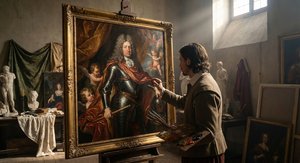
The Grandeur of Baroque Portraiture: Power, Emotion & Artistic Innovation
Explore the grandeur of Baroque portraiture! Discover Rubens, Van Dyck & the masters of 17th-century art. Uncover symbolism, techniques & lasting influence. Expert insights for collectors and enthusiasts.

Baroque Classicism: The Grandeur of Order and Drama in 17th-Century Art History
Explore the profound elegance of Baroque Classicism. Discover how 17th-century masters synthesized dramatic emotion with classical order through the lens of the Counter-Reformation and the works of legends like Carlo Maratta and Andrea Sacchi.

The Subtleties of Pastel: A Comprehensive Exploration of Technique, History & Emotional Resonance
Explore the captivating world of pastel art! Discover its rich history, Impressionistic masters like Degas, emotional power & unique techniques. Find museum-quality reproductions at OriginalUniqueArt.


.jpg)