- Početna strana

- Reprodukcija uljane slike
- Bartolomeo Passarotti
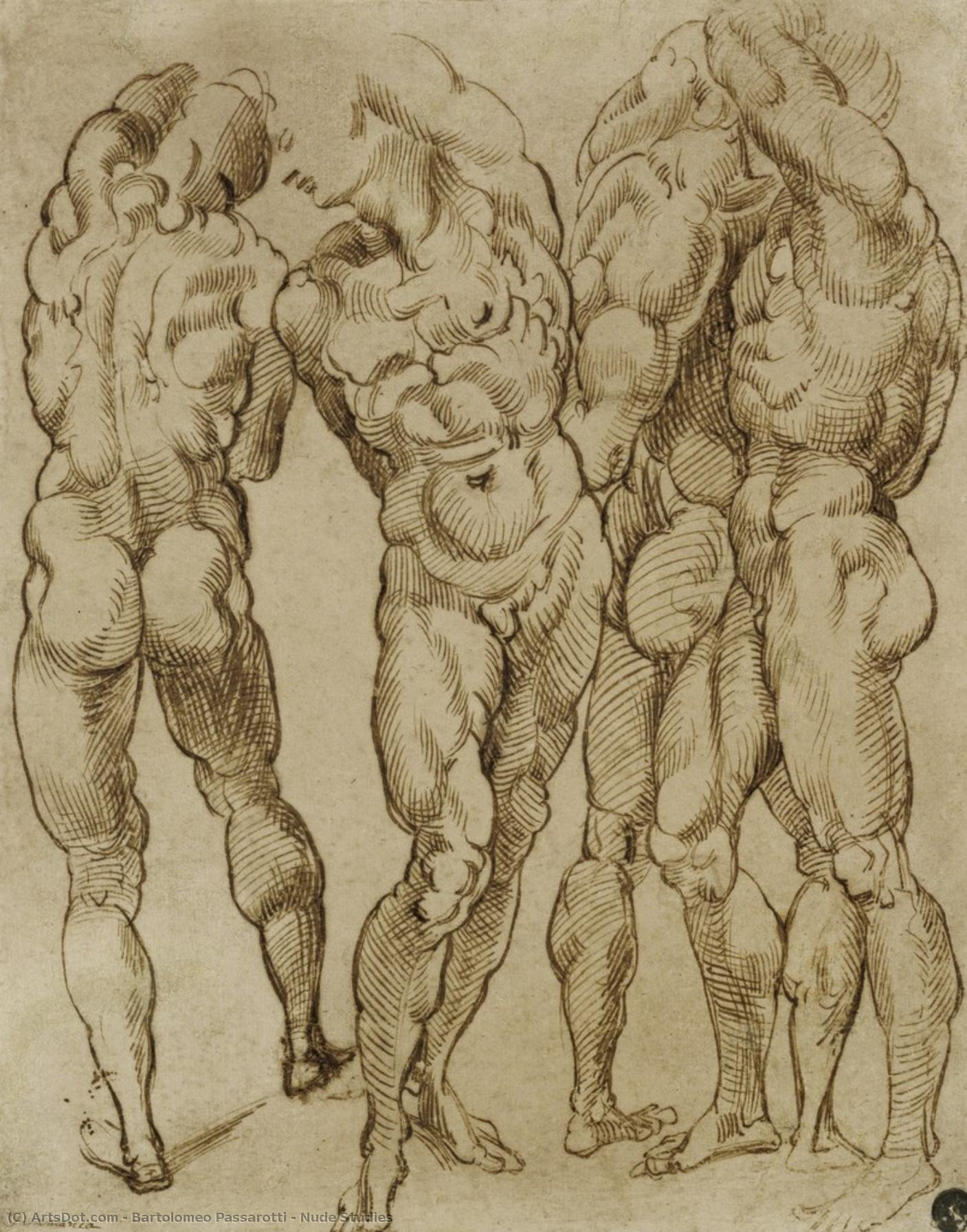
- Nude Studies
 Kupi štampu Kupi digitalnu sliku
 Pošalji
 Podeli
 Detalji o delu
 Dodaj u omiljene

 Преузми
 Slični predmeti
 Rendgenski snimak
 Slajdovi
Nude Studies
 Renaissance
 1580
1580 30.0 x 24.0 cm
 Pročitaj više
Ručno rađena uljana reprodukcija
Ručno oslikano uljanim bojama na platnu u dimenzijama i okviru po vašem izboru, izrađeno po porudžbini od strane naših umetnika.




































Izaberite jednu od naših unapred definisanih veličina koje odgovaraju originalnim proporcijama umetničkog dela.

Можете унети сопствене димензије како бисте прилагодили дело одређеном оквиру или простору. Ако одабрана величина не одговара пропорцијама оригинала, слика ће бити исечена или проширена додатним елементима који се ручно насликавају. Дигитални prikaz ће вам бити послат на одобрење пре почетка производње.
Имајте на уму да преглед на екрану не одражава стварно исецање или проширење. Само приказ (mockup) ће тачно приказати коначну композицију.
Иако су доступне прилагођене величине, препоручујемо да одаберете димензију из дефинисане листе како бисте сачували оригиналне пропорције.
Nakon narudžbine, tim OriginalUniqueArt.com će klijentu putem e-pošte poslati uputstva i dostaviti prikaz predloženog rešenja
Isporuka širom sveta () za 3/4 nedelje umesto uobičajenih 5 nedelja. (23 јул). Bez kompromisa po pitanju kvaliteta.

Besplatna ekspresna dostava širom sveta

Visokokvalitetno laneno platno

Kompletno osiguranje transporta

Garancija povraćaja carine i uvoznih dažbina

Garancija vernosti boja

Politika povrata u roku od 60 dana (samo u slučaju nedostataka)

Garancija povrata novca od 100%

Popust pri grupnoj kupovini
 Opcija sa staklom dostupna je samo za dimenzije manje od 110 cm

Nude Studies
Tehnika reprodukcije
Dimenzije reprodukcije
-


Konačna cena
-
Biografija umetnika
A Bolognese Master of Mannerism: Bartolomeo Passarotti
Bartolomeo Passarotti, born in Bologna in 1529 and passing away in 1592, occupies a fascinating, if sometimes overlooked, position within the Italian art landscape. He wasn’t a revolutionary like Michelangelo or Raphael, but rather a skilled and sensitive interpreter of the Mannerist style, deeply rooted in his native city yet informed by broader artistic currents. His life unfolded during a period of significant change—the High Renaissance giving way to the more elongated forms, complex compositions, and emotional intensity characteristic of Mannerism, and then subtly shifting towards the Baroque. Passarotti’s career reflects this transition, beginning with studies under prominent Roman artists and culminating in works that foreshadowed the developments of the next generation. He established a thriving workshop in Bologna, becoming an influential figure who shaped the artistic sensibilities of numerous pupils, including members of his own family—his sons Ventura, Aurelio, and Tiburzio all followed in his footsteps.Early Training and Roman Influences
Passarotti’s formative years were marked by a journey to Rome around 1550. This was not merely a geographical relocation but an immersion into the heart of artistic innovation. He sought out the tutelage of Giacomo Barozzi da Vignola, renowned for his architectural precision and clarity, and Taddeo Zuccari, a leading exponent of Mannerist painting known for his sophisticated allegorical works. These influences are subtly discernible in Passarotti’s early style—a meticulous attention to detail combined with an increasing interest in complex narrative structures and elegant figural arrangements. While in Rome, he absorbed the prevailing aesthetic trends, learning to balance classical ideals with a more dynamic and emotionally charged approach. This period was crucial in establishing his technical foundation and broadening his artistic vocabulary before returning to Bologna, ready to forge his own path.The Bolognese Years: A Flourishing Workshop
Upon his return to Bologna, Passarotti quickly established himself as a leading painter within the city’s artistic community. He founded a large and successful workshop, becoming a sought-after artist for both religious commissions and secular subjects. From 1564 to 1565, he undertook a significant project—a large altarpiece for the Basilica of San Giacomo Maggiore—demonstrating his ability to manage complex compositions and engage with prominent civic patrons. This commission solidified his reputation and attracted a steady stream of students eager to learn from his expertise. Passarotti’s workshop became a hub of artistic activity, fostering a collaborative environment where traditional techniques were refined and new ideas explored. He wasn't simply replicating existing styles; he was actively shaping the next generation of Bolognese painters. His genre scenes, in particular—depictions of everyday life like *The Beaneater* and *The Butcher’s Shop*—were remarkably innovative for their time, offering a glimpse into the lives of ordinary people with an unusual degree of realism and psychological insight. These works would later exert a considerable influence on artists such as Annibale Carracci, who recognized Passarotti's pioneering spirit in capturing authentic human experience.Development of Style: From Naturalism to Tuscan Models
Passarotti’s artistic development wasn’t static; his style evolved over the course of his career. Initially influenced by Roman Mannerism, he gradually incorporated elements from Tuscan artists like Giorgio Vasari and Prospero Fontana. This shift is evident in his later works—a move towards more refined forms, heightened color palettes, and a greater emphasis on elegance and grace. However, Passarotti never fully abandoned the naturalistic tendencies that characterized his earlier paintings. Instead, he skillfully blended these contrasting approaches, creating a unique style that was both sophisticated and emotionally resonant. His final known work, *The Presentation of Mary in the Temple* (1583), now housed in the Pinacoteca Nazionale di Bologna, exemplifies this mature style—a harmonious balance between classical ideals, Mannerist elegance, and a deeply felt religious sensibility.Legacy and Historical Significance
Bartolomeo Passarotti’s historical significance lies not in groundbreaking innovation but in his role as a pivotal figure in the transition from Mannerism to Baroque art. He was a master craftsman who skillfully synthesized diverse influences, creating works that were both aesthetically pleasing and emotionally engaging. His workshop played a crucial role in shaping the artistic landscape of Bologna, fostering a new generation of painters who would later contribute to the rise of the Bolognese School—a movement renowned for its classical rigor and dramatic intensity. His influence on Annibale Carracci, one of the most important artists of the Baroque period, is particularly noteworthy. Passarotti’s genre scenes provided a crucial foundation for Carracci's own explorations of realism and psychological depth. Furthermore, his family—his sons Ventura, Aurelio, and Tiburzio—continued his artistic legacy, ensuring that his style and techniques were passed down to future generations. While perhaps not as widely celebrated as some of his contemporaries, Bartolomeo Passarotti remains a significant figure in the history of Italian art—a testament to the enduring power of skill, sensitivity, and artistic innovation within the vibrant cultural context of Renaissance Bologna.
Osnovne informacije
- Artistic Movement Or Style: Mannerism
- Artists Or Movements Influenced By This Artist:
- Annibale Carracci
- Lucio Massari
- Francesco Brizzi
- Artists Who Influenced This Artist:
- Giacomo Barozzi da Vignola
- Taddeo Zuccari
- Giorgio Vasari
- Date Of Birth: 1529
- Date Of Death: 1592
- Full Name: Bartolomeo Passarotti
- Nationality: Italian
- Notable Artworks:
- Study of An Eagle
- Homer's Riddle
- Presentation of Mary
- Place Of Birth: Bologna, Italy

