
 Pregledaj u prostoru
 Podeli
 Podeli
 Detalji
 Vodič
Vodič

 Preuzmi sliku
 Slični predmeti
 Rendgenski snimak
 Automatska prezentacija
 Statistika
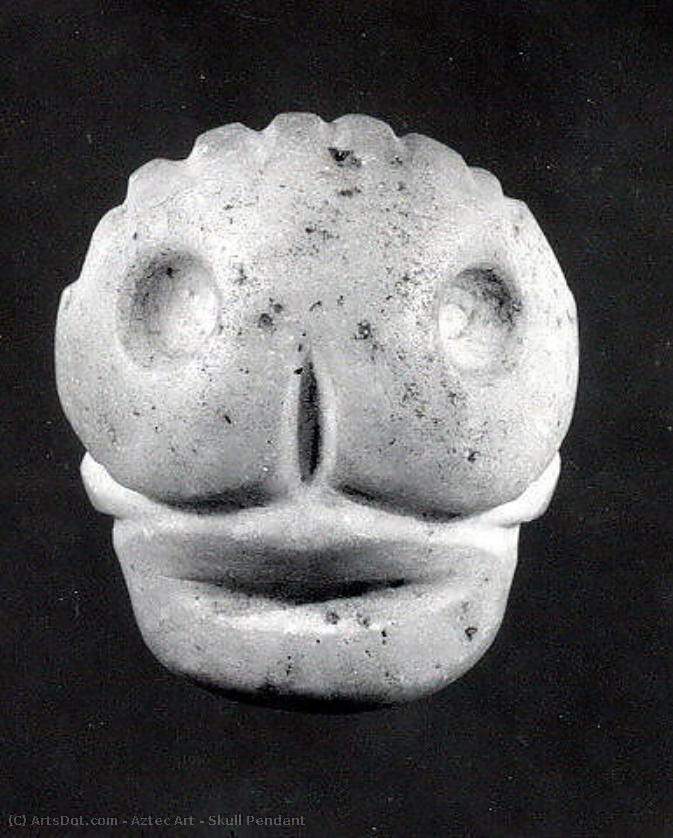
Skull Pendant


 Pročitaj više
Giclee štampa / Umetnički otisak
Giclée štampa ili print na platnu muzejskog kvaliteta uz brzu izradu i raznovrsne opcije završne obrade. ( Naručite ručno oslikano reprodukciju Pređi na prodaju digitalnih slika)




P118B дин10

P118H дин10

P118W дин10

P438Z дин10

P508JH дин12

P508YH дин12

P805H дин10

P805Z дин10

P919BZ дин10

P919G дин10

P919XJ дин10

P959ZH дин10

P968JZ дин12

W106C дин8

W218G дин10

W218JH дин8

W218Y дин10

W307PJ дин10

W316G дин10

W316PJ дин8

W316Y дин10

W398PJ дин8

W4111J дин10

W500HY дин15

W500JH дин15

W692G дин12

W849H дин8

W940BG дин15

W953PJ дин8




Izaberite jednu od naših unapred definisanih veličina koje odgovaraju originalnim proporcijama umetničkog dela.

Unesite širinu i visinu koja vam je potrebna, kako bi se uklopili u vaš ram ili na vaš zid. Štampa se može samo iseći, nikada ne može biti veća od originalne slike, stoga format sa drugačijim proporcijama gubi deo slike. Poslaćemo vam digitalni prikaz radi potvrde pre nego što započnemo štampu. Slika prikazana na ovoj stranici ne pokazuje stvarni rez — to pokazuje samo digitalni prikaz.
Dostava širom sveta () za 2 nedelje umesto uobičajenih 4/5 nedelja. (22 октобар)

Besplatna ekspresna dostava širom sveta

Visokokvalitetno laneno platno

Sveobuhvatno osiguranje transporta

Garancija povraćaja carine i uvoznih dažbina

Garancija vernosti boja i autentičnosti pri reprodukciji

Politika povraćaja u roku od 100 dana (samo u slučaju nedostataka)

Garancija povrata 100% novca

Popust pri većoj količini
 Opcija sa staklom dostupna je samo za dimenzije manje od 110 cm

Skull Pendant
Giclee štampa / Umetnički otisak
Veličina reprodukcije
-


Ukupna cena
дин 8200
The Weight of Ancestors: An Exploration of the Aztec Skull Pendant
Gazing upon this black and white photograph, one is immediately drawn to the stark simplicity and profound symbolism of the Aztec skull pendant. More than a mere decorative object, it’s a window into a complex culture grappling with themes of death, remembrance, and the cyclical nature of existence – a potent visual echo of an empire both magnificent and tragically ephemeral. The image itself, meticulously rendered in grayscale, captures not just the physical form of the artifact but also the solemnity associated with its origins. The deep black background serves to amplify the pendant’s contours, emphasizing the intricate carvings that speak volumes about Aztec artistry and belief.
- Material & Technique: The pendant is believed to be crafted from a durable stone – perhaps jade or obsidian – showcasing the skill of Aztec artisans. The photographic process, likely utilizing traditional techniques, subtly captures the texture of the material, revealing minute imperfections that hint at its age and the hands that shaped it.
- Form & Detail: The stylized skull is instantly recognizable as a representation of *Mictecacihuatl*, the “Lady of the Dead,” a powerful goddess presiding over the underworld. The simplified features – the prominent nasal cavity, the carefully rendered eye sockets – are not intended to be realistic but rather symbolic, conveying an essence rather than a likeness.
- Composition & Lighting: The central framing draws the viewer’s attention directly to the pendant, creating a sense of intimacy and reverence. The directional lighting highlights the carving details while casting subtle shadows that lend depth and dimensionality to the image.
Echoes of Tenochtitlan: Historical Context and Aztec Ritual
To truly appreciate this pendant, it’s essential to understand its place within the broader context of Aztec society. The Aztecs, who flourished in central Mexico from roughly 1345 to 1521, were deeply preoccupied with death and the afterlife. Their religion centered on a complex pantheon of gods, including Huitzilopochtli, the god of war and sun, and Coatlicue, the goddess of earth and fertility – both frequently depicted in association with skulls. This pendant wouldn’t have been worn casually; it was likely employed as an amulet or offered during rituals honoring deceased ancestors, a tangible link to those who had passed beyond the veil.
The Aztecs believed that the souls of the dead continued to influence the living, and maintaining a strong connection with ancestors through remembrance and offerings was paramount. Skulls themselves held significant symbolic weight – representing both mortality and regeneration. They were often used in elaborate ceremonies involving human sacrifice, intended to appease the gods and ensure the continuation of the cosmos. While the specific purpose of this particular pendant remains open to interpretation, it undoubtedly served as a powerful reminder of these fundamental beliefs.
Symbolism & Emotional Resonance: A Dialogue with Mortality
Beyond its historical context, the skull pendant possesses a potent emotional resonance. The stark simplicity of the form, combined with the grayscale palette, evokes a sense of melancholy and contemplation. It’s not a celebratory image; rather, it invites reflection on the inevitability of death and the enduring power of memory. The Aztec reverence for ancestors is palpable – this object isn't simply a representation of death but a testament to the importance of honoring those who came before.
Consider the deliberate choice of grayscale. Color would have been far less prevalent in Aztec art, emphasizing the symbolic weight of each element. The absence of vibrant hues forces us to focus on form, texture, and the underlying narrative embedded within the carving. The pendant becomes a conduit for connecting with a distant past, prompting questions about our own mortality and the legacies we leave behind.
A Legacy in Stone: Reproduction & Artistic Interpretation
Reproductions of this remarkable artifact offer a unique opportunity to bring a piece of Aztec artistry into your home or collection. When selecting a reproduction, consider the materials used – a high-quality print on archival paper will ensure that the image retains its clarity and vibrancy for years to come. The detail and accuracy of the reproduction are also crucial; look for an artist who has meticulously studied the original artifact and captured its essence with sensitivity and respect.
More than just a decorative object, this skull pendant represents a profound cultural legacy – a testament to the ingenuity, spirituality, and artistic skill of the Aztec people. It’s a powerful reminder that even in death, memory endures, and that our connection to those who came before shapes our own identities.
Pitanja i odgovori
Gde mogu da kupim print dela „Skull Pendant”, Aztečko Carstvo?
Štampa dela „Skull Pendant”, Aztečko Carstvo može se naručiti direktno na njegovoj stranici za Umetski print: umetnička štampa na pamučnom platnu ili arhivskom kanvas papiru.
Koliki je nivo kontrasta kod dela „Skull Pendant”, Aztečko Carstvo?
„Skull Pendant”, Aztečko Carstvo prikazuje Statement kontrast između svojih svetlih i tamnih delova.
Koja veličina štampe za "Skull Pendant" bi najbolje odgovarala mojoj prostoriji?
Za Living Room, preporučena veličina štampe dela „Skull Pendant”, Aztečko Carstvo je Medium.
Biografija umetnika
Odjek kamena: Istraživanje umetnosti i nasleđa Astečkog carstva
Ime „Astečki“ – izvedeno iz nahuatl reči ātl-ce-tlācati–tlān, što znači „ljudi mnogih oblika“ – priziva slike ogromnog, složenog carstva koje je vekovima dominiralo Mesoamerikom. Više od samih ratnika i osvajača, Astečani su bili duboko umetljivi pojedinci koji su prepletali zamršenu lepotu u svaki aspekt svog života – od monumentalne arhitektente do delikatnog perajanstva, od svetih rituala do svakodnevnih predmeta. Njihova umetnost nije bila samo dekorativna; ona je bila živ jezik koji je komunicirao religijska uverenja, političku moć, istorijske narative i društvene hijerarhije unutar društva koje je bilo istovremeno strogo strukturirano i izuzetno inovativno.
Rođene početkom 14. veka u Tenochtitlanu, srcu Astečkog carstva, umetničke tradicije Astečana bile su duboko ukorenjene u nasleđu ranijih mezoameričkih civilizacija. Olmečani, sa svojim kolosalnim glavama i sofisticiranim kalendarskim sistemima, Teotihuakanci, poznati po svojim masivnim piramidama i urbanom planiranom, kao i Tolteci, majstori obrade metala i skulpture, svi su doprineli bogatom umetničkom tapiseriji koju su Astečani nasledili. Međutim, Astečani nisu bili samo imitatori; oni su sintetisali ove uticaje sa sopstvenim jedinstvenim estetskim osećajnostima, razvijajući prepoznatljiv stil koji karakterišu jarke boje, zamršeni geometrijski obrasci i simboličke reprezentacije.
Paleta moći: Materijali i tehnike
Astečka umetnost bila je izuzetno raznolika, koristeći zadivljujući raspon materijala i tehnika. Klesanje kamena zauzimalo je istaknuto mesto, što je ilustrovano monumentalnim skulpturama koje prikazuju božanstva, vladare i mitska bića. Masivni Kameni kalendar (Sunčev kamen), otkriven 1946. godine, stoji kao svedočanstvo njihovog majstorstva u ovom mediju – složeni, slojeviti kameni reljef koji je kombinovao kalendarske informacije sa kosmološkim simbolizmom. Vešti zanatlije su takođe radili sa drvetom, glinom, perjem – posebno živopisnim perima kvetzala – jadeitom, turkuizom, opsidijanom i zlatom, što je odražavalo i bogatstvo i društveni status.
Perajanstvo je možda bio najvizuelno upečatljiviji aspekt Astečke umetnosti. Intrikatno izrađene krunice, ogrtači, štitovi i drugi dekorativni predmeti nastajali su korišćenjem hiljada pedantno poređanih perja – proces koji je zahtevao ogromnu veštinu i strpljenje. Ovi predmeti nisu bili samo lepi; služili su kao moćni simboli autoriteta, religijske pobožnosti i društvenog ranga. same boje su nosile specifična značenja: plava je predstavljala nebesa, zelena je simbolizovala plodnost, crvena je označavala rat, dok je žuta predstavljala sunce.
Nadalje, Astečki umetnici bili su majstori mozaika, stvarajući zadivljujuće dekorativne panele koristeći male, precizno isečene kamenite pločice. Ovi mozaici krasili su hramove, palate i privatne rezidencije, dodajući sloj vizuelnog bogatstva građevinskom okruženju. Njihova keramika bila je podjednako impresivna, sa složenim geometrijskim dizajnima i prikazima životinja i božanstava.
Jezik simbola: Teme i motivi
Astečka umetnost je prepuna simbolizma, gde svaka slika nosi slojeve značenja koji su zahtevali pažljivu interpretaciju sveštenika, pisara i vladara. Centralno božanstvo, Huitzilopochtli, bog rata i sunca, često je prikazivan u raskošnim krunama ukrašenim perjem i dragim kamenjem. Kvetzalcoatl, bog pernatog zmije povezan sa znanjem, mudrošću i stvaranjem, zauzimao je istaknuto mesto u njihovom panteonu i pojavljivao se u brojnim umetničkim prikazima.
Kalendarski sistem – izuzetno sofisticirana kombinacija solarnih i ritualnih ciklusa – bio je još jedan učestali motiv. Slike kalendara, glifi i astronomski simboli bili su ugrađeni u skulpture, mozaike i kodekse (ilustrovane knjige), odražavajući duboko razumevanje vremena i kosmologije Astečana. Prikazi kukuruza, osnovne kulture njihove ishrane, simbolizovali su opstanak i plodnost. Animalistička simbolika – posebno jaguari, orlovi, zmije i kolibri – nosila je simbolički značaj povezan sa moći, hrabrošću i božanstvom.
Nasleđe u fragmentima: Umetnost i istorijski značaj
Iznenadni kolaps Astečkog carstva od ruku španskih konkvistadora 1521. godine rezultirao je razornim gubitkom za mezoameričku kulturu. Tragično, veliki deo njihovog umetničkog nasleđa uništen je tokom osvajanja – hramovi su sravnjeni sa zemljom, skulpture razbijene, a kodeksi spaljeni. Ipak, uprkos ovim gubicima, fragmenti Astečke umetnosti opstaju i danas, nudeći neprocenjiv uvid u ovu izuzetan civilizaciju.
Istaknuti primeri uključuju Sunčev kamen, monumentalnu skulpturu koja pokazuje napredno znanje Astečana o astronomiji i matematici; zamršno perajanstvo krunica i ogrtača sačuvanih u muzejima širom sveta; kao i preživljene kodekse – ručno pisane knjige koje sadrže istorijske zapise, religijska uverenja i kalendarske informacije. Kolekcija Andrés Blaisten u Meksiku čuva značajnu zbirku latinoameričke umetnosti, uključujući primere koji osvetljavaju Astečke umetničke tradicije.
Uticaj umetničkog nasleđa Astečkog carstva i danas se može videti, inspirišući savremene umetnike i dizajnere. Njihove inovativne tehnike, simbolička slike i duboka povezanost sa prirodom nastavljaju da rezonuju sa publikom širom sveta. Istraživanje umetnosti Astečana nije samo vežba istorijskog apreciiranja; to je putovanje u srce složene i očaravajuće civilizacije – svedočanstvo ljudske kreativnosti, domišljatosti i duhovne dubine.
Da biste istražili još umetničkih dela iz Astečkog carstva i drugih značajnih umetnika, posetite OriginalUniqueArt.com.

Aztečko Carstvo
1300 - 1521 , Meksiko
Brzi pregled
- Artistic Movement Or Style: Mezoamerička umetnost
- Artists Or Movements Influenced By This Artist: ['Moderna umetnost']
- Artists Who Influenced This Artist:
- Olmečki
- Teotihuakan
- Toltečki
- Date Of Birth: 1300 (Tenochtitlan)
- Date Of Death: 1521
- Full Name: Aztečko carstvo
- Nationality: Meksiko
- Notable Artworks:
- Aztečki kalendar
- Sunčana piramida
- Mešički radovi od perja
- Place Of Birth: Tenochtitlan, Meksiko
Srodni članci

Pre-Raphaelite Romanticism: The Revival of Medieval Beauty and Nature in Victorian Art
Explore the profound beauty of Pre-Raphaelite Romanticism. Discover how visionaries like Rossetti and Millais revived medievalism and nature through meticulous detail and vibrant color in Victorian art history.
The Pre-Raphaelite Brotherhood: Reclaiming Beauty, Nature, and Truth in Victorian Art History
Explore the revolutionary Pre-Raphaelite Brotherhood. Discover how these visionary artists rejected academic tradition to reclaim beauty, nature, and truth through luminous detail and literary depth in Victorian art history.

Pre-Raphaelite Romanticism: A Guide to Vivid Detail and Medieval Beauty in Victorian Art
Explore the vivid detail and medieval beauty of Pre-Raphaelite Romanticism. Discover the history of masters like Rossetti and Millais through our expert guide to Victorian art, perfect for collectors and professionals seeking authentic, museum-quality reproductions.

Dante Gabriel Rossetti: 25 Remek-dela Pre-Raphaelita i Inspiracija za Vaš Dom
Istražite 25 remek-dela Dante Gabriel Rossettija, ikone Pre-Raphaelita! Otkrijte priče iza slika, simbolizam i inspiraciju za vaš dom. Kvalitetne reprodukcije na OriginalUniqueArt.com.
Beyond the Basics: The Bold, Dreamy World of Pre-Raphaelite Art
Dive into the vivid, rebellious world of Pre-Raphaelite art. Explore the intense detail, romantic myths, and bold colors of this iconic movement, and learn how to bring these timeless, hand-painted masterpieces into your modern space with expert curation.