Expressionism · 1914
Hat Shop (Аугуст Маке, 1914)
Аугуст Маке (1887–1914) je napravio Hat Shop. Datirano je iz 1914. Pripada pokretu Expressionism. Izrađeno je u Acrylic On Canvas. Čuva se u muzeju Museum Folkwang u mestu Esen, Nemačka.
- 1914
- Acrylic On Canvas
- Museum Folkwang, Esen

 Pregledaj u prostoru

 Ručno oslikano uljanim bojama
 Pošalji
 Podeli
 Informativni list


 Preuzmi
 Slični predmeti
 Rendgenski snimak
 Automatska prezentacija
 Pitanja i odgovori

 Statistika
Hat Shop, ukratko
- Naslov
- Hat Shop
- Umetnik
- Аугуст Маке (1887–1914)
- Rođen/a u
- Мешеде, Немачка
- Datum
- 1914
- Tehnika
- Acrylic On Canvas
- Gde se može videti
- Museum Folkwang, Esen, Nemačka
- Pokret
- Expressionism
- Tema
- hat shop, urban scene, women, shopping, expressionism, bold colors
Šta prikazuje Hat Shop?
A Glimpse of Urbanity: The Story Behind August Macke’s “Hat Shop”
August Macke's "Hat Shop" (1914) isn’t merely a depiction of a street scene; it’s a carefully constructed distillation of modern experience, rendered with the vibrant energy and emotional intensity characteristic of German Expressionism. Painted during a pivotal moment in Macke’s career – just months before his tragically early death – this work captures a fleeting moment of observation within the bustling heart of a city. It's a testament to his ability to imbue everyday life with profound symbolic weight, transforming a simple storefront into a microcosm of human interaction and contemplation.
Macke’s decision to focus on a hat shop wasn’t arbitrary. He was deeply fascinated by the transient nature of urban existence, the constant flow of people passing through public spaces. The shop window itself becomes a stage, presenting an anonymous woman – a figure deliberately devoid of individual features – as she pauses to observe the display within. This deliberate abstraction invites viewers to project their own experiences and emotions onto the scene, fostering a sense of shared contemplation.
Expressionist Techniques: Flattening Reality for Emotional Resonance
The painting’s style is undeniably Expressionist, a movement that prioritized subjective experience over objective representation. Macke employs a flattened perspective, compressing space and reducing forms to their essential shapes. The building facade, the hats themselves, and even the woman are rendered with bold, simplified lines – a deliberate rejection of traditional realism. This simplification isn’t an act of carelessness; it's a conscious choice to heighten the emotional impact of the work.
- Color Palette: Macke utilizes a striking, almost jarring color palette—a vibrant clash of reds, blues, yellows, and greens. These colors aren’t meant to mimic reality but rather to convey mood and emotion; the warm hues of the hats contrast sharply with the cooler tones of the building, creating a dynamic visual tension.
- Brushwork: The painting is characterized by broad, expressive brushstrokes that add texture and movement to the surface. This technique contributes to the overall sense of energy and immediacy.
- Geometric Forms: Angular lines dominate the composition, reinforcing the feeling of rigidity and formality while simultaneously hinting at underlying dynamism.
Symbolism in a Snapshot: Hats as Vessels of Meaning
The hats within the shop window are more than just accessories; they function as potent symbols. They represent status, fashion, perhaps even social barriers – elements that Macke frequently explored in his work. The anonymous woman’s posture suggests a moment of quiet contemplation, as if she is considering her own place within this complex urban landscape. The act of observing itself becomes significant, highlighting the human need to connect with and interpret the world around us.
A Legacy Preserved: Macke's “Hat Shop” Today
“Hat Shop” stands as a poignant reminder of August Macke’s brief but brilliant career. It exemplifies his ability to capture the essence of modern life through bold color, simplified forms, and emotionally charged symbolism. Reproductions of this iconic work offer a captivating glimpse into a pivotal moment in art history, inviting viewers to contemplate the beauty and complexity of everyday experience.
U kom muzeju se nalazi Hat Shop?
Museum Folkwang
Esen, Nemačka
Poreklo i istorija Museum Folkwang Istorija Museum Folkwang počinje konvergencijom dve različite tradicije. Godine 1902. Karl Ernst Osthaus osnovao je privatni Folkwang muzej, kolekciju vođenu specifičnom vizijom za moderni izraz.

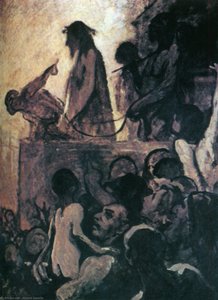

Slike visoke rezolucije za Hat Shop

Аугуст Маке, Hat Shop (1914), Museum Folkwang. Javno dobro.
Odgovori na pitanja o Hat Shop
Gde mogu videti originalno delo „Hat Shop”, autor Аугуст Маке?
Delo „Hat Shop”, autor Аугуст Маке je izloženo u muzeju Museum Folkwang, Esen, Nemačka. Navod o muzeju odnosi se na originalno delo, a ne na reprodukcije.
U kojoj godini je nastalo "Hat Shop"?
„Hat Shop“ potiče iz 1914. Ovaj datum smešta delo u okviru karijere umetnika Аугуст Маке i same ere.
U kojoj je tehnici izvedeno delo „Hat Shop”, autor Аугуст Маке?
"Hat Shop" je urađeno u tehnici Acrylic On Canvas.
Šta prikazuje „Hat Shop”, autor Аугуст Маке?
„Hat Shop”, autor Аугуст Маке prikazuje: hat shop, urban scene, women, shopping, expressionism, bold colors, cityscape, fashion.
Da li se prikaz „Hat Shop”, autor Аугуст Маке može slobodno reprodukovati?
„Hat Shop”, autor Аугуст Маке pripada u javnom vlasništvu – autorska prava su istekla. Ovaj status određuje način na koji se slika dela može reprodukovati.
Kome se pripisuje delo "Hat Shop"?
Delo "Hat Shop" je kreirao/la Аугуст Маке. Informacije na ovoj stranici opisuju originalno delo umetnika Аугуст Маке.
Koji umetnički pravac obuhvata „Hat Shop”, autor Аугуст Маке?
„Hat Shop“ je delo Expressionism pokreta. Ovaj pokret označava umetničku tradiciju kojoj je delo pripada.
U kojoj fazi stvaralaštva umetnika Аугуст Маке se nalazi delo "Hat Shop"?
U okviru karijere umetnika Аугуст Маке, delo "Hat Shop" pripada periodu Mature Period, što omogućava poređenje sa drugim radovima ovog autora.
Koliko je godina imao/la Аугуст Маке kada je kreirao/la "Hat Shop" 1914. godine?
Аугуст Маке je kreirao/la "Hat Shop" u uzrastu od 27 godina. Umetnik je rođen/a 1887, a delo je datirano na 1914. godinu.
O umetniku, Аугуст Маке
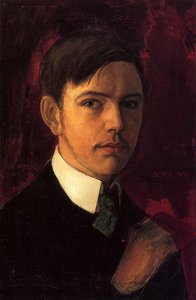
1887–1914, Немачка
Аугуст Маке
Prekinut život: Živopisni svet Augusta Mackea August Robert Ludwig Macke, ime koje je postalo sinonim za kratko, ali blistavo cvetanje nemačkog ekspresionizma, živeo je život koji je tragično prekinuo izboj Prvog svetskog rata. Rođen 1887. godine u Mešedeu, u Vestfaliji, njegov umetnički put bio je proces brze evolucije i strastvenog istraživanja, obeležen nezasitom radoznalošću za novim stilovima i dubokom žudnjom da dočara suštinu modernog iskustva. Mackein rani život obeležilo je preseljenje porodice u Bon, gde je stekao svoje početno obrazovanje i počeo da neguje svoj bujni talenat.
Takođe i Аугуст Маке
 Dame u zelenoj jakni1913
 Бањећи девојке са задњем планом1913
 The Hat Shop1913
 Portrait of the Artist's Wife with Hat1909
Eseji o delu Hat Shop
 Džems Abbot MekNil Whistler: 25 Remek-dela Majstora Tonalizma | OriginalUniqueArtIstražite 25 remek-dela Džemsa Abota MekNila Whistler-a! Uronite u svet Tonalizma, portreta i prelepog pejzaža. Kupite vrhunske reprodukcij…
 Emotional Transmutation in Visual Art: A Study of Affective Representation Through Color, Form, and TextureExplore the fascinating intersection of art & emotion! Discover how color, form, and texture convey feelings in masterpieces. Expert analys…
 August Macke: Expressionist Visions of Harmony & Modern LifeExplore the vibrant Expressionist paintings of August Macke (1887-1914). Discover his key role in Der Blaue Reiter, Fauvist influences, and…