Pregledaj u prostoru
 Podeli
 Podeli
 Detalji
 Vodič
Vodič

 Preuzmi sliku
 Slični predmeti
 Rendgenski snimak
 Automatska prezentacija
 Statistika
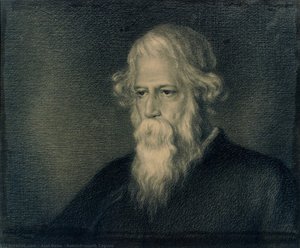
Rabindranath Tagore
 Oil On Canvas
- WallArt
- Contemporary Realism
 1952
1952- 19th Century
 60.0 x 50.0 cm
 Victoria Memorial Hall
 Pročitaj više
Umetničko delo prikazano na ovoj stranici zaštićeno je autorskim pravima, što znači da zakonski nismo u mogućnosti da kreiramo niti prodajemo identičnu reprodukciju. Ova zaštita se sprovodi u skladu sa međunarodnim sporazumima kao što su Bernska konvencija i nacionalnim zakonima, uključujući i one koji su definisani u Američki zakon o autorskom pravu – Naslov 17.
Ovaj metod je u potpunosti usklađen sa regulativama o autorskim pravima jer ne podrazumeva kopiranje ili dupliranje zaštićenih umetničkih dela. Umesto toga, reč je o kreativnoj reinterpretaciji – novom slikarskom delu koje je inspirisano originalom, ali nije identično njemu.
Giclee štampa / Umetnički otisak
Giclée štampa ili print na platnu muzejskog kvaliteta uz brzu izradu i raznovrsne opcije završne obrade. ( Naručite ručno oslikano reprodukciju Pređi na prodaju digitalnih slika)




P118B дин10

P118H дин10

P118W дин10

P438Z дин10

P508JH дин12

P508YH дин12

P805H дин10

P805Z дин10

P919BZ дин10

P919G дин10

P919XJ дин10

P959ZH дин10

P968JZ дин12

W106C дин8

W218G дин10

W218JH дин8

W218Y дин10

W307PJ дин10

W316G дин10

W316PJ дин8

W316Y дин10

W398PJ дин8

W4111J дин10

W500HY дин15

W500JH дин15

W692G дин12

W849H дин8

W940BG дин15

W953PJ дин8




Izaberite jednu od naših unapred definisanih veličina koje odgovaraju originalnim proporcijama umetničkog dela.

Unesite širinu i visinu koja vam je potrebna, kako bi se uklopili u vaš ram ili na vaš zid. Štampa se može samo iseći, nikada ne može biti veća od originalne slike, stoga format sa drugačijim proporcijama gubi deo slike. Poslaćemo vam digitalni prikaz radi potvrde pre nego što započnemo štampu. Slika prikazana na ovoj stranici ne pokazuje stvarni rez — to pokazuje samo digitalni prikaz.
Dostava širom sveta () za 2 nedelje umesto uobičajenih 4/5 nedelja. (25 октобар)

Besplatna ekspresna dostava širom sveta

Visokokvalitetno laneno platno

Sveobuhvatno osiguranje transporta

Garancija povraćaja carine i uvoznih dažbina

Garancija vernosti boja i autentičnosti pri reprodukciji

Politika povraćaja u roku od 100 dana (samo u slučaju nedostataka)

Garancija povrata 100% novca

Popust pri većoj količini
 Opcija sa staklom dostupna je samo za dimenzije manje od 110 cm

Rabindranath Tagore
Giclee štampa / Umetnički otisak
Veličina reprodukcije
-


Ukupna cena
дин 8248
A Portrait of Intellectual Grace: Rabindranath Tagore by Atul Basu
This evocative portrait of Rabindranath Tagore, rendered in 1952 by the esteemed Indian painter Atul Basu, transcends a simple likeness; it’s an embodiment of the poet and philosopher's profound intellect and contemplative spirit. Painted during a pivotal period of his life – shortly after receiving the Nobel Prize for Literature – the artwork captures Tagore not merely as a celebrated figure, but as a man steeped in wisdom and perhaps a touch of melancholy, qualities that resonate deeply within the painting’s carefully constructed composition.
Artistic Technique and Historical Context
- Style & Medium: The work exemplifies representational portraiture executed with a mastery of oil paint on canvas. Basu's brushwork, subtly visible in the photograph, reveals a traditional technique rooted in post-impressionist influences, particularly evident in Walter Sickert’s approach to capturing human emotion through light and shadow.
- Artist Background: Atul Basu (1898-1977), born in Mymensingh, India, was a significant figure in the development of Indian modern art. His training at the Royal Academy in London exposed him to European artistic trends while firmly grounding his work within an Eastern sensibility. He played a crucial role in establishing and directing institutions like the Indian School of Oriental Art, contributing significantly to the preservation and promotion of traditional Indian artistic values.
- Historical Significance: Created in 1952, the painting reflects a moment of international recognition for Tagore’s literary achievements, solidifying his place as one of the world's most influential thinkers and writers. The artwork serves as a visual testament to this legacy.
Compositional Elements and Symbolism
The portrait adheres to a classic bust-length format, centering Tagore’s face and upper torso – a deliberate choice that fosters a direct connection with the viewer. The dark, indistinct background serves to heighten the subject's presence, emphasizing his dignified gaze. Notably, Tagore is depicted in a red robe, a color often associated with spirituality and authority within Indian traditions, subtly reinforcing his role as a respected intellectual leader and perhaps hinting at his Upanishadic ideals of education.
Color Palette and Emotional Impact
Basu’s masterful use of warm tones – reds, yellows, and whites – creates an atmosphere of serenity and contemplation. The soft, diffused lighting eliminates harsh shadows, further contributing to the painting's sense of wisdom and introspection. Tagore’s expression, a blend of intelligence and melancholy, invites viewers to contemplate the complexities of human thought and experience. The layering of colors within the robe adds depth and texture, enhancing the overall visual richness of the piece.
Dimensions and Materials
This reproduction is presented in a substantial 60 x 50 cm format, ensuring that it will make a significant statement within any interior space. The artwork is meticulously crafted using high-quality materials to faithfully replicate the original’s texture and color depth, offering collectors and art enthusiasts alike an authentic representation of Atul Basu's remarkable talent.
Pitanja i odgovori
Gde i u koje svrhe se preporučuje "Rabindranath Tagore"?
„Rabindranath Tagore”, Atul Basu se preporučuje za Reflective, idealno u Living Room. Upotreba i prostor zajedno ukazuju na to gde reprodukcija najbolje pristaje.
Kako mogu da pregledam reprodukciju dela „Rabindranath Tagore”, Atul Basu?
Stranica Pregled za delo "Rabindranath Tagore" omogućava vam da pregledate umetničko delo pre naručivanja.
Koliko su intenzivne boje u delu „Rabindranath Tagore”, Atul Basu?
Intenzitet boja dela "Rabindranath Tagore" je Monochromatic. Intenzitet opisuje koliko boje deluju snažno.
Biografija umetnika
Rano detinjstvo i obrazovanje
Atul Basu, jedan od najznačajnijih indijskih slikara, došao je na svet 22. februara 1898. godine u Mymensinghu, koji je tada bio deo Bengalske predsedništva. Njegovo detinjstvo u gradu Mymensinghu postavilo je neprevazipljive temelje za njegove buduće umetničke poduhvate. Prvi koraci u obrazovanju započeli su u Nacionalnom savetu za obrazovanje, u grani Mymensingha, nakon čega su usledile studije na Jubilej akademiji umetnosti u Kolkati.Karijera i uticaji
Zahvaljujući stipendiji Univerziteta u Kalkati, Basu je dobio priliku da usavršava svoj talenat u Londonu na Kraljevskoj akademiji (1924–192eks), gde je pod velikim uticajem postimpresioniste Waltera Sickerta počeo da oblikuje svoj prepoznatljiv stil. Njegova umetnička integritet bila je toliko snažna da je, primetno, odbio poziv da ukrasi paviljon na Britanskoj imperijalnoj izložbi, čime je jasno pokazao nepokolebljivu posvećenost sopstvenoj umetničkoj viziji. U okviru svoje bogate karijere, Basu je 1921. godine, zajedno sa Bhabani Charanom Lahom, suosnivatelj Indijske škole orijentalne umetnosti, a kasnije je preuzeo direktorat Državnog koledža umetnosti i zanata. Njegova remek-dela, poput dela Sfinga (ulje na šperploči) i samoportret (1945), svedoče o njegovom vrhunskom majstorstvu u radu sa uljanim bojama.Značajna dela i kolekcije
Njegov umetnički nasleđe obuhvata neprocenjiva dela kao što su Sfinga (ulje na šperploči) i samoportret (1945), ali i portrete iz originalnih kolekcija u Windsor zamku i Buckingham palati, koje je naručila indijska vlada. Njegova dela se danas mogu pronaći u prestižnim institucijama kao što su:- Kiran Nadar muzej umetnosti (KNMA)
- Nacionalna galerija moderne umetnosti
- Indijski muzej
- Parlamentarna kuća, Novi Delhi
- Raj Bhavan, Kolkata
Nagrade i priznanja
Kao priznanje njegovom izvanrednom doprinosu umetnosti, Basu je 1970. godine dobio prestižnu titulu doktora književnosti (D.Litt) od Univerziteta Rabindra Bharati u Kalkati. Pogledajte više umetničkih dela Atula Basua na OriginalUniqueArt.com: Istražite još indijskih umetnika i njihova dela na OriginalUniqueArt.com:
Atul Basu
1898 - 1977 , Indija
Srodni članci
George Catlin: Witnessing & Representing Indigenous Life on the American Frontier
Explore the captivating art of George Catlin, renowned for his vivid portraits & landscapes documenting Native American life on the frontier. Discover a vanishing world through stunning paintings and historical context.
Joseph Henry Sharp: Capturing the Spirit of the Plains – Life, Art & Legacy
Explore the life & art of Joseph Henry Sharp, a founding member of the Taos Society of Artists renowned for his realistic depictions of Native American culture and Western landscapes. Discover his legacy with OriginalUniqueArt.

Panoramic Visions of Empire: The Daniells’ Artistic Collaboration & Legacy
Explore the captivating 'Oriental Scenery' by Thomas & William Daniell. Discover their pioneering aquatint prints of India, imperial context, artistic collaboration, and lasting legacy. A deep dive for history lovers.
Shadow Catcher: Edward S. Curtis & the Ethnographic Portraiture of a Vanishing West
Explore the life & work of Edward S. Curtis, the 'Shadow Catcher,' and his groundbreaking photographic documentation of Native American cultures. Discover iconic images from *The North American Indian* and a critical look at his lasting legacy.

Raja Ravi Varma: Bridging Tradition & Modernity in 19th-Century Indian Art
Explore the life & art of Raja Ravi Varma, a pioneer who fused European techniques with Indian iconography. Discover his iconic paintings, lasting legacy, and influence on modern Indian art at OriginalUniqueArt.