

 Pregledaj u prostoru
 Pošalji
 Podeli
 Detalji o delu

 Преузми
 Slični predmeti
 Rendgenski snimak
 Slajdovi
 Statistika
Landscape - Scene from `Thanatopsis`


 Pročitaj više
Giclee štampa / Umetnički otisak
Giclée štampa ili print na platnu muzejskog kvaliteta uz brzu proizvodnju i fleksibilne opcije završne obrade. ( Kupi ručno naslikanu sliku Pređi na digitalnu sliku)




P118B $10

P118H $10

P118W $10

P438Z $10

P508JH $12

P508YH $12

P805H $10

P805Z $10

P919BZ $10

P919G $10

P919XJ $10

P959ZH $10

P968JZ $12

W106C $8

W218G $10

W218JH $8

W218Y $10

W307PJ $10

W316G $10

W316PJ $8

W316Y $10

W398PJ $8

W4111J $10

W500HY $15

W500JH $15

W692G $12

W849H $8

W940BG $15

W953PJ $8




Izaberite jednu od naših unapred definisanih veličina koje odgovaraju originalnim proporcijama umetničkog dela.

Možete uneti sopstvene dimenzije kako biste umetničko delo prilagodili specifičnom okviru ili prostoru. Ako odabrani format ne odgovara proporcijama originalne slike, mi ćemo ili iscrtati deo dela ili proširiti sliku pomoću ogledane ivice ili jednobojnog popunjavanja. Digitalni prikaz će vam biti poslat na odobrenje pre početka proizvodnje.
Imajte na umu da pregled na ekranu ne odražava stvarno iscrtavanje ili proširivanje. Samo će prikaz (mockup) precizno pokazati finalnu kompoziciju.
Iako su prilagođene dimenzije dostupne, preporučujemo da odaberete dimenziju sa unapred definisane liste kako biste očuvali originalne proporcije.
Dostava širom sveta () za 2 nedelje umesto uobičajenih 4/5 nedelja. (16 септембар)

Besplatna ekspresna dostava širom sveta

Visokokvalitetno laneno platno

Kompletno osiguranje transporta

Garancija povraćaja carine i uvoznih dažbina

Garancija vernosti boja

Politika povraćaja u roku od 100 dana (isključivo u slučaju nedostataka)

Garancija povrata novca od 100%

Popust pri grupnoj kupovini
 Opcija sa staklom dostupna je samo za dimenzije manje od 110 cm

Landscape - Scene from `Thanatopsis`
Giclee štampa / Umetnički otisak
Dimenzije reprodukcije
-


Konačna cena
$ 80
A Vista of the Soul: Asher Brown Durand’s “Landscape – Scene from ‘Thanatopsis’”
Asher Brown Durand's "Landscape – Scene from ‘Thanatopsis,’" painted in 1850, isn’t merely a depiction of a picturesque vista; it’s a profound meditation on mortality and the sublime beauty of the natural world. Born into a family of artisans—his father a watchmaker and silversmith—Durand's early life instilled within him a meticulous eye for detail, an appreciation for craftsmanship that would profoundly shape his artistic approach. This foundation found its expression in his masterful renderings of American landscapes, particularly during the flourishing of the Hudson River School, a movement dedicated to capturing the grandeur and spirit of the nation’s wilderness.
The painting immediately draws the viewer into a dramatic scene: a rugged landscape dominated by towering mountains receding into a hazy distance. A winding river snakes through the valley floor, reflecting the overcast sky above. Scattered throughout this vast expanse are figures – a solitary farmer tending his fields, a group of individuals pausing to contemplate the view—each seemingly absorbed in their own relationship with the immense scale of nature. Durand’s technique is characterized by a Luminist sensibility; he employs soft, diffused light and subtle gradations of color to create an atmosphere of quiet contemplation. The brushstrokes are loose and expressive, conveying both the solidity of the earth and the ethereal quality of the sky. The use of muted tones—grays, browns, and greens—evokes a sense of melancholy and timelessness, anchoring the scene in the enduring power of nature.
Echoes of Bryant: The Poem’s Influence
“Thanatopsis,” a poignant poem by William Cullen Bryant published just a year prior to Durand's painting, provided the thematic inspiration for this evocative landscape. Bryant’s verses explore the inevitability of death and the solace one can find in contemplating the vastness of nature. The title itself—Greek for “view of death”—suggests that the scene is not simply a representation of beauty but a symbolic invitation to confront mortality with acceptance and reverence. Durand masterfully translates Bryant's philosophical musings into visual form, creating an image that resonates deeply with the poem’s central themes.
Notably, Durand deliberately included elements from Bryant’s work within the composition: a funeral procession winding through the valley floor, a farmer diligently working his land, and ancient ruins—Egyptian, classical, and medieval—scattered across the landscape. These carefully chosen details serve as visual reminders of humanity's place within the grand sweep of time and nature’s enduring presence. The inclusion of these elements elevates the painting beyond a simple depiction of scenery, transforming it into a complex allegory about life, death, and the interconnectedness of all things.
The Hudson River School: Romanticism in America
“Landscape – Scene from ‘Thanatopsis’” is a quintessential example of the Hudson River School’s artistic vision. This influential movement, which flourished throughout the mid-19th century, sought to capture the beauty and spirit of the American wilderness—a vast and largely unexplored territory at the time. Artists like Durand, Thomas Cole, Frederic Church, and Albert Bierstadt were deeply inspired by the Romantic ideals of the era, emphasizing emotion, individualism, and a profound connection with nature.
Unlike European landscape painters who often focused on idealized or mythological scenes, the Hudson River School artists turned their attention to the American West—the Catskills, the Adirondacks, the Hudson Valley—celebrating its rugged beauty and vastness. Durand’s painting embodies this spirit of exploration and discovery, inviting viewers to lose themselves in the grandeur of the natural world and contemplate their own place within it. The work reflects a shift away from purely representational art towards a more subjective and emotionally resonant approach.
A Legacy of Serenity: Collecting and Displaying Durand’s Vision
Today, “Landscape – Scene from ‘Thanatopsis’” stands as a testament to Asher Brown Durand's artistic skill and his profound engagement with the natural world. Reproductions of this iconic painting offer a remarkable opportunity to bring its serene beauty and contemplative spirit into any home or office space. Durand’s masterful use of light, color, and composition creates an image that is both visually stunning and emotionally evocative—a timeless reminder of the enduring power of nature to inspire awe and reflection. Consider framing this piece in a classic wood frame to complement its historical context and enhance its visual impact.
Biografija umetnika
Живот укорењен у америчком пејзажу
Ашер Браун Дуранд, рођен 21. августа 1796. године у Маплвуду, Њу Џерсију, није првобитно био предодређен за живот потопљен у боји и платну. Ране године су му обликовале практичне ствари његовог оца, сатника и сребрара, усађујући му прецизну пажњу на детаље која ће касније дубоко утицати на његов уметнички приступ. Ова основа занатства довела је до учеништва код гравера Питера Маверика 1812. године, пута који се чинило да дефинише његову каријеру. Дуранд се брзо показао изузетно вештим, постајући партнер у фирми и успоставивши њену филијалу у Њујорку. Његова репутација гравера порасла је након завршетка сложене репродукције *Декларације о независности* Џона Трумбула 1823. године – подвиг који је учврстио његов статус у уметничкој заједници. Међутим, испод прецизности гравирања лежала је растућа страст за заробљањем сирове лепоте природног света, позив који ће га на крају учинити кључном фигуром у америчкој уметности.Од гравирања до прихватања палете природе
Прелаз од педантског гравера до прослављеног пејзажног сликара није био тренутан. Дуранд је наставио са својим граверским радом, истовремено истражујући сликарство, првобитно фокусирајући се на портрете и жанр сцене. Кључна прекретница дошла је са покровитељством Лумана Рида 1830-их година, који га је охрабрио да у потпуности прихвати своје уметничке тежње. Подршка Рида му је омогућила да се посвети сликању, стречајући пут додатно подстакнут трансформативном скицирањем са блиским пријатељем Томасом Коулом у Адирондацима 1837. године. Ово путовање у неприпитомљени дивљину се показало кључним; овде је Дуранд заиста открио свој позив – да зароби узвишену величину америчког пејзажа. Почео је проводити лета уроњен у природу, детаљно документујући Катскилс, Адирондакс и Беле планине кроз бројне цртеже и уљане скице. Ове студије нису биле само припремне вежбе, већ су постале саставни део његовог уметничког процеса, обликујући композиције и детаље његових завршених слика.Оснивачки глас школе Хадсон Ривер
Дурандова посвећеност пејзажном сликарству га је повезала са растућим кругом уметника који су делили сличну визију – групом која ће постати позната као школа Хадсон Ривер. Био је међу оснивачима школе, заједно са Коулом, и играо је важну улогу у успостављању карактеристичне естетике школе. Школа Хадсон Ривер није била само о приказивању пејзажа; радило се о томе да се пејзажима угради емоционални резонанс и духовни значај. Дуранов рад отелотворује ову филозофију, карактеристичну по прецизној реализму комбинованом са романтичном осетљивошћу. Верује да треба посматрати природу с непоколебљивом тачношћу, али је такође препознао њену моћ да изазове осећања страхопоштовања, поштовања и узвишеног. Његове слике нису биле само представљање места; били су изрази његове дубоке повезаности са америчком дивљином и славље Божјег стварања.Наслеђе и трајан утицај
Дуранов утицај се протезао даље од његовог сопственог уметничког излаза. Служио је као председник Националне академије за дизајн од 1845. до 1861. године, користећи своју позицију да промовише америчку уметност и негује нове таленте. Такође је написао увиђајна „Писма о пејзажном сликарству” објављена у *Крејону* – значајном часопису за уметност – артикулишући своје уметничке принципе и заговарајући директно посматрање из природе. Његова посвећеност реализму и детаљној репрезентацији поставила је висок стандард за наредне генерације пејзажних сликара. Радови попут *Сродни духови*, насликани 1849. године као поклон Томасу Коулу, постали су иконичне репрезентације естетике школе Хадсон Ривер и настављају да одјекују код гледалаца данас. Слика је приказ Кола и песника Вилијама Кулена Брајанта усред мирне шумске сцене која обухвата поштовање школе према природи и његово уверење у моћ уметности да повеже човечанство са божанским. Дуранове слике нуде више од само живописних призора; пружају прозор у Америку из 19. века, рефлектујући њен развијајући се однос са природним светом и његов растући осећај националног идентитета. Његово наслеђе траје не само кроз његове очаравајуће платне, већ и кроз његов трајан утицај на америчко пејзажно сликарство и његову непоколебљиву посвећеност заробљавању лепоте и духовног значаја земље.- Уметнички покрет или стил: Школа Хадсон Ривер
- Уметници или покрети које је овај уметник утицао: Школа Хадсон Ривер
- Уметници који су утицали на овог уметника: Томас Коул
- Датум рођења: 19. августа 1796.
- Датум смрти: 1886.
- Пуно име: Ашер Браун Дуранд
- Националност: Американац
- Запажена уметничка дела: „Пејзаж, Композиција“, „Усамљено храст“, „Скица у шуми“, „Кануи у брзацима“
- Место рођења: Њујорк, САД

Ašer Braun Durand
1796 - 1886 , Сједињене Америчке Државе
Osnovne informacije
- Artistic Movement Or Style: Hudson River School
- Artists Or Movements Influenced By This Artist: ['Hudson River School']
- Artists Who Influenced This Artist: ['Thomas Cole']
- Date Of Birth: 21. avgust 1796.
- Date Of Death: 1886.
- Full Name: Asher Brown Durand
- Nationality: Amerikanac
- Notable Artworks:
- Landscape, Composition
- The Solitary Oak
- Sketch in the Woods
- Place Of Birth: Maplewood, SAD
Povezani članci

The Sublime Landscape: Exploring the Hudson River School Movement
Explore the captivating world of the Hudson River School! Discover the history, artists, and defining characteristics of this iconic American art movement. Learn about Romanticism's influence & find inspiration for your collection.
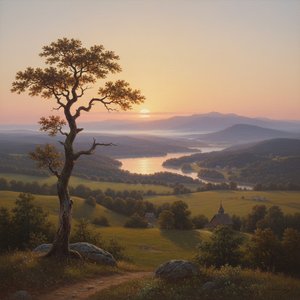
Asher Brown Durand: Luminism, Landscape & the American Ideal – A Comprehensive Exploration
Explore the life & art of Asher Brown Durand, a founding member of the Hudson River School. Discover his masterful landscapes, Luminist techniques, and lasting impact on American painting. Learn about key works like 'Kindred Spirits' & collecting Durand today.

American Romanticism: Capturing the Soul of the Wild Frontier through the Hudson River School
Explore the profound beauty of American Romanticism. Discover how the Hudson River School captured the wild frontier through masterful landscapes, exploring the legacy of legends like Thomas Cole and Asher Durand in this deep dive into art history.
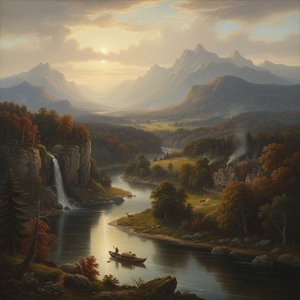
Capturing the American Spirit: A Journey Through Iconic Landscapes and the Legacy of the Hudson River School
Explore the profound beauty of American art history. From the Hudson River School to iconic landscapes, discover a curated journey through the masterpieces that defined a nation's spirit and the enduring legacy of American Romanticism.

Top 10 Remek Dela Koja Su Definisala Hudson River School: Majstorski Priori Za Vaš Dom
Otkrijte 10 remek dela koja su definisala Hudson River School! Uronite u priče o Thomas Cole-u, Frederic Church-u i veličanstvenim pejzažima Amerike. Inspiracija za vaš dom – vrhunske reprodukcije na OriginalUniqueArt.com!