 Pregledaj u prostoru
 Pošalji
 Podeli
 Detalji o delu

 Преузми
 Slični predmeti
 Rendgenski snimak
 Slajdovi
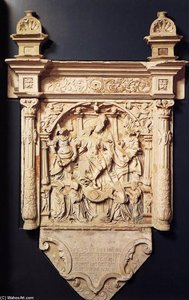
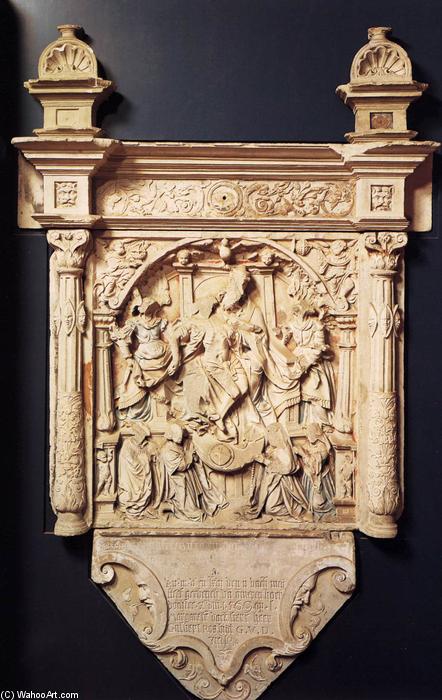
Епитаф Розевих породице
 Akril na platnu
- Umetnost za zidove
- Renaissance Mannerism
 1550
1550 144.0 x 104.0 cm
 Rijksmuseum
 Pročitaj više
Ručno rađena uljana reprodukcija
Ručno oslikano uljanim bojama na platnu u dimenzijama i okviru po vašem izboru, izrađeno po porudžbini od strane naših umetnika. ( Kupi print Kupi digitalnu sliku)




P118B $10

P118H $10

P118W $10

P438Z $10

P508JH $12

P508YH $12

P805H $10

P805Z $10

P919BZ $10

P919G $10

P919XJ $10

P959ZH $10

P968JZ $12

W106C $8

W218G $10

W218JH $8

W218Y $10

W307PJ $10

W316G $10

W316PJ $8

W316Y $10

W398PJ $8

W4111J $10

W500HY $15

W500JH $15

W692G $12

W849H $8

W940BG $15

W953PJ $8




Izaberite jednu od naših unapred definisanih veličina koje odgovaraju originalnim proporcijama umetničkog dela.

Можете унети сопствене димензије како бисте прилагодили дело одређеном оквиру или простору. Ако одабрана величина не одговара пропорцијама оригинала, слика ће бити исечена или проширена додатним елементима који се ручно насликавају. Дигитални prikaz ће вам бити послат на одобрење пре почетка производње.
Имајте на уму да преглед на екрану не одражава стварно исецање или проширење. Само приказ (mockup) ће тачно приказати коначну композицију.
Иако су доступне прилагођене величине, препоручујемо да одаберете димензију из дефинисане листе како бисте сачували оригиналне пропорције.
Nakon narudžbine, tim OriginalUniqueArt.com će klijentu putem e-pošte poslati uputstva i dostaviti prikaz predloženog rešenja
Isporuka širom sveta () za 3/4 nedelje umesto uobičajenih 5 nedelja. (17 август). Bez kompromisa po pitanju kvaliteta.

Besplatna ekspresna dostava širom sveta

Visokokvalitetno laneno platno

Kompletno osiguranje transporta

Garancija povraćaja carine i uvoznih dažbina

Garancija vernosti boja

Politika povrata u roku od 60 dana (samo u slučaju nedostataka)

Garancija povrata novca od 100%

Popust pri grupnoj kupovini
 Opcija sa staklom dostupna je samo za dimenzije manje od 110 cm

Епитаф Розевих породице
Tehnika reprodukcije
Dimenzije reprodukcije
-


Konačna cena
$ 300
Opis umetničkog dela
Ros Family Epitaph – A Testament to Faith Amidst Turbulent Times
Arnt van Tricht’s Ros Family Epitaph stands as a poignant emblem of the High Renaissance in Antwerp and Cologne, circa 1550. More than just a funerary monument, it embodies profound theological symbolism interwoven with masterful artistic execution—a testament to the enduring power of faith during a period marked by religious upheaval. The panel itself is crafted from stone, reflecting the solemnity of its purpose and hinting at the permanence sought in commemorating the Ros family’s legacy.A Window into Antwerp's Artistic Landscape
Van Tricht honed his skills within Cologne’s Ständehaus workshop alongside luminaries like Johann Georg Fytz and Michael Sweerts, absorbing influences from the broader Flemish Renaissance movement. This formative environment instilled a dedication to detail and realism—characteristics vividly apparent in the intricate carving that dominates the piece. The workshop's reputation ensured exposure to cutting-edge artistic trends, shaping Van Tricht’s stylistic sensibilities. Antwerp, where he later established his practice, was itself a crucible of creativity, attracting artists from across Europe and fostering an atmosphere conducive to innovation.Symbolism Rooted in Christian Tradition
The central figure—seated upon what resembles a throne or bench—represents God the Father, offering his son Jesus Christ as salvation to humanity. Surrounding him are supplicating figures embodying faith and devotion, mirroring the Ros family’s aspirations for divine grace. Above Christ's head floats the dove of the Holy Spirit, symbolizing the Trinity – a cornerstone of Christian belief. The architectural elements—columns and arches—further reinforce this spiritual framework, elevating the scene beyond mere commemoration into a visual meditation on theological concepts.Technique and Craftsmanship: A Masterful Achievement
The artist’s meticulous attention to detail is undeniable. Observe the drapery folds rendered with astonishing realism, capturing subtle nuances of light and shadow that imbue the sculpture with palpable depth. The facial expressions convey emotion—a solemn reverence for the divine—reflecting the spiritual significance of the subject matter. Furthermore, the deliberate defacement inflicted upon the monument by Calvinist zealots in 1578 serves as a sobering reminder of the religious tensions gripping Europe at the time. This act underscores not only the vulnerability of artistic heritage but also the enduring legacy of faith and piety.Emotional Resonance: Remembrance and Reflection
The Ros Family Epitaph transcends its formal function, inviting contemplation on themes of mortality, faith, and divine compassion. Its darkened background enhances the luminosity of the stone carving, drawing the viewer’s eye to the central image—a powerful reminder of humanity's yearning for spiritual solace amidst earthly trials. As a reproduction, this artwork offers an opportunity to appreciate Van Tricht’s artistic brilliance while honoring the memory of those commemorated – a timeless piece capturing the spirit of its era.Biografija umetnika
A Quiet Voice Amidst the Flemish Renaissance
Arnt van Tricht remains a figure shrouded in relative obscurity compared to his more famous contemporaries, such as Pieter Bruegel the Elder or Hans Holbein the Younger. Yet, for those who look closely at the artistic landscape of the mid-16th century, his contribution to the cultural fabric of Antwerp and Cologne is undeniable. Born around 1530, Van Tricht’s formative years coincided with a period of intense intellectual ferment, fueled by humanist scholarship and a profound rediscovery of classical ideals. While precise biographical details regarding his early upbringing are scarce, evidence suggests he was a master of both wood and stone, honing his skills in the prestigious workshops of the Lower Rhine region.
His artistic journey likely began under the guidance of Hendrick Douverman, a prominent sculptor of the era. This early training instilled in him a meticulous craftsmanship that would define his career. Though he may have had roots in Utrecht—as suggested by the stylistic similarities between his work and the influential sculptors of that city—he established much of his reputation in Kalkar. In these early years, Van Tricht was a prolific wood-carver, often creating innovative adaptations of late Gothic models. However, as the winds of the Reformation began to sweep through Northern Europe, his medium shifted. The religious upheavals necessitated a change in artistic focus, leading him to specialize in stone relief carving, memorial tablets, and exquisite chimney-pieces that blended durability with profound spiritual narrative.
The Mastery of Form and Devotion
By the mid-1560s, Van Tricht had relocated to Antwerp, a vibrant, bustling hub of international trade and artistic innovation. This move proved pivotal, as the Antwerp patronage system encouraged artists to push the boundaries of their medium. It was during this period that his work began to reflect the sophisticated influences of the High Renaissance and Mannerism. He absorbed the grace of Italian masters like Andrea del Piero della Francesca and the subtle emotional depth of Leonardo da Century, incorporating elements of idealized beauty into his sculptural reliefs.
His most celebrated achievement remains the Ros Family Epitaphs, a series of monumental funerary sculptures commissioned for St. Elisabeth’s Church in Antwerp. Executed in fine Carrara marble, these works transcend mere decoration to become profound theological contemplations. In these pieces, one can witness a masterful command of chiaroscuro—the dramatic interplay of light and shadow—carved directly into the stone. The central figures, often depicting divine grace through the presentation of Christ, are rendered with such precision that the folds of drapery and the nuances of facial expression seem almost palpable. These works served as a microcosm of the era's anxieties, capturing the tension between religious devotion and the looming threat of iconoclasm.
Legacy and Historical Significance
The tragedy of Van Tricht’s legacy is inextricably linked to the turbulent history of Antwerp itself. The Iconoclasm of 1578, a period of violent Protestant reform, saw many of his most precious works targeted by zealous soldiers. The Ros Family Epitaph, for instance, suffered the heartbreak of defaced figures, with heads shattered in an act of religious defiance. Despite such destruction, the surviving fragments of his oeuvre continue to speak volumes about the transition from late Gothic traditions to the sophisticated humanist ideals of the Renaissance.
Today, Arnt van Tricht is remembered not just as a sculptor, but as a bridge between eras. His ability to pivot from the intricate wood-carving of the North to the monumental stone reliefs of the South demonstrates a remarkable versatility and resilience. His work stands as a testament to:
- Technical Versatility: The seamless transition from late Gothic woodcraft to Renaissance marble carving.
- Cultural Synthesis: The blending of Netherlandish precision with Italianate Mannerist elegance.
- Historical Endurance: The survival of profound religious artistry through the most transformative and violent periods of European history.
Through his hands, the stone and wood were given a voice—a quiet, enduring voice that continues to resonate within the halls of art history.

arnt van tricht
1530 - 1570 , Netherlands
Osnovne informacije
- Artistic Movement Or Style: Renaissance Art
- Date Of Birth: 1530
- Full Name: arnt van Tricht
- Nationality: Dutch
- Notable Artworks: ['Ros Family Epitaphs']
- Place Of Birth: Cologne, Netherlands
Povezani članci
Preserving Ephemerality: The Transformation of Internet Memes into Durable Canvas Art – A Study of Digital Culture, Customization, and Artistic Longevity
Explore the fascinating transformation of internet memes into durable canvas art! Discover the cultural impact, artistic techniques & preservation efforts driving this new movement. Expert insights for collectors and enthusiasts.
Remiks generacija: Rekontekstualizacija apropriacije i konzumerizma u digitalnoj eri – Trend Forecast za kolekcionare umetnosti
Istražite kako digitalna era redefiniše apropriaciju i konzumerizam u svetu umetnosti. Trend forecast za kolekcionare, ekskluzivne reprodukcije i saveti stručnjaka na OriginalUniqueArt.com.