
 Pregledaj u prostoru
 Podeli
 Podeli
 Detalji
 Vodič
Vodič

 Preuzmi sliku
 Slični predmeti
 Rendgenski snimak
 Automatska prezentacija
 Statistika
The Awakening of Spring


 Pročitaj više
Giclee štampa / Umetnički otisak
Giclée štampa ili print na platnu muzejskog kvaliteta uz brzu izradu i raznovrsne opcije završne obrade. ( Naručite ručno oslikano reprodukciju Pređi na prodaju digitalnih slika)




P118B $10

P118H $10

P118W $10

P438Z $10

P508JH $12

P508YH $12

P805H $10

P805Z $10

P919BZ $10

P919G $10

P919XJ $10

P959ZH $10

P968JZ $12

W106C $8

W218G $10

W218JH $8

W218Y $10

W307PJ $10

W316G $10

W316PJ $8

W316Y $10

W398PJ $8

W4111J $10

W500HY $15

W500JH $15

W692G $12

W849H $8

W940BG $15

W953PJ $8




Izaberite jednu od naših unapred definisanih veličina koje odgovaraju originalnim proporcijama umetničkog dela.

Možete uneti sopstvene dimenzije kako biste umetničko delo prilagodili specifičnom okviru ili prostoru. Ako odabrani format ne odgovara proporcijama originalne slike, mi ćemo ili iscrtati deo dela ili proširiti sliku pomoću ogledane ivice ili jednobojnog popunjavanja. Digitalni prikaz će vam biti poslat na odobrenje pre početka proizvodnje.
Imajte na umu da pregled na ekranu ne odražava stvarno iscrtavanje ili proširivanje. Samo će prikaz (mockup) precizno pokazati finalnu kompoziciju.
Iako su prilagođene dimenzije dostupne, preporučujemo da odaberete dimenziju sa unapred definisane liste kako biste očuvali originalne proporcije.
Dostava širom sveta () za 2 nedelje umesto uobičajenih 4/5 nedelja. (26 септембар)

Besplatna ekspresna dostava širom sveta

Visokokvalitetno laneno platno

Sveobuhvatno osiguranje transporta

Garancija povraćaja carine i uvoznih dažbina

Garancija vernosti boja i autentičnosti pri reprodukciji

Politika povraćaja u roku od 100 dana (samo u slučaju nedostataka)

Garancija povrata 100% novca

Popust pri većoj količini
 Opcija sa staklom dostupna je samo za dimenzije manje od 110 cm

The Awakening of Spring
Giclee štampa / Umetnički otisak
Veličina reprodukcije
-


Ukupna cena
$ 80
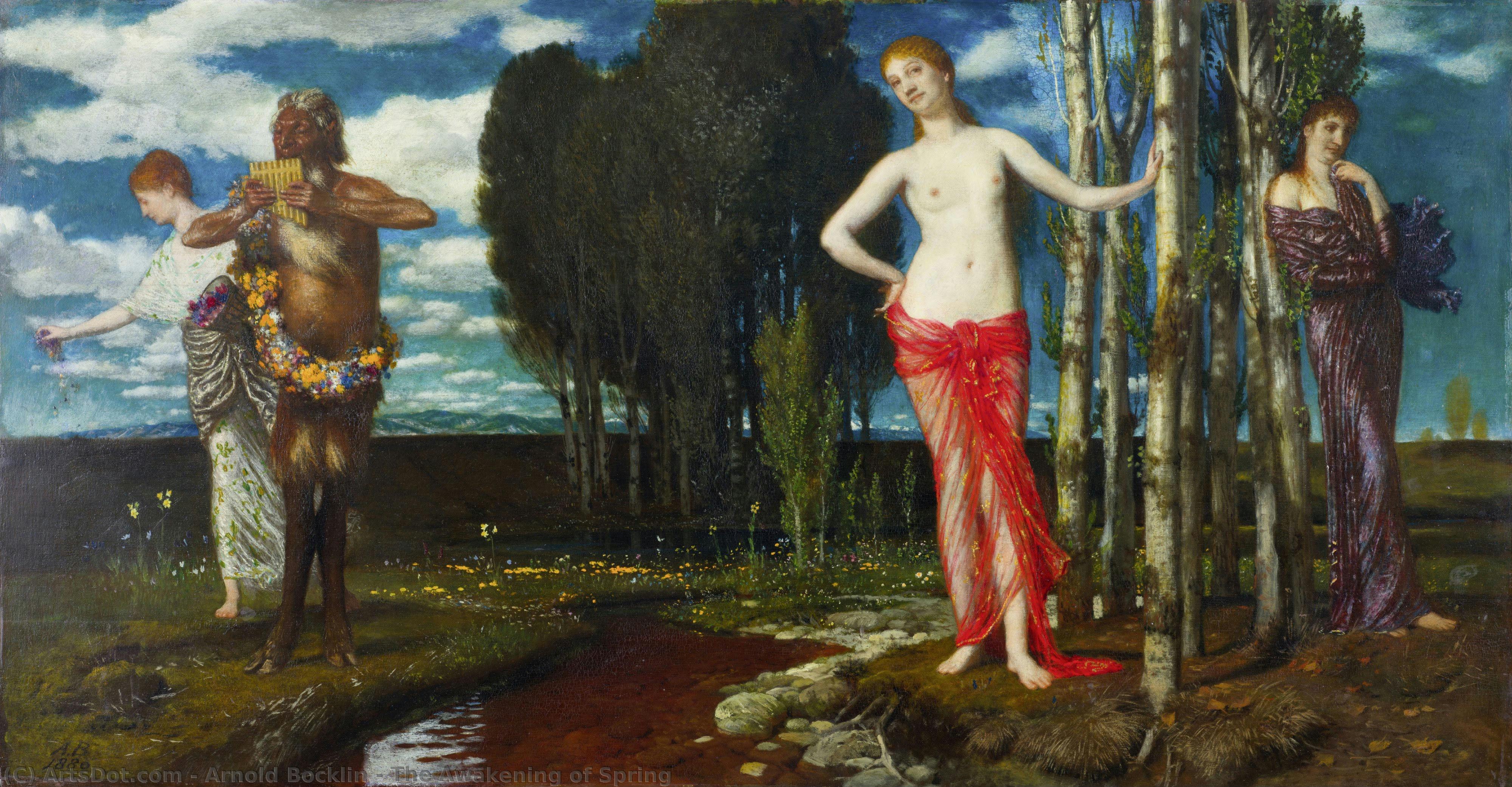
A Dreamscape of Renewal: Arnold Böcklin’s “The Awakening of Spring”
Arnold Böcklin's "The Awakening of Spring" (Frühlingserwachen), painted in 1880, isn’t merely a depiction of springtime; it’s an immersion into a realm of potent symbolism and haunting beauty. This oil-on-wood panel, currently residing within the Kunsthaus Zürich’s collection, immediately draws the viewer into a world where the boundaries between reality and dream blur, inviting contemplation on themes of rebirth, mortality, and the ephemeral nature of existence. Böcklin, a pivotal figure in the Symbolist movement, masterfully employs muted colors—primarily blues, greens, and browns—to create an atmosphere of serene melancholy, a characteristic deeply rooted in his exploration of death and the subconscious.
The scene unfolds with a group of nude women, their forms graceful yet subtly melancholic, gathered around a cluster of blossoming trees. They are not engaged in boisterous revelry but rather seem lost in quiet contemplation, embodying a sense of serene detachment from the world. Their poses—one holding her hands to her hips, another gazing into the distance—suggest a profound connection with nature and an awareness of their own vulnerability within it. The figures aren’t presented as idealized beauties; instead, they possess a certain fragility and timelessness, reflecting Böcklin's fascination with archetypal imagery and the enduring power of myth.
The Roots of Symbolism: Context and Influences
To fully appreciate “The Awakening of Spring,” it’s crucial to understand the artistic currents that shaped Böcklin’s vision. The late 19th century witnessed a growing disillusionment with rationalism and industrialization, leading artists and intellectuals alike to seek solace in the realms of myth, folklore, and the subconscious. Symbolism, emerging from this context, rejected realism in favor of evocative imagery designed to stimulate emotional and spiritual responses. Böcklin’s work is profoundly influenced by Pre-Raphaelitism, particularly the romantic landscapes and allegorical figures of artists like William Holman Hunt and Dante Gabriel Rossetti. Furthermore, he drew inspiration from the writings of Edgar Allan Poe and the philosophies of Friedrich Nietzsche, incorporating elements of darkness, decay, and psychological intensity into his compositions.
The painting’s genesis is intertwined with a personal tragedy – Böcklin's daughter, Maria, died at a young age. This loss undoubtedly fueled his preoccupation with themes of mortality and the cyclical nature of life and death. The image of the “Isle of the Dead,” which he revisited repeatedly throughout his career, served as a visual anchor for these explorations, providing a framework for depicting the transition between worlds.
Decoding the Symbolism: Figures and Flora
Each element within "The Awakening of Spring" carries symbolic weight. The nude figures represent not just physical beauty but also vulnerability, innocence, and a connection to the natural world. Their lack of adornment emphasizes their essential nature, stripped bare of societal constraints. The trees themselves are laden with blossoms—a potent symbol of rebirth, fertility, and the promise of new beginnings. However, the muted palette and the figures’ somber expressions suggest that this renewal is not without its melancholy undertones. The presence of a single bird in the upper left corner adds another layer of meaning, representing hope and freedom amidst the prevailing atmosphere of quiet contemplation.
Notably, the painting echoes Botticelli's "Primavera," a work that itself embodies the themes of spring and renewal. Böcklin’s interpretation, however, is far more introspective and psychologically complex, reflecting his Symbolist sensibilities. The figures are not celebrating the arrival of spring; they are engaged in a silent dialogue with its mysteries—a meditation on life's fleeting beauty and inevitable decay.
A Timeless Resonance: Emotional Impact and Legacy
“The Awakening of Spring” continues to resonate deeply with viewers today, largely due to its evocative atmosphere and profound exploration of universal themes. It’s a painting that invites introspection, prompting us to consider our own relationship with nature, mortality, and the enduring power of dreams. The work's haunting beauty and subtle symbolism have cemented Böcklin’s place as one of the most important figures in Symbolist art, influencing generations of artists and inspiring countless interpretations. Reproductions of this masterpiece offer a window into a world of profound emotional depth—a testament to Böcklin’s extraordinary artistic vision.
Biografija umetnika
rani život i obrazovanje
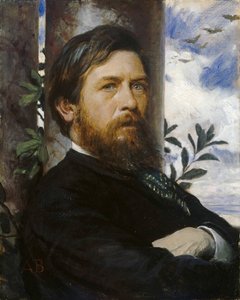
Arnold Böcklin, švajcarski simbolistički slikar, rođen je 16. oktobra 1827. godine u Baselu, u Švajcarskoj. Njegov otac, Christian Frederick Böcklin, poticao je iz stare porodice iz Šafauzena i bavio se trgovinom svilom, dok je Arnoldova majka, Ursula Lippe, bila rodom iz istog grada. Svoje umetničko obrazovanje sticao je u akademiji u Diseldorfu pod mentorstvom Širmera, gde je stekao prijateljstvo sa Anselmom Feuerbachom. Böcklin ostaje duboko povezan sa umetničkom školom u Diseldorfu.umetnička karijera i simbolizam
Böcklinovo umetničko putovanje vodilo ga je kroz brojne evropske gradove, uključujući Pariz, gde je radio u Louvru, i Rim, čiji su prizori ostavili neizbrisiv trag na njegovu viziju. Njegova dela često prikazuju alegorijske i mitološke figure smeštene u okruženja koja prožimaju klasičnom arhitekturom, istražujući duboke teme smrti i prolaznosti.- Veliki park, jedno od njegovih najranijih dela, predstavljalo je antičku mitologiju.
- Nimfa i satir (1858) i Safona (1859) bila su značajna dela tog perioda.
- Böcklinov Portret sebe, dok smrt svira violinu (1872) predstavljao je vrhunac njegovog jedinstvenog stila.
nasleđe i uticaj
Böcklin je najpoznatiji po svojih pet verzija dela Ostrvo mrtvih (1880–1886), koje je evociralo englesko groblje u Firenci, gde je sahranjena njegova ćerka. Njegov rad snažno je uticao na mlađe umetnike poput Hansa Thome i inspirisao je brojne kompozitore kasne romantike.- Klement Greenberg je opisao Böcklinovo delo kao "jedan od najsavršenijih izraza" svog vremena.
- Böcklinov stil se preklapao sa predrafaelitima, naglašavajući svet snova i mistike.
muzeji i kolekcije
Böcklinova dela se mogu pronaći u brojnim svetskim muzejima, među kojima su:- Öffentliche Kunstsammlung (Basel, Švajcarska)
- Kunstmuseum Basel (Švajcarska)
- Museum Kunsthaus Zürich (Zürich, Švajcarska)
Arnold Böcklin
1827 - 1901 , Švajcarska
Brzi pregled
- Artistic Movement Or Style: Simbolizam
- Artists Or Movements Influenced By This Artist:
- Hans Thoma
- Pre-rafaeliti
- Artists Who Influenced This Artist:
- Schirmer
- Feuerbach
- Date Of Birth: 16. oktobar 1827.
- Date Of Death: 16. januar 1901.
- Full Name: Arnold Böcklin
- Nationality: Švajcarski
- Notable Artworks:
- Ostrvo mrtvih
- Nimfa i satir
- Safo
- Moj portret
- Place Of Birth: Bazel, Švajcarska
Srodni članci

Arboreal Echoes: A Historical & Artistic Exploration of Trees in Painting
Explore the rich history of trees in painting! Discover symbolism, Romantic masterpieces by Caspar David Friedrich & beyond. A curated journey for art enthusiasts.
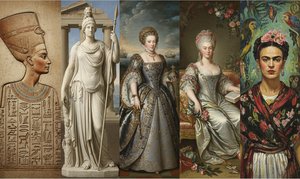
Portrayals of Power & Perception: A Historical Survey of Women in Art
Explore the rich history of women in art – from iconic muses to groundbreaking artists. Discover feminist movements & reclaim female narratives with OriginalUniqueArt. Expert insights for discerning collectors.

The Enduring Allure of the Nude: A Historical & Artistic Exploration of the Human Form
Explore the captivating history of nude art! Discover iconic paintings & artists from classical to modern eras. Uncover symbolism, techniques & find museum-quality reproductions at OriginalUniqueArt.
Arboreal Echoes: A Historical & Artistic Exploration of Trees in Painting
Explore the rich history of trees in painting! Discover symbolism, Romantic masterpieces by Caspar David Friedrich & beyond. A curated journey for art enthusiasts.

The Enduring Muse: Women as Subject & Symbol in Art History
Explore the rich history of women in art – from iconic muses to groundbreaking artists. Discover feminist movements, global perspectives & reclaim female narratives with OriginalUniqueArt.
