
 Pregledaj u prostoru
 Pošalji
 Podeli
 Detalji o delu
 Vodič
Vodič

 Preuzmi
 Slični predmeti
 Rendgenski snimak
 Automatska prezentacija
 Pitanja i odgovori
 Statistika
Ruine dans un paysage au clair de lune


 Pročitaj više
Giclee štampa / Umetnički otisak
Giclée štampa ili print na platnu muzejskog kvaliteta uz brzu izradu i raznovrsne opcije završne obrade. ( Kupite ručno oslikano delo Pređi na digitalnu sliku)




P118B дин10

P118H дин10

P118W дин10

P438Z дин10

P508JH дин12

P508YH дин12

P805H дин10

P805Z дин10

P919BZ дин10

P919G дин10

P919XJ дин10

P959ZH дин10

P968JZ дин12

W106C дин8

W218G дин10

W218JH дин8

W218Y дин10

W307PJ дин10

W316G дин10

W316PJ дин8

W316Y дин10

W398PJ дин8

W4111J дин10

W500HY дин15

W500JH дин15

W692G дин12

W849H дин8

W940BG дин15

W953PJ дин8




Izaberite jednu od naših unapred definisanih veličina koje odgovaraju originalnim proporcijama umetničkog dela.

Unesite željenu širinu i visinu kako bi se štampa uklopila u vaš ram ili zid. Štampu je moguće samo iseći, ali nikada povećati iznad dimenzija originalne slike, stoga format sa drugačijim proporcijama uzrokuje gubitak dela slike. Pre početka štampe, poslaćemo vam digitalni prikaz radi potvrde. Slika prikazana na ovoj stranici ne predstavlja stvarni isrez — to pokazuje samo digitalni prikaz.
Dostava širom sveta () za 2 nedelje umesto uobičajenih 4/5 nedelja. (4 новембар)

Besplatna ekspresna dostava širom sveta

Visokokvalitetno laneno platno

Potpuno osiguranje transporta

Garancija povraćaja carine i uvoznih dažbina

Garancija vernosti boja

Politika povraćaja u roku od 100 dana (samo u slučaju nedostataka)

Garancija povrata 100% novca

Popust na više proizvoda
 Opcija sa staklom dostupna je samo za dimenzije manje od 110 cm

Ruine dans un paysage au clair de lune
Giclee štampa / Umetnički otisak
Dimenzije reprodukcije
-


Ukupna cena
дин 8487
A Nocturnal Vision of Decay and Grace
In the quietude of Ruine dans un paysage au clair de lune, we are invited to witness a moment suspended in time, where the boundaries between the physical world and the realm of dreams begin to dissolve. The painting presents a hauntingly beautiful depiction of a castle ruin, its fractured stones standing as silent sentinels amidst a sprawling field. Surrounded by a dense arrangement of trees that seem to cradle the wreckage, the scene is bathed in the ethereal glow of moonlight. This soft, silvery light filters through a dramatic, cloudy sky, casting long, mysterious shadows and imbuing the landscape with an atmosphere of profound stillness. Within this nocturnal stage, a lone horse wanders through the grass near the crumbling architecture, while two distant figures—one positioned toward the left and another toward the right—add a sense of human scale and narrative mystery to the composition.
The technique employed in this work captures the very essence of Symbolism, utilizing light and shadow to evoke deep emotional responses. The interplay between the luminous moonbeams and the dark, heavy textures of the clouds creates a visual tension that is both captivating and unsettling. For the discerning collector or interior designer, this piece offers more than mere decoration; it provides a window into a world of introspection. The way the light catches the edges of the ruins and the soft movement of the horse suggests a life force that persists even amidst decay, making it an ideal centerpiece for spaces designed to inspire contemplation, peace, and a touch of the sublime.
The Poetics of the Moonlit Ruin
Beyond its visual splendor, Ruine dans un paysage au clair de lune serves as a poignant meditation on the passage of time and the inevitable reclamation of man-made structures by nature. The ruins are not merely architectural debris; they function as a memento mori, reminding the viewer of the transience of human achievement against the eternal backdrop of the natural world. The presence of the figures and the wandering horse introduces a layer of storytelling, prompting us to wonder about the histories embedded within these stones and the journeys of those who pass through this moonlit landscape.
The emotional impact of the painting lies in its ability to balance melancholy with enchantment. There is a certain magic in the way the moonlight transforms a scene of destruction into one of breathtaking beauty. This duality makes the artwork particularly compelling for those seeking to infuse their environments with depth and soul. Whether placed in a grand library or a contemporary living space, a high-quality reproduction of this masterpiece brings with it an aura of mystery and a timeless elegance that transcends modern trends, inviting every observer to explore the stories hidden within the shadows.
Pitanja i odgovori
Sa kojim osećanjem je povezano "Ruine dans un paysage au clair de lune"?
„Ruine dans un paysage au clair de lune“ je povezano sa Mysterious osećajem. Emocionalni ton opisuje utisak koji delo ostavlja.
O čemu se radi u delu "Ruine dans un paysage au clair de lune" i kakvu atmosferu odiše?
„Ruine dans un paysage au clair de lune“ prikazuje castle ruin, horse, people, trees, moonlight, clouds, grass, night sky, a njegovo dočarano raspoloženje je Mystical.
Kako se medijum i pokret spajaju u delu "Ruine dans un paysage au clair de lune"?
„Ruine dans un paysage au clair de lune“ je urađeno u tehnici Oil On Canvas, u stilu Symbolism.
Biografija umetnika
rani život i obrazovanje
Arnold Böcklin, švajcarski simbolistički slikar, rođen je 16. oktobra 1827. godine u Baselu, u Švajcarskoj. Njegov otac, Christian Frederick Böcklin, poticao je iz stare porodice iz Šafauzena i bavio se trgovinom svilom, dok je Arnoldova majka, Ursula Lippe, bila rodom iz istog grada. Svoje umetničko obrazovanje sticao je u akademiji u Diseldorfu pod mentorstvom Širmera, gde je stekao prijateljstvo sa Anselmom Feuerbachom. Böcklin ostaje duboko povezan sa umetničkom školom u Diseldorfu.umetnička karijera i simbolizam
Böcklinovo umetničko putovanje vodilo ga je kroz brojne evropske gradove, uključujući Pariz, gde je radio u Louvru, i Rim, čiji su prizori ostavili neizbrisiv trag na njegovu viziju. Njegova dela često prikazuju alegorijske i mitološke figure smeštene u okruženja koja prožimaju klasičnom arhitekturom, istražujući duboke teme smrti i prolaznosti.- Veliki park, jedno od njegovih najranijih dela, predstavljalo je antičku mitologiju.
- Nimfa i satir (1858) i Safona (1859) bila su značajna dela tog perioda.
- Böcklinov Portret sebe, dok smrt svira violinu (1872) predstavljao je vrhunac njegovog jedinstvenog stila.
nasleđe i uticaj
Böcklin je najpoznatiji po svojih pet verzija dela Ostrvo mrtvih (1880–1886), koje je evociralo englesko groblje u Firenci, gde je sahranjena njegova ćerka. Njegov rad snažno je uticao na mlađe umetnike poput Hansa Thome i inspirisao je brojne kompozitore kasne romantike.- Klement Greenberg je opisao Böcklinovo delo kao "jedan od najsavršenijih izraza" svog vremena.
- Böcklinov stil se preklapao sa predrafaelitima, naglašavajući svet snova i mistike.
muzeji i kolekcije
Böcklinova dela se mogu pronaći u brojnim svetskim muzejima, među kojima su:- Öffentliche Kunstsammlung (Basel, Švajcarska)
- Kunstmuseum Basel (Švajcarska)
- Museum Kunsthaus Zürich (Zürich, Švajcarska)
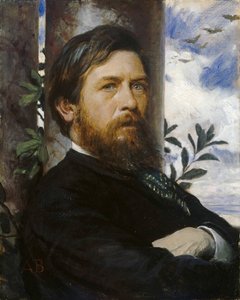
Arnold Böcklin
1827 - 1901 , Švajcarska
Osnovne informacije
- Artistic Movement Or Style: Simbolizam
- Artists Or Movements Influenced By This Artist:
- Hans Thoma
- Pre-rafaeliti
- Artists Who Influenced This Artist:
- Schirmer
- Feuerbach
- Date Of Birth: 16. oktobar 1827.
- Date Of Death: 16. januar 1901.
- Full Name: Arnold Böcklin
- Nationality: Švajcarski
- Notable Artworks:
- Ostrvo mrtvih
- Nimfa i satir
- Safo
- Moj portret
- Place Of Birth: Bazel, Švajcarska
Povezani članci

10 Breathtaking Masterpieces That Redefine the Landscape Genre
Journey through history with 10 iconic landscape paintings that capture the soul of nature. From Impressionist light to Romantic vistas, explore the stories behind these timeless masterpieces and find museum-quality art reproductions for your home. Discover all masterpieces on OriginalUniqueArt.com
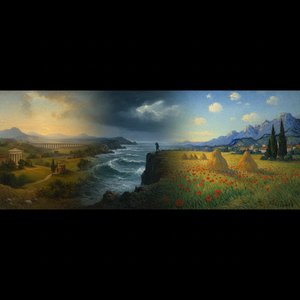
10 Breathtaking Masterpieces That Redefine the Landscape Genre
Journey through history with 10 iconic landscape paintings that capture the soul of nature. From Impressionist light to dramatic vistas, explore the stories behind these timeless masterpieces and find museum-quality reproductions for your decor. Discover all masterpieces on OriginalUniqueArt.com

Beyond the Horizon: 10 Masterpieces That Redefine Landscape Art
Journey through history with 10 iconic landscape paintings that capture the soul of nature. From Impressionist light to dramatic vistas, explore the stories behind these timeless masterpieces and find museum-quality reproductions for your decor. Discover all masterpieces on OriginalUniqueArt.com.

Beyond the Horizon: 10 Masterpieces That Redefine Landscape Art
Journey through history with 10 iconic landscape paintings that capture the soul of nature. From Impressionist light to Romantic vistas, explore the stories behind these timeless masterpieces and find museum-quality reproductions for your decor. Discover all masterpieces on OriginalUniqueArt.com

Beyond the Horizon: 10 Masterpieces That Redefine Landscape Art
Journey through history with 10 iconic landscape paintings that capture the soul of nature. From Impressionist light to dramatic vistas, explore the stories behind these timeless masterpieces and find museum-quality reproductions for your decor. Discover all masterpieces on OriginalUniqueArt.com
