

 Pregledaj u prostoru
 Podeli
 Podeli
 Detalji
 Vodič
Vodič

 Preuzmi sliku
 Slični predmeti
 Rendgenski snimak
 Automatska prezentacija
 Statistika
Centaur Watching Fish
 Oil On Canvas
- WallArt
- Symbolism
 1878
1878- 19th Century
 43.0 x 70.0 cm
 Kunsthaus Zürich
 Pročitaj više
Ručno rađena uljana reprodukcija
Ručno oslikano uljanim bojama na platnu u dimenzijama i okviru po vašem izboru, izrađeno po porudžbini od strane naših umetnika. ( Pređi na prodaju štampanih primeraka Pređi na prodaju digitalnih slika)




P118B дин10

P118H дин10

P118W дин10

P438Z дин10

P508JH дин12

P508YH дин12

P805H дин10

P805Z дин10

P919BZ дин10

P919G дин10

P919XJ дин10

P959ZH дин10

P968JZ дин12

W106C дин8

W218G дин10

W218JH дин8

W218Y дин10

W307PJ дин10

W316G дин10

W316PJ дин8

W316Y дин10

W398PJ дин8

W4111J дин10

W500HY дин15

W500JH дин15

W692G дин12

W849H дин8

W940BG дин15

W953PJ дин8




Izaberite jednu od naših unapred definisanih veličina koje odgovaraju originalnim proporcijama umetničkog dela.

Unesite širinu i visinu koja vam je potrebna, kako bi se uklopili u vaš ram ili zid. Pošto je ovo ručno oslikano delo, umetnik može naslikati malo više prostora oko slike ili malo skratiti ivice za dimenzije drugačijeg oblika — izbor je na vama. Pre početka rada, poslaćemo vam digitalni prikaz radi potvrde. Slika prikazana na ovoj stranici ne predstavlja konačan rezultat — samo digitalni prikaz pokazuje stvarnu sliku.
Nakon narudžbine, tim OriginalUniqueArt.com će klijentu putem e-pošte poslati uputstva i dostaviti prikaz predloženog rešenja
Svetska isporuka () za 3/4 nedelje umesto uobičajenih 5 nedelja. (21 октобар). Bez kompromisa po pitanju kvaliteta.

Besplatna ekspresna dostava širom sveta

Visokokvalitetno laneno platno

Sveobuhvatno osiguranje transporta

Garancija povraćaja carine i uvoznih dažbina

Garancija vernosti boja i autentičnosti pri reprodukciji

Politika povraćaja u roku od 100 dana (samo u slučaju nedostataka)

Garancija povrata 100% novca

Popust pri većoj količini
 Opcija sa staklom dostupna je samo za dimenzije manje od 110 cm

Centaur Watching Fish
Tehnika izrade reprodukcije
Veličina reprodukcije
-


Ukupna cena
дин 30679
A Silent Meditation on Nature and Mortality
In the quietude of Arnold Böcklin’s 1878 masterpiece, “Centaur Watching Fish,” the viewer is invited into a realm where the boundaries between the mythological and the terrestrial dissolve. This evocative oil on canvas, currently held in the prestigious Kunsthaus Zürich, serves as a profound gateway into the Symbolist movement—a period of art history dedicated to exploring the hidden psychological depths of the human soul. Rather than presenting a mere scene from ancient legend, Böcklin crafts an immersive experience that speaks to the universal themes of solitude and the silent, rhythmic pulse of the natural world. The centaur, a creature of dual nature, reclines upon a serene shoreline, his gaze fixed upon the movement beneath the water's surface, creating a moment of suspended animation that feels both eternal and fleeting.
The composition is masterfully orchestrated to evoke a sense of Romantic reverie. Utilizing a horizontal format, Böcklin emphasizes the reclining posture of the centaur, grounding the mythological figure within a landscape of soft sands and swaying grasses. The artist deliberately eschews the rigid precision of strict realism in favor of an emotional truth. Through the use of diffused lighting and gentle shadows, he establishes an atmosphere of melancholic stillness. This technique allows the viewer to feel the weight of the silence, as if the very air around the creature is heavy with contemplation. It is a painting that does not demand attention through spectacle, but rather earns it through a subtle, haunting intimacy.
The Mastery of Texture and Atmosphere
Technically, “Centaur Watching Fish” is a triumph of texture and perspective. Böcklin employs the impasto technique with remarkable skill, applying thick, deliberate layers of paint to render the coarse fur of the centaur’s equine half. This tactile richness provides a palpable sense of physicality, making the creature feel present and breathing within the frame. To balance this heavy texture, the artist utilizes atmospheric perspective to create an illusion of infinite depth. By reducing color saturation and softening the details of the distant horizon, he simulates a hazy, dreamlike distance that reinforces the theme of isolation. This method draws a direct lineage from the Romantic masters like Caspar David Friedrich, using the landscape as a mirror for spiritual introspection.
The color palette is a sophisticated arrangement of earthy tones—ochres, deep browns, and muted beiges—which lends the work an organic, timeless quality. These warm, grounded hues are contrasted by the subtle, shimmering light reflecting off the water, drawing the eye toward the focal point of the centaur’s quiet observation. For the collector or interior designer, this piece offers a unique aesthetic versatility; its somber yet tranquil mood provides a sophisticated anchor for a room, offering a sense of historical depth and intellectual gravity that more contemporary works may lack.
Symbolism: The Intersection of Myth and Being
Beyond its visual splendor, the painting functions as a complex symbolic tapestry. The centaur itself—a hybrid of human intellect and animal instinct—serves as a powerful metaphor for the duality of existence. As he watches the fish, there is a profound sense of the relationship between humanity and the untamed elements of nature. The act of watching becomes a meditation on mortality; the stillness of the figure suggests a resignation to the cycles of life and death that govern both man and beast. There is a touch of sadness in his solitude, yet it is a beautiful, dignified melancholy that celebrates the quiet dignity of existence.
For those seeking to bring a piece of this profound emotional landscape into their personal spaces, a high-quality reproduction of this work offers more than just decoration. It provides a window into a bygone era of artistic exploration, a constant reminder of the beauty found in silence and the enduring power of myth. Whether placed in a library, a study, or a curated gallery space, “Centaur Watching Fish” continues to provoke thought, inviting all who encounter it to pause, breathe, and reflect upon the silent wonders of the world.
Pitanja i odgovori
Kakvu atmosferu odiše "Centaur Watching Fish"?
„Centaur Watching Fish”, Arnold Böcklin se opisuje kao delo Romantic raspoloženja. Ovakva klasifikacija može pomoći u uklapanju dela u određeni ambijent.
Mogu li da vidim „Centaur Watching Fish”, Arnold Böcklin na svom zidu pre kupovine?
Delo „Centaur Watching Fish”, Arnold Böcklin možete isprobati na svom zidu putem stranice AR pregled, koristeći proširenu stvarnost na kompatibilnom uređaju.
Da li je "Centaur Watching Fish" u celini svetlija ili tamnija?
Za delo „Centaur Watching Fish”, Arnold Böcklin zabeležena je osvetljenost od balanced, uz luminancu od Soft Shadow.
Biografija umetnika
rani život i obrazovanje
Arnold Böcklin, švajcarski simbolistički slikar, rođen je 16. oktobra 1827. godine u Baselu, u Švajcarskoj. Njegov otac, Christian Frederick Böcklin, poticao je iz stare porodice iz Šafauzena i bavio se trgovinom svilom, dok je Arnoldova majka, Ursula Lippe, bila rodom iz istog grada. Svoje umetničko obrazovanje sticao je u akademiji u Diseldorfu pod mentorstvom Širmera, gde je stekao prijateljstvo sa Anselmom Feuerbachom. Böcklin ostaje duboko povezan sa umetničkom školom u Diseldorfu.umetnička karijera i simbolizam
Böcklinovo umetničko putovanje vodilo ga je kroz brojne evropske gradove, uključujući Pariz, gde je radio u Louvru, i Rim, čiji su prizori ostavili neizbrisiv trag na njegovu viziju. Njegova dela često prikazuju alegorijske i mitološke figure smeštene u okruženja koja prožimaju klasičnom arhitekturom, istražujući duboke teme smrti i prolaznosti.- Veliki park, jedno od njegovih najranijih dela, predstavljalo je antičku mitologiju.
- Nimfa i satir (1858) i Safona (1859) bila su značajna dela tog perioda.
- Böcklinov Portret sebe, dok smrt svira violinu (1872) predstavljao je vrhunac njegovog jedinstvenog stila.
nasleđe i uticaj
Böcklin je najpoznatiji po svojih pet verzija dela Ostrvo mrtvih (1880–1886), koje je evociralo englesko groblje u Firenci, gde je sahranjena njegova ćerka. Njegov rad snažno je uticao na mlađe umetnike poput Hansa Thome i inspirisao je brojne kompozitore kasne romantike.- Klement Greenberg je opisao Böcklinovo delo kao "jedan od najsavršenijih izraza" svog vremena.
- Böcklinov stil se preklapao sa predrafaelitima, naglašavajući svet snova i mistike.
muzeji i kolekcije
Böcklinova dela se mogu pronaći u brojnim svetskim muzejima, među kojima su:- Öffentliche Kunstsammlung (Basel, Švajcarska)
- Kunstmuseum Basel (Švajcarska)
- Museum Kunsthaus Zürich (Zürich, Švajcarska)
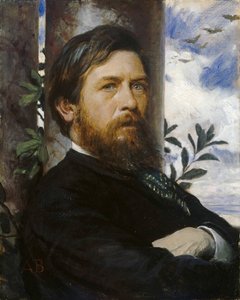
Arnold Böcklin
1827 - 1901 , Švajcarska
Brzi pregled
- Artistic Movement Or Style: Simbolizam
- Artists Or Movements Influenced By This Artist:
- Hans Thoma
- Pre-rafaeliti
- Artists Who Influenced This Artist:
- Schirmer
- Feuerbach
- Date Of Birth: 16. oktobar 1827.
- Date Of Death: 16. januar 1901.
- Full Name: Arnold Böcklin
- Nationality: Švajcarski
- Notable Artworks:
- Ostrvo mrtvih
- Nimfa i satir
- Safo
- Moj portret
- Place Of Birth: Bazel, Švajcarska
Srodni članci

Romantic Realism's Finest: 10 Masterpieces for Your Home | OriginalUniqueArt
Explore 10 defining masterpieces of Romantic Realism! Discover Courbet, Millet & Daumier's powerful paintings—capturing emotion and social realities. Find museum-quality reproductions for your home at OriginalUniqueArt.com.

The Enduring Power of Painting: A Historical & Contemporary Exploration of Form and Emotion
Explore the rich history & enduring techniques of oil painting with OriginalUniqueArt. Discover masterpieces, learn about art collecting, and find authentic handmade reproductions crafted by skilled artists.

The Enduring Legacy of Oil on Canvas: Technique, History & Aesthetic Impact
Explore the rich history & techniques of oil painting – from Renaissance masters to Impressionism. Discover pigments, layering methods, and why this timeless medium endures. Expert insights for artists & art enthusiasts.

Oil on Canvas: A Historical & Technical Exploration of a Timeless Artistic Medium
Explore the rich history & enduring techniques of oil painting on canvas. Discover the science behind its longevity, conservation practices, and contemporary relevance. Expert insights for art enthusiasts.

Trajnu Ostavština Uljanih Boja na Platnu: Tehnika, Istorija i Savremena Praksa
Istražite bogatu istoriju i savremene tehnike uljanog slikarstva. Saveti stručnjaka, analiza radova velikih majstora i vodiči za biranje kvalitetnih materijala. Otkrijte tajne očuvanja umetničkih dela!
