Pređi na štampu
 Pročitaj više







































 Za umetnička dela ili reprodukcije čija je bilo koja strana veća od 105 cm (približno 41 inč), okvir će biti isporučen u obliku rastavljenog seta za sklapanje. Ovaj metod osigurava bezbednu dostavu i sprečava oštećenja tokom transporta.


António Xavier Trindade: A Bridge Between East and West
António Xavier Trindade stands as an enduring figure in Portuguese art history—a testament to artistic synthesis and profound observation of the human condition. Born in Sanguem, Goa, in 1870, amidst the vibrant tapestry of colonial India, his life’s journey was inextricably linked with the evolving cultural landscape of his time. Unlike many artists of his era who adhered rigidly to academic conventions, Trindade possessed a remarkable ability to absorb influences from both European naturalism and the rich traditions of Indian art and spirituality—a duality that defines his distinctive artistic vision. This blending of perspectives resulted in paintings imbued with an unparalleled sensitivity to detail and emotion, securing him a place among Portugal’s most celebrated painters.- Early Training & Influence: Trindade's formative years at the Sir Jamsetjee Jeejeebhoy School of Art in Bombay exposed him to the rigorous methodologies of European naturalism championed by the South Kensington system. However, his familial heritage—Catholic parents and a deep connection to Goa’s cultural traditions—provided an equally vital grounding for his artistic sensibilities.
- Bombay School Style: Trindade's signature style embodies the Bombay School aesthetic—characterized by meticulous realism combined with subtle tonal harmonies that capture the essence of Indian landscapes and portraits. His canvases are populated with figures rendered in exquisite detail, reflecting a masterful command of technique and an unwavering commitment to portraying human subjects with dignity and compassion.
- Notable Works: Among Trindade’s most acclaimed paintings include “Dolce Farniente,” depicting a reclining woman bathed in soft light—a piece that exemplifies his ability to convey tranquility and beauty—and “New Year’s Song,” which captures the joyous spirit of festive celebrations with vibrant colors and dynamic compositions.
Symbolism & Spiritual Depth
Trindade's artistic explorations extended beyond mere visual representation; he sought to imbue his paintings with symbolic meaning rooted in Hindu cosmology and spirituality. Recurring motifs—such as the triangle—served as emblems of divine unity and harmony, reflecting Trindade’s belief that art could illuminate profound truths about existence. This deliberate incorporation of spiritual symbolism distinguishes him from many artists of his era who prioritized stylistic innovation over conceptual depth.- The Triangle Motif: The triangle—a cornerstone of Hindu iconography—appears prominently in several of Trindade's works, symbolizing the Trinity (Father, Son, Holy Spirit) and representing the interconnectedness of all things.
- Color Palette & Emotional Resonance: Trindade’s masterful use of color contributes significantly to the emotional impact of his paintings. Earthy tones—such as ochre and umber—were favored for landscapes, conveying a sense of timelessness and serenity, while brighter hues—like crimson and gold—were employed in portraits and festive scenes, evoking feelings of joy and celebration.
- Narrative & Emotion: Trindade’s paintings are not merely decorative objects; they are narratives that convey complex emotions—ranging from compassion and tenderness to solemn contemplation and spiritual yearning.
Legacy & Rediscovery
Today, António Xavier Trindade's oeuvre continues to inspire artists and collectors alike—a testament to his enduring artistic legacy. His paintings reside in prestigious museums across Portugal and internationally, ensuring that his vision remains accessible to future generations. Recent scholarly research has illuminated the significance of Trindade’s work within the broader context of colonial India and its influence on Portuguese art history—underscoring his position as a pivotal figure in shaping the artistic landscape of the early 20th century. The Fundação Oriente's ongoing efforts to preserve and promote Trindade’s masterpieces exemplify the importance of safeguarding cultural heritage and fostering appreciation for artistic excellence.Pitanja i odgovori
Koja paleta i dominantna boja definišu "Sadhu Kokila"?
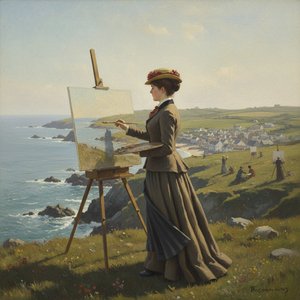
Koloristički identitet dela „Sadhu Kokila”, autor António Xavier Trindade: paleta u nijansama Neutralne boje, sa dominacijom boje Bela (#e9eae5).
Koju emociju prenosi delo "Sadhu Kokila" u okviru Bombay School pokreta?
Mirno i spokojno emocija dela "Sadhu Kokila" prati njegov Bombay School stil.
Da li je moguće pogledati "Sadhu Kokila" u proširenoj stvarnosti?
Delo „Sadhu Kokila”, autor António Xavier Trindade možete isprobati na svom zidu putem stranice AR prikaz, koristeći proširenu stvarnost na kompatibilnom uređaju.
 Pregledaj u prostoru
 Pošalji
 Podeli
 Detalji o delu
 Vodič
Vodič

 Preuzmi
 Slični predmeti
 Rendgenski snimak
 Automatska prezentacija
 Q&A
Q&A Statistika