

 Pregledaj u prostoru
 Pošalji
 Podeli
 Detalji o delu

 Преузми
 Slični predmeti
 Rendgenski snimak
 Slajdovi
Angel with the Column


 Pročitaj više
Giclee štampa / Umetnički otisak
Giclée štampa ili print na platnu muzejskog kvaliteta uz brzu proizvodnju i fleksibilne opcije završne obrade. ( Kupi ručno naslikanu sliku Kupi digitalnu sliku)




































Izaberite jednu od naših unapred definisanih veličina koje odgovaraju originalnim proporcijama umetničkog dela.

Možete uneti sopstvene dimenzije kako biste umetničko delo prilagodili specifičnom okviru ili prostoru. Ako odabrani format ne odgovara proporcijama originalne slike, mi ćemo ili iscrtati deo dela ili proširiti sliku pomoću ogledane ivice ili jednobojnog popunjavanja. Digitalni prikaz će vam biti poslat na odobrenje pre početka proizvodnje.
Imajte na umu da pregled na ekranu ne odražava stvarno iscrtavanje ili proširivanje. Samo će prikaz (mockup) precizno pokazati finalnu kompoziciju.
Iako su prilagođene dimenzije dostupne, preporučujemo da odaberete dimenziju sa unapred definisane liste kako biste očuvali originalne proporcije.
Dostava širom sveta () za 2 nedelje umesto uobičajenih 4/5 nedelja. (17 август)

Besplatna ekspresna dostava širom sveta

Visokokvalitetno laneno platno

Kompletno osiguranje transporta

Garancija povraćaja carine i uvoznih dažbina

Garancija vernosti boja

Politika povrata u roku od 60 dana (samo u slučaju nedostataka)

Garancija povrata novca od 100%

Popust pri grupnoj kupovini
 Opcija sa staklom dostupna je samo za dimenzije manje od 110 cm

Angel with the Column
Giclee štampa / Umetnički otisak
Dimenzije reprodukcije
-


Konačna cena
$ 80
Biografija umetnika
The Sculptor of Baroque Grace: The Life and Legacy of Antonio Raggi
In the heart of the Roman Baroque, a period defined by theatricality, movement, and profound emotional depth, few names resonate with as much subtle brilliance as Antonio Raggi. Born in 1624 in the serene village of Vico Morcote, nestled by the shores of Lake Lugano in Switzerland, Raggi’s journey from the quiet landscapes of his homeland to the grand, marble-clad stages of Rome is a narrative of immense artistic ambition. While he arrived in Italy with the burgeoning humanist spirit of his origins, it was the overwhelming grandeur of the Roman Baroque that truly claimed his soul, leading him toward a career that would eventually define the sculptural language of an era.
Raggi’s ascent in the competitive Roman art scene was catalyzed by one of the most significant artistic partnerships in history. Though he initially found himself within the studio of Alessandro Algardi, it was the legendary Gian Lorenzo Bernini who became his true mentor and guiding light. For nearly three decades, Raggi worked under the shadow of the master, becoming Bernini’s closest and perhaps most prolific pupil. This relationship was more than mere apprenticeship; it was a profound artistic symbiosis. Bernini often provided Raggi with detailed modelli—small-scale models—and supervised his progress so closely that Raggi’s works frequently captured the very essence of Bernini’s own creative vision, executing the master's complex conceits with a precision and grace that felt almost seamless.
Mastery of Form and the Spirit of Realism
What distinguishes Raggi from many of his contemporaries was his refusal to settle for mere idealized perfection. While the Baroque period often leaned into the fantastical, Raggi possessed an unwavering dedication to capturing the raw, palpable reality of the human condition. He meticulously studied anatomy, not just to replicate muscle and bone, but to understand how tension, weight, and emotion manifest in the physical form. This commitment to naturalism allowed him to breathe life into stone and stucco, creating figures that seemed caught in a fleeting moment of intense action or deep, spiritual contemplation.
His technical versatility was as vast as his imagination. Raggi was not confined to the heavy permanence of marble; he was a master of stucco, a medium that allowed for a more fluid and delicate expression of movement. His ability to manipulate these materials enabled him to contribute significantly to the architectural splendor of Rome’s most sacred spaces. Whether working on monumental architectural decorations or intimate easel paintings, his hand was always recognizable by its ability to convey narrative complexity through subtle textures and dynamic compositions.
Enduring Achievements and Historical Significance
The legacy of Antonio Raggi is etched into the very fabric of Rome’s most iconic landmarks. His contributions to the Piazza Navona complex, particularly his collaboration with Bernini on the Fountain of the Four Rivers, represent a pinnacle of Baroque achievement. In these works, the boundaries between sculpture and architecture dissolve, replaced by a sense of flowing water and living stone that embodies the period’s obsession with illusion and motion.
Among his most poignant and celebrated individual achievements is the Death of St. Cecilia, a breathtaking stucco relief located in the Sant’Andrea della Valle Basilica. In this piece, Raggi achieves a level of emotional intimacy that is rare even in the high Baroque; the slumped posture of the saint and the delicate rendering of her final moments serve as a testament to his ability to evoke profound empathy in the viewer. Other notable works, such as the Angel with the Column on the Ponte Sant'Angelo, further demonstrate his capacity for creating figures that possess both classical beauty and a restless, divine energy.
Ultimately, Antonio Raggi stands not merely as a follower of Bernini, but as a transformative force in his own right. He took the theatrical foundations laid by his mentor and infused them with a unique sense of naturalistic tenderness and anatomical precision. His work remains a vital chapter in the history of 17th-century art, reminding us that true greatness lies in the ability to capture the eternal within the ephemeral moment.

antonio raggi
1624 - 1686 , Switzerland
Osnovne informacije
- Artistic Movement Or Style: Roman Baroque
- Artists Or Movements Influenced By This Artist: Neoclassical
- Artists Who Influenced This Artist: Bernini
- Date Of Birth: 1624
- Full Name: Antonio Raggi
- Nationality: Swiss
- Notable Artworks: ['Death of St. Cecilia']
- Place Of Birth: Vico Morcote, Switzerland
Povezani članci

Bronze Sculptures That Defined Art History | OriginalUniqueArt
Journey through art history with our Top 10 bronze sculptures! Explore masterpieces by Rodin, Michelangelo & more. Discover stories behind iconic statues and find museum-quality reproductions for your home decor at OriginalUniqueArt.com.

The Enduring Allure of Marble in Art History: From Classical Sculpture to Modern Abstraction
Explore the captivating history of marble sculpture from ancient Greece to modern art. Discover renowned artists like Canova & Michelangelo, carving techniques, and investment insights at OriginalUniqueArt.

Timeless Elegance: A Complete Guide to the Sublime Beauty and Artistry of Marble Sculpture
Discover the sublime beauty of marble art through an expert exploration of Renaissance and Neoclassical masterpieces. From the delicate textures of Carpeaux to the grandeur of Sansovino, immerse yourself in a guide to timeless elegance and sculptural perfection.

The Enduring Form: Exploring Themes & Techniques in Sculpture Across Historical Periods
Explore the rich history of sculpture from ancient masterpieces to contemporary innovations. Discover key techniques, influential artists & investment potential for discerning art collectors.
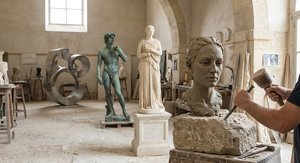
The Enduring Form: Sculpture Across History, Technique & Emotional Resonance
Explore the rich history of sculpture with OriginalUniqueArt. Discover key techniques, influential artists & investment potential for discerning collectors. Expert insights into valuing and collecting timeless masterpieces.

