

 Pregledaj u prostoru
 Podeli
 Podeli
 Detalji
 Vodič
Vodič

 Preuzmi sliku
 Slični predmeti
 Rendgenski snimak
 Automatska prezentacija
 Statistika
Feed the Hungry


 Pročitaj više
Ručno rađena uljana reprodukcija
Ručno oslikano uljanim bojama na platnu u dimenzijama i okviru po vašem izboru, izrađeno po porudžbini od strane naših umetnika. ( Pređi na prodaju štampanih primeraka Pređi na prodaju digitalnih slika)




P118B дин10

P118H дин10

P118W дин10

P438Z дин10

P508JH дин12

P508YH дин12

P805H дин10

P805Z дин10

P919BZ дин10

P919G дин10

P919XJ дин10

P959ZH дин10

P968JZ дин12

W106C дин8

W218G дин10

W218JH дин8

W218Y дин10

W307PJ дин10

W316G дин10

W316PJ дин8

W316Y дин10

W398PJ дин8

W4111J дин10

W500HY дин15

W500JH дин15

W692G дин12

W849H дин8

W940BG дин15

W953PJ дин8




Izaberite jednu od naših unapred definisanih veličina koje odgovaraju originalnim proporcijama umetničkog dela.

Možete uneti sopstvene dimenzije kako biste prilagodili umetničko delo određenom okviru ili prostoru. Ako odabrana veličina ne odgovara proporcijama originala, slika će biti isečena ili proširena dodatnim elementima koji se ručno oslikavaju. Digitalni prikaz će vam biti poslat na odobrenje pre početka proizvodnje.
Imajte na umu da pregled na ekranu ne odražava stvarno prisecanje ili proširenje. Samo mockup će precizno prikazati konačnu kompoziciju.
Iako su dostupne prilagođene veličine, preporučujemo da izaberete dimenziju iz unapred definisane liste kako biste sačuvali originalne proporcije.
Nakon narudžbine, tim OriginalUniqueArt.com će klijentu putem e-pošte poslati uputstva i dostaviti prikaz predloženog rešenja
Svetska isporuka () za 3/4 nedelje umesto uobičajenih 5 nedelja. (13 октобар). Bez kompromisa po pitanju kvaliteta.

Besplatna ekspresna dostava širom sveta

Visokokvalitetno laneno platno

Sveobuhvatno osiguranje transporta

Garancija povraćaja carine i uvoznih dažbina

Garancija vernosti boja i autentičnosti pri reprodukciji

Politika povraćaja u roku od 100 dana (samo u slučaju nedostataka)

Garancija povrata 100% novca

Popust pri većoj količini
 Opcija sa staklom dostupna je samo za dimenzije manje od 110 cm

Feed the Hungry
Tehnika izrade reprodukcije
Veličina reprodukcije
-


Ukupna cena
дин 30351
Antonio Canova’s “Feed the Hungry”: A Testament to Compassion and Neoclassical Grace
“Feed the Hungry,” created in 1795 by the Italian sculptor Antonio Canova, is more than just a depiction of a mother nurturing her child; it's a profound meditation on charity, vulnerability, and the enduring power of human connection. Executed as a plaster relief – a technique favored by Canova for its delicate texture and ability to capture subtle nuances of expression – the work embodies the core tenets of Neoclassical sculpture: idealized beauty, rational composition, and an emphasis on moral virtue. The scene unfolds with remarkable serenity; a woman, her face etched with gentle concern, offers nourishment to her infant, while a man stands beside them, seemingly observing with quiet dignity. This isn’t a dramatic tableau of suffering, but rather a quietly powerful statement about the fundamental act of caring for the most vulnerable.
Canova's mastery of marble and plaster is immediately evident in the work’s exquisite detail. Note the softness of the mother’s garments, rendered with an almost tactile quality; the delicate curve of the baby’s arm reaching out to receive sustenance; and the subtle play of light and shadow across their faces. The figures are sculpted with a remarkable sense of realism, yet they possess an undeniable grace and elegance characteristic of Canova's style. He meticulously studied classical sculpture, particularly the works of Greek artists like Phidias, striving to achieve a harmonious balance between form and emotion. This influence is palpable in the work’s balanced composition, its idealized figures, and its restrained emotional expression.
The Context of Revolutionary Italy
“Feed the Hungry” was commissioned by Abbondio Rezzonico, a wealthy Venetian nobleman with a deep commitment to social welfare. This commission occurred during a period of significant political and social upheaval in Italy – the tumultuous years following the French Revolution and the rise of Napoleon’s empire. The ideals of liberty, equality, and fraternity, championed by the revolutionaries, were spreading throughout Europe, prompting a renewed interest in humanitarianism and charitable works. Rezzonico's decision to commission Canova’s work reflects this burgeoning concern for the poor and marginalized within Venetian society. The relief served as part of a larger collection intended to adorn his villa, showcasing not only artistic beauty but also a commitment to ethical principles.
Interestingly, the choice of depicting a mother feeding her child was particularly resonant during this era. It invoked images of Roman motherhood and the nurturing role traditionally associated with women – a powerful symbol of continuity and hope amidst political instability. Canova skillfully utilized these classical associations to imbue his work with a timeless message of compassion and resilience.
Symbolism and Emotional Resonance
Beyond its historical context, “Feed the Hungry” is rich in symbolic meaning. The act of feeding represents not just physical sustenance but also spiritual nourishment – a connection between generations and a reaffirmation of human values. The man’s presence suggests a broader community responsibility; he embodies the role of protectors and providers, reinforcing the idea that caring for others is a shared duty. The overall mood is one of quiet dignity and understated tenderness, avoiding overt sentimentality. Canova masterfully conveys a sense of profound empathy without resorting to melodrama.
The work’s emotional impact lies in its ability to evoke a feeling of warmth and connection. It reminds us of the simple yet powerful act of kindness – an act that can transcend social boundaries and offer solace in times of hardship. It's a testament to the enduring human capacity for compassion, rendered with exquisite beauty and technical skill.
Reproductions and Collecting
Today, “Feed the Hungry” continues to resonate with audiences worldwide. High-quality reproductions, such as those offered by OriginalUniqueArt.com, allow art lovers to experience Canova’s masterpiece in their own homes or offices. When selecting a reproduction, consider the medium – a fine art print on archival paper will best capture the original's delicate textures and subtle tonal variations. The work’s timeless themes of charity, family, and human connection make it an ideal addition to any collection, serving as a constant reminder of our shared humanity.
Pitanja i odgovori
Kakav je emocionalni ton dela „Feed the Hungry”, Antonio Kanova?
Emocionalni ton zabeležen za „Feed the Hungry”, Antonio Kanova je Nostalgic. On sažima osećaj koji ovo delo izražava.
Koja osnovna nijansa prožima „Feed the Hungry”, Antonio Kanova?
Dominantna nijansa dela „Feed the Hungry”, Antonio Kanova je Warm Sunset Tones. Ova nijansa predstavlja osnovni ton palete.
Koji umetnik i koji stil stoje iza "Feed the Hungry"?
Delo "Feed the Hungry" delo je Antonio Kanova u stilu Neoclassical Sculpture. Umetnik i pravac definišu tradiciju ovog dela.
Kojom tehnikom i stilom se odlikuje „Feed the Hungry”, Antonio Kanova?
U delu "Feed the Hungry", tehnika Acrylic On Canvas susreće pokret Neoclassical Sculpture.
Koji umetnički pravac predstavlja „Feed the Hungry”, Antonio Kanova?
„Feed the Hungry”, Antonio Kanova pripada pravcu Neoclassical Sculpture. Ovaj pravac pruža stilski kontekst dela.
Koja veličina i orijentacija se preporučuju za štampu dela „Feed the Hungry”, Antonio Kanova?
Veličina Medium, Square orijentacija: to je preporučena postavka za štampu za „Feed the Hungry”, Antonio Kanova.
Da li je legalno moguće reprodukovati delo „Feed the Hungry”, Antonio Kanova koje se nalazi u muzeju Museo Correr?
Originalno delo "Feed the Hungry" nalazi se u muzeju Museo Correr, a rad je u javnom vlasništvu – autorska prava su istekla.
Kakvo je opšte raspoloženje dela „Feed the Hungry”, Antonio Kanova?
„Feed the Hungry“ odiše Elegant atmosferom.
Biografija umetnika
Antonio Canova: Život u mermeru
- Rođen: Possagno, Italija (1757)
- Preminuo: 1822
Antonio Canova stoji kao veličanstvena figura u istoriji zapadne umetnosti, široko priznat kao najistaknutiji neoclasicistički vajar. Njegovo majstorstvo u obradi mermera i sposobnost da klasičnim formama unese duboku emociju osigurali su mu mesto među najvećima svih vremena. Rođen u italijanskom Possagnu, kao sin klesara Pietra Canove, Canovino rano detinjstvo oblikovalo je umetničko okruženje koje ga je okruživalo.
Rani život i obuka
- Porodično poreklo: Otčeva profesija pružila je prvi kontakt sa klesanjem kamena, a njegov deda, Pasino Canova, vajar specijalizovan za oltare i niskoreljefne radove, odigrao je ključnu ulogu u negovanju njegovog talenta.
- Rani umetnički razvoj: Još pre desete godine, Canova je pokazivao izvanrednu veštinu, stvarajući male mermerne svetište koja su dokazivala njegov urođeni dar. Učio je pod Giuseppem Bernardijem ('Torretto') i Giovannijem Ferarijem, dodatno usavršavajući svoje umeće.
- Studije na akademiji: Njegovo školovanje u Accademia di Belle Arti di Venezia donelo je brojne nagrade, učvrstivši njegovu reputaciju obećavajućeg mladog umetnika. Radionica unutar jednog manastira pružila mu je prostor za razvoj svog zanata.
- Rani porudžbine: Prve porudžbine, poput statua Orfeja i Euridike za senatora Giovannija Faliera (1775-17znacije), pokazivale su rastići rokokoski stil, nagoveštavajući njegov kasniji neoclasicistički prefinjenost.
Uspon ka slavi i neoclasicistički stil
- Definisanje neoclasicizma: Canovino delo karakterišu elegantni oblici, idealizovane figure i povratak estetskim principima antičke Grčke i Rima. Vešto je izbegavao melodramu barokne umetnosti, dok je istovremeno uspevao da se odupre hladnoći koja se često povezivala sa ranim pokušajima klasicističkog preporoda.
- Ključna dela i priznanje: Skulpture poput Kupida i Psihije (oko 1787-1793), Pokajnice Magdalene i Herkula i Liha utvrdile su njegovu reputaciju širom Evrope. Njegovi radovi bili su izuzetno traženi od strane kraljevskih kuća i plemstva.
- Promovisanje reputacije: Canova je strateški prom أجلovao svoju karijeru kroz objavljivanje gravura svojih dela i kreiranje mermernih verzija gipsanih odlivaka, osiguravajući široku distribuciju svoje umetnosti.
- Međunarodni prestin:} Porudžbine iz cele Evrope, uključujući statuu Theseja i Minotaura za Girolamo Zuliana (venecijanski ambasador u Rimu), učvrstile su njegov status jednog od najslavnijih umetnika na kontinentu.
Velika dela i nasleđe
- Značajne skulpture: Pored već pomenutih, značajna Canovina dela uključuju Venere Italicu, Muzu Polihimenu, Tri Gracije u plesu i njegov potresni prikaz Euridike.
- Monumentalne porudžbine: Dobijao je prestižne porudžbine za grobnice, najznačajnija među kojima je raskošna Grobnica pape Klementa XIII. u Bazilici Svetog Petra u Rimu – što je svedočanstvo njegove veštine kako u vajarstvu tako i u arhitektonskom dizajnu.
- Gipsoteca Antonio Canova: Muzej Gipsoteca Antonio Canova čuva najznačajniju kolekciju njegovih dela, pružajući neprocenjiv uvid u njegov kreativni proces i umetničku evoluciju.
- Uticaj na buduće generacije: Canovino uticaj se protezao daleko izvan njegovog životnog veka, oblikujući tok neoclasicističke skulpture i inspirišući generacije umetnika svojom tehničkom majstorstvom i ekspresivnom snagom.
Istorijski značaj
- Otelotvorenje neoclasicizma: Antonio Canova postao je sinonim za neoclasicistički pokret, otelotvorujući njegove ideale reda, jasnoće i povratka antičkom klasicizmu.
- Dvorinski vajar i diplomat: Njegova pozicija dvorinskog vajara brojnih evropskih vladara pružila mu je značajan politički uticaj i omogućila mu da oblikuje umetnički ukus širom kontinenta.
- Tehnička inovacija: Njegova neprevaziđena veština u klesanju mermera pomerila je granice onoga što se smatralo mogućim, postavivši novi standard za vajarstvo vrhunske izvedbe.
- Trajno umetničko nasleđe: Njegove skulpture i dalje očaravaju publiku širom sveta, učvršćujući njegovo mesto kao jednog od najvažnijih i najuticajnijih umetnika u istoriji.

Antonio Kanova
1757 - 1822 , Italija
Brzi pregled
- Artistic Movement Or Style: Neoklasicizam
- Artists Or Movements Influenced By This Artist: ['Kasniji neoklasični umetnici']
- Artists Who Influenced This Artist: ['Skulptori kasnog baroka']
- Date Of Birth: 1757
- Date Of Death: 1822
- Full Name: Antonio Canova
- Nationality: Italijan
- Notable Artworks:
- Kupid i Psihija
- Pokornica Magdalena
- Herkul i Lihos
- Tesej i Minotaur
- Tri gracije u pokretu
- Euridika
- Venere Italica
- Place Of Birth (City And Country): Possagno, Italija
Srodni članci

The Enduring Allure of Marble in Art History: From Classical Sculpture to Modern Abstraction
Explore the captivating history of marble sculpture from ancient Greece to modern art. Discover renowned artists like Canova & Michelangelo, carving techniques, and investment insights at OriginalUniqueArt.

The Enduring Form: Sculpture Across History, Technique & Emotional Resonance
Explore the rich history of sculpture with OriginalUniqueArt. Discover key techniques, influential artists & investment potential for discerning collectors. Expert insights into valuing and collecting timeless masterpieces.
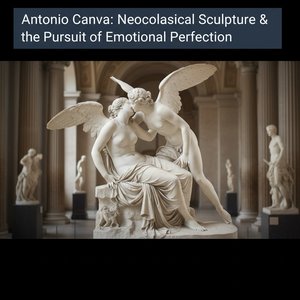
Antonio Canova: Neoclassical Sculpture & the Pursuit of Emotional Perfection
Explore the life & art of Antonio Canova, the greatest Neoclassical sculptor. Discover his masterpieces, innovative techniques, and lasting influence on fine art collecting. Expert insights for discerning investors.

Bronze Sculptures That Defined Art History | OriginalUniqueArt
Journey through art history with our Top 10 bronze sculptures! Explore masterpieces by Rodin, Michelangelo & more. Discover stories behind iconic statues and find museum-quality reproductions for your home decor at OriginalUniqueArt.com.

The Enduring Form: Exploring Themes & Techniques in Sculpture Across Historical Periods
Explore the rich history of sculpture from ancient masterpieces to contemporary innovations. Discover key techniques, influential artists & investment potential for discerning art collectors.
