Pregledaj u prostoru
 Podeli
 Podeli
 Detalji
 Vodič
Vodič

 Preuzmi sliku
 Slični predmeti
 Rendgenski snimak
 Automatska prezentacija
 Statistika
Self Portrait
 Acrylic On Canvas
- WallArt
- Neoclassical Painting
 1774
1774 562.0 x 735.0 cm
 Walker Art Gallery
 Pročitaj više
Giclee štampa / Umetnički otisak
Giclée štampa ili print na platnu muzejskog kvaliteta uz brzu izradu i raznovrsne opcije završne obrade. ( Naručite ručno oslikano reprodukciju Pređi na prodaju digitalnih slika)




P118B дин10

P118H дин10

P118W дин10

P438Z дин10

P508JH дин12

P508YH дин12

P805H дин10

P805Z дин10

P919BZ дин10

P919G дин10

P919XJ дин10

P959ZH дин10

P968JZ дин12

W106C дин8

W218G дин10

W218JH дин8

W218Y дин10

W307PJ дин10

W316G дин10

W316PJ дин8

W316Y дин10

W398PJ дин8

W4111J дин10

W500HY дин15

W500JH дин15

W692G дин12

W849H дин8

W940BG дин15

W953PJ дин8




Izaberite jednu od naših unapred definisanih veličina koje odgovaraju originalnim proporcijama umetničkog dela.

Unesite širinu i visinu koja vam je potrebna, kako bi se uklopili u vaš ram ili na vaš zid. Štampa se može samo iseći, nikada ne može biti veća od originalne slike, stoga format sa drugačijim proporcijama gubi deo slike. Poslaćemo vam digitalni prikaz radi potvrde pre nego što započnemo štampu. Slika prikazana na ovoj stranici ne pokazuje stvarni rez — to pokazuje samo digitalni prikaz.
Dostava širom sveta () za 2 nedelje umesto uobičajenih 4/5 nedelja. (23 октобар)

Besplatna ekspresna dostava širom sveta

Visokokvalitetno laneno platno

Sveobuhvatno osiguranje transporta

Garancija povraćaja carine i uvoznih dažbina

Garancija vernosti boja i autentičnosti pri reprodukciji

Politika povraćaja u roku od 100 dana (samo u slučaju nedostataka)

Garancija povrata 100% novca

Popust pri većoj količini
 Opcija sa staklom dostupna je samo za dimenzije manje od 110 cm

Self Portrait
Giclee štampa / Umetnički otisak
Veličina reprodukcije
-


Ukupna cena
дин 8263
The Enigmatic Gaze: Unpacking Anton Raphael Mengs’ “Self Portrait”
Anton Raphael Mengs' "Self Portrait," painted in 1774, isn’t merely a likeness; it’s a carefully constructed tableau of intellectual ambition and introspective melancholy. Captured with the precision characteristic of the Neoclassical movement, this painting offers a rare glimpse into the mind of an artist grappling with his burgeoning fame and the weighty expectations placed upon him. The image immediately draws the eye to the subject's face – a man in his mid-forties, rendered with a remarkable sensitivity that belies the formality of the attire. His mouth is slightly open, a subtle gesture hinting at contemplation or perhaps even a quiet sadness; it’s an expression that invites prolonged observation and fuels speculation about the thoughts swirling within him.
The composition itself speaks volumes. Mengs sits three-quarters to his right, a pose favored by portrait painters of the era, suggesting both dignity and engagement with the viewer. The rich brown coat, meticulously detailed, anchors him in a world of established artistic circles, while the scarf draped loosely around his neck adds a touch of understated elegance. Yet, it’s the lighting – masterful chiaroscuro reminiscent of Rembrandt – that truly elevates the piece. Dark shadows pool beneath his eyes and across his shoulders, creating a sense of depth and drawing attention to the delicate lines of his face. The light catches the texture of his clothing and highlights the subtle nuances of his expression, transforming a simple portrait into a study in mood and atmosphere.
A Bridge Between Worlds: Mengs’ Artistic Genesis
Mengs' journey to this moment was profoundly shaped by his lineage and the intellectual currents of the Enlightenment. Born in 1728 in Ústí nad Labem, Bohemia – a region now part of the Czech Republic – he inherited a legacy of artistic talent from his father, Ismael Mengs, a Danish painter who found patronage at the Dresden court. This early exposure to the refined tastes and exacting standards of the German aristocracy instilled within young Anton a deep appreciation for classical ideals and meticulous technique. Crucially, in 1741, he was sent to Rome – a pivotal decision that irrevocably shaped his artistic development.
Immersed in the heart of the Roman art world, Mengs spent years studying the masterpieces of Raphael, Michelangelo, and other Renaissance giants. He meticulously copied their works, absorbing not just their technical skill but also their profound understanding of human anatomy, perspective, and composition. This immersion in classical antiquity would become the bedrock of his artistic style – a commitment to clarity, balance, and idealized beauty that defined Neoclassicism. The influence is immediately apparent in “Self Portrait,” where Mengs consciously adopts a pose reminiscent of ancient Roman portraiture, signaling his ambition to emulate the masters and establish himself as a leading figure in the revival of classical art.
Symbolism and Context: The Weight of Ambition
Beyond its technical brilliance, “Self Portrait” is laden with symbolic meaning. The open mouth, as previously noted, suggests introspection – perhaps a moment of self-doubt amidst the pressures of his career. The carefully chosen attire—the brown coat, the scarf—reflects his position within European artistic circles, signaling both his status and his adherence to established conventions. However, there’s also an underlying sense of weariness in Mengs' gaze, hinting at the sacrifices required to achieve success and the loneliness inherent in a life devoted to art.
Painted just three years before his untimely death at the age of 51, the portrait captures a man on the cusp of greatness but also burdened by mortality. Mengs was a celebrated artist throughout Europe, a key figure in the creation of Neoclassicism, yet he faced constant challenges – financial difficulties, professional rivalries, and the relentless demands of his patrons. “Self Portrait” offers a poignant glimpse into the inner life of an artist grappling with these complexities, reminding us that even the most accomplished figures are subject to human vulnerability and uncertainty.
A Timeless Reflection: Reproduction and Artistic Legacy
Reproductions of Mengs’ “Self Portrait” continue to resonate today, offering a window into the artistic sensibilities of the 18th century. The painting's masterful use of light and shadow, combined with its psychologically astute portrayal of the subject, ensures its enduring appeal. Whether displayed in a grand salon or a contemporary art space, this work serves as a powerful reminder of the transformative power of art – its ability to capture not just likeness but also essence, emotion, and the complexities of the human experience. Consider commissioning a hand-painted reproduction to bring this captivating piece into your own home, preserving Mengs’ legacy for generations to come.
Pitanja i odgovori
Da li je dostupno preuzimanje "Self Portrait" u visokoj rezoluciji?
Da biste dobili digitalni fajl dela „Self Portrait”, Антон Рафаел Менгс, poručite preuzimanje digitalne slike visoke rezolucije na njegovoj stranici Digitalna slika.
Koja boja dominira kompozicijom dela „Self Portrait”, Антон Рафаел Менгс?
Espresso (#372623) je dominantna boja dela „Self Portrait”, Антон Рафаел Менгс.
U kojoj je tehnici izvedeno delo „Self Portrait”, Антон Рафаел Менгс?
Антон Рафаел Менгс je koristio/la tehniku Acrylic On Canvas za delo "Self Portrait". Ova tehnika definiše materijalnu prirodu originalnog dela.
Biografija umetnika
Прелазак изнад времена: Живот и уметност Антона Рафаела Менгса
Антон Рафаел Менгс се појавио у фасцинантном периоду европске уметности, времену када су орнаментне форме рококоа почеле да уступају место обновљеном цењењу класичних идеала. Рођен 1728. године у Усти над Лабом, Бохемији – региону који је данас део Чешке Републике – његов уметнички пут су дубоко обликовале и његово порекло и интелектуалне струје Просвећења. Његов отац, Исмаел Менгс, дански сликар који је пронашао меценарство на двору у Дрездену, рано је препознао изузетан таленат младог Антона. Ово признање је довело до преломног потеза 1741. године: селидбе у Рим, где је млади уметник био уроњен у проучавање античких ремек-дела и дела мајстора Ренесансе као што је Рафаел. Управо је то излагање неповратно обележило његову естетичку осетљивост, усађујући му дубоко поштовање према класичном облику, јасноћи и композицији – квалитетима који ће постати обележја његовог зрелог стила. Ране године биле су посвећене педантском копирању, не само као вежба у техници него као дубоки чин уметничког ходочашћа, апсорбујући суштину генија Рафаела.Од Дрездена до Мадрида: Каријера кроз дворове
Менгсова каријера се одвијала на неколико истакнутих европских дворова, од којих је сваки оставио свој јединствени утисак на његов уметнички развој. 1749. године, обезбедио је престижну позицију дворског сликара Фридриха Августа, изборног кнеза Саксоније, улогу која му је пружила и финансијску стабилност и слободу да одржи базу у Риму – епицентру његове уметничке инспирације. Међутим, управо су његова фреска била она која су заиста успоставила његов углед. *Парнас* на Вили Албани у Риму, завршен око 1761. године, постао је тренутни сензација, хваљен због своје хармоничне композиције, елегантних фигура и суптилне али моћне евокације класичне митологије. Ово дело није било само декоративни украс; то је била изјава – намерни покушај да се синтетизује барокна величина са новим неокласичним принципима. Уследиле су даље поруџбине, укључујући запањујућу фреску која краси куполу цркве Сант'Еузебио у Риму, демонстрирајући његово мајсторство монументалне декорације и просторне илузије. Можда је његов најамбициознији подухват дошао са позивом шпанског двора 1761. године. Путовао је у Мадрид, где му је било поверено да украси неколико краљевских палата, кулминирајући у величинственом плафону Банкетне сале Краљевске палате – делу које се сматра једним од његових најфинијих достигнућа, демонстрирајући изучан капацитет да споји италијанску елеганцију са шпанском осетљивошћу.Веза са Винкелманом: обликовање неокласичке мисли
Менгсов уметнички развој није био вођен само визуелним студијама; то је било дубоко испреплетенo са интелектуалним дискурсом. Кључна прекретница дошао је са његовим блиским пријатељством и сарадњом са Јоханом Јоахимом Винкелманом, пиониром историчара уметности чији ће списи постати темељни за неокласички покрет. Винкелман је заговарао поврат према перципираној чистоћи и једноставности античке грчке уметности, заговарајући естетику засновану на разуму, реду и идеализованим облицима. Менгс није само илустровао Винкелманове теорије; он се активно укључивао у њихово обликовање, претварајући апстрактне концепте у опипљиве уметничке изразе. Заједно су веровали да права лепота не лежи у површним украсима, већ у основним принципима хармоније и пропорција пронађених у класичној антици. Ово партнерство се протезало ван теоријских дискусија; манифестовало се у самим Менгсовим сликама, које су све више одражавале Винкелманов нагласак на племенитој једноставности и узdržanoj емоцији. Утицај је био обостран: Винкелманови списи су пружили филозофски оквир за Менгсове уметничке напоре, док је Менгсова уметност служила као визуелни доказ остваривости – и лепоте – неокласичних идеала.Наслеђе и утицај: пионир свог времена
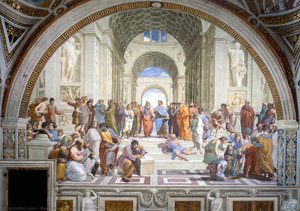
Антон Рафаел Менгс умро је у Риму 1779. године, оставивши наслеђе које се протезало далеко ван његовог импресивног опуса. Он није био само сликара; он је био кључна фигура у прелазу из једне уметничке ере у другу. Иако су дубоко укорењени у барокној традицији – што се види у његовој драматичној употреби светлости и сенке и његовом мајсторству илузионистичких техника – Менгс је храбро прихватио нове принципе неокласицизма, отварајући пут уметницима као што су Жак-Луј Давид и Антонио Канова. Његов нагласак на класичним идеалима, у комбинацији са његовом техничком виртуозношћу, успоставио га је као водећу силу у обликовању уметности 18. века. *Школа Атине*, сликана за војводу од Нортамберленда, стоји као сведочанство његове способности да синтетише историјско наслеђе са савременом уметничком осетљивошћу. Осим својих слика и фресака, Менгсов утицај се протезао на образовање; служио је као директор Ватиканске школе сликарства, неговајући нову генерацију уметника потопљених у класичним принципима. Био је комплексан: предани католик који се такође бавио мислима Просвећења, уметник који је балансирао традицију са иновацијама. Његов живот и рад представљају фасцинантну раскрсницу уметничке вештине, интелектуалне радозналости и историјских околности, учвршћујући његово место као правог пионира неокласичне уметности. Његов утицај одјекује чак и данас, подсећајући нас на трајну моћ класичних идеала да инспиришу и трансформишу уметнички израз.
Антон Рафаел Менгс
1728 - 1779 , Чешка Република
Brzi pregled
- Artistic Movement Or Style: Neoklasicizam
- Artists Or Movements Influenced By This Artist: ['Neoklasicizam']
- Artists Who Influenced This Artist:
- Rafael
- Titijan
- Date Of Birth: 22. mart 1728.
- Date Of Death: 29. jun 1779.
- Full Name: Anton Rafael Mengs
- Nationality: Nemačko-češki
- Notable Artworks:
- Parnas
- Škola iz Atine
- Place Of Birth: Ústí nad Labem, Češka
Srodni članci

Rembrandt van Rijn: 25 Majstorstava Svetla i Senke za Vaš Dom | OriginalUniqueArt
Uronite u svet Rembrandta van Rijna! Otkrijte 25 najlepših dela holandskog majstora – portrete, istorijske scene i biblijska platna. Kvalitetne reprodukcije slika za dekoraciju enterijera dostupne na OriginalUniqueArt.com.
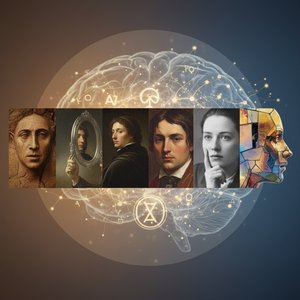
Reflecting the Self: A History of Portraiture & Psychological Insight
Explore the fascinating history of self-portraiture from Renaissance masters like Dürer & Rembrandt to modern interpretations. Discover the psychological insights and artistic techniques behind these iconic works. Expert analysis for art enthusiasts.
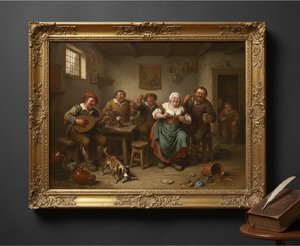
Adriaen van Ostade: A Master of Dutch Genre Painting & Social Commentary
Explore the life & work of Adriaen van Ostade, a leading Dutch Golden Age painter. Discover his realistic genre scenes, social commentary, and lasting influence on art history. Learn more at OriginalUniqueArt.
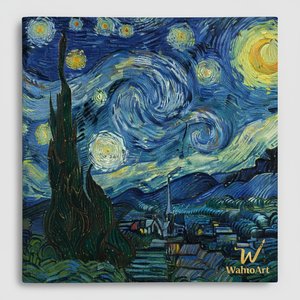
Decoding Van Gogh's Turmoil: OriginalUniqueArt’s Masterful Reproductions of Emotional Depth
Discover exquisite Van Gogh reproductions from OriginalUniqueArt – expert art specialists offering museum-quality prints & custom paintings. Trust our authentic process and elevate your collection today.
Postimpresionizma: 10 Remek Dela Koje Su Izmenila Umjetnost i Dekor
Otkrijte 10 remek dela postimpresionizma koja su revolucionisala umetnost! Van Gog, Monet, Sezan... Istorija, tehnika i emocije u svakoj slici. Inspiracija za vaš dom i vrhunske reprodukcije na OriginalUniqueArt.com. Explore the full collection online!