

 Pošalji
 Podeli
 Detalji o delu

 Преузми
 Slični predmeti
 Slajdovi
Charles Le Brun


 Pročitaj više
Ručno rađena uljana reprodukcija
Ručno oslikano uljanim bojama na platnu u dimenzijama i okviru po vašem izboru, izrađeno po porudžbini od strane naših umetnika. ( Kupi print Kupi digitalnu sliku)




































Izaberite jednu od naših unapred definisanih veličina koje odgovaraju originalnim proporcijama umetničkog dela.

Можете унети сопствене димензије како бисте прилагодили дело одређеном оквиру или простору. Ако одабрана величина не одговара пропорцијама оригинала, слика ће бити исечена или проширена додатним елементима који се ручно насликавају. Дигитални prikaz ће вам бити послат на одобрење пре почетка производње.
Имајте на уму да преглед на екрану не одражава стварно исецање или проширење. Само приказ (mockup) ће тачно приказати коначну композицију.
Иако су доступне прилагођене величине, препоручујемо да одаберете димензију из дефинисане листе како бисте сачували оригиналне пропорције.
Nakon narudžbine, tim OriginalUniqueArt.com će klijentu putem e-pošte poslati uputstva i dostaviti prikaz predloženog rešenja
Isporuka širom sveta () za 3/4 nedelje umesto uobičajenih 5 nedelja. (20 август). Bez kompromisa po pitanju kvaliteta.

Besplatna ekspresna dostava širom sveta

Visokokvalitetno laneno platno

Kompletno osiguranje transporta

Garancija povraćaja carine i uvoznih dažbina

Garancija vernosti boja

Politika povrata u roku od 60 dana (samo u slučaju nedostataka)

Garancija povrata novca od 100%

Popust pri grupnoj kupovini
 Opcija sa staklom dostupna je samo za dimenzije manje od 110 cm

Charles Le Brun
Tehnika reprodukcije
Dimenzije reprodukcije
-


Konačna cena
$ 300
Opis umetničkog dela
The Regal Presence of Charles Le Brun: A Portrait of Power and Baroque Grandeur
Antoine Coysevox’s terracotta bust of Charles Le Brun, crafted around 1676, isn't merely a likeness; it’s a carefully constructed embodiment of the French court under Louis XIV. This remarkable sculpture transcends simple portraiture, offering a profound glimpse into the artistic and political landscape of the late 17th century. Le Brun himself, a pivotal figure in shaping the aesthetic ideals of Versailles, is presented not as a detached subject but as an active participant in the drama of royal power – a man radiating authority, intellect, and a subtle air of cultivated sophistication.
Coysevox’s mastery lies in his ability to capture both the outward appearance and the inner character of Le Brun. The figure is remarkably detailed; observe the meticulously rendered curls framing a face etched with thoughtful intensity. The eyebrows are pronounced, conveying a sense of keen observation and perhaps even a hint of intellectual arrogance – qualities often associated with the great artist. The eyes themselves hold a direct gaze, engaging the viewer as if Le Brun were still present, offering a silent judgment or sharing a secret only known to those within his circle.
A Symphony of Baroque Technique
The sculpture’s execution is a testament to Coysevox's technical skill and deep understanding of Baroque aesthetics. The terracotta medium itself lends an earthy quality to the piece, suggesting both age and permanence – mirroring the enduring legacy Le Brun sought to establish. Notice the subtle modeling of the drapery, not simply as decorative elements but as integral components that define the form and enhance the sense of volume. The folds are expertly rendered, creating a dynamic interplay of light and shadow that brings the figure to life.
The choice of materials is significant. Terracotta, favored for its durability and ability to capture fine detail, was ideal for producing sculptures intended for display in grand palaces. Furthermore, the bust’s design reflects the prevailing trends of the era – a fusion of classical ideals with Baroque dynamism. The influence of Nicolas Poussin, Le Brun's early mentor, is evident in the careful composition and balanced proportions, while the dramatic lighting and expressive gestures are hallmarks of the Baroque style.
Historical Context: Versailles and the Rise of Royal Patronage
To fully appreciate this sculpture, it’s crucial to understand its historical context. The late 17th century was a period of unprecedented artistic flourishing in France, fueled by the lavish patronage of Louis XIV. Versailles became the epicenter of European culture, attracting artists, architects, and intellectuals from across the continent. Le Brun played a central role in this transformation, serving as the King’s First Painter and shaping the visual language of the court.
Coysevox's commission to create a bust of Le Brun was a significant undertaking, reflecting the artist’s elevated status within the royal circle. The sculpture itself became part of a larger artistic program designed to glorify Louis XIV and project an image of power, wealth, and sophistication. The bust served as a visual representation of Le Brun's influence – a tangible symbol of his contribution to the grandeur of Versailles.
Symbolism and Emotional Resonance
Beyond its technical brilliance, the sculpture is rich in symbolism. The inclusion of the medallion bearing the King’s profile subtly reinforces Le Brun’s position as a trusted advisor and confidant. The carefully chosen attire – the pleated linen shirt, a fashionable garment of the time – speaks to Le Brun's awareness of contemporary trends and his desire to maintain relevance within the courtly world.
Ultimately, this terracotta bust transcends its material form to evoke a powerful emotional response. It’s not simply a portrait; it’s an invitation to contemplate the complexities of power, artistry, and human character. The gaze of Le Brun seems to challenge the viewer, prompting reflection on the enduring legacy of a man who shaped the visual landscape of his era – a testament to the transformative power of art in shaping history.
Biografija umetnika
Antoine Coysevox: Vasa klesar Luja XIV-og i njegove veličanstvene vizije
Antoine Coysevox (1640 – 1720) predstavlja monumentalnu figuru u umetničkom pejzažu barokne Francuske, neraskidivo povezan sa vladavinom Luja XIV-og i ambicioznim pokroviteljstvom koje je definisalo tu eru. Rođen u Lionu, on se uzdigao iz skromnih početaka da postane jedan od najslavljenijih vajtara svog vremena, stvarajući portrete i dekorativna dela koja su dočarala veličanstvenost i idealizam Versaja – što je svedočanstvo kraljeve nepokolebljive vere u umetničku izvrsnost kao kamen temeljac kraljevske moći. Njegove formativne godine provedene su usavršavanjem zanata unutar Kraljevske akademije u Lionu, gde je upijao stilski pravila Nikole Frimeta i Žana-Batista Turta, majstora koji su zastupali klasične ideale uz barokni dinamizam. Ovaj dvostruki uticaj prožimao je Coysevoxovo delo, rezultirajući skulpturama koje su posedovale kako pedantnu anatomsku preciznost, tako i izrazitu emocionalnu dubinu. Posebno je značajno to što mu je dodeljena Rimska nagrada (Prix de Rome) 1667. godine, što mu je osiguralo neprocenjivo iskustvo u Vatikanu i podstaklo veze sa uticajnim umetnicima i intelektualcima tog doba. Coysevoxova umetnička karijera istinski je procvetala tokom uspona Luja XIV-og na presto, označavajući zenit njegovog kreativnog stvaralaštva. Brzo se pozicionirao kao omiljeni vajar kraljevskog dvora, preuzimajući angažmane koji su pokazivali njegovu svestranost i tehničko majstorstvo. Njegovo najtrajnije nasleđe verovatno leži u monumentalnim portretima Luja XIV-og – prikazima prožetim neverovatnom sličnošću koji ne prenose samo fizički izgled, već i kraljevsko dostojanstvo i unutrašnju uverenost. Ove skulpture učvrstile su Coysevoxovu reputaciju vrhunskog portretiste tog doba, odražavajući kraljevu želju da projektuje sliku apsolutne autoritativnosti i božanske milosti. Pored kraljevskih porudžbina, Coysevox se isticao u dekorativnoj skulpturi, pretvarajući palate poput Versaja i Marlija u prostore zadivljujuće lepote. Blisko je sarađivao sa Šarlom Le Brunom, glavnim arhitektom i slikarom Luja XIV-og, orkestrirajući harmoničan spoj umetničkih disciplina – što je bio zaštitni znak estetskih senzibiliteta dvora. Njegov doprinos Versaju uključivao je alegorijske statue koje otelovljuju kardinalne vrline – Veru, Nadu, Ljubav i Razumanje – odražavajući moralnu strukturu koja je podupirala vladavinu Luja XIV-og. Nadalje, preduzeo je ambiciozne projekte u Marliju, hvatajući suštinu pejzaža šatou i stvarajući upečatljive prikaze prirodnih elemenata poput Neptuna i Amfitrite. Njegov skulpturalni opus protezao se izvan monumentalnih portreta i arhitektonskih ukrasa; Coysevox je stvorio brojna dela manjeg formata – bustove istaknutih ličnosti iz francuskog društva – demonstrirajući svoju nepokolebljivu posvećenost umetničkoj izvrsnosti u različitim medijima. Od kardinala Mazarena do Vilijama Egona Fürstenberga, on je sa izuzetnom preciznošću zabeležio likove uticajnih državnika, učvrstivši svoje mesto hroničara intelektualnih i kulturnih struja svog doba. Coysevoxove skulpture nastavljaju da odjekuju i danas, služeći kao opipljivi podsetnici na transformativnu vladavinu Luja XIV-og i trajnu moć barokne umetnosti da prenese i lepotu i duboko značenje.
Antuan Kojsevoks
1640 - 1720 , Francuska
Osnovne informacije
- Artistic Movement Or Style: Barok
- Artists Or Movements Influenced By This Artist: ['Šarl Le Brun']
- Artists Who Influenced This Artist: ['Nikola Kusut']
- Date Of Birth: 29. septembar 1640.
- Date Of Death: 10. oktobar 1720.
- Full Name: Antuan Kojvoks
- Nationality: Francuz
- Notable Artworks: ['Merkur i konjička Slav']
- Place Of Birth: Lion, Francuska
Povezani članci
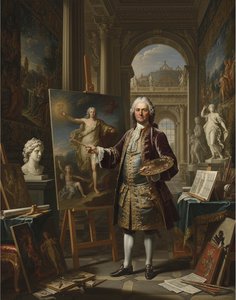
Charles Le Brun: Master of French Baroque Classicism & His Enduring Legacy
Explore the life & art of Charles Le Brun, master of French Baroque Classicism. Discover his royal commissions, influence on Versailles, and enduring legacy through detailed analysis & stunning artworks.
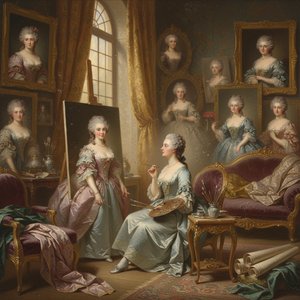
Vigée Le Brun: Portraiture, Patronage & Feminine Identity in 18th-Century France
Explore the life & art of Louise Élisabeth Vigée Le Brun, Marie Antoinette’s renowned portraitist. Discover her Rococo style, self-portraits, and influence on 18th-century French painting. A deep dive into patronage & feminine identity.

Simon Vouet: A Baroque Master's Journey from Italian Influence to French Classicism
Explore the life & art of Simon Vouet, a pivotal French Baroque painter who introduced Italian styles to France. Discover his masterpieces and lasting influence on 17th-century art.

Барокна драма: Уношење величине и емоција у савремене ентеријере
Откријте барокну драму и унесите величину у ваш ентеријер! OriginalUniqueArt нуди ручно насликане репродукције, персонализоване портрете и стручне консултације за љубитеље класичне уметности. Потражите савршено дело већ данас!

Charles-André van Loo: A Study in Rococo Portraiture & the French Court's Artistic Dynamics
Explore the elegant world of Charles-André van Loo, a master of Rococo portraiture at the French court. Discover his life, techniques, and enduring influence on 18th-century art. Hand-painted reproductions available.

