Pop Art · 1981
Сен (Енди Ворхол, 1981)
Енди Ворхол (1928–1987) je napravio Сен. Datirano je iz 1981. Pripada pokretu Pop Art. Izrađeno je u Akril na platnu.
- 1981
- Akril na platnu

 Pregledaj u prostoru

 Ručno oslikano uljanim bojama
 Pošalji
 Podeli
 Informativni list


 Preuzmi
 Slični predmeti
 Rendgenski snimak
 Automatska prezentacija
 Pitanja i odgovori

 Statistika
Сен, ukratko
- Naslov
- Сен
- Umetnik
- Енди Ворхол (1928–1987)
- Rođen/a u
- Питсбург, Сједињене Америчке Државе
- Datum
- 1981
- Tehnika
- Akril na platnu
- Pokret
- Pop Art
- Period
- Modernizam
- Tema
- portrait, folklore, celebrity, shadow, graphite, minimalism
Šta prikazuje Сен?
A Shadow of an Icon: Deconstructing Warhol’s ‘The Shadow’
Andy Warhol's 1981 work, simply titled ‘The Shadow’, is far more than a study in contrasts; it’s a poignant self-portrait veiled in the mystique of American folklore. Emerging from his celebrated ‘Myths’ series, this piece isn’t a literal depiction of darkness, but rather an exploration of identity, persona, and the very nature of celebrity—themes that relentlessly occupied Warhol throughout his prolific career. The artwork presents a striking profile rendered with a raw immediacy, achieved through graphite on paper, evoking the feeling of a quickly sketched thought or a fleeting impression captured before it vanishes. The dominant shades of brown and green are punctuated by dramatic swaths of deep red shadow, lending an emotional weight that belies the work’s seemingly simple composition.Echoes of Radio Days and Pop Art Sensibilities
To understand ‘The Shadow’, one must delve into its origins. The “Shadow” referenced isn't merely a play of light and form but a direct nod to the iconic radio character who captivated audiences during Warhol’s childhood in the 1930s. This mysterious crime fighter, known for his ability to seemingly vanish into thin air, resonated with a nation grappling with anxieties surrounding the Great Depression and looming war. Warhol cleverly appropriates this cultural touchstone, but instead of depicting the character directly—cloaked and hatted as he was traditionally portrayed—he presents *himself* as The Shadow. This act of self-representation is quintessential Warhol; it blurs the lines between artist and subject, reality and fabrication. Stylistically, ‘The Shadow’ embodies a fascinating intersection of Pop Art principles with the immediacy of sketch art. The simplified forms, bold outlines, and limited color palette are hallmarks of his Pop sensibility, yet the visible pencil strokes and rough texture inject a vulnerability rarely seen in his more polished silkscreen prints. It's as if Warhol is stripping away the layers of manufactured image to reveal something more personal beneath.Technique and Emotional Resonance
The technique employed in ‘The Shadow’ is deceptively simple, yet profoundly effective. Warhol eschews the mechanical reproduction techniques he often favored—the silkscreening that defined much of his output—in favor of a direct, almost primal engagement with graphite on paper. This choice imbues the work with an intimacy and rawness that feels particularly revealing. The strong directional lighting, casting dramatic shadows across Warhol’s profile, isn't merely a technical device; it’s a symbolic representation of the duality within us all—the public persona versus the hidden self. The somber color palette further amplifies this sense of introspection and melancholy. While not overtly despairing, ‘The Shadow’ evokes a quiet contemplation on mortality, identity, and the elusive nature of truth. The work doesn't shout for attention; it whispers, inviting viewers to lean in and confront their own shadows.A Legacy of Influence
‘The Shadow’, while perhaps less immediately recognizable than Warhol’s Campbell’s Soup Cans or Marilyn Monroe portraits, stands as a powerful testament to his artistic range and enduring influence. It exemplifies his ability to transform everyday imagery and cultural icons into profound statements about the human condition. For collectors and interior designers alike, a reproduction of ‘The Shadow’ offers more than just aesthetic appeal; it provides a window into the mind of one of the 20th century's most important artists—a man who dared to question the boundaries between art, commerce, and celebrity, leaving an indelible mark on our visual landscape. Its subdued palette and striking composition make it a versatile addition to any space, lending a touch of intellectual sophistication and understated drama.Historical Context & Symbolism
The piece’s genesis lies in Warhol's formative years, deeply impacted by the anxieties of the Great Depression and fueled by his fascination with American folklore. Specifically, ‘The Shadow’ draws inspiration from Radio Days—a popular NBC radio program that aired during Warhol’s childhood—featuring a character known for his ability to disappear without a trace. This figure embodies both mystery and heroism, representing a yearning for escape from societal pressures and confronting hidden fears. Warhol utilizes this archetype not as a literal depiction but as a conduit for exploring themes of identity and vulnerability – mirroring the artist's own internal struggles and questioning the very notion of portraying oneself authentically. The deliberate use of graphite—a medium associated with sketching and immediacy—underscores Warhol’s desire to capture fleeting impressions and convey raw emotion, rejecting the polished perfection often achieved through silkscreen printing.- Artist: Andy Warhol
- Year Created: 1981
- Medium: Graphite on Paper
- Movement: Pop Art
Slike visoke rezolucije za Сен

Protected by copyright: these files are for personal reference, not a licence to republish.
Енди Ворхол, Сен (1981).
Odgovori na pitanja o Сен
U kojoj godini je nastalo "Сен"?
„Сен“ potiče iz 1981. Ovaj datum smešta delo u okviru karijere umetnika Енди Ворхол i same ere.
Kojom tehnikom je izrađeno "Сен"?
"Сен" je urađeno u tehnici Akril na platnu.
Šta predstavlja delo "Сен"?
Motivi dela "Сен" su portrait, folklore, celebrity, shadow, graphite, minimalism, americana.
Da li je delo „Сен”, autor Енди Ворхол u javnom vlasništvu?
Što se tiče autorskih prava, delo "Сен" je i dalje je zaštićeno autorskim pravima.
Ko je autor dela "Сен"?
Autor dela "Сен" je Енди Ворхол. Delo je katalogizovano pod imenom Енди Ворхол.
Koji umetnički pravac obuhvata „Сен”, autor Енди Ворхол?
„Сен“ je delo Pop Art pokreta. Ovaj pokret označava umetničku tradiciju kojoj je delo pripada.
U kojoj fazi stvaralaštva umetnika Енди Ворхол se nalazi delo "Сен"?
„Сен“ pripada Mature Period u karijeri umetnika Енди Ворхол. Ova klasifikacija povezuje delo sa razvojem samog umetnika.
Koliko je godina imao/la Енди Ворхол u vreme nastanka dela "Сен"?
Енди Ворхол je imao/la 53 godina kada je kreirao/la "Сен" u 1981. Godina je izračunata na osnovu godine rođenja umetnika, 1928.
Šta objašnjava status autorskih prava za „Сен”, autor Енди Ворхол?
Status autorskih prava za delo "Сен" - i dalje je zaštićeno autorskim pravima - proizilazi iz godine smrti umetnika, 1987.
O umetniku, Енди Ворхол

1928–1987, Сједињене Америчке Државе
Енди Ворхол
Rani život Endija Varhola Da bi se razumeli mehanizmi moderne slike, mora se osvrnuti na industrijski žilav i surov Pittsburgh u Pensilvaniji. Endi Varhol je rođen kao Endru Vorhola mlađi 6. avgusta 1928. godine, u radničkom okruženju koje nije imalo nikakve pretenciozne veze sa visokom kulturom.
Takođe i Енди Ворхол
 Campbell's soup cans1962
 Marijina Dihptika1962
 Bela nesreća autom 19 puta, Privatno1963
 Marilyn, galerija Leo Castelli, Njujork1964
Eseji o delu Сен
 Awe vs. Charm: Understanding the Sublime and the PicturesqueMaster the distinction between the Sublime and the Picturesque through Romantic era art. Explore the beauty of awe and charm today.
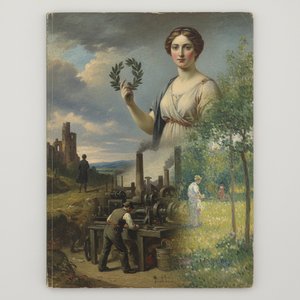 Echoes of Change: Exploring Themes & Techniques in 19th-Century PaintingExplore the captivating world of 19th-century painting! Discover Realism, Impressionism & beyond with expert insights into techniques, hist…
 The Eloquent Darkness: Exploring Shadow as Subject, Symbolism & Technique in Art HistoryExplore the captivating history of shadow in art! Discover chiaroscuro & tenebrism techniques used by masters like Caravaggio & Rembrandt. …