
 Pregledaj u prostoru
 Pošalji
 Podeli
 Detalji o delu

 Преузми
 Slični predmeti
 Rendgenski snimak
 Slajdovi
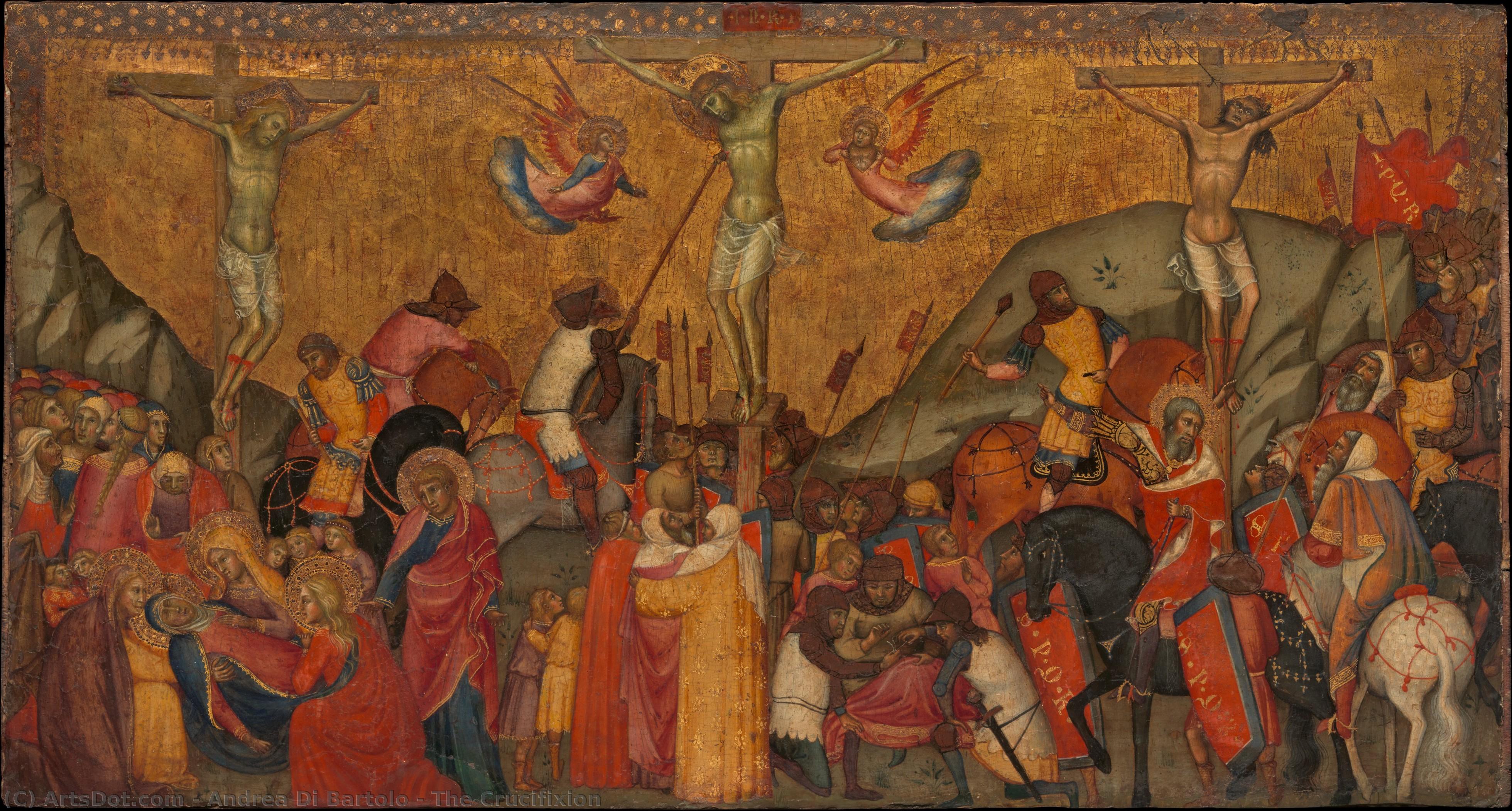
The Crucifixion
 53.0 x 98.0 cm
 Pročitaj više
Kupite digitalnu sliku visoke rezolucije i poboljšanog kvaliteta, koja je znatno superiornija od onoga što vidite u online prikazu.
Svaka datoteka je pedantno pripremljena od strane naših stručnjaka koristeći napredne alate i profesionalnu ručnu retušu. Osiguravamo da svaka slika ima izuzetnu oštrinu, preciznu reprodukciju boja i fine detalje.
Konačna datoteka se dostavlja putem e-pošte u roku od 72 sata, optimizovana za neposrednu upotrebu u profesionalnim, izdavačkim i štamparskim okruženjima. To je isti kvalitet kojem veruju vrhunski studiji dizajna, izdavači i galerije.
Digitalna slika
Preuzmite datoteku visoke rezolucije za ličnu upotrebu, štampanje i kreativne projekte. ( Kupi print Kupi ručno naslikanu sliku)
Uključeno uz svaku porudžbinu digitalne slike
Profesionalna digitalna isporuka, zagarantovana
Kada odaberete OriginalUniqueArt.com, ne dobijate samo sliku – vi primate profesionalno unapređeno digitalno umetničko delo, izrađeno sa najvećom preciznošću i uz garanciju zadovoljstva. Evo svega što automatski dolazi uz vašu porudžbinu:

Brza dostava putem e-pošte
Vaša digitalna slika visoke rezolucije biće vam poslata putem e-pošte u roku od 72 sata od poručivanja – spremna za trenutnu upotrebu.

Digitalna datoteka unapređena veštačkom inteligencijom
Vaše umetničko delo je profesionalno optimizovano korišćenjem naprednih AI alata i ručne obrade, čime se osiguravaju maksimalni detalji, oštrina i preciznost boja.

Besplatna ponovna isporuka doživotno
Slučajno ste obrisali ili izgubili svoju datoteku? Ne brinite – poslaćemo vam je ponovo u bilo kom trenutku, potpuno besplatno.

Bez troškova uvoza – zauvek
Uživajte u svojim umetničkim delima trenutno, bez carine, dažbina ili troškova dostave – digitalni download je uvek bez poreza.

Garancija vernosti boja
Uz pomoć profesionalnih alata i upravljanja bojama, osiguravamo da vaša digitalna slika što vernije odražava originalne boje.

Garancija zadovoljstva u roku od 60 dana
Ako niste zadovoljni svojom digitalnom slikom, revidirat ćemo je ili vratiti 100% novca u roku od 60 dana – bez ikakvih pitanja.

100% garancija povrata novca
Niste zadovoljni? Obezbedite pun povrat novca u roku od 60 dana od trenutka kada ste primili svoju digitalnu datoteku – bez suvišnih pitanja.

Popusti na velike porudžbine
Kupite 3 slike, uštedite 10% - Kupite 5 slika, uštedite 15% - Kupite 10+ slika, uštedite 20%. Odlično za kreativne projekte, galerije i agencije.
Biografija umetnika
Nardo di Cione: A Florentine Lyricist of the Late Quattrocento
Born around 1320 in Florence, Nardo di Cione – often referred to as “Nardo” – stands as a pivotal figure bridging the Gothic and nascent Renaissance artistic landscapes of Italy. While his life was tragically cut short around 1365, his brief but intensely productive career left an indelible mark on Florentine painting, characterized by a lyrical sensibility, profound humanism, and a masterful command of color that foreshadowed the developments of the High Renaissance. His legacy is primarily defined by a small yet remarkably significant body of work, meticulously reconstructed through careful analysis of signed pieces and stylistic comparisons.
Nardo’s origins are deeply intertwined with the prominent Cione family, a dynasty of artists who had long held a respected position within Florentine art circles. He was one of three brothers – Orcagna, Andrea, and Jacopo – all contributing to the artistic output of their household. Orcagna, arguably the most renowned of the siblings, established a powerful workshop that exerted considerable influence over the city’s artistic scene during the latter half of the 14th century. Nardo's work, while distinct from his brother’s more monumental and often narrative-driven compositions, shares a similar commitment to emotional depth and a refined aesthetic sensibility.
Early Influences and Artistic Development
Tracing the precise trajectory of Nardo’s artistic development remains a challenging endeavor due to the scarcity of documented information about his early training. However, stylistic analysis strongly suggests that he was profoundly influenced by the traditions of Byzantine art, particularly as practiced in Florence during the preceding decades. The influence of Paolo Veneziano, a Venetian painter who spent considerable time in Florence around 1320-1365, is readily apparent in Nardo’s early works – notably the “Standing Madonna” (Institute of Arts, Minneapolis) and the frescoes in the Chapel of San Silvestro at Santa Croce. These pieces exhibit a characteristic Byzantine formality, with their hierarchical composition, flattened perspective, and emphasis on luminous color. The use of gold leaf and rich pigments—a hallmark of Byzantine painting—is also evident.
Crucially, Nardo’s work began to evolve beyond this purely Byzantine model as he matured. He gradually incorporated elements of the Florentine Gothic style, characterized by a greater naturalism in figure representation, more dynamic compositions, and a heightened sense of spatial depth. This transition is particularly noticeable in his frescoes for the chapel of Sant'Anna in Santa Maria Novella, where he skillfully blended Byzantine techniques with emerging Renaissance principles.
The Frescoes of Sant’Anna: A Masterpiece of Florentine Art
The frescoes within the chapel of Sant’Anna represent Nardo’s most significant and enduring contribution to the artistic heritage of Florence. These monumental panels, dating from approximately 1345-1350, depict scenes from the life of St. Anne – her birth, miraculous conception, and death – alongside four figures of saints. The frescoes are remarkable for their emotional intensity, delicate modeling, and harmonious color scheme. Nardo’s depiction of St. Anne, in particular, is profoundly moving, conveying a sense of vulnerability and maternal devotion that resonated deeply with viewers.
The “Last Judgment” fresco within the same chapel further demonstrates Nardo's artistic prowess. It’s a dramatic composition filled with dynamic movement and expressive figures, reflecting the influence of Giotto – another Florentine master who was actively working at the time. The panel showcases Nardo’s ability to capture both the grandeur and the terror of divine judgment.
Later Works and Legacy
Following the completion of the Sant'Anna frescoes, Nardo produced a series of smaller-scale works that further refined his artistic style. The “St. John the Baptist with Saints” (National Gallery, London), often interpreted as a triptych, exemplifies his lyrical sensibility and masterful use of color. The “Crucifixion Panel” (Galleria degli Uffizi, Florence) is another notable example of his mature style, characterized by its emotional intensity and subtle modeling.
Nardo’s life was tragically cut short in 1365, likely due to illness. Despite the brevity of his career, he left behind a remarkably coherent body of work that reveals a unique artistic voice—one marked by lyricism, humanism, and a profound sensitivity to color. His influence on subsequent generations of Florentine painters is undeniable, and his frescoes in Santa Maria Novella remain among the most celebrated masterpieces of the late Quattrocento.
Nardo di Cione’s work serves as a crucial link between the Gothic and Renaissance periods, demonstrating the complex interplay of influences that shaped the artistic landscape of Florence during this transformative era. His legacy endures not only through his surviving paintings but also through the inspiration he provided to those who followed in his footsteps.
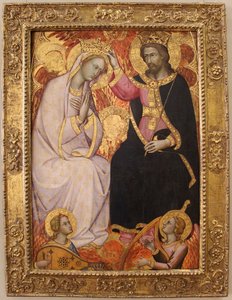
andrea di bartolo
1365 - 1428 , Italy
Kratke činjenice
- Artistic Movement Or Style: Late Gothic/Early Renaissance
- Artists Or Movements Influenced By This Artist: ["Nardo's style"]
- Artists Who Influenced This Artist:
- Orcagna
- Paolo Veneziano
- Giottino
- Date Of Birth: ca. 1320
- Date Of Death: ca. 1365
- Full Name: Nardo di Cione
- Nationality: Italian
- Notable Artworks:
- Strozzi Chapel frescoes
- Standing Madonna
- St John the Baptist
- Place Of Birth: Firenze, Italy

