 Pregledaj u prostoru
 Pošalji
 Podeli
 Detalji o delu
 Vodič
Vodič

 Preuzmi
 Slični predmeti
 Rendgenski snimak
 Automatska prezentacija
 Pitanja i odgovori
 Statistika
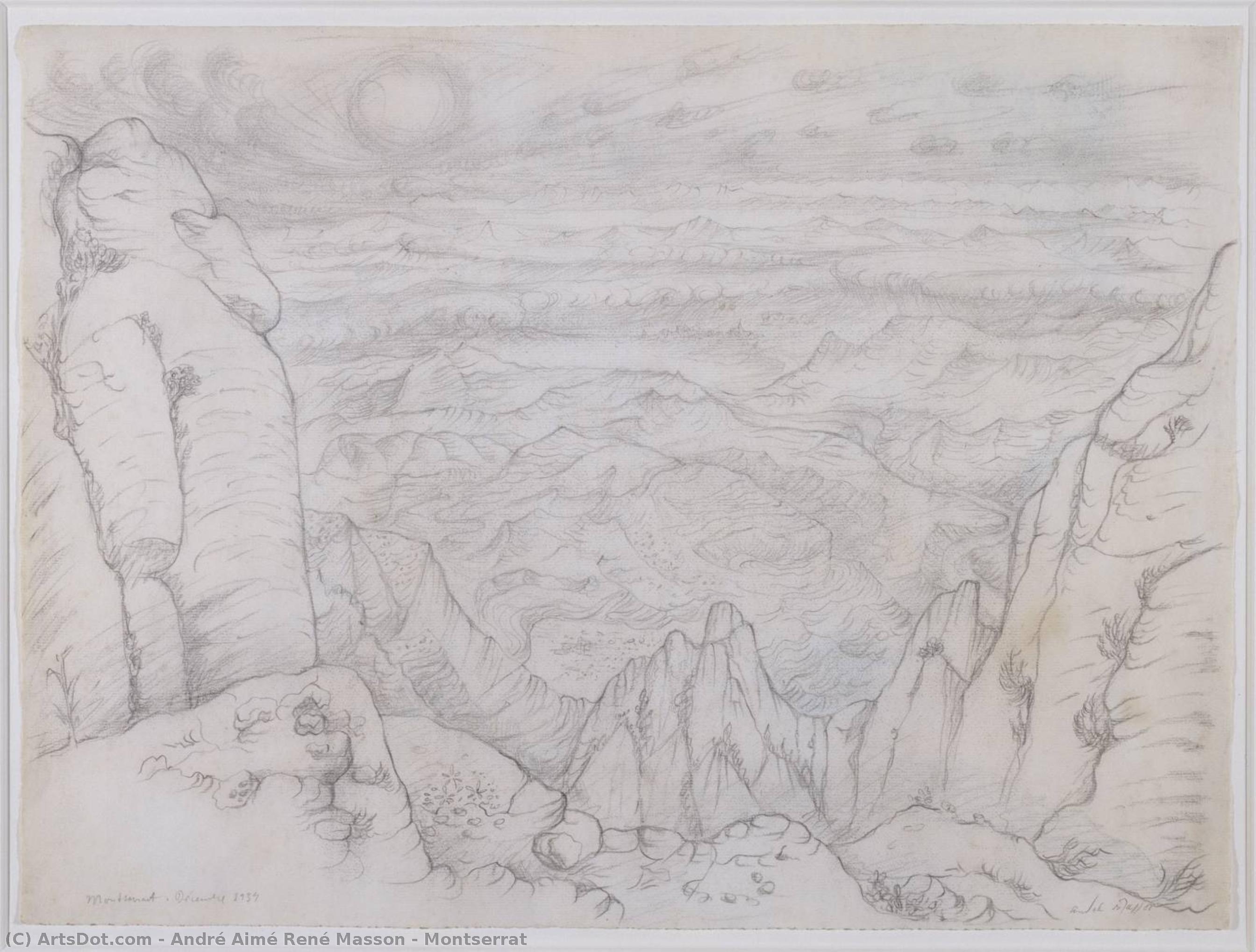
Montserrat

- 47.0 x 63.0 cm


 Pročitaj više
Umetničko delo prikazano na ovoj stranici zaštićeno je autorskim pravima, što znači da zakonski nismo u mogućnosti da kreiramo niti prodajemo identičnu reprodukciju. Ova zaštita se sprovodi u skladu sa međunarodnim sporazumima kao što su Bernska konvencija i nacionalnim zakonima, uključujući i one koji su definisani u Američki zakon o autorskom pravu – Naslov 17.
Ovaj metod je u potpunosti usklađen sa regulativama o autorskim pravima jer ne podrazumeva kopiranje ili dupliranje zaštićenih umetničkih dela. Umesto toga, reč je o kreativnoj reinterpretaciji – novom slikarskom delu koje je inspirisano originalom, ali nije identično njemu.
Giclee štampa / Umetnički otisak
Giclée štampa ili print na platnu muzejskog kvaliteta uz brzu izradu i raznovrsne opcije završne obrade. ( Kupite ručno oslikano delo Pređi na digitalnu sliku)




P118B дин10

P118H дин10

P118W дин10

P438Z дин10

P508JH дин12

P508YH дин12

P805H дин10

P805Z дин10

P919BZ дин10

P919G дин10

P919XJ дин10

P959ZH дин10

P968JZ дин12

W106C дин8

W218G дин10

W218JH дин8

W218Y дин10

W307PJ дин10

W316G дин10

W316PJ дин8

W316Y дин10

W398PJ дин8

W4111J дин10

W500HY дин15

W500JH дин15

W692G дин12

W849H дин8

W940BG дин15

W953PJ дин8




Izaberite jednu od naših unapred definisanih veličina koje odgovaraju originalnim proporcijama umetničkog dela.

Unesite željenu širinu i visinu kako bi se štampa uklopila u vaš ram ili zid. Štampu je moguće samo iseći, ali nikada povećati iznad dimenzija originalne slike, stoga format sa drugačijim proporcijama uzrokuje gubitak dela slike. Pre početka štampe, poslaćemo vam digitalni prikaz radi potvrde. Slika prikazana na ovoj stranici ne predstavlja stvarni isrez — to pokazuje samo digitalni prikaz.
Dostava širom sveta () za 2 nedelje umesto uobičajenih 4/5 nedelja. (15 новембар)

Besplatna ekspresna dostava širom sveta

Visokokvalitetno laneno platno

Potpuno osiguranje transporta

Garancija povraćaja carine i uvoznih dažbina

Garancija vernosti boja

Politika povraćaja u roku od 100 dana (samo u slučaju nedostataka)

Garancija povrata 100% novca

Popust na više proizvoda
 Opcija sa staklom dostupna je samo za dimenzije manje od 110 cm

Montserrat
Giclee štampa / Umetnički otisak
Dimenzije reprodukcije
-


Ukupna cena
дин 8474
André Masson’s “Montserrat”: A Journey Into the Subconscious
André Masson's "Montserrat," painted in 1934, isn’t merely a landscape; it’s an invitation into the heart of the Surrealist mind. This graphite and chalk drawing on paper captures a rugged, almost violently sculpted mountain range under a dramatic, circular sun – a scene that feels both familiar and profoundly unsettling. Masson, a key figure in the Surrealist movement, employed his signature technique of automatic drawing to create an image brimming with raw emotion and symbolic depth, reflecting a fascination with the subconscious and primal forces.
The genesis of “Montserrat” lies within Masson’s exploration of automatism – a method he embraced wholeheartedly, believing it bypassed conscious control and allowed the unconscious to dictate the artistic process. He often began by throwing sand and glue onto a canvas, then meticulously building upon the resulting shapes, allowing them to organically inform the composition. This technique is vividly apparent in “Montserrat,” where jagged peaks emerge from seemingly random lines, suggesting a landscape born not of observation but of internal feeling. The drawing’s loose, expressive lines eschew traditional perspective, instead prioritizing the immediate impact and emotional resonance of the scene.
Deconstructing the Landscape: Form, Color, and Technique
The color palette is deliberately restrained – primarily shades of grey, white, and beige against a creamy background. This monochromatic approach amplifies the drawing’s textural qualities, emphasizing the rough surfaces of the mountains and the dynamic interplay between light and shadow. Masson masterfully utilizes hatching and cross-hatching to build up volume and create a sense of depth, mimicking the appearance of rock formations and atmospheric conditions. The composition itself is asymmetrical, with peaks arranged in a way that feels both precarious and powerful – mirroring perhaps the inherent instability of the subconscious mind.
Notice the deliberate lack of detail; Masson isn’t striving for photographic realism. Instead, he focuses on capturing the *essence* of the mountain range, reducing it to its most fundamental forms. The lines are not precise but rather suggestive, creating a dreamlike quality that aligns perfectly with the Surrealist aesthetic. The circular sun, dominating the upper center, acts as a potent symbol – representing enlightenment, clarity, or perhaps even the overwhelming force of the unconscious itself.
Symbolism and Emotional Resonance
“Montserrat” is rich in symbolic potential. The jagged peaks can be interpreted as challenges, obstacles, or even the fragmented nature of memory. The vastness of the landscape evokes feelings of solitude and isolation, while the dramatic lighting creates a sense of drama and tension. Considering Masson’s interest in primal expression, one might also read the drawing as an attempt to tap into something deeper – a connection with the earth, with instinct, or even with the darker aspects of human experience.
The painting's emotional impact is undeniably powerful. It doesn’t simply depict a mountain range; it invites us to contemplate our own internal landscapes, to confront the uncertainties and anxieties that lie beneath the surface of consciousness. “Montserrat” stands as a testament to Masson’s ability to translate complex psychological states into a visually arresting and deeply evocative work of art – a timeless exploration of the human spirit.
André Masson: Context and Legacy
Born in Balagny-sur-Thérain, France, in 1896, André Masson’s artistic journey was shaped by early exposure to Cubism and a later embrace of Surrealism. He collaborated extensively with other prominent figures of the movement, including Antonin Artaud and Joan Miró, fostering a vibrant artistic community centered around automatic drawing. His work has been exhibited widely throughout Europe and America, influencing generations of artists. Masson’s legacy extends beyond his own paintings; he played a crucial role in shaping the direction of Surrealist art, leaving an indelible mark on 20th-century visual culture.
Pitanja i odgovori
Kakvu bi atmosferu reprodukcija dela „Montserrat”, autor Андре Масон unela u prostoriju?
Sa svojim Calm raspoloženjem, delo "Montserrat" je idealno za Living Room.
Gde mogu da kupim print dela „Montserrat”, autor Андре Масон?
Da biste naručili print dela „Montserrat”, autor Андре Масон, jednostavno ga poručite na njegovoj stranici Umetnički print: umetnička štampa na pamučnom platnu ili arhivskom kanvas papiru.
Za koju prostoriju se preporučuje „Montserrat”, autor Андре Масон?
„Montserrat”, autor Андре Масон se preporučuje za Living Room. Ovaj predlog je zasnovan na temi, bojama i raspoloženju dela.
Biografija umetnika
Андре Масон: Живот испуњен страшћу и експериментима
Андре Масон, рођен 4. јануара 1896. године у Балањи-сур-Терану, Француска, био је визионарски сликар који је оставио неизбрисив траг на историји модерне уметности. Његов живот, обележен константном потрагом за новим изразима и дубоким интересовањем за подсвесно, водио га је кроз различите стилове и покрете, од кубизма до сурреализма, а на крају и ка префињеним пејзажима. Масон није био само уметник; он је био истраживач човекове душе, који је покушао да открије скривене слојеве стварности кроз своја дела.
Масоново рано школовање започело је у Краљевској академији лепих уметности у Бриселу под менторством Константа Монталда. Ово рани тренинг пружио му је чврсту основу за касније експерименте и авантуре у свету уметности. Већ у почетку, његови радови су показали интересовање за кубизам, што је било знак његове раног наклоности према модерним уметничким токовима. Међутим, Масон није остао дуго веран само једном стилу; он је био увек у потрази за новим начинима изражавања.
Сурреалистичка фаза и аутоматско цртање
Педесетих година прошлог века, Масон се укључио у сурреалистички покрет, постајући један од његових кључних представника. Са великим ентузијазмом прихватио је технику аутоматског цртања – метод стварања уметничког дела без свести о процесу, дозвољавајући подсвешћу да води руку. Ово је био радикалан одлазак од традиционалних уметничких конвенција и покушај да се открије скривена лепота спонтаности и интуиције. У том периоду сарађивао је са другим значајним личностима као што су Антонен Арто, Мишел Лерис, Жоан Миро, Жорж Батаљ, Жан Дибуфе и Жорж Малкин, стварајући динамичну уметничку заједницу.
Масонови радови из овог периода често су истраживали насилне или еротске теме, што је било одраз његове жеље да се ослободи традиционалних ограничења и открије тамније аспекте људског бића. Поред аутоматског цртања, Масон је експериментисао са необичним материјалима као што су песак и лепак на платну, бацајући их како би створио уметничка дела заснована на случајним облицима који су настали. Ове технике су допринеле његовом јединственом стилу и отвориле нове путеве за изражавање.
Еволуција и каснији радови
Крајем двадесетих година, Масон се постепено удаљавао од сурреализма, развијајући структуриранији стил под утицајем Андре Дераина. Ово је било нарочито видљиво у његовим пејзажима, који су постали све више фокусирани на реалистично приказивање природе. Током Другог светског рата, његов рад је осуђен као "дегенерисан" од стране нациста. Масон је успео да побегне у Сједињене Државе уз помоћ Варијана Фраја, где је имао значајан утицај на америчке апстрактне експресионисте, посебно Џексона Полока.
Након повратка у Француску, Масон се настанио у Ексу-ан-Прованси и посветио пејзажном сликарству. Ово је представљало повратак ка природним мотивима и префињеном приказивању лепоте околног света. Његови каснији радови су одражавали његову зрелост и дубоко разумевање уметничког процеса.
Наслеђе и утицај
Андре Масон је умро 1987. године, оставивши за собом богато наслеђе које наставља да инспирише уметнике широм света. Његов пионирски рад у сурреализму и аутоматском цртању отворио је нове хоризонте за изражавање и утицао на различите уметничке покрете, од кубизма до апстрактног експресионизма. Масонова способност да споји подсвесно са свести, насиље са лепотом, еротику са метаморфозом, учинила га је једним од најзначајнијих уметника 20. века.

Андре Масон
1896 - 1987 , Француска
Osnovne informacije
- Artistic Movement Or Style:
- Суреализам
- Кубизам
- Artists Or Movements Influenced By This Artist:
- Џексон Полок
- Апстрактни експресионизам
- Artists Who Influenced This Artist: ['Андре Деран']
- Date Of Birth: 4. јануар 1896.
- Date Of Death: 1987.
- Full Name: Андре Ајме Рене Масон
- Nationality: Француски
- Notable Artworks (List Of Titles):
- Beyond
- Landscape with Rocks
- The metamorphosis of the lovers
- Pygmalion
- Place Of Birth (City And Country): Балањи-сур-Теран, Француска
Povezani članci
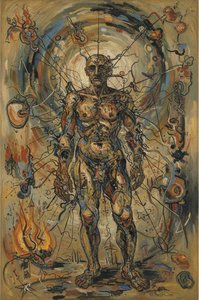
André Masson: Automatism, Surrealism & Primal Expression in 20th-Century Art
Explore the revolutionary art of André Masson – pioneer of automatism & Surrealist expression. Discover his powerful imagery, innovative techniques, and lasting influence on modern art. Learn more at OriginalUniqueArt.
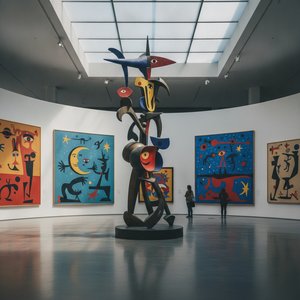
25 Masterpieces by Joan Miró: A Journey Through Surrealist Magic
Step into the surreal world of Joan Miró. Explore 25 iconic masterpieces, from biomorphic shapes to vibrant colors. Discover the stories behind these timeless Surrealist works and find museum-quality art reproductions for your space. Explore the full collection on OriginalUniqueArt.com.

Impressionistic Landscapes: 10 Masterpieces That Changed Art & Decor
Journey into the heart of Impressionism! Explore 10 masterpieces by Monet, Renoir & Degas that revolutionized landscape art. Discover their stories, techniques & find museum-quality reproductions to elevate your home decor on OriginalUniqueArt.com.

The Eternal Horizon: A Curated Journey Through the World's Most Iconic Landscape Masterpieces
Embark on a visual journey through history's most iconic landscapes. Discover the mastery of Impressionism and the sublime power of nature through our expert guide to classical landscape art, curated for the discerning collector and fine art enthusiast.

The Language of Light and Form: Emotional Resonance in Abstract Landscapes
Explore the emotional depth of abstract landscapes through Kandinsky and Gauguin. Discover the power of color and form today.