
 Pregledaj u prostoru
 Pošalji
 Podeli
 Detalji o delu

 Преузми
 Slični predmeti
 Rendgenski snimak
 Slajdovi
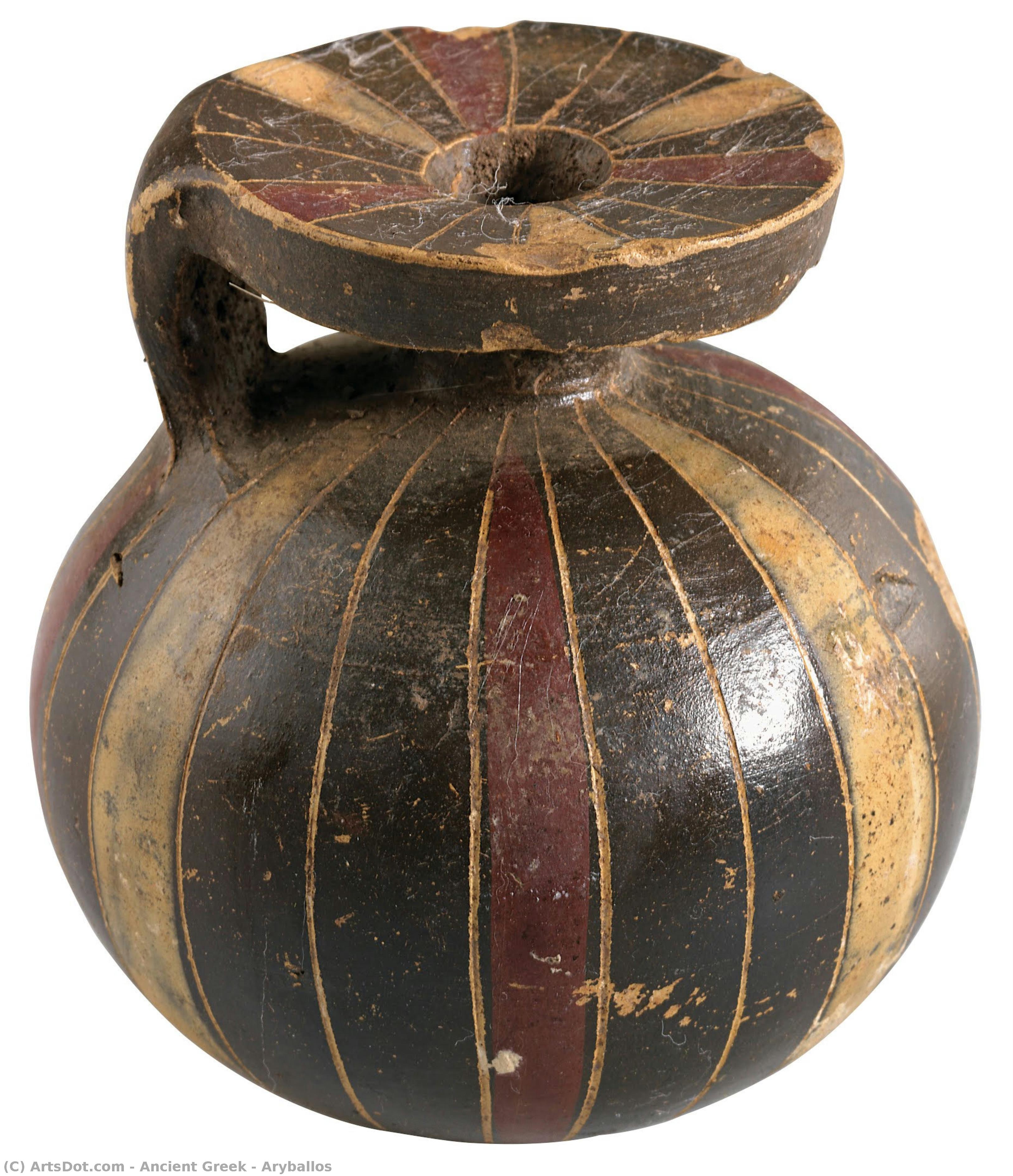
Aryballos


 Pročitaj više
Kupite digitalnu sliku visoke rezolucije i poboljšanog kvaliteta, koja je znatno superiornija od onoga što vidite u online prikazu.
Svaka datoteka je pedantno pripremljena od strane naših stručnjaka koristeći napredne alate i profesionalnu ručnu retušu. Osiguravamo da svaka slika ima izuzetnu oštrinu, preciznu reprodukciju boja i fine detalje.
Konačna datoteka se dostavlja putem e-pošte u roku od 72 sata, optimizovana za neposrednu upotrebu u profesionalnim, izdavačkim i štamparskim okruženjima. To je isti kvalitet kojem veruju vrhunski studiji dizajna, izdavači i galerije.
Digitalna slika
Preuzmite datoteku visoke rezolucije za ličnu upotrebu, štampanje i kreativne projekte. ( Kupi print Kupi ručno naslikanu sliku)
Uključeno uz svaku porudžbinu digitalne slike
Profesionalna digitalna isporuka, zagarantovana
Kada odaberete OriginalUniqueArt.com, ne dobijate samo sliku – vi primate profesionalno unapređeno digitalno umetničko delo, izrađeno sa najvećom preciznošću i uz garanciju zadovoljstva. Evo svega što automatski dolazi uz vašu porudžbinu:

Brza dostava putem e-pošte
Vaša digitalna slika visoke rezolucije biće vam poslata putem e-pošte u roku od 72 sata od poručivanja – spremna za trenutnu upotrebu.

Digitalna datoteka unapređena veštačkom inteligencijom
Vaše umetničko delo je profesionalno optimizovano korišćenjem naprednih AI alata i ručne obrade, čime se osiguravaju maksimalni detalji, oštrina i preciznost boja.

Besplatna ponovna isporuka doživotno
Slučajno ste obrisali ili izgubili svoju datoteku? Ne brinite – poslaćemo vam je ponovo u bilo kom trenutku, potpuno besplatno.

Bez troškova uvoza – zauvek
Uživajte u svojim umetničkim delima trenutno, bez carine, dažbina ili troškova dostave – digitalni download je uvek bez poreza.

Garancija vernosti boja
Uz pomoć profesionalnih alata i upravljanja bojama, osiguravamo da vaša digitalna slika što vernije odražava originalne boje.

Garancija zadovoljstva u roku od 60 dana
Ako niste zadovoljni svojom digitalnom slikom, revidirat ćemo je ili vratiti 100% novca u roku od 60 dana – bez ikakvih pitanja.

100% garancija povrata novca
Niste zadovoljni? Obezbedite pun povrat novca u roku od 60 dana od trenutka kada ste primili svoju digitalnu datoteku – bez suvišnih pitanja.

Popusti na velike porudžbine
Kupite 3 slike, uštedite 10% - Kupite 5 slika, uštedite 15% - Kupite 10+ slika, uštedite 20%. Odlično za kreativne projekte, galerije i agencije.
Biografija umetnika
Ancient Greek Art: A Legacy of Beauty and Idealism
The art of ancient Greece, spanning roughly from the Mycenaean period (c. 1600 BC) through the Hellenistic era (c. 30 BC), represents a cornerstone of Western civilization’s artistic heritage. More than simply beautiful objects, these creations—sculptures, architecture, pottery, and more—offer profound insights into Greek society, religion, philosophy, and their evolving understanding of the human form and the world around them. From the monumental temples to the intimate terracotta figures, ancient Greek art embodies a pursuit of ideal beauty, rational order, and a deep connection with the divine.
The earliest forms of Greek art, particularly those from the Mycenaean civilization (c. 1600-1100 BC), were characterized by monumental architecture—massive stone structures like citadels and tombs—and elaborate pottery decorated with geometric patterns and scenes from mythology. These early works demonstrate a sophisticated understanding of craftsmanship and a reverence for power and ritual. However, it was during the Archaic period (c. 800-500 BC) that Greek art began to truly flourish, influenced by Near Eastern cultures through trade and exchange. The introduction of the Doric and Ionic orders of architecture—distinctive styles defined by their column shapes—marked a significant shift towards standardized forms and proportions.
- The Classical Period (c. 500-323 BC): This era is widely considered the golden age of Greek art, marked by unparalleled artistic achievement. Sculpture reached its zenith with artists like Phidias, Myron, Polyclitus, and Praxiteles, who developed techniques for capturing movement, emotion, and anatomical accuracy. The Parthenon in Athens, a temple dedicated to Athena, exemplifies the Classical ideals of harmony, balance, and proportion.
- Key Sculptural Techniques: Greek sculptors mastered several crucial techniques. Contrapposto—a pose where the weight is shifted onto one leg, creating an illusion of naturalistic movement—became a hallmark of their work. They also employed meticulous study of anatomy, often dissecting human bodies to understand musculature and skeletal structure.
- Pottery: Greek pottery continued to evolve during this period, with red-figure painting becoming increasingly popular. This technique allowed artists to depict intricate scenes from mythology and daily life with remarkable detail.
The Rise of Philosophy and its Influence on Art
Ancient Greek philosophy profoundly shaped the artistic sensibilities of the Classical period. Philosophers like Pythagoras, Plato, and Aristotle emphasized reason, order, and harmony—concepts that directly informed the principles guiding Greek art. Plato, in particular, believed that beauty was a reflection of underlying mathematical truths, arguing that all beautiful things possessed an ideal form. This philosophical perspective led artists to strive for perfection and symmetry in their creations, seeking to represent not just what they saw but also what they *knew* to be true about the world.
The concept of *arete*, meaning “excellence” or “virtue,” was central to Greek thought. Artists aimed to create works that embodied *arete*, striving for technical mastery and expressing noble ideals. This emphasis on virtue extended beyond aesthetics, influencing ethical considerations in art—for example, the depiction of heroes as models of moral behavior.
Major Figures and Their Contributions
- Phidias: Considered the greatest sculptor of the Classical period, Phidias oversaw the sculptural program for the Parthenon and created numerous statues of gods and goddesses, including the colossal statue of Athena Parthenos. His work is renowned for its realism, dynamism, and emotional depth.
- Myron: Known for his dynamic sculptures depicting athletes in motion, Myron’s *Discobolus* (Discus Thrower) exemplifies the Classical ideal of human perfection and athletic prowess.
- Polyclitus: A sculptor and philosopher, Polyclitus developed the concept of “canon”—a mathematical formula for achieving perfect proportions in the human form. His sculpture *Doryphoros* (Spear-Bearer), a copy of which is now housed in the Louvre, became a standard model for ideal beauty.
- Praxiteles: Praxiteles was known for his graceful and sensual sculptures, often depicting mythological figures in intimate poses. His *Aphrodite of Knidos* is celebrated for its delicate beauty and subtle eroticism.
The Hellenistic Period: Expansion and Diversification
Following the death of Alexander the Great in 323 BC, Greece entered the Hellenistic period—a time of cultural diffusion and artistic experimentation. The Greek language and culture spread throughout the Eastern Mediterranean and beyond, resulting in a synthesis of Greek traditions with those of Egypt, Persia, and other regions. This led to a diversification of artistic styles and themes.
- Increased Realism: Hellenistic sculpture moved away from the idealized forms of the Classical period, embracing greater realism and emotional intensity. Artists depicted figures in more dramatic poses and with heightened expressions of emotion.
- New Subjects: Portraiture became increasingly popular during the Hellenistic era, reflecting a growing interest in individual likenesses. Scenes from everyday life—such as banquets, festivals, and athletic competitions—were also frequently depicted.
- Regional Variations: Artistic styles varied across different regions of the Hellenistic world, influenced by local traditions and cultural influences. For example, Egyptian-influenced sculpture became prominent in Alexandria.
Historical Significance and Legacy
The art of ancient Greece has had an enduring influence on Western culture. Its emphasis on humanism, rationalism, and beauty continues to inspire artists and thinkers today. Greek architectural principles—such as the use of columns, arches, and domes—have been adopted throughout history, shaping the design of buildings around the world. Furthermore, Greek mythology and philosophical ideas have permeated literature, art, and religion, forming a fundamental part of Western intellectual tradition.
The study of ancient Greek art provides valuable insights into the values, beliefs, and aspirations of one of the most influential civilizations in history. It stands as a testament to the power of human creativity and the enduring legacy of classical ideals.

ancient greek
Greece
Kratke činjenice
- Artistic Movement Or Style: Classical Greece
- Artists Or Movements Influenced By This Artist:
- Roman art
- Western culture
- Artists Who Influenced This Artist:
- Homer
- Hesiod
- Full Name: Ancient Greek
- Nationality: Greek
- Notable Artworks:
- Parthenon
- Phidias' sculptures
- Place Of Birth: Greece

