

 Pregledaj u prostoru
 Podeli
 Podeli
 Detalji
 Vodič
Vodič

 Preuzmi sliku
 Slični predmeti
 Rendgenski snimak
 Automatska prezentacija
 Statistika
The Little Peasant
 Acrylic On Canvas
- WallArt
- Expressionist Style
 1918
1918 99.0 x 63.0 cm
 Tate Galerija
 Pročitaj više
Giclee štampa / Umetnički otisak
Giclée štampa ili print na platnu muzejskog kvaliteta uz brzu izradu i raznovrsne opcije završne obrade. ( Naručite ručno oslikano reprodukciju Pređi na prodaju digitalnih slika)




P118B дин10

P118H дин10

P118W дин10

P438Z дин10

P508JH дин12

P508YH дин12

P805H дин10

P805Z дин10

P919BZ дин10

P919G дин10

P919XJ дин10

P959ZH дин10

P968JZ дин12

W106C дин8

W218G дин10

W218JH дин8

W218Y дин10

W307PJ дин10

W316G дин10

W316PJ дин8

W316Y дин10

W398PJ дин8

W4111J дин10

W500HY дин15

W500JH дин15

W692G дин12

W849H дин8

W940BG дин15

W953PJ дин8




Izaberite jednu od naših unapred definisanih veličina koje odgovaraju originalnim proporcijama umetničkog dela.

Unesite širinu i visinu koja vam je potrebna, kako bi se uklopili u vaš ram ili na vaš zid. Štampa se može samo iseći, nikada ne može biti veća od originalne slike, stoga format sa drugačijim proporcijama gubi deo slike. Poslaćemo vam digitalni prikaz radi potvrde pre nego što započnemo štampu. Slika prikazana na ovoj stranici ne pokazuje stvarni rez — to pokazuje samo digitalni prikaz.
Dostava širom sveta () za 2 nedelje umesto uobičajenih 4/5 nedelja. (23 октобар)

Besplatna ekspresna dostava širom sveta

Visokokvalitetno laneno platno

Sveobuhvatno osiguranje transporta

Garancija povraćaja carine i uvoznih dažbina

Garancija vernosti boja i autentičnosti pri reprodukciji

Politika povraćaja u roku od 100 dana (samo u slučaju nedostataka)

Garancija povrata 100% novca

Popust pri većoj količini
 Opcija sa staklom dostupna je samo za dimenzije manje od 110 cm

The Little Peasant
Giclee štampa / Umetnički otisak
Veličina reprodukcije
-


Ukupna cena
дин 8263
A Portrait of Quietude and Melancholy: Exploring Modigliani’s “The Little Peasant”
Amedeo Modigliani's "The Little Peasant," painted in 1918, is not merely a depiction of a young boy; it’s a poignant distillation of the artist’s own emotional landscape – a world steeped in longing and shadowed by an underlying sadness. This intimate portrait, currently residing within the Tate Gallery in London, offers a rare glimpse into Modigliani's expressive vision during a turbulent period in his life. The painting immediately draws the viewer in with its muted palette of earthy tones, dominated by grays, browns, and the arresting red of the boy’s chair. This deliberate choice of color creates a sense of quiet contemplation, mirroring the subject’s apparent stillness.
The young figure, seated on the simple red chair, is rendered with Modigliani's signature elongated features – a characteristic that became synonymous with his style. His head is slightly turned, as if lost in thought, and his gaze seems distant, hinting at an inner world beyond the confines of the canvas. The hat and jacket, though suggesting a degree of formality, don’t entirely dispel the sense of vulnerability; they feel almost like borrowed garments, adding to the overall impression of quiet isolation. The background – a plain gray wall with a window – serves not as a distraction but rather as a subtle reinforcement of the boy's contained space, emphasizing his solitude.
Expressionist Brushstrokes and the Language of Emotion
Technically, “The Little Peasant” is a prime example of Modigliani’s evolving expressionistic style. The brushwork is loose and deliberately unrefined; lines flow organically across the canvas, conveying movement and capturing the fleeting quality of emotion. Unlike the precise detailing often found in academic portraiture, Modigliani eschews meticulous rendering in favor of suggesting form through color and texture. This technique isn’t simply about depicting reality but rather about translating an internal state onto the surface of the painting. The fluidity of the brushstrokes mirrors the boy's potential restlessness or perhaps a suppressed yearning – elements that resonate deeply within the viewer.
The use of red, particularly in the chair, is strategically significant. Red often symbolizes passion, energy, and even danger, yet here it’s deployed with restraint, highlighting the boy as the focal point without overwhelming the composition. It's a subtle assertion of presence amidst a muted backdrop, drawing our attention to his quiet contemplation.
A Window into Modigliani’s World
Painted in 1918, “The Little Peasant” was created during a particularly challenging period for Modigliani. His personal life was marked by illness and heartbreak – the loss of his muse Jeanne Hébuterne in 1919 profoundly impacted him. While biographical details are scarce, art historians often interpret this work as an exploration of themes of loneliness, vulnerability, and the transient nature of beauty—themes that would continue to dominate his oeuvre. The painting can be viewed as a reflection of Modigliani’s own emotional state, projecting his personal struggles onto the innocent figure before him.
Considering Modigliani's life, “The Little Peasant” transcends its simple subject matter and becomes a powerful meditation on human experience. It is a testament to the artist’s ability to imbue even the most unassuming scene with profound emotional depth. A reproduction of this evocative work offers an opportunity to bring this poignant portrait into your home, inviting contemplation and sparking conversation.
Bringing “The Little Peasant” Home
OriginalUniqueArt.com is proud to offer meticulously crafted hand-painted reproductions of Amedeo Modigliani’s "The Little Peasant." Our artists replicate the painting's distinctive style – the elongated forms, the expressive brushwork, and the carefully considered color palette – with exceptional attention to detail. Available in a range of sizes, our reproductions provide an authentic representation of this iconic artwork, allowing you to appreciate its beauty and emotional resonance within your own space. Whether for a study, a gallery wall, or simply as a cherished piece of art, a OriginalUniqueArt.com reproduction of “The Little Peasant” is a timeless addition to any collection.
Pitanja i odgovori
Koliko je zasićena paleta dela "The Little Peasant"?
Paleta dela "The Little Peasant" ima Balanced Soft zasićenost.
Kojom tehnikom i stilom se odlikuje „The Little Peasant”, Модиљани?
„The Little Peasant“ je urađeno u tehnici Acrylic On Canvas, u stilu Expressionist Style.
Koji stil pripada delu "The Little Peasant"?
„The Little Peasant“ je delo Expressionist Style pokreta. Ovaj pokret označava umetničku tradiciju kojoj je delo pripada.
Biografija umetnika
Амедео Модиљани: Душа у Линијама и Сенкама
Амедео Клементе Модиљани, име које одјекује кроз историју уметности као синоним за тужну лепоту и меланхоличну грациозност, остаје једна од највољених и трагичних фигура почетка двадесетог века. Рођен у Ливорну, Италији, 1884. године, у породици дубоко укорењеној у сефардској јеврејској традицији, његов живот је обележен не само изузетном уметничком визијом, већ и сталним тешкоћама. Честа обољења пратила су га још од младости – плућна запаљење и тифус постали су непријатни сапутници – можда у њему будивши осетљивост на хрупкост која је прожета кроз све његове радове. Иако рођен у релативном благостању, породична финансијска срећа опадала је, додајући још један слој комплицираности младом Модиљанију током његових раних година. Детињство је било испуњено интелектуалном стимулацијом захваљујући мајци и деди који су га упознавали са делима Ничеа, Бодлераа и Лотреамона, стварајући основу за уметничку осетљивост која је одбацивала конвенционалне норме.
Привлачност Париза била је неизбежна, а 1906. године Модиљани се упустио у путовање које ће дефинисати његову каријеру. Град је тада био кључало уметничке иновације, препун револуционарних идеја и изазова конвенција. Уродио се у живахну сцену уметности, сусрећући се са гигантима као што су Пабло Пикасо и Константин Бранкуши, личности које су дубоко обликовале његову естетску трајекторију. Иако је првобитно био привлачен проспералној кубистичкој покрету, Модиљани је брзо открио да му је његова ригидна геометрија претерано ограничавајућа за израз. Његов уметнички дух је тежио нечему лиричнијем, више укорењеном у људској емоцији. Ушао је у период интензивног експериментисања, апсорбујући утицаје из афричке скулптуре – посебно његових издужених облика и поједностављених карактеристика – и архаичне грације ренесансне уметности Италије.
Скулптирана Душа: Стил и Иновација
Модиљанијев препознатљиви стил настао је као јединствена синтеза ових различитих инспирација. Његови портрети, вероватно његова најслављенија дела, одмах су препознатљиви по издуженим лицима и вратовима, бадасмутим очима без зеница и општем осећају мирне меланхолије. То нису биле само слике; то су била истраживања унутрашњег живота, која су хватала дубину психологије у сваком субјекту. Одузео је непотребне детаље, фокусирајући се на есенцијалне облике како би изразио емоције са изузетном економијом. Његови акти, често контроверзни током његовог живота, поседују сличну квалитету – тиху достојанственост и рањивост која надмашује чисту физичку репрезентацију. Фигуре нису претерано сензуалне већ су испуњене осећајем безвременог лепоте и екзистенцијалне жеље.
Поред сликања, Модиљани се посветио и скулптури, стварајући низ високо стилизованих глава и торзова. Ови скулптурски радови, под утицајем афричке уметности и Бранкушијевих редуктивних облика, додатно демонстрирају његову посвећеност поједношавању форми и наглашавању есенцијалних квалитета. Иако је кратко излагао ове радове са групом Section d'Or 1912. године, они су наишли на оштру критику и углавном су уклоњени са јавног призора. Ово одбијање дубоко је погодило Модиљанија, доприносећи периоду уметничке недоумице и финансијских тешкоћа.
Живот Обележен Сенкама
Лични живот Модиљанија био је исто толико турбулентан колико и његово уметничко путовање. Борио се са сиромаштвом и зависношћу током већег дела своје каријере, често рачунајући на великодушност пријатеља и покровитеља. Његов однос са Жан Хебутерн, младом уметницом сама по себи, постао је централна емоционална основица у његовом животу. Делили су дубоку љубав и међусобно уметничко разумевање, али њихова срећа била је трагично кратког века. Притисак сиромаштва, Модиљанијево погоршање здравља и Жан Хебутернова трудноћа створили су непроцењив притисак. 1920. године, разочарана рођењем њихове ћерке и преплављена безнадежним осећањима, Жан је извршила самоубиство. Неки дан касније, Модиљани је подлегао туберкулозном менингитису у добијених само 35 година.
Заоставштина Изгубљеног Покољења
Упркос томе што није доживео велико признање током свог живота, рад Амедеа Модиљанија искусио је драматичан успон у популарности након његове смрти. Његове слике и скулптуре почеле су да достижу све веће цене, а његов препознатљиви стил окајао је дубок утицај на касније генерације уметника. Постао је икона боемског духа, који оличењава борбе и тријумфе изгубљеног покољења које се носи са модерном епохом и екзистенцијалним питањима.
Данас се Модиљанијеви радови налазе у престижним музејима широм света, укључујући Музеј градске уметности Осаке, Musée d'Art Moderne de la Ville de Paris и бројне приватне колекције. Његови портрети настављају да опчињавају гледаоце својом тужну лепотом и емоционалном резонанцом, служећи као потресно подсетник на живот који је живео на ивици – живот исписан жељом, страшћу и непоколебљивом посвећеношћу уметничкој истини.
Истакнути Радови
- Акт без главе (35 x 26 cm): Типичан пример Модиљанијевих издужених облика и изражајног стила, који показује његову мајсторску вештину у приказивању човечког тела.
- Лежући Акт са Растрешеном Косом: Демонстрира његову способност да ухвати суштину женствености уз деликатан баланс сензуалности и рањивости.
- Седећа Женска Гола (92 x 60 cm): Мо

Модиљани
1884 - 1920 , Италија
Brzi pregled
- Datum Rođenja: 12. jul 1884.
- Datum Smrti: 24. januar 1920.
- Mesto Rođenja: Livorno, Italija
- Nacionalnost: Italijan
- Pokreti Pod Uticajem:
- Ekspresionizam
- Modernizam
- Puno Ime: Amedeo Clemente Modigliani
- Umetnički Pokret: Ekspresionizam
- Uticajni Umetnici:
- Pikaso
- Brankusi
- Afrička skulptura
- Značajna Dela:
- Gola bista
- Ležeća ženska figura
- Sežuća ženska figura
- Portret Žane Hebuterne
Srodni članci
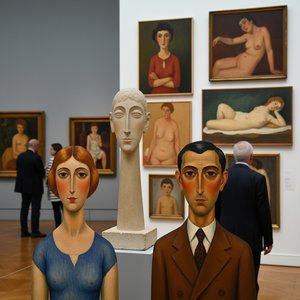
Amedeo Modigliani: 25 Remek-dela Italijanskog Majstora | OriginalUniqueArt
Istražite 25 remek-dela Amedea Modiglianija! Otkrijte priče iza njegovih prepoznatljivih portreta, ekspresionističkog stila i emotivnih boja. Reprodukcije slika vrhunskog kvaliteta dostupne na OriginalUniqueArt.com.

Oil on Canvas: A Historical & Technical Exploration of a Timeless Artistic Medium
Explore the rich history & enduring techniques of oil painting on canvas. Discover the science behind its longevity, conservation practices, and contemporary relevance. Expert insights for art enthusiasts.

The Enduring Legacy of Oil on Canvas: Technique, History & Aesthetic Impact
Explore the rich history & techniques of oil painting – from Renaissance masters to Impressionism. Discover pigments, layering methods, and why this timeless medium endures. Expert insights for artists & art enthusiasts.
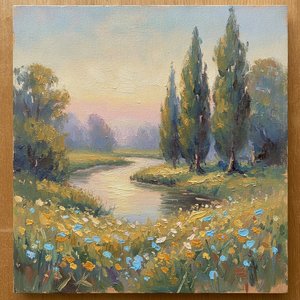
The Timeless Charm of Oil on Board: Reimagining Texture and Light through the Impressionist Lens
Discover the profound intimacy of oil on panel. Explore how Impressionist masters used rigid supports to capture light, texture, and impasto depth through exquisite, handmade oil reproductions for discerning collectors.

The Enduring Power of Painting: A Historical & Contemporary Exploration of Form and Emotion
Explore the rich history & enduring techniques of oil painting with OriginalUniqueArt. Discover masterpieces, learn about art collecting, and find authentic handmade reproductions crafted by skilled artists.


