
 Pregledaj u prostoru
 Pošalji
 Podeli
 Detalji o delu

 Преузми
 Slični predmeti
 Rendgenski snimak
 Slajdovi
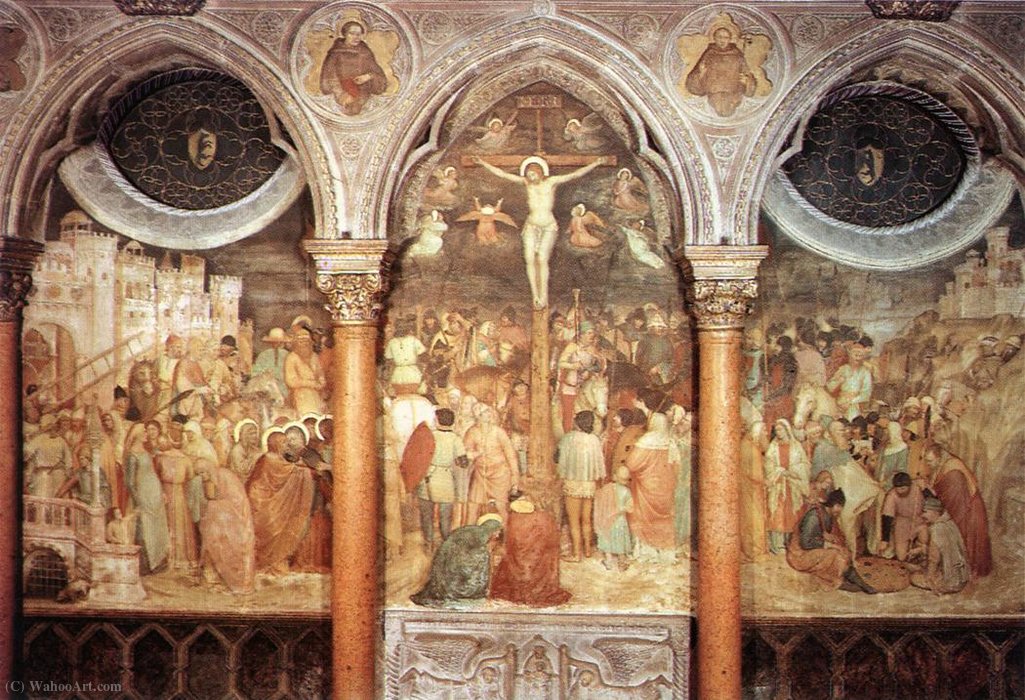
Crucifixion

 Pročitaj više
Kupite digitalnu sliku visoke rezolucije i poboljšanog kvaliteta, koja je znatno superiornija od onoga što vidite u online prikazu.
Svaka datoteka je pedantno pripremljena od strane naših stručnjaka koristeći napredne alate i profesionalnu ručnu retušu. Osiguravamo da svaka slika ima izuzetnu oštrinu, preciznu reprodukciju boja i fine detalje.
Konačna datoteka se dostavlja putem e-pošte u roku od 72 sata, optimizovana za neposrednu upotrebu u profesionalnim, izdavačkim i štamparskim okruženjima. To je isti kvalitet kojem veruju vrhunski studiji dizajna, izdavači i galerije.
Digitalna slika
Preuzmite datoteku visoke rezolucije za ličnu upotrebu, štampanje i kreativne projekte. ( Kupi print Kupi ručno naslikanu sliku)
Uključeno uz svaku porudžbinu digitalne slike
Profesionalna digitalna isporuka, zagarantovana
Kada odaberete OriginalUniqueArt.com, ne dobijate samo sliku – vi primate profesionalno unapređeno digitalno umetničko delo, izrađeno sa najvećom preciznošću i uz garanciju zadovoljstva. Evo svega što automatski dolazi uz vašu porudžbinu:

Brza dostava putem e-pošte
Vaša digitalna slika visoke rezolucije biće vam poslata putem e-pošte u roku od 72 sata od poručivanja – spremna za trenutnu upotrebu.

Digitalna datoteka unapređena veštačkom inteligencijom
Vaše umetničko delo je profesionalno optimizovano korišćenjem naprednih AI alata i ručne obrade, čime se osiguravaju maksimalni detalji, oštrina i preciznost boja.

Besplatna ponovna isporuka doživotno
Slučajno ste obrisali ili izgubili svoju datoteku? Ne brinite – poslaćemo vam je ponovo u bilo kom trenutku, potpuno besplatno.

Bez troškova uvoza – zauvek
Uživajte u svojim umetničkim delima trenutno, bez carine, dažbina ili troškova dostave – digitalni download je uvek bez poreza.

Garancija vernosti boja
Uz pomoć profesionalnih alata i upravljanja bojama, osiguravamo da vaša digitalna slika što vernije odražava originalne boje.

Garancija zadovoljstva u roku od 60 dana
Ako niste zadovoljni svojom digitalnom slikom, revidirat ćemo je ili vratiti 100% novca u roku od 60 dana – bez ikakvih pitanja.

100% garancija povrata novca
Niste zadovoljni? Obezbedite pun povrat novca u roku od 60 dana od trenutka kada ste primili svoju digitalnu datoteku – bez suvišnih pitanja.

Popusti na velike porudžbine
Kupite 3 slike, uštedite 10% - Kupite 5 slika, uštedite 15% - Kupite 10+ slika, uštedite 20%. Odlično za kreativne projekte, galerije i agencije.
Biografija umetnika
The Master of Veronese Gothic: The Life and Legacy of Altichiero da Zevio
In the twilight of the fourteenth century, as the rigid structures of the Byzantine tradition began to soften under the influence of a new, more humanistic vision, there emerged a painter whose brushwork would define the soul of the Veronese School. Altichiero da Zevio, born near the quiet town of Zevio in Verona around 1330, was not merely a chronicler of sacred events but a pioneer of the Venetian Gothic style. While the biographical shadows surrounding his early years remain somewhat dense, the vibrant frescoes he left behind act as a luminous window into his creative spirit. Scholars often trace the lineage of his genius back to Florence, suggesting that he breathed the same artistic air as Giotto. This connection, likely forged through an intimate study of Giotto’s pupils like Taddeo Gaddi, allowed Altichiero to infuse his work with a profound sense of volume, weight, and narrative clarity that was revolutionary for his time.
The evolution of Altichiero’s artistry is best understood through his monumental contributions to the civic and religious landscapes of Verona and Padua. His early ascent to prominence was marked by the prestigious commission for the Sala del Podestà within the della Scala palace. Here, around 1364, he embarked on an ambitious cycle depicting scenes from Josephus's Wars of the Jews. This project was far more than a decorative endeavor; it was a masterclass in historical storytelling. Through these frescoes, Altichiero demonstrated an uncanny ability to organize complex, multi-layered compositions, transforming cold stone walls into theatrical stages where history and drama converged. His mastery of the narrative fresco established him as a premier storyteller of the Trecento, capable of guiding the viewer's eye through intricate battle scenes and emotional confrontations with seamless grace.
A Symphony of Color and Devotion in Padua
As his reputation expanded beyond the borders of Verona, Altichiero’s journey led him to the intellectual and artistic heart of Padua. It was here that his collaboration with Jacopo d'Avanzi reached its zenith, producing some of the most breathtaking examples of late Gothic art in existence. In the chapel of Saint James at the Basilica of Sant’Antonio, the duo breathed life into the hagiography of Saint James the Elder. These works are characterized by a unique visual dynamism, where religious iconography is wedded to an emerging interest in naturalism and emotional depth. The frescoes do not merely depict saints; they inhabit a world of palpable atmosphere, where the drapery of robes and the expressions of the faithful suggest a reality that is both divine and deeply human.
Perhaps even more intimate is his contribution to the Oratorio di San Giorgio. Often whispered about in the same breath as the Scrovegni Chapel, this small, sacred space serves as a testament to Altichiero’s ability to scale his monumental vision down to a poignant, personal level. Working within this family mausoleum, he and his workshop created a vibrant tapestry of devotion that continues to transport modern visitors back to the dawn of the Renaissance. His work in Padua represents a crucial bridge in art history—a moment where the decorative elegance of the Gothic era began to embrace the structural innovations and psychological complexity that would soon define the Italian Renaissance.
The Enduring Echo of a Venetian Pioneer
Though Altichiero da Zevio passed away around 1390, his influence did not fade with his final breath. He left behind a legacy etched into the very architecture of Northern Italy, providing a foundation upon which future generations of Venetian and Veronese painters would build. His significance lies in his role as a transitional figure; he took the inherited language of the Middle Ages and began to rewrite it with a new vocabulary of space, movement, and human emotion. To study Altichiero is to witness the slow, beautiful metamorphosis of European art, moving away from the static icons of the past toward a more breathing, living world.
The enduring importance of his oeuvre can be summarized through several key artistic pillars:
- Narrative Innovation: His ability to transform historical and biblical texts into sweeping, cinematic fresco cycles.
- Stylistic Synthesis: The successful blending of Florentine Giottesque naturalism with the decorative elegance of the Venetian Gothic.
- Architectural Integration: A profound mastery of using fresco to expand the perceived space of chapels and civic halls.
- Foundational Legacy: Establishing the Veronese School as a distinct and powerful force in the Italian artistic landscape.

altichiero da zevio
1330 - 1390 , Italy
Kratke činjenice
- Artistic Movement Or Style: Gothic Art
- Artists Or Movements Influenced By This Artist: Veronese School
- Artists Who Influenced This Artist: Giotto
- Date Of Birth: c. 1330
- Date Of Death: c. 1390
- Full Name: Altichiero da Zevio
- Nationality: Italian
- Notable Artworks:
- Scenes from the Life of St James
- Crucifixion
- Adoration of the Magi
- Place Of Birth: Zoveo bei Verona, Italy

