

 Pregledaj u prostoru
 Podeli
 Podeli
 Detalji
 Vodič
Vodič

 Preuzmi sliku
 Slični predmeti
 Rendgenski snimak
 Automatska prezentacija
 Statistika
General interrogating a mobile guard, supporting an injured lieutenant


 Pročitaj više
Ručno rađena uljana reprodukcija
Ručno oslikano uljanim bojama na platnu u dimenzijama i okviru po vašem izboru, izrađeno po porudžbini od strane naših umetnika. ( Pređi na prodaju štampanih primeraka Pređi na prodaju digitalnih slika)




P118B дин10

P118H дин10

P118W дин10

P438Z дин10

P508JH дин12

P508YH дин12

P805H дин10

P805Z дин10

P919BZ дин10

P919G дин10

P919XJ дин10

P959ZH дин10

P968JZ дин12

W106C дин8

W218G дин10

W218JH дин8

W218Y дин10

W307PJ дин10

W316G дин10

W316PJ дин8

W316Y дин10

W398PJ дин8

W4111J дин10

W500HY дин15

W500JH дин15

W692G дин12

W849H дин8

W940BG дин15

W953PJ дин8




Izaberite jednu od naših unapred definisanih veličina koje odgovaraju originalnim proporcijama umetničkog dela.

Unesite širinu i visinu koja vam je potrebna, kako bi se uklopili u vaš ram ili zid. Pošto je ovo ručno oslikano delo, umetnik može naslikati malo više prostora oko slike ili malo skratiti ivice za dimenzije drugačijeg oblika — izbor je na vama. Pre početka rada, poslaćemo vam digitalni prikaz radi potvrde. Slika prikazana na ovoj stranici ne predstavlja konačan rezultat — samo digitalni prikaz pokazuje stvarnu sliku.
Nakon narudžbine, tim OriginalUniqueArt.com će klijentu putem e-pošte poslati uputstva i dostaviti prikaz predloženog rešenja
Svetska isporuka () za 3/4 nedelje umesto uobičajenih 5 nedelja. (24 октобар). Bez kompromisa po pitanju kvaliteta.

Besplatna ekspresna dostava širom sveta

Visokokvalitetno laneno platno

Sveobuhvatno osiguranje transporta

Garancija povraćaja carine i uvoznih dažbina

Garancija vernosti boja i autentičnosti pri reprodukciji

Politika povraćaja u roku od 100 dana (samo u slučaju nedostataka)

Garancija povrata 100% novca

Popust pri većoj količini
 Opcija sa staklom dostupna je samo za dimenzije manje od 110 cm

General interrogating a mobile guard, supporting an injured lieutenant
Tehnika izrade reprodukcije
Veličina reprodukcije
-


Ukupna cena
дин 38661
A Frozen Moment of Command: Alphonse de Neuville’s “General Interrogating a Mobile Guard Supporting an Injured Lieutenant”
Alphonse de Neuville's "General Interrogating a Mobile Guard Supporting an Injured Lieutenant," painted in 1879, is more than just a depiction of a military scene; it’s a meticulously crafted tableau of tension, duty, and the lingering weight of conflict. The painting transports us to a bleak, snow-swept landscape – likely inspired by the aftermath of the Franco-Prussian War – where a seasoned general, radiating authority, engages in a serious conversation with a young lieutenant bearing the visible wounds of battle. The scene isn’t one of triumphant victory, but rather a quiet assessment amidst the ruins of war, a moment suspended between interrogation and judgment.
De Neuville's artistic lineage is deeply rooted in the Romantic tradition, particularly influenced by Eugène Delacroix’s dramatic use of color and composition. This influence manifests powerfully here through the carefully orchestrated arrangement of figures against the stark backdrop. The triangular structure, anchored by the central interaction between the general and the lieutenant, draws the viewer’s eye directly to this pivotal exchange. The horses, rendered with a remarkable sense of realism – their coats gleaming faintly beneath the overcast sky – contribute significantly to the painting's dynamic energy, suggesting movement and urgency even within the stillness of the scene.
A Palette of Winter: Color, Light, and Atmosphere
The color palette is deliberately restrained, dominated by a muted range of grays, whites, and browns that perfectly capture the harshness and desolation of the winter landscape. Subtle hints of warmer tones – in the uniforms of the officers and the horse coats – provide a delicate contrast, preventing the scene from becoming entirely bleak. De Neuville masterfully employs atmospheric perspective; distant figures are rendered with increasing softness and detail loss, creating an illusion of depth that anchors the viewer within this frozen world. The diffused lighting, characteristic of overcast days, casts a soft, even illumination across the canvas, eliminating strong shadows and contributing to the painting’s somber mood.
The Language of Line and Texture
De Neuville's technique is firmly rooted in academic painting, evident in his skillful rendering of form and detail. Visible brushstrokes – particularly prominent in the depiction of the snow-covered ground and the textures of clothing – add a tactile quality to the work, inviting the viewer to almost feel the cold wind and rough fabric. Lines are used strategically to define shapes and create a sense of realism, while also subtly conveying the tension within the scene. The musculature of the horses is particularly well-defined, adding to their powerful presence. The artist’s attention to detail extends to the subtle nuances of facial expressions – the general's stern gaze, the lieutenant’s wounded composure – revealing a profound understanding of human psychology.
Symbolism and Emotional Resonance
Beyond its realistic depiction of military life, “General Interrogating a Mobile Guard Supporting an Injured Lieutenant” is rich in symbolic meaning. The injured lieutenant represents sacrifice and loss—a tangible reminder of the brutal cost of war. The general’s questioning posture suggests responsibility, authority, and perhaps even regret. The scene evokes feelings of uncertainty, duty, and the lingering trauma of conflict. It's a poignant meditation on leadership, accountability, and the enduring consequences of violence. The painting doesn’t offer easy answers or heroic narratives; instead, it presents a complex and emotionally resonant portrait of a moment caught between action and reflection.
A Legacy in Oil: Materials and Historical Context
Created using traditional oil paints on canvas, this artwork stands as a testament to de Neuville's mastery of his medium. The choice of oil paint allowed for layering and blending, contributing to the painting’s rich textures and nuanced color palette. Painted during the late 19th century, it reflects the artistic and political climate of France following the Franco-Prussian War – a period marked by nationalistic fervor and a desire to commemorate military achievements. De Neuville's work served as both a historical record and a powerful expression of patriotic sentiment. The painting’s acquisition by the Musée de l’Armée in Paris underscores its significance within French art history.
Pitanja i odgovori
Gde mogu pronaći umetnička dela slična delu „General interrogating a mobile guard, supporting an injured lieutenant”, Алфонс Де Невил?
Radela slična delu „General interrogating a mobile guard, supporting an injured lieutenant”, Алфонс Де Невил prikupljena su na stranici Slična dela ovog umetničkog dela.
Kolika je zasićenost boja u delu „General interrogating a mobile guard, supporting an injured lieutenant”, Алфонс Де Невил?
Paleta dela "General interrogating a mobile guard, supporting an injured lieutenant" ima Muted zasićenost.
Da li je „General interrogating a mobile guard, supporting an injured lieutenant”, Алфонс Де Невил slika, crtež ili grafika?
„General interrogating a mobile guard, supporting an injured lieutenant”, Алфонс Де Невил je klasifikovan/a kao WallArt. Ova kategorija opisuje vrstu umetničkog dela kojem original pripada.
Biografija umetnika
Живот исписан у конфликтима: Свет Алфонса де Невила
Алфонс-Мари-Адолф де Невил, име које одјекује драмом и патриотском страшћу Француске 19. века, рођен је у Сен Омеру 1835. године. Његов живот, трагично прекинут у четрдесет и деветој години, одвијао се на позадини великих историјских промена – периода обележеног царским амбицијама, разарајућим ратовима и растућих националних идентитета. Иако је прво био привучен морнаричком каријером, уметничке тежње де Невила биле су прејаке да би их игнорисао, што га је одвело са мора у атеље Париза. Прво је тражио смернице у утврђеном академском систему, кратко похађајући морнаричку школу у Лориену, пре него што се коначно определио за формалну обуку под будним оком Франсоа-Едуара Пикоа. Међутим, утицај Ежена Делакроа, мајстора романтизма са склоношћу динамичкој композицији и емотивном интензитету, заправо је обликовао уметничку визију де Невила. Ово менторство га је пробудило у страсти за драматичним нарацијама и оштром разумевању како да преведе историјске догађаје на платно уз убедљиву моћ.Ковање репутације кроз рат и илустрацију
Де Невил се брзо утврдио као слика који је дубоко ангажован у конфликтима који су дефинисали његову еру. Он није само приказивао рат; он је био уроњен у његове стварности, црпећи из личних искустава – укључујући службу током Француско-пруског рата – да би додао аутентичност свом раду. Ова посвећеност реализму, у комбинацији са талентом за хватање људских трошкова конфликта, га је уздигла до истакнутости. Рани успеси укључивали су приказе битака из Кримског рата и сцене које илуструју епизоде из Гарибалдијевих кампања у Италији. Међутим, кроз сарадњу са Жил Верном, де Невил је стекао ширу признање. Његове илустрације за *Двадесет хиљада миља под морем* донеле су визуелну динамику Верновом фантастичном подводном свету, очаравајући читаоце и учвршћујући репутацију де Невила као свестраног уметника способног за историјску прецизност и маштовито приповедање. Ове илустрације нису биле само пратећи текст; били су саставни део обликовања јавног перцепције Верновог пионирског романа.Мајстор војне наративности: Кључна дела и уметнички стил
Уметничка снага де Невила лежала је у његовој способности да трансформише историјске догађаје у емотивно резонантно приповедање. Његове слике нису биле само записи битака; то су биле пажљиво конструисане драме, испуњене убедљивим ликовима и опипљивом осећајем хитности. “Напад лаке коњице” (1860), елоквентан приказ катастрофалног напада коњице из Кримског рата, пример је овог приступа. Слика не слави рат већ преноси храброст и узалудност војника заробљених у ватри. Слично томе, "Одбрана Палма Мајора" (1875), која илуструје ужасан епизод из Зулског рата, демонстрира де Невилово мајсторство драматичне композиције и његову способност да зароби интензитет борбе у блиском контакту. Његов стил карактеришу прецизни детаљи, реалистични прикази униформи и оружја и вешта употреба светлости и сенке за стварање атмосфере и повећање емотивног утицаја. Није га занимала велика алегорија или идеализовани хероизм; уместо тога, фокусирао се на појединачна искуства војника – њихову храброст, страх и патњу.Заоставштина и трајан апел
Прерана смрт Алфонса де Невила 1885. године лишила је уметнички свет значајног талента. Међутим, његова заоставштина опстаје кроз бројне слике које настављају да очаравају публику и данас. Његови радови се чувају у престижним збиркама као што су Ермитаж у Санкт Петербургу и Метрополитен музеј у Њујорку, сведочећи о њиховом уметничком квалитету и историјском значају. Осим ових институционалних поседа, де Невилова уметност ужива широк популарни апел, подстакнут обновљеним интересовањем за војну историју из 19. века и жељом за аутентичним приказима прошлости. Данас висококвалитетне репродукције – доступне преко платформи као што су OriginalUniqueArt и OriginalUniqueArt – омогућавају ентузијастима уметности да донесу драму и историјску дубину де Невилових ремек-дела у своје домове. Његове слике служе не само као уметничка достигнућа, већ и као моћни подсетници на људске трошкове рата и трајан дух оних који су се борили у њему.Утицаји и уметнички развој
- Ежен Делакроа: Најзначајнији утицај на де Невилов стил, дајући осећај драме, емотивног интензитета и динамичне композиције.
- Франсоа-Едуар Пико: Обезбедио рану обуку и основне вештине у академским техникама сликања.
- Лична искуства: Његова служба током Француско-пруског рата директно је информисала његове реалистичне приказе војног живота и борбе.
- Књижевност Жила Верна: Сарадња на *Двадесет хиљада миља под морем* проширила је његов уметнички опсег и представила га ширијој публици.
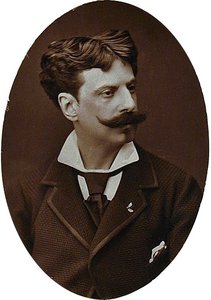
Алфонс Де Невил
1835 - 1885 , Француска
Brzi pregled
- Artistic Movement Or Style: Академизам
- Artists Who Influenced This Artist:
- Ежен Делакроа
- Франсоа-Едуар Пико
- Date Of Birth: 1835
- Date Of Death: 1885
- Full Name: Алфонс-Мари-Адолф де Невил
- Nationality: Француски
- Notable Artworks (List Of Titles):
- Напад Лајт Бригада
- Одбрана Палма Мајора
- Place Of Birth (City And Country): Сен Омер, Француска
Srodni članci
Beyond the Fabric: Decoding Identity, Authority, and Symbolism in the Art of Military Uniforms
Explore the profound symbolism of military uniforms in art history. From Victorian portraits to realistic lithographs, discover how artists capture power, identity, and historical legacy through the intricate details of martial regalia and command.

Francisco Goya: 25 Remek-dela Španskog Majstora za Vaš Dom | OriginalUniqueArt
Istražite 25 remek-dela Francisca Goya, španskog slikara romantizma i impresionizma. Portreti, tamne slike & istorija umetnosti na OriginalUniqueArt.com! Kupite reprodukcije slika vrhunskog kvaliteta za dekoraciju enterijera. Otkrijte celu kolekciju online.

Willem de Kooning: Abstraction, Gesture & the Evolution of Post-War American Painting
Explore the evolution of Willem de Kooning's iconic Abstract Expressionist paintings. Discover his signature style, key themes & investment potential with expert insights for discerning art collectors.

About Us
Discover our story! We bring world-class art into your life through expert curation, personalized creations, and free previews. Trusted by individuals and businesses since 2000.

William Owen: A Poetic Vision of War & Landscape in British Modernism
Explore the poignant war poetry of Wilfred Owen, a key figure in British Modernism. Discover his innovative style, themes of loss & camaraderie, and lasting impact on 20th-century literature. Analysis & historical context included.