

 Pregledaj u prostoru
 Pošalji
 Podeli
 Detalji o delu
 Vodič
Vodič

 Preuzmi
 Slični predmeti
 Rendgenski snimak
 Automatska prezentacija
 Q&A
Q&A Statistika
George III (1738–1820)
 Oil On Canvas
- WallArt
- Neoclassicism
 214.0 x 150.0 cm
 The Royal Hospital Chelsea
 Pročitaj više
Giclee štampa / Umetnički otisak
Giclée štampa ili print na platnu muzejskog kvaliteta uz brzu izradu i raznovrsne opcije završne obrade. ( Kupite ručno oslikano delo Pređi na digitalnu sliku)




P118B дин10

P118H дин10

P118W дин10

P438Z дин10

P508JH дин12

P508YH дин12

P805H дин10

P805Z дин10

P919BZ дин10

P919G дин10

P919XJ дин10

P959ZH дин10

P968JZ дин12

W106C дин8

W218G дин10

W218JH дин8

W218Y дин10

W307PJ дин10

W316G дин10

W316PJ дин8

W316Y дин10

W398PJ дин8

W4111J дин10

W500HY дин15

W500JH дин15

W692G дин12

W849H дин8

W940BG дин15

W953PJ дин8




Izaberite jednu od naših unapred definisanih veličina koje odgovaraju originalnim proporcijama umetničkog dela.

Unesite željenu širinu i visinu kako bi se štampa uklopila u vaš ram ili zid. Štampu je moguće samo iseći, ali nikada povećati iznad dimenzija originalne slike, stoga format sa drugačijim proporcijama uzrokuje gubitak dela slike. Pre početka štampe, poslaćemo vam digitalni prikaz radi potvrde. Slika prikazana na ovoj stranici ne predstavlja stvarni isrez — to pokazuje samo digitalni prikaz.
Dostava širom sveta () za 2 nedelje umesto uobičajenih 4/5 nedelja. (28 октобар)

Besplatna ekspresna dostava širom sveta

Visokokvalitetno laneno platno

Potpuno osiguranje transporta

Garancija povraćaja carine i uvoznih dažbina

Garancija vernosti boja

Politika povraćaja u roku od 100 dana (samo u slučaju nedostataka)

Garancija povrata 100% novca

Popust na više proizvoda
 Opcija sa staklom dostupna je samo za dimenzije manje od 110 cm

George III (1738–1820)
Giclee štampa / Umetnički otisak
Dimenzije reprodukcije
-


Ukupna cena
дин 8287
A Regal Portrait: Allan Ramsay’s George III
Allan Ramsay's portrait of King George III, completed around 1761-2, is more than just a likeness; it’s a carefully constructed embodiment of power, authority, and the nascent complexities of the British monarchy. This masterful work, rendered in oil on canvas, transcends mere representation to become a window into the era's political climate and artistic sensibilities – specifically, the rise of Neoclassicism within portraiture. The painting immediately commands attention with its dramatic lighting, a key element that draws the viewer’s eye directly to the King’s face, imbuing him with an almost palpable sense of presence.
Ramsay, a leading figure in 18th-century Scottish art, expertly employs linear perspective to create a sense of depth and spatial arrangement. The throne, rendered as a robust square, anchors the composition while the draped fabric behind George III flows into a dark, indistinct background – a deliberate choice that serves to highlight the subject’s importance and elevate his status. The use of geometric shapes—squares for the throne, rectangles for the robes—contrasts with the more organic curves of the King's face, suggesting a balance between rigid formality and human warmth.
A Study in Neoclassical Detail
Examining the brushwork reveals Ramsay’s meticulous technique. Layered glazes build up color depth and luminosity, particularly noticeable in the rich textures of the royal robes – a testament to his ability to capture the sheen of velvet and the weight of heavy fabrics. The artist skillfully renders skin tones with subtle variations, avoiding overly smooth surfaces; instead, he introduces a slight roughness that lends a sense of realism and immediacy. The careful attention to detail extends to the rendering of the King’s attire: the intricate embroidery, the gleaming gold accents, and the precise folds of his garments all speak to the immense wealth and power associated with the monarchy.
The painting's palette is restrained yet sophisticated, dominated by deep reds, blues, and browns – colors traditionally linked with royalty and authority. The lighting, originating from a strong left-hand source, casts dramatic shadows that sculpt George III’s features, emphasizing his brow, cheekbones, and the solemnity of his expression. This chiaroscuro effect not only adds visual interest but also contributes to the overall sense of gravitas and dignity.
Symbolism and Historical Context
George III reigned from 1760 until his death in 1820, a period marked by significant political and military upheaval. The portrait itself is deeply symbolic, reflecting the King’s role as head of state during a time of considerable change. The crown, prominently displayed, represents sovereignty and divine right – concepts that were increasingly challenged during George III's reign. The robes, rich in color and ornamentation, symbolize his wealth and status, while the scepter and orb further reinforce his authority.
Ramsay’s work was commissioned during a pivotal moment in British history—the early years of George III’s rule. The King's reign coincided with the Seven Years’ War and the subsequent American Revolution, events that profoundly shaped the course of British history. The portrait, therefore, can be interpreted as an attempt to project an image of stability and strength at a time of considerable uncertainty. It is also important to note that this particular painting was one of many commissioned by the King, reflecting his desire to solidify his position and assert his authority.
A Legacy of Elegance
Allan Ramsay’s portrait of George III stands as a remarkable achievement of Neoclassical portraiture. It is a testament to the artist's technical skill, his understanding of symbolism, and his ability to capture the essence of a historical figure. Reproductions of this iconic image continue to resonate with viewers today, offering a glimpse into the grandeur and complexities of 18th-century Britain. The painting’s enduring appeal lies not only in its aesthetic beauty but also in its ability to evoke a sense of history, power, and timeless elegance.
Pitanja i odgovori
Šta prikazuje „George III (1738–1820)”, autor Alan Ramsaj?
Teme prisutne u delu „George III (1738–1820)”, autor Alan Ramsaj obuhvataju royal portraiture, 18th century britain, george iii, king, neoclassical art, scottish nobility, portrait painting, regal authority, što zajedno sažima suštinu ovog umetničkog dela.
Gde i kako se preporučuje postaviti „George III (1738–1820)”, autor Alan Ramsaj?
„George III (1738–1820)”, autor Alan Ramsaj se preporučuje za Statement, idealno u Living Room. Upotreba i prostor zajedno ukazuju na to gde reprodukcija najbolje pristaje.
Šta "George III (1738–1820)" deli sa ostatkom stvaralaštva umetnika Alan Ramsaj?
U okviru celokupnog stvaralaštva umetnika Alan Ramsaj, delo "George III (1738–1820)" pripada stilu Neoclassicism, uz prisustvo tema kao što su classical ideals, roman influence, royal power, british identity, political authority, monarchy, ramsay's aristocratic portraits, scottish nobility depiction.
Biografija umetnika
Алан Рамзи: Живот у Елеганцији и Уметности
Рођен у Единбургу, Шкотска, 13. октобра 1713. године, Алан Рамзи се издигао као истакнути шкотски портретиста чија су дела заувек забележила елеганцију и рафинираност свог времена. Његов уметнички пут започео је са двадесет година када је отпутовао у Лондон да студира под шведским сликаром Хансом Хисингом, након чега су уследила упознавања и обука у Академији Сент Мартинс Лејн. Ова фундаментална обука пружила му је чврсту основу у техници и композицији.
Италијански Утицаји и Уметнички Развој
Рамзијев уметнички развој доживео је значајан прекрет са његовим путовањима у Рим и Напуљ, где је провео три године (1736-1738) радећи под менторством Франческа Солимене и Империалеа (Франческа Фернандија). Ови италијански мајстори су дубоко утицали на његов стил, негујући веће разумевање класичних принципа и побољшавајући његове вештине у заробљавању сличности и карактера. Упио је преовлађујућу естетику рококоа, развијајући притом и наклоност ка неокласичним идеалима.
Успешна Каријера и Важна Дела
Након повратка у Велику Британију 1738. године, Рамзи је брзо успоставио успешну каријеру портретисте. Његова способност да представи своје субјекте са прецизношћу и грациозношћу ускоро му је донела угледног клијентелу. Међу његова најзначајнија дела спадају:
- Краљица Шарлота (1744-1818) са двојицом своје старије деце (Ројална колекција, Лондон): Величествена репрезентација која показује краљичину мајчинску присутност.
- Мери Дег, леди Роберт Манерс (Шкотска национална галерија, Единбург): Елегантан портрет који демонстрира Рамзијеву вештину у заробљавању аристократске лепоте.
- Глава Данкана Форбеса из Калодена: Ово рани дело привукло је пажњу војводе од Аргила и касније се појавило на новчаницама Краљевске банке Шкотске.
Краљевско Именовање и Врхунац Успеха
Преломни тренутак у Рамзијевој каријери дошао је 1761. године са његовим именовањем за Главног сликара краља Џорџа III. Ова престижна позиција учврстила је његов статус међу умјетничком елитом и осигурала му константан прилив поруџбина од краљевске породице и високог друштва. Постао је *портретиста Џорџијанског доба*.
Каснији Живот и Наслеђе
Рамзијев каснији живот обележила је промена ка књижевним тежњама, што одражава његова широка интелектуална интересовања. Међутим, личне трагедије – случајно изгубљена десна рука и смрт друге супруге 1782. године – утицале су на његово здравље и продуктивност. Преминуо је 1784. године.
Упркос овим изазовима, Рамзи је оставио трајно наслеђе као један од најславнијих шкотских портретиста. Како је Семјуел Џонсон забележио: „Волим Рамзија. Нећете пронаћи човека у чијем разговору има више поуке, информација и елеганције него у Рамзијевом.” Његова дела настављају да се диве због своје техничке вештине, рафиниране естетике и увиђајних портрета друштва из 18. века.
Историјски Значај
Рамзијев допринос се протеже даље од његовог уметничког талента. Играо је кључну улогу у обликовању визуелне културе Шкотске током периода значајних друштвених и политичких промена. Његови портрети пружају драгоцене увиде у живот, моду и вредности шкотског племства и господарије. Његова дела се могу наћи на локацијама као што су Градска већница Ајра и Шкотска национална галерија портрета.
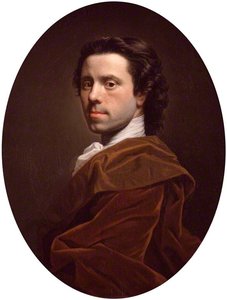
Alan Ramsaj
1713 - 1784 , Уједињено Краљевство
Osnovne informacije
- Datum Rođenja: 13. oktobar 1713.
- Datum Smrti: 1784.
- Mesto Rođenja: Edinburg, Ujedinjeno Kraljevstvo
- Nacionalnost: Skotski
- Puno Ime: Alan Ramsaj
- Umetnici Koji Su Uticali Na Njega:
- Hans Hysing
- Frančesko Solimena
- Imperijali (Frančesko Fernandi)
- Umetnički Pokret/Stil: Rokoko, Neoklasicizam
- Značajna Dela:
- Kraljica Šarlota sa sinovima
- Meri Deg, Lejdi Robert Maners
- Portret Dankan Forbesa
Povezani članci

Allen Ramsay: Portraiture, Patronage & Shaping Georgian Identity
Explore the life & work of Allen Ramsay, pivotal portraitist to George III. Discover his Rococo style, influence on Georgian society, and lasting legacy in British art history. Learn about his key works & patronage.

Georges Braque: 25 Remek-dela Kubizma za Inspirisanje Vašeg Doma | OriginalUniqueArt
Istražite 25 remek-dela Georges Braquea, pionira kubizma. Otkrijte priče iza slika, tehnike i inspiraciju za dizajn enterijera. Reprodukcije vrhunskog kvaliteta dostupne na OriginalUniqueArt.com! Pronađite savršeno umetničko delo online.

Neoclassical Portraiture: The Timeless Elegance of Order, Grace, and Academic Mastery
Explore the refined world of Neoclassical portraiture. Discover the mastery of line, light, and order through an expert exploration of academic art history, from Jacques-Louis David to Jean-Antoine Houdon. Immerse yourself in the timeless elegance of classical realism.

25 Remek-dela Žorža Seurea: Putovanje kroz Svet Tačizma i Impresionističke Revolucije
Istražite 25 remek-dela Žorža Seurea i uronite u svet tačizma i impresionističke revolucije. Otkrijte priče iza slika, tehnike i inspiraciju ovog francuskog umetnika. Reprodukcije vrhunskog kvaliteta dostupne na OriginalUniqueArt.com!

Majesty on Canvas: A Definitive Guide to Iconic Royal Portraits Through Art History
Explore the profound history of royal portraiture. From Baroque grandeur to Victorian elegance, discover how master artists captured power and lineage on canvas through the timeless medium of oil painting.