 Pregledaj u prostoru
 Pošalji
 Podeli
 Detalji o delu
 Vodič
Vodič

 Preuzmi
 Slični predmeti
 Rendgenski snimak
 Automatska prezentacija
 Q&A
Q&A Statistika
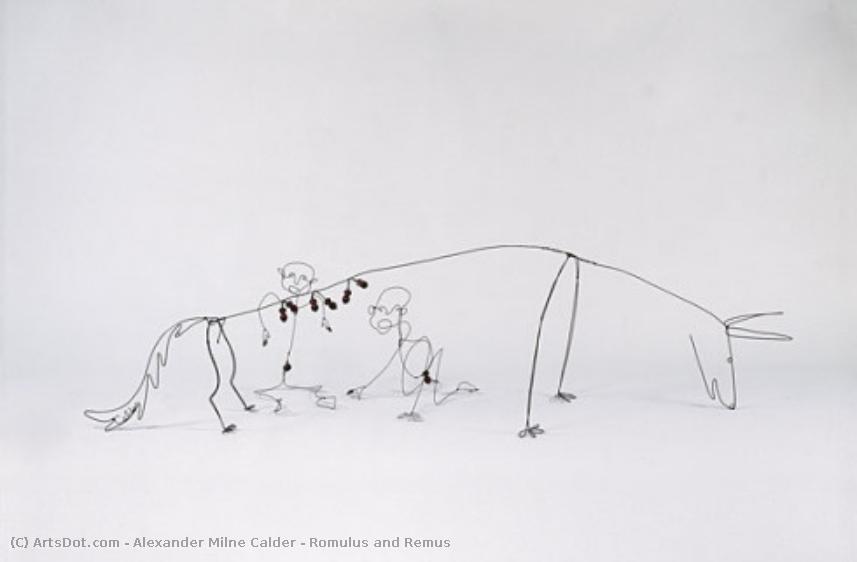
Romulus and Remus


 Pročitaj više
Umetničko delo prikazano na ovoj stranici zaštićeno je autorskim pravima, što znači da zakonski nismo u mogućnosti da kreiramo niti prodajemo identičnu reprodukciju. Ova zaštita se sprovodi u skladu sa međunarodnim sporazumima kao što su Bernska konvencija i nacionalnim zakonima, uključujući i one koji su definisani u Američki zakon o autorskom pravu – Naslov 17.
Ovaj metod je u potpunosti usklađen sa regulativama o autorskim pravima jer ne podrazumeva kopiranje ili dupliranje zaštićenih umetničkih dela. Umesto toga, reč je o kreativnoj reinterpretaciji – novom slikarskom delu koje je inspirisano originalom, ali nije identično njemu.
Giclee štampa / Umetnički otisak
Giclée štampa ili print na platnu muzejskog kvaliteta uz brzu izradu i raznovrsne opcije završne obrade. ( Kupite ručno oslikano delo Pređi na digitalnu sliku)




P118B дин10

P118H дин10

P118W дин10

P438Z дин10

P508JH дин12

P508YH дин12

P805H дин10

P805Z дин10

P919BZ дин10

P919G дин10

P919XJ дин10

P959ZH дин10

P968JZ дин12

W106C дин8

W218G дин10

W218JH дин8

W218Y дин10

W307PJ дин10

W316G дин10

W316PJ дин8

W316Y дин10

W398PJ дин8

W4111J дин10

W500HY дин15

W500JH дин15

W692G дин12

W849H дин8

W940BG дин15

W953PJ дин8




Izaberite jednu od naših unapred definisanih veličina koje odgovaraju originalnim proporcijama umetničkog dela.

Unesite željenu širinu i visinu kako bi se štampa uklopila u vaš ram ili zid. Štampu je moguće samo iseći, ali nikada povećati iznad dimenzija originalne slike, stoga format sa drugačijim proporcijama uzrokuje gubitak dela slike. Pre početka štampe, poslaćemo vam digitalni prikaz radi potvrde. Slika prikazana na ovoj stranici ne predstavlja stvarni isrez — to pokazuje samo digitalni prikaz.
Dostava širom sveta () za 2 nedelje umesto uobičajenih 4/5 nedelja. (3 новембар)

Besplatna ekspresna dostava širom sveta

Visokokvalitetno laneno platno

Potpuno osiguranje transporta

Garancija povraćaja carine i uvoznih dažbina

Garancija vernosti boja

Politika povraćaja u roku od 100 dana (samo u slučaju nedostataka)

Garancija povrata 100% novca

Popust na više proizvoda
 Opcija sa staklom dostupna je samo za dimenzije manje od 110 cm

Romulus and Remus
Giclee štampa / Umetnički otisak
Dimenzije reprodukcije
-


Ukupna cena
дин 8366
A Moment Frozen in Steel: Exploring Calder’s “Romulus and Remus”
Alexander Milne Calder's "Romulus and Remus," crafted in 1928, isn’t merely a sculpture; it’s a distilled essence of myth rendered in delicate wire. This piece, a testament to the artist’s pioneering approach to three-dimensional form, transcends its subject matter – the legendary founders of Rome – to become a profound meditation on beginnings, brotherhood, and the very act of creation itself. Calder, deeply influenced by Constructivism and early Modernism, sought to liberate sculpture from the constraints of traditional materials, embracing the inherent qualities of industrial wire as both medium and metaphor.
The sculpture’s stark simplicity is its most arresting feature. Two figures, rendered with astonishing grace despite their skeletal construction, stand beneath a subtly arching structure that evokes a horizon line or perhaps a stylized landscape. The color palette – a resolute black and white punctuated by subtle grays – amplifies the work's austerity, forcing the viewer to focus entirely on form and movement. The lines themselves are paramount; thin, almost impossibly delicate wires define every contour, creating an illusion of both fragility and strength. This deliberate reductionist approach mirrors Calder’s broader philosophy: to strip away the superfluous and reveal the fundamental elements of a subject.
The Poetics of Chance and Kinetic Form
Calder's work in this period – particularly his “Cirque Calder” series – exemplifies his fascination with chance and spontaneity. He didn’t meticulously plan every curve or angle; instead, he allowed the wire to guide him, embracing the unpredictable nature of the material. This process is vividly captured in "Romulus and Remus," where the figures appear to be caught mid-action, poised on the precipice of a narrative yet undefined. The slight wobble inherent in the sculpture’s construction – a subtle consequence of its wire composition – hints at a kinetic energy, suggesting that even stillness can hold a dynamic potential.
The technique itself is deceptively complex. Calder skillfully bent and assembled hundreds of individual wires, creating a surprisingly robust structure despite its delicate appearance. The varying thicknesses of the wire contribute to the sculpture’s textural richness, offering subtle shifts in sheen as light catches the metal. This careful manipulation of material speaks to Calder's mastery of his chosen medium – a testament to his ability to transform industrial components into objects of profound beauty and intellectual resonance.
Myth, Brotherhood, and the Dawn of Rome
The subject matter—the story of Romulus and Remus—is deeply rooted in Roman mythology. The legend of the twins suckled by a she-wolf is an enduring symbol of resilience, survival, and the founding of civilization. Calder’s sculpture doesn't simply depict this narrative; it captures its essence – the primal struggle for existence, the bond between brothers, and the birth of a new order. The wire itself can be interpreted as representing the threads that connect us to our past, shaping our present and influencing our future.
Created in 1928, “Romulus and Remus” stands as a pivotal work in Calder’s oeuvre, marking a significant shift towards abstraction while retaining a powerful connection to his artistic roots. It's a sculpture that invites contemplation, prompting viewers to consider the interplay of form, material, and narrative – a timeless meditation on the foundations of human experience.
Pitanja i odgovori
Da li se „Romulus and Remus”, autor Александер Милн Калдер čuva u matičnoj zemlji umetnika?
Ne – umetničko delo se nalazi u inostranstvu. Rodna zemlja umetnika Александер Милн Калдер je Ujedinjeno Kraljevstvo, dok se muzej u kojem se čuva original dela „Romulus and Remus” nalazi u državi Sjedinjene Američke Države.
Ko su autor i datum nastanka dela "Romulus and Remus"?
Autor dela "Romulus and Remus" je Александер Милн Калдер, a delo je datirano sa 1928.
Gde mogu pronaći statistiku o delu „Romulus and Remus”, autor Александер Милн Калдер?
Stranica Statistika za delo „Romulus and Remus”, autor Александер Милн Калдер prikazuje statistiku javnih poseta: mesečni broj poseta ovom umetničkom delu, poređenje sa najgledanijim radovima ovog umetnika i poreklom posetilaca.
Biografija umetnika
Увод у свет Александра Милна Калдера
Александар Милан Калдер, шкотско-амерички вајар рођен у Абердину, Шкотска 1846. године, оставио је неизбрисив траг у историји уметности, посебно захваљујући својој монументалној архитектурској скулптури на Градској већници у Филаделфији. Калдер није био само вајар; он је био визионар чије дело одражава дубоко поштовање према класичним формама и снажан осећај за детаље, али и предвесничар модерног разумевања простора и материјала. Његова прича је још фасцинантнија ако се узме у обзир да су његов син, Александар Стерлинг Калдер, и унук, познатији као Александер "Сенди" Калдер, такође постали изузетно значајни скулптори двадесетог века, стварајући породичну традицију уметничке изврсности.Ране године и формирање вајарског талента
Александар Калдер је своју каријеру започео у Шкотској, где је радио као ученик код познатог вајара Џона Ринда док је похађао Краљевску академију у Единбургу. Ово рано искуство било је кључно за његов развој, пружајући му основу у класичним техникама и естетици. Након тога се преселио у Лондон, где је учествовао у раду на монументалном Алберт Меморијалу – пројекат који је захтевао изузетну прецизност и мајсторство. 1868. године Калдер доноси одлуку да емигрира у Сједињене Државе, насељавајући се у Филаделфији. У новом окружењу, проширио је своје знање студирајући код Џозефа А. Бејлија и похађајући часове Томаса Еакинса на Пенсилванијској академији финих уметности. Ова комбинација европског образовања и америчке праксе обликовала је његов карактеристичан стил, спајајући традиционалне форме са новим идејама о изражавању и материјалима.Градска већница у Филаделфији: Круна Калдеровог рада
Најзначајније дело Александра Милна Калдера, без сумње, јесте његов рад на Градској већници у Филаделфији. Ово огромно задужење, које је трајало пуних двадесет година, захтевало је стварање преко 250 скулптура од мермера и бронзе. Калдер није само извајао ове фигуре; он је створио целу визуелну нарацију која украшава екстеријер зграде. У самом срцу овог пројекта налази се колосална бронзана статуа Вилијама Пена, намењена да крунише торњу градске већнице – симбол града и његове историје. Поред тога, Калдер је радио на скулптурама као што су "Индијанска фигура", претходно постављена на Градској већници, као и осветљени јужни и западни портали, демонстрирајући његову пажњу ка детаљијима и способност да уметност интегрише са архитектуром.Наслеђе и трајни утицај
Александрово наслеђе се протеже далеко изван његовог личног рада. Његов син, Александар Стерлинг Калдер, такође је постао познат вајар, а његов унук, Александер "Сенди" Калдер, револуционисао је свет скулптуре својим мобилима и стабилима. Ова породична традиција уметничке изврсности говори о снажном утицају који је Александар Милан Калдер имао на будуће генерације вајара. Његова дела се могу видети у престижним музејима широм света, укључујући Смитсонов амерички музеј уметности и Галерију Чивика ди Арте Модерна е Контемпоранеа Торино. Да бисте сазнали више о Александру Милану Калдеру и његовом раду, посетите https://OriginalUniqueArt.com/@/alexander-milne-calder или истражите Ваху Арт временску линију за детаљан преглед историје уметности. Важно је напоменути да је рад Александра Милна Калдера био признат и цењен од стране љубитеља уметности и научника, што га чини значајном фигуром у свету уметности. Његови доприноси ће наставити да се славе и проучавају генерацијама које долазе.
Александер Милн Калдер
1898 - 1976 , Ujedinjeno Kraljevstvo
Osnovne informacije
- Artistic Movement Or Style: Arhitektonska skulptura
- Artists Or Movements Influenced By This Artist:
- Alexander Stirling Calder
- Alexander Calder
- Artists Who Influenced This Artist: ['John Rhind']
- Date Of Birth: 23. avgust 1846.
- Date Of Death: 14. jun 1923.
- Full Name: Alexander Milne Calder
- Nationality: Skotsko-američki
- Notable Artworks (List Of Titles):
- Gradska kuća Filadelfije
- Statua Vilijama Pena
- Indijska figura
- Place Of Birth (City And Country): Aberdeen, Ujedinjeno Kraljevstvo
Povezani članci

Bronze Age to Modern Masters: 10 Sculptures That Redefined Art | OriginalUniqueArt
Journey through art history with 10 legendary bronze sculptures – from Michelangelo's David to Rodin’s Thinker. Explore the stories, techniques & timeless beauty of these masterpieces. Find museum-quality reproductions & elevate your home decor on OriginalUniqueArt.com.
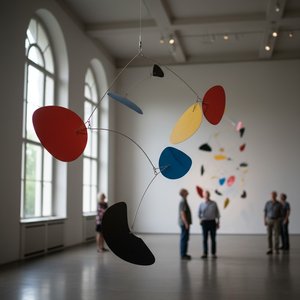
Alexander Calder: Kinetic Sculpture, Mobile Art & the Poetics of Chance
Explore the revolutionary world of Alexander Calder's kinetic sculptures & mobiles. Discover insights for collectors, acquisition advice, and the enduring legacy of this modern master. Expert analysis & art valuation.

The Enduring Form: Exploring Themes & Techniques in Sculpture Across Historical Periods
Explore the rich history of sculpture from ancient masterpieces to contemporary innovations. Discover key techniques, influential artists & investment potential for discerning art collectors.

The Enduring Form: Sculpture Across History, Technique & Emotional Resonance
Explore the rich history of sculpture with OriginalUniqueArt. Discover key techniques, influential artists & investment potential for discerning collectors. Expert insights into valuing and collecting timeless masterpieces.

Bronze Sculptures That Defined Art History | OriginalUniqueArt
Journey through art history with our Top 10 bronze sculptures! Explore masterpieces by Rodin, Michelangelo & more. Discover stories behind iconic statues and find museum-quality reproductions for your home decor at OriginalUniqueArt.com.
